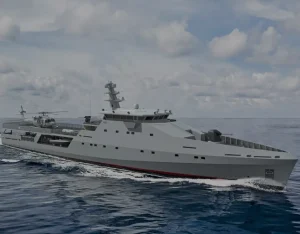
TAIS amphibious ships: from LHD-230 to the LCT series

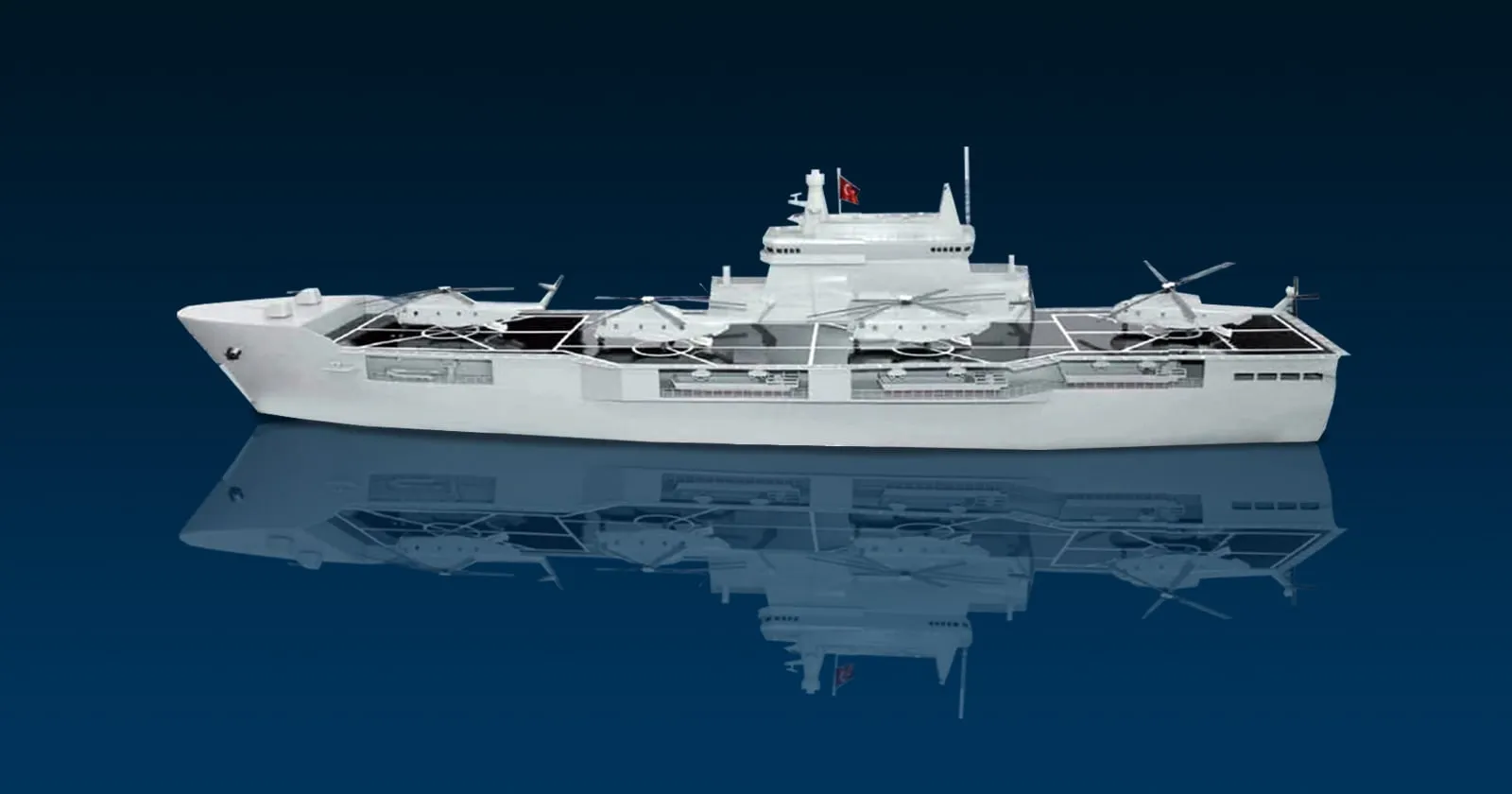
Quick answer: Amphibious ships are the field where TAIS Shipyards holds its broadest references. Turkey’s largest warship, TCG Anadolu, was built at consortium partner Sedef Shipyard, and the Bayraktar-class tank landing ships at Anadolu Shipyard (ADİK). The catalog builds a wide amphibious product line on that experience: a range running from large well-deck hulls such as the LHD-230 and LPD-150 to the LST series of tank landing ships and the LCT and LCM landing craft.
Reference projects: TCG Anadolu and the Bayraktar class
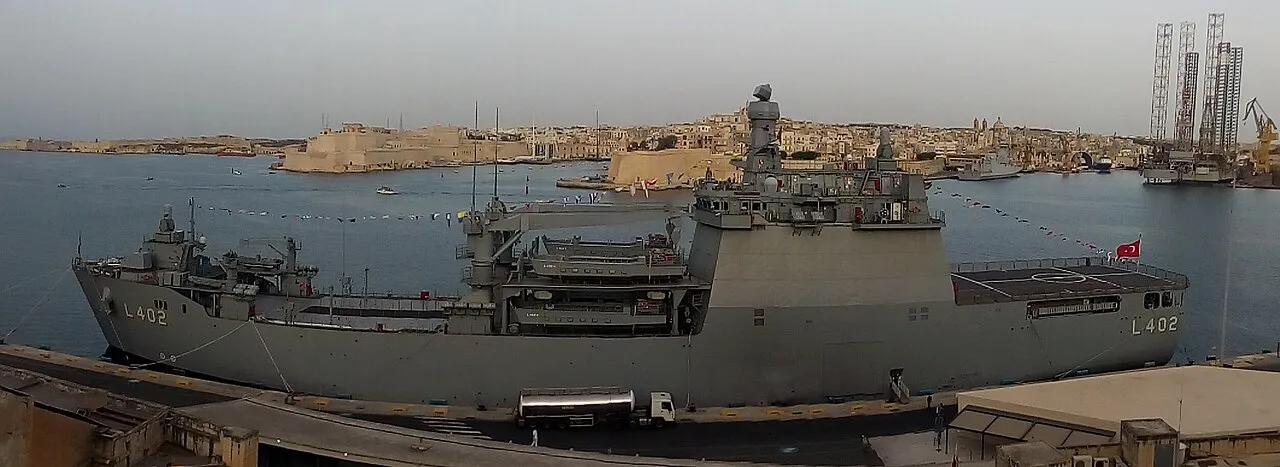
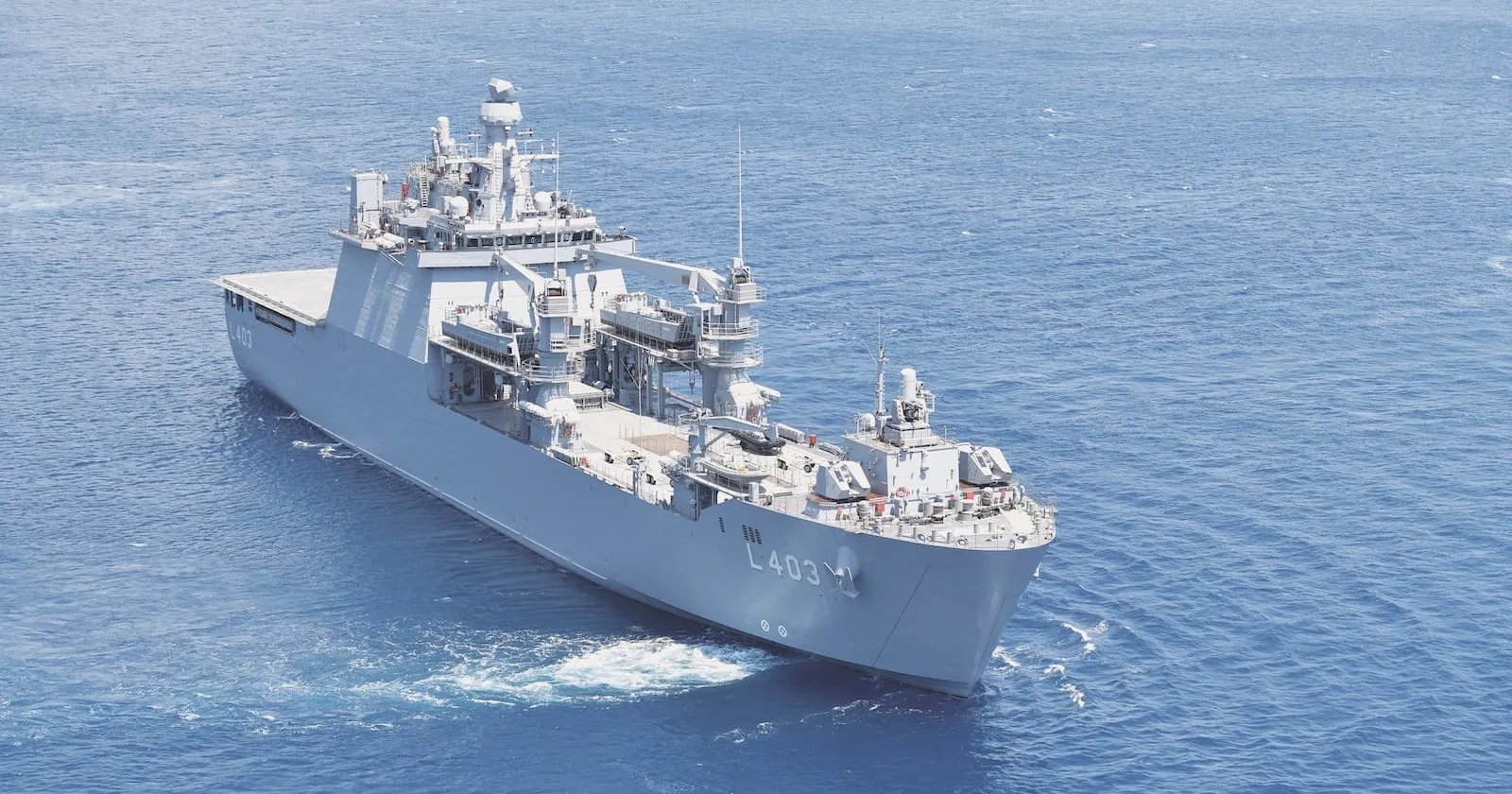
The multipurpose amphibious assault ship TCG Anadolu (L-400), built at Sedef Shipyard, is the Turkish adaptation of Navantia’s Juan Carlos I design and the largest ship in the Turkish Naval Forces’ inventory. The Bayraktar-class tank landing ships built by ADİK — TCG Bayraktar (L-402) and TCG Sancaktar (L-403) — are about 139 meters long according to data compiled by the English Wikipedia and entered service in 2017-2018. These two programs gave the member yards proven references in both well-deck amphibious ships and beach-capable landing ships; the consortium structure is described in the who owns TAIS file.
The amphibious line in the catalog
| Platform | Type | Length overall | Displacement | Speed | Personnel |
|---|---|---|---|---|---|
| LHD-230 | Amphibious assault ship | 230.8 m | 27,000 t | 20 kn | 1,354 |
| LST-140 | Tank landing ship | 138.8 m | 7,550 t | 18 kn | 499 |
| LCT-80 | Landing craft tank | 79.8 m | 1,156 t | 18 kn | 24 |
The three hulls in the table are the amphibious platforms for which the official website publishes numerical data. The catalog also lists LPD-150, LPHD-160, LST-100/120, LSM-90, LCT-53/70, LCM-26/30/40 and LCVP-16 designs; since detailed technical breakdowns for these hulls are given only sparsely on the product pages, they were left out of the table. The comparison of the LHD-230 with its foreign counterparts is made in a separate file.
LST-140: the catalog counterpart of the Bayraktar experience
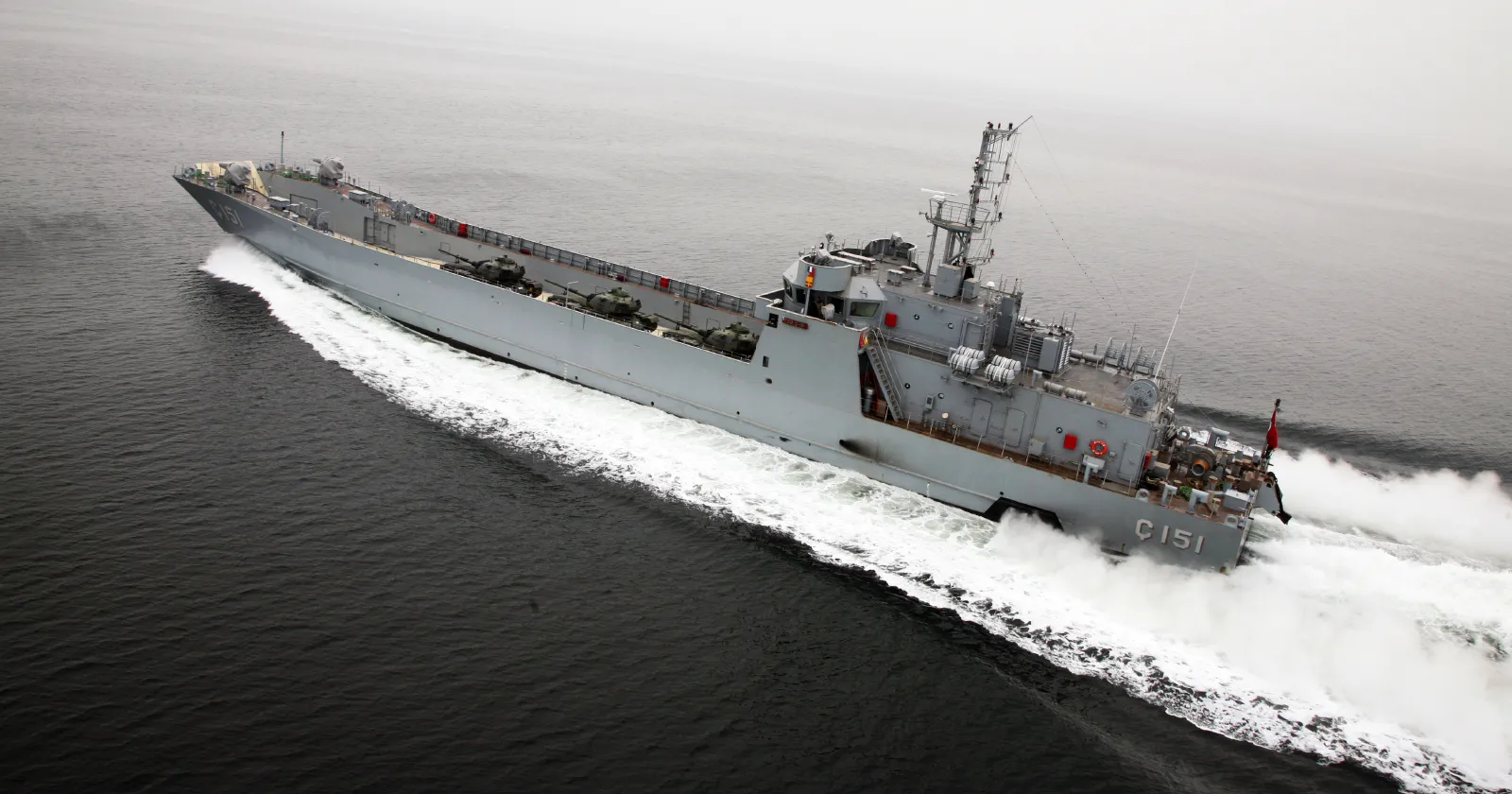
The LST-140’s 138.8-meter length matches the size band of the Bayraktar class built by ADİK. The official page gives a displacement of 7,550 tons, a speed of 18 knots and capacity for 499 personnel. With ramped designs able to move armored vehicles, personnel and cargo directly onto a beach, tank landing ships are the main tool for projecting force into areas without port infrastructure. ADİK’s production chain in this field also turned into exports through the ships delivered to Qatar; details are in the export file.
Landing craft: the LCT and LCM series
At the lower tier of the amphibious line sit the landing craft that operate from the well decks of larger ships or directly from the shore. The LCT-80, at 79.8 meters and 1,156 tons displacement, is the largest craft in the series with published numerical data; it is operated by a crew of 24. The smaller LCM and LCVP hulls take on tank and personnel transport tasks. These craft are the final link in the chain that moves the amphibious load of LHD- and LPD-class ships ashore.
The strategic meaning of the field
Amphibious capability works as a chain: the large well-deck ship carries the force to the area, the tank landing ship brings the heavy load close to shore, and the landing craft make the final transfer. That the TAIS catalog holds a product at every link of this chain allows it to offer an integrated amphibious fleet through a single contractor. That the member yards have actually built two main links of the chain — TCG Anadolu and the Bayraktar class — is the reference layer separating the catalog designs from paper hulls.
An amphibious fleet is used not only for force projection but also for evacuation, humanitarian aid and disaster response. The breadth of the TAIS catalog in this field rests on production knowledge drawn from the member yards’ completed projects. For the combatant line, see the BORA family file; for the full catalog, the projects guide.
Frequently asked questions
Did TAIS build TCG Anadolu?
The ship was built at TAIS partner Sedef Shipyard. The project rests on a Navantia-licensed design and Sedef was the contracting party; it appears on the TAIS partners’ reference list.
How many ships make up the Bayraktar class?
Two: TCG Bayraktar (L-402) and TCG Sancaktar (L-403). Both were built at ADİK and entered service in 2017-2018.
Are the LST-140 and the Bayraktar class the same design?
The size bands overlap, but the official website presents the LST-140 as an independent catalog design. Whether they are the identical design is not officially disclosed.
Have any of the catalog’s amphibious ships won orders?
No new order has been announced for the catalog designs. The reference projects (TCG Anadolu, the Bayraktar class) are completed contracts.
When will the LHD-230 be built?
The design is at the proposal stage; an order and a schedule are not officially disclosed.
Sources and verification note
Catalog data was verified against TAIS product pages, and the reference projects against independent sources. Accessed: August 13, 2026.
- TAIS, LHD-230: https://www.taisshipyards.com/en/lhd-landing-helicopter-dock
- TAIS, LST-140: https://www.taisshipyards.com/en/lst-landing-ship-tank-140
- TAIS, LCT-80: https://www.taisshipyards.com/en/lct-landing-craft-tank-80
- TAIS, product index (LPD, LPHD, LSM, LCM, LCVP): https://www.taisshipyards.com/en/products
- English Wikipedia, “Bayraktar-class tank landing ship”: https://en.wikipedia.org/wiki/Bayraktar-class_tank_landing_ship
- English Wikipedia, “Spanish ship Juan Carlos I” (TCG Anadolu context): https://en.wikipedia.org/wiki/Spanish_ship_Juan_Carlos_I
- TAIS official website, about us: https://www.taisshipyards.com/en/about-us