Vietnam’s Military Strength: Tanks, Jets and Submarines (2026)

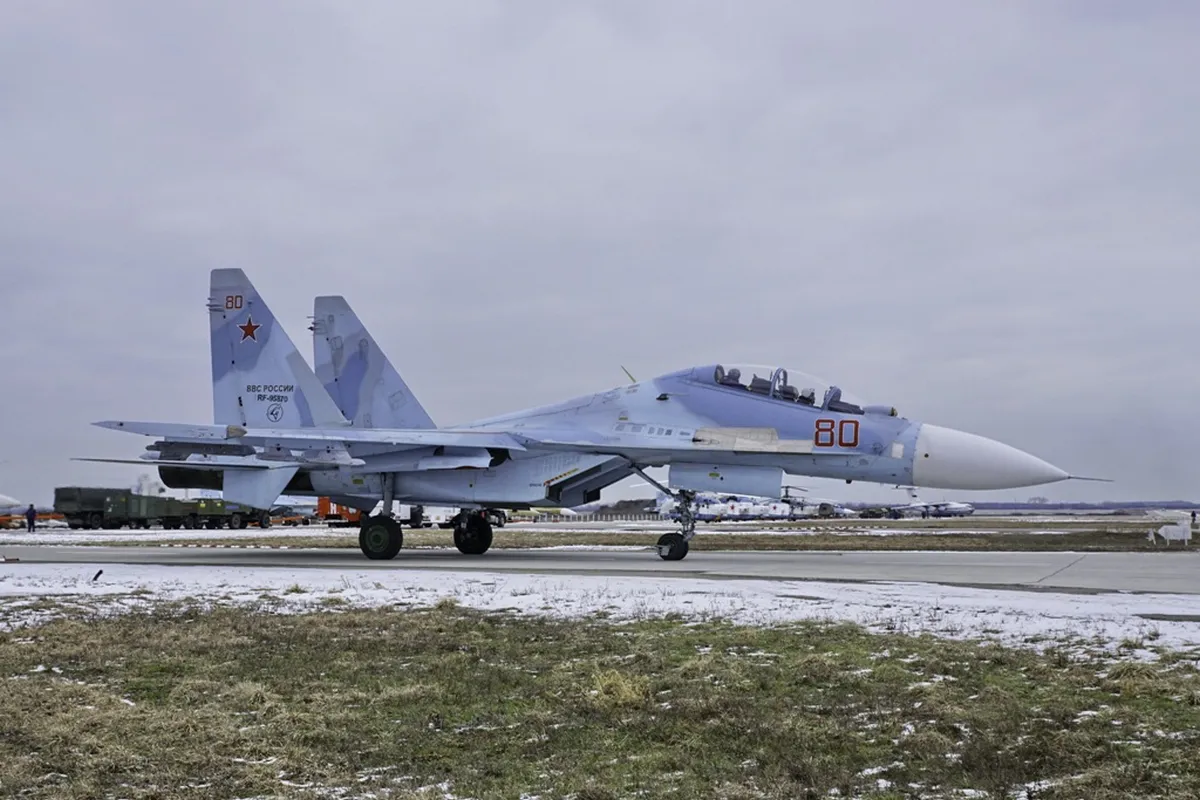
Vietnam’s military inventory reflects one of Southeast Asia’s largest land armies and an increasingly capable naval deterrent. Modernizing its predominantly Russian-origin platforms with Su-30MK2 fighters, Kilo-class submarines and Bastion-P coastal-defence systems, the country is working to diversify its supply sources to reduce dependence on Russia.
At a Glance
- Active personnel: ≈ 470.000
- Main battle tanks: ≈ 2.000
- Military aircraft (total): ≈ 250
- Key fighter: Su-30MK2, Su-27
- GFP ranking: ≈ 22
- NATO membership: Non-member
Note: The inventory figures below are approximate values drawn from open sources such as Global Firepower, the IISS Military Balance and SIPRI.
About the Vietnam Armed Forces
The Vietnam People’s Army, with around 470,000 active personnel, forms one of Southeast Asia’s most numerous armed forces. Comprising Army, Navy and a distinct Air Defence-Air Force structure, it places particular emphasis on naval and air deterrence because of sovereignty disputes in the South China Sea.
The defining feature of the inventory is decades of intensive Russian-origin procurement. However, Russia’s post-Ukraine supply difficulties and secondary-sanctions risk are pushing Vietnam to diversify; India, Israel, South Korea and Turkey feature increasingly among the alternative suppliers under consideration.
Land Forces Inventory
| System type | Est. quantity |
|---|---|
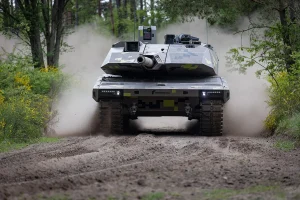
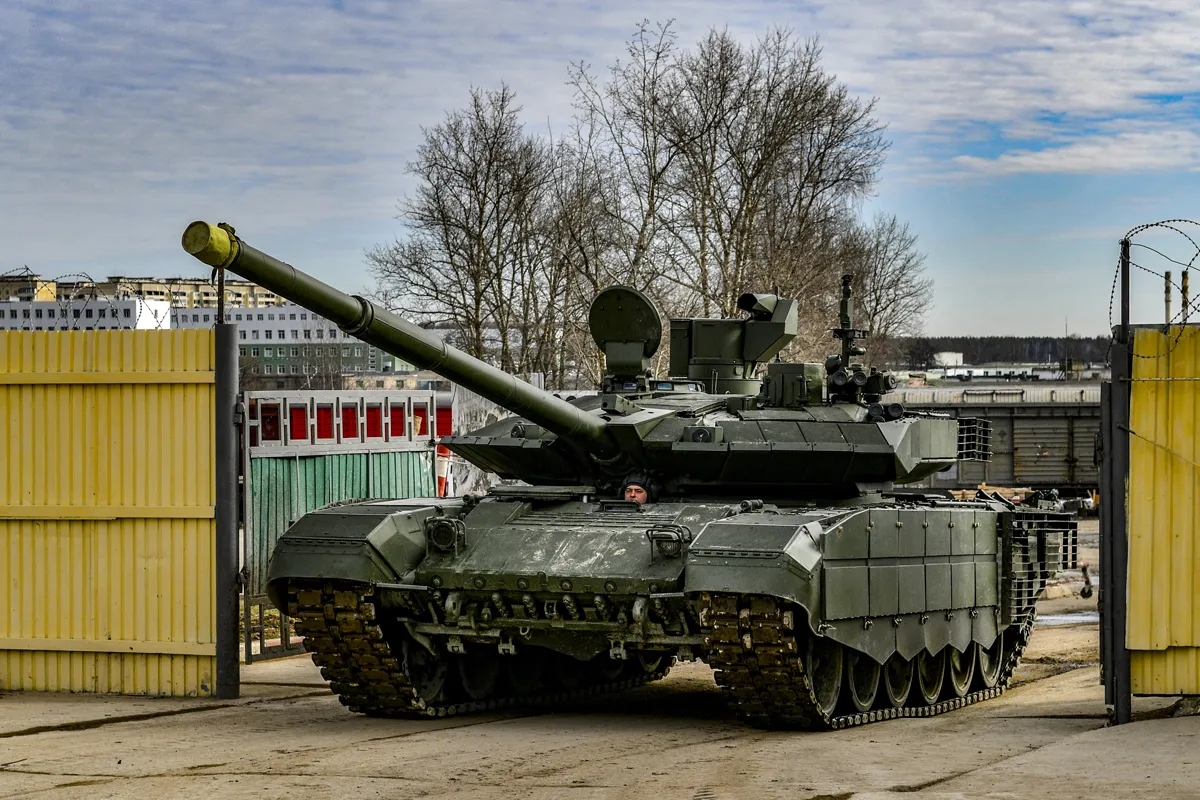
| Main battle tanks (T-90S/SK, T-62, T-54/55) | ≈ 2.000 |
| Armoured fighting vehicles (BMP-1/2, BTR-60/152) | ≈ 3.000 |
| Howitzers / towed guns (D-30, M-46, 2S1) | ≈ 2.200 |
| MLRS (BM-21 Grad, EXTRA/Accular) | ≈ 350 |
Air Force Inventory
| Platform | Est. quantity |
|---|---|
| Total military aircraft | ≈ 250 |
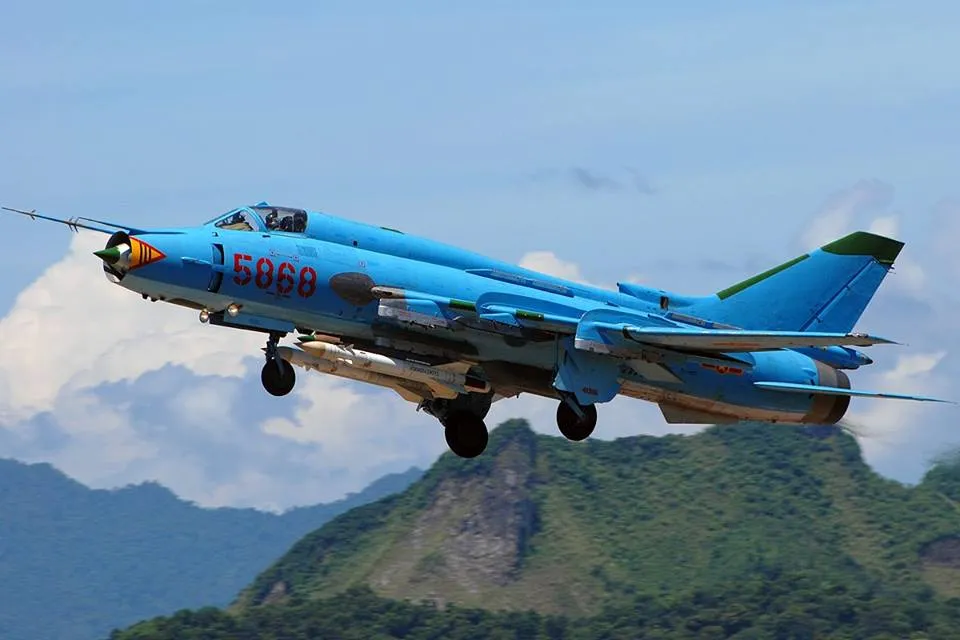
| Fighters (Su-30MK2, Su-27, Su-22M4) | ≈ 75 |
| Advanced jet trainer / light attack (Yak-130, L-39) | ≈ 40 |
| Helicopters (Mi-8/17, Mi-24, Ka-28) | ≈ 140 |
Missile and Air-Defence Systems
| System | Type / Note |
|---|---|
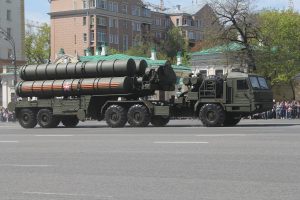
| S-300PMU-1 | Long-range air defence |
| SPYDER (Israeli-origin) | Medium/short-range air defence |
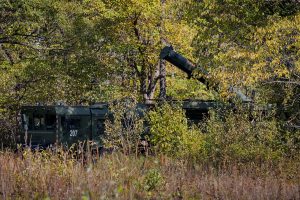
| K-300P Bastion-P (P-800 Yakhont) | Coastal-defence anti-ship missile |
| Scud-B (short-range ballistic) | Surface-to-surface ballistic missile |
Naval Power
| Class / Type | Est. quantity |
|---|---|
| Total naval platforms | ≈ 65 |
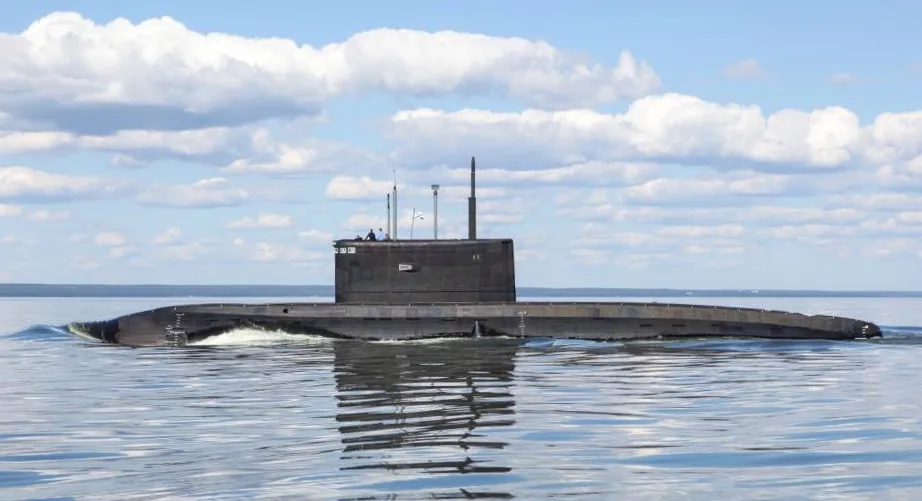
| Submarines (Kilo-class, Project 636 Varshavyanka) | 6 |
| Frigates (Gepard 3.9-class) | 4 |
| Corvettes / missile boats (Molniya/Tarantul, Pohang) | ≈ 14 |
The Turkey Angle: Turkish Defence Industry
Vietnam is one of the most notable potential markets for Turkey’s defence industry in Southeast Asia. The country’s need to reduce its historical dependence on Russia and its procurement-diversification policy open a natural window of opportunity for Turkish platforms, which carry no political export restrictions. Memoranda framing defence-industry cooperation between Turkey and Vietnam provide the institutional basis for this interest.
Cooperation potential stands out particularly in unmanned aerial vehicles, guided munitions and naval systems. The need to monitor a long coastline and exclusive economic zone in the South China Sea offers a benchmark use case for platforms such as the Bayraktar TB2 and Akinci; ASELSAN’s electro-optical and radar systems and Roketsan’s guided-rocket family are also potential components that could feature on Vietnam’s modernization agenda. At this stage the cooperation is at the market and benchmark level rather than concrete delivery.
Frequently Asked Questions
What is Vietnam’s main fighter jet? The Vietnam Air Force’s most capable fighter is the multirole Su-30MK2; the inventory also includes Su-27s and an ageing fleet of Su-22M4s.
How many submarines does Vietnam have? The Vietnam People’s Navy operates six Kilo-class (Project 636 Varshavyanka) diesel-electric submarines procured from Russia, providing a significant undersea deterrent in the South China Sea.
Why is Vietnam diversifying its arms procurement? Vietnam’s inventory is predominantly Russian-origin; however, post-Ukraine supply difficulties and sanctions risk are steering the country toward alternative sources such as India, Israel, South Korea and Turkey.
Bottom Line
Vietnam, with its large land army and strengthening naval-air deterrence, is one of Southeast Asia’s decisive military powers; its need to diversify a predominantly Russian inventory opens a tangible potential-market window for Turkey’s defence industry, which imposes no political export restrictions.