Golden Dome’s Real Bill Arrives: One Patriot Battalion Costs $1.79 Billion


Most of the public argument over Golden Dome, the homeland missile shield the United States plans to build, has been about space-based interceptors. An updated Congressional Research Service report released on 18 August 2026 points somewhere far less exotic: Patriot batteries and the IBCS command network that ties them together. The report also puts a price on that ground layer for the first time. A four-battery Patriot battalion equipped with IBCS and the new LTAMDS radar costs $1.792 billion. The Army fields 15 active battalions today, with three more on the books.
At a Glance
- What happened: The Congressional Research Service updated its report The U.S. Army and the Golden Dome Program.
- Core finding: Patriot batteries and IBCS are the “likely anchors” of the Army’s Golden Dome contribution.
- Unit cost: $1.792 billion for a four-battery Patriot battalion with IBCS and LTAMDS.
- Force structure: 15 active Patriot battalions, plus one more in each of FY2029, FY2030 and FY2031.
- Money: $17.5B for the FY2027 Golden Dome for America Fund; $12.2B for PAC-3 MSE; overall missile procurement nearly tripled to $95B.
- Total cost: $185B through 2035 per programme testimony; $1.2 trillion over 20 years per the Congressional Budget Office.
- First site: Fort Story, Virginia, designated the first operational location in August 2026.
- Why it matters: The expensive part of layered air defence is not the interceptor. It is the command network that decides which one flies.
Congress Asks Its Own Analysts What Golden Dome Actually Buys
Golden Dome, announced by the White House in January 2026, is meant to protect the American homeland against a threat set that runs from ballistic missiles through hypersonic glide vehicles to cruise missiles. For most of the year the public conversation has orbited the space layer, because interceptors in orbit are both novel and contested, and novelty draws headlines.
The Congressional Research Service takes the argument back to the ground. CRS produces non-partisan analysis for members of Congress, and its reports function as the reference text lawmakers reach for when a budget vote approaches. How CRS frames a programme is a fair preview of how that programme will be argued on the Hill.
Its finding is unglamorous and consequential. The “likely anchors” of the Army’s contribution to Golden Dome will be Patriot batteries and the Integrated Battle Command System. The bottom layer of a national shield, in other words, will be assembled from a family the Army has been fielding and improving for more than forty years rather than from anything invented for the occasion. The Pentagon has already selected a battalion-sized formation as the initial contribution.
That is a technically conservative choice with an aggressive price tag attached. Conservative, because it repurposes mature hardware. Aggressive, because the same report shows how expensive “use what we have” turns out to be once you modernise it.
The $1.792 Billion Battalion
The single most quotable number in the report is a unit price. A Patriot battalion of four batteries, fitted with IBCS and the new LTAMDS radar, costs $1.792 billion. That is the standing-up cost of one military unit, and it approaches the entire annual defence budget of a mid-sized country.
The figure needs reading carefully. It is not a missile bill. It covers radars, engagement control stations, launchers, generators, communications infrastructure and the command-and-control layer that binds them. In modern air defence the cost driver is rarely the round that leaves the tube. It is the chain that gets that round to the right target at the right second.
This distinction sits at the centre of the Golden Dome debate. To hit something you first have to see it, classify what you saw, assign it to the right shooter, and do all of that within seconds. CRS calls IBCS the “centerpiece” of integrated air and missile defence capability for exactly that reason. The heart of the system is not a missile. It is a software and networking architecture.
The defence-economics conclusion follows directly. The budget of a national-scale shield is set less by how many interceptors are bought than by how many nodes are wired together. Growing the network costs more than stocking the magazine.
From 15 Battalions to 18, and the Strain in Between
CRS records that the Army operates 15 active-component Patriot battalions. The plan adds one more in each of fiscal years 2029, 2030 and 2031, bringing the total to 18. On paper that is a twenty percent expansion. In practice it closes a gap the service has carried for a long time.
The complication is that those 15 battalions are already spread across the globe. Deployments running from the Korean peninsula to the Gulf, and from Europe to the Pacific, have kept Army air-defence units at a high operational tempo for years. The Government Accountability Office and several congressional committees have repeatedly flagged the resulting personnel turnover and training burden.
Golden Dome adds a new claimant: homeland defence. Patriot battalions were built to protect deployed forces and allied territory. Reserving part of that inventory for the continental United States puts overseas commitments into direct competition with domestic requirements.
Because the three new battalions do not arrive before 2029, that competition is not resolved in the near term. Every battery assigned to the homeland in Golden Dome’s early years comes out of a gap somewhere else. The report says so between the lines.
IBCS: the Architecture Nobody Photographs
Developed by Northrop Grumman, IBCS replaces the separate legacy command-and-control equipment in Patriot and Terminal High Altitude Area Defense units. Its job is to pull sensors and shooters from different manufacturers onto a single fire-control network, so that whichever radar sees a target, whichever launcher is best placed can engage it.
CRS puts it in the language of doctrine: IBCS “expands battlespace for longer range intercepts and defense depth.” In practice that means a Patriot battery can fire at something its own radar cannot see, using track data handed over by another platform. Range that is lost when sensor and shooter are hard-wired to each other is recovered once they are networked.
The significance of this shift outruns the performance of any individual system. Classic air defence keeps every system in its own closed world, with radar, command vehicle and launcher locked together. A networked architecture breaks systems into components and pools them. The gain is defending more area with the same hardware. The bill is the integration itself.
Envanter Medya covered the technical side of IBCS merging Patriot and THAAD onto one fire-control network earlier this week. What the CRS report adds is what that transformation costs once it is written into a budget line.
LTAMDS: Patriot Gets New Eyes
The third component in the report is LTAMDS, the Lower Tier Air and Missile Defense Sensor. Built by Raytheon, it replaces Patriot’s decades-old radars, promising longer detection range and better target classification, with advanced and hypersonic threats explicitly in view.
The emphasis on classification is not incidental. The most expensive mistake in modern air defence is spending a costly interceptor on a cheap threat. If a radar can distinguish early and accurately between an inexpensive one-way attack drone and a ballistic re-entry vehicle, a commander can reach for the right layer. Misclassification burns magazine depth and weakens the defence against whatever comes next.
LTAMDS also scans differently. Legacy Patriot radars sweep a fixed sector, while the new sensor architecture offers all-round coverage. That widens the area a single battery can hold, which in turn raises the possibility of achieving the same defensive effect with fewer units. The fact that this radar is bundled into the $1.79 billion battalion price means the figure should be read as a modernisation package rather than a like-for-like replacement cost.
Fort Story and What a First Site Signals
The timeline is in the report as well. Golden Dome’s first public showing took place on 23 April 2026 at Joint Expeditionary Base Little Creek-Fort Story in Virginia. In August 2026 the Pentagon designated the same installation as the programme’s first operational site.
The choice makes geographic sense. Fort Story sits beside Hampton Roads, one of the densest concentrations of military and industrial value on the American East Coast, home to Naval Station Norfolk, major shipyards and critical logistics infrastructure. The first operational site is being stood up where there is most to protect.
The institutional structure firmed up earlier. Joint Task Force-Gold was established in January 2026 under Lieutenant General Sean Gainey, with Army Space and Missile Defense Command serving as operational lead in support of US Northern Command. Gainey’s background explains the appointment: as the officer who ran the Pentagon’s counter-drone task force, he has spent years coordinating systems belonging to different services under one roof.
Where the Money Comes From, and Why That Is the Real Fight
The part of the report most likely to generate argument on the Hill concerns funding mechanics. The FY2027 request seeks $17.5 billion for the Golden Dome for America Fund, of which $434 million goes to Army operations, maintenance and research accounts. PAC-3 MSE interceptor procurement asks for a further $12.2 billion, and overall missile procurement nearly triples to $95 billion.
The question is which account the money sits in. According to CRS, 89 percent of the PAC-3 MSE request and 98 percent of the Golden Dome fund would draw on mandatory funding accounts outside the regular appropriations process. That technical-sounding detail carries real political weight, because mandatory accounts are not exposed to the annual appropriations negotiation and its oversight cycle in the same way.
Two arguments are usually made for that choice: multi-year programmes gain predictability, and the industrial base receives a stable demand signal. The counter-argument is oversight. The annual appropriations process is the lever Congress uses to slow, accelerate or halt a programme. Moving the money outside that process weakens the lever.
By foregrounding those percentages, CRS is signalling the questions lawmakers are already preparing to ask.
$185 Billion or $1.2 Trillion?
Two very different totals are circulating for Golden Dome, and the gap between them is not a matter of interpretation. Programme testimony from Lieutenant General Guetlein puts the cost at $185 billion through the 2035 delivery target. The Congressional Budget Office estimates $1.2 trillion across a 20-year lifecycle.
The roughly sevenfold difference exists because the two institutions are measuring different things. The $185 billion figure is essentially the cost of building the system: development, procurement, fielding. CBO’s $1.2 trillion adds twenty years of running it — training crews, producing spares, updating software and replenishing interceptor stocks.
That spread is standard in defence programmes, but at Golden Dome’s scale the consequences compound. A layered architecture has to be fed continuously once it exists: software follows the threat, magazines are refilled, the sensor network grows. The real invoice arrives in sustainment, not construction.
This is the familiar economics of air defence transposed to national scale. The defender must invest in advance against every threat the attacker might send, while the attacker chooses the timing and the quantity.
Golden Dome’s Ground Layer: Key Figures
| Item | Figure |
|---|---|
| Report | CRS — The U.S. Army and the Golden Dome Program (updated 18 August 2026) |
| Army anchors | Patriot batteries + IBCS |
| Battalion cost | $1.792 billion (4 batteries + IBCS + LTAMDS) |
| Current force | 15 active-component Patriot battalions |
| Planned additions | 3 battalions (FY2029, FY2030, FY2031) |
| FY2027 Golden Dome fund | $17.5 billion (Army share: $434 million) |
| PAC-3 MSE procurement | $12.2 billion |
| Missile procurement (FY2027) | ~$95 billion (nearly tripled) |
| Mandatory funding share | PAC-3 MSE 89% — Golden Dome fund 98% |
| Total cost estimates | $185 billion (through 2035) / $1.2 trillion (CBO, 20 years) |
| IBCS developer | Northrop Grumman |
| LTAMDS developer | Raytheon |
| First operational site | JEB Little Creek-Fort Story, Virginia (August 2026) |
| Command structure | Joint Task Force-Gold (January 2026), Lt Gen Sean Gainey |
| Operational lead | Army Space and Missile Defense Command, supporting USNORTHCOM |
| Delivery target | 2035 |
Patriot: a Forty-Year-Old System Takes a New Job
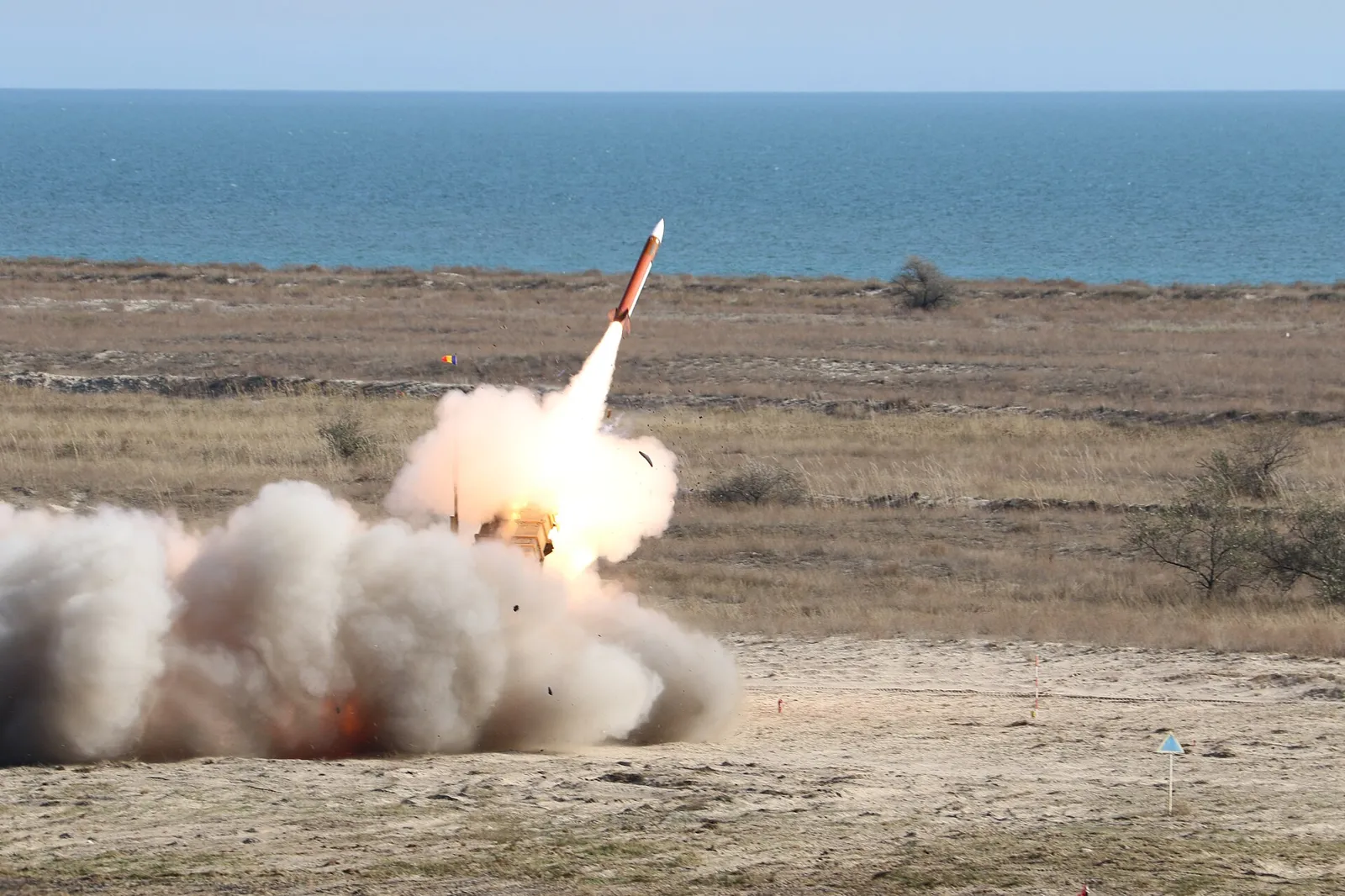
The system carrying Golden Dome’s lower layer, the MIM-104 Patriot, entered US Army service in the early 1980s as an anti-aircraft system. Ballistic missile defence was grafted on later, and the system became globally famous when it engaged Scud missiles during the 1991 Gulf War — a performance that was heavily debated afterwards and that shaped the programme’s development ever since.
Today’s Patriot shares little but the name with that first version. PAC-2 GEM-T rounds work mainly against aircraft and cruise missiles using a blast-fragmentation warhead, while PAC-3 and PAC-3 MSE destroy ballistic targets by hit-to-kill impact. The MSE variant widened the range and altitude envelope with a larger motor, and the $12.2 billion procurement request in the CRS report belongs to that missile.
Patriot is in service with a long list of operators beyond the United States, including Germany, the Netherlands, Japan, South Korea, Saudi Arabia, Qatar, the United Arab Emirates, Israel, Greece, Spain, Poland, Romania, Sweden, Taiwan and Ukraine. Allied Patriot batteries have also been deployed to Türkiye at various points under NATO arrangements.
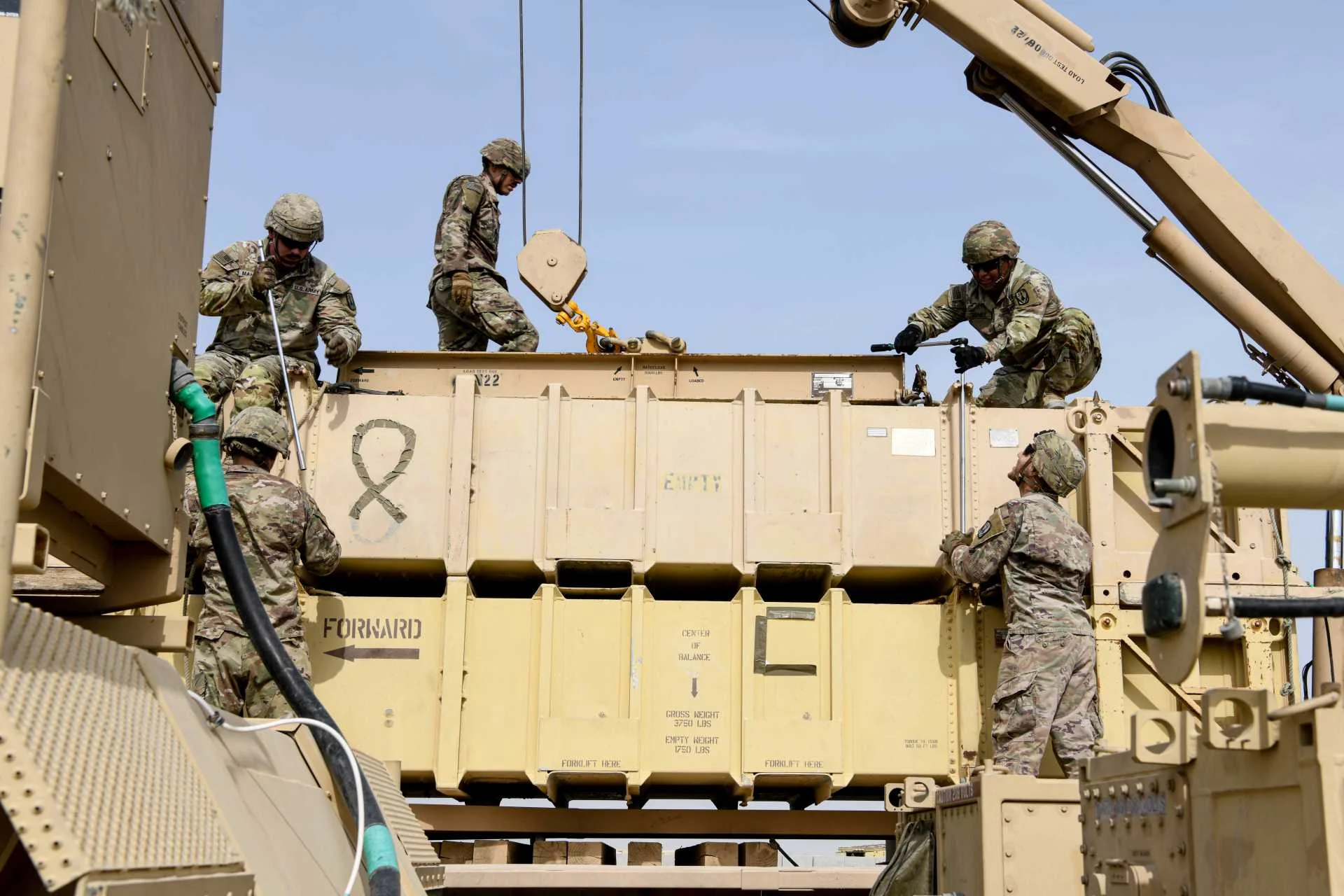
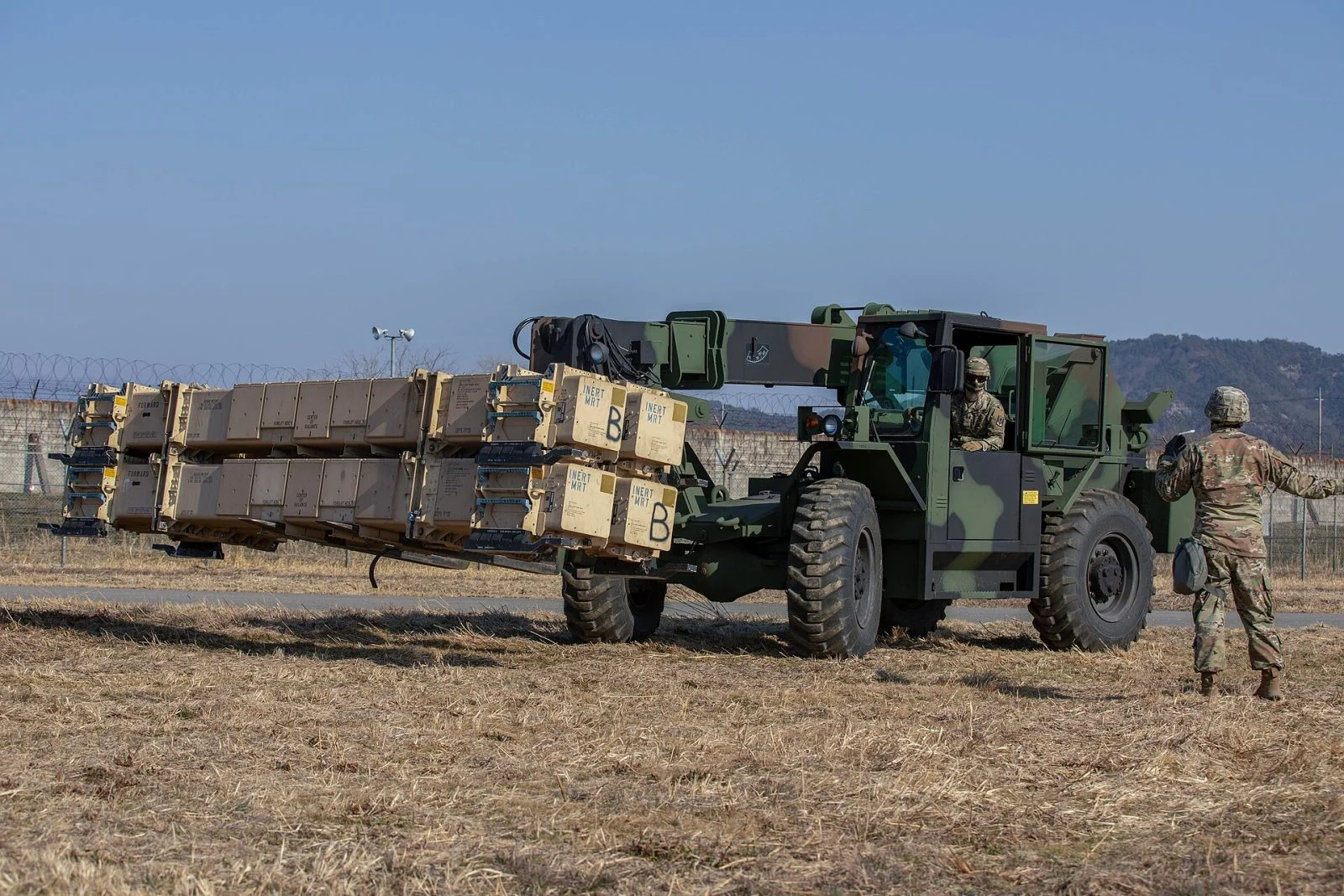
A battery classically comprises a radar set, an engagement control station, an electric power plant, an antenna mast group and typically eight launchers, each able to carry up to twelve PAC-3 MSE cells. That four such batteries form a battalion, and that the battalion reaches $1.79 billion once IBCS and LTAMDS are added, shows the unit is now priced less as a missile battery than as a network node.
What the Report Does Not Answer
The CRS report is not an advocacy document, and it closes by listing what the Pentagon has yet to disclose: how many units will be required, where they will be deployed, what the final architecture specification will look like, which units will go to Fort Story, and how many additional operational sites the country will need.
Those gaps matter more when set beside a $17.5 billion annual request and a $1.2 trillion lifecycle estimate. Estimating a programme’s total cost requires knowing how many units will be built. If that number is undecided, the figures on the table rest on wide assumption bands.
That is where Golden Dome will actually be tested. Whether a national-scale shield is technically feasible is largely answered at component level: Patriot works, IBCS is in test, LTAMDS is entering production. The open question is how many of those components get built, where they go, and against which budget. That is precisely what Congress will spend the coming months on.
The View From Ankara
For a reader in Türkiye, the most useful part of the report is not the arithmetic but the logic behind it. In describing the Army’s contribution, CRS places a command-and-control architecture rather than a missile at the centre of the system, calls IBCS the “centerpiece,” and shows that much of the cost comes from that integration layer. The argument that layered air defence is decided by the network binding sensors to shooters, not by individual range records, is now stated plainly in official US budget documents.
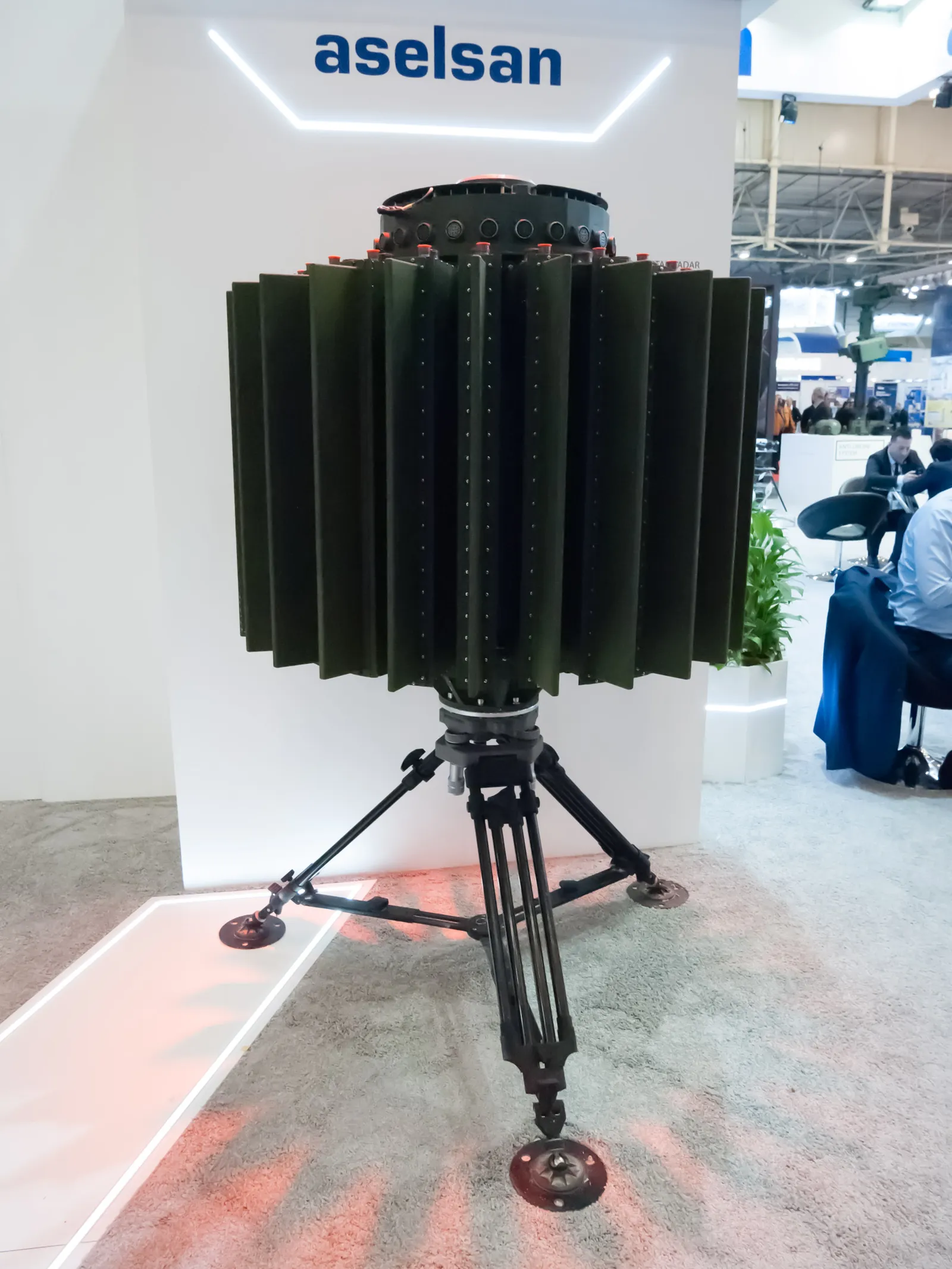
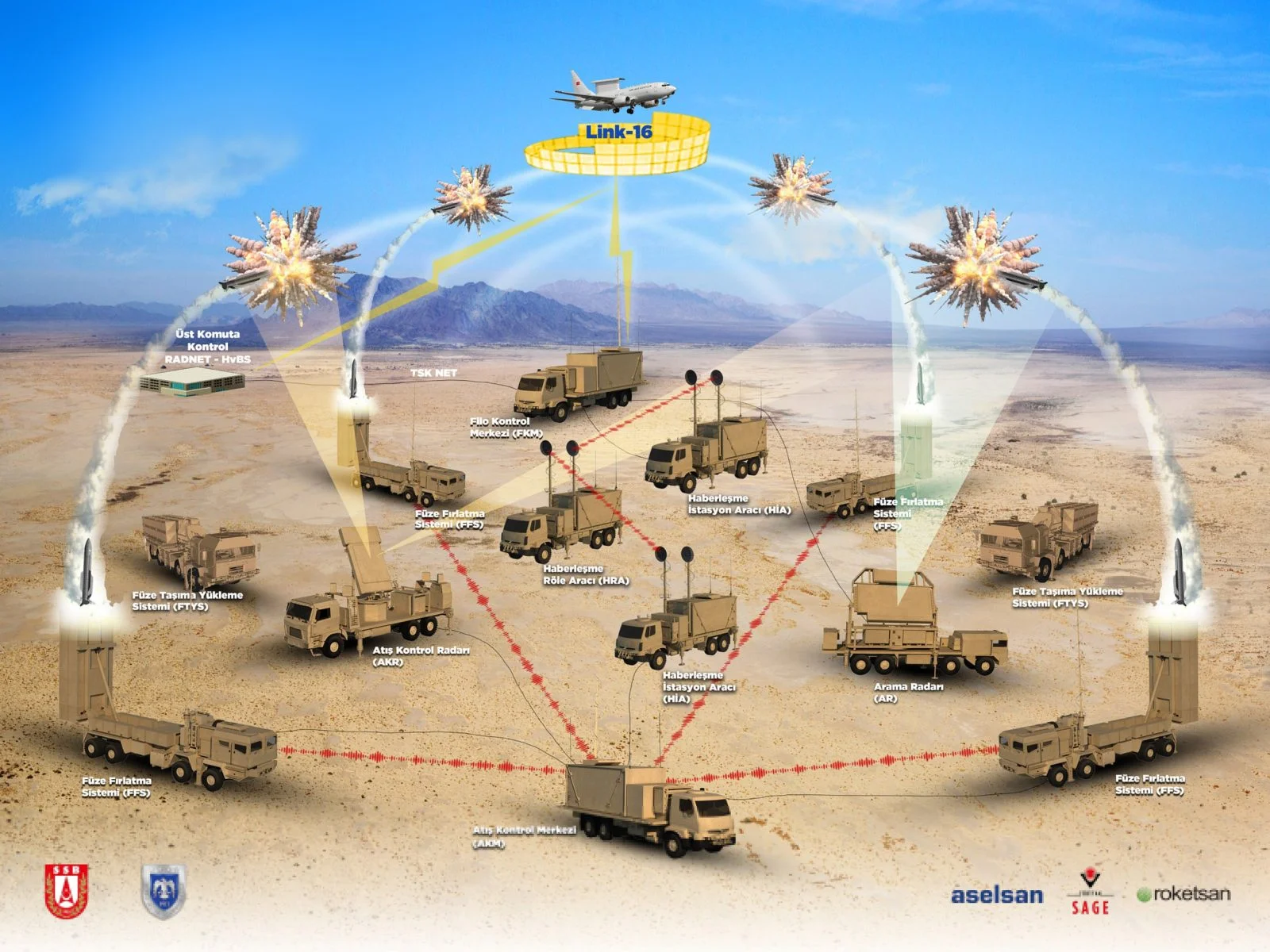
Türkiye’s ÇELİK KUBBE (Steel Dome) rests on the same premise. It was defined not as a single weapon system but as an architecture led by ASELSAN that merges layers of differing reach — KORKUT and GÜRZ at short range, HİSAR-A+ and HİSAR-O+ in the middle tier, SİPER at long range — into a shared command-and-control and sensor network. Türkiye, in other words, treated the integration layer as the starting point of the architecture rather than as a modernisation package added later.
That is not by itself a claim of superiority; the scales and budgets are not comparable. The geography the United States is obliged to defend, its threat set and its alliance commitments are of an entirely different order, which makes a direct read-across from the $1.79 billion battalion figure misleading. What is worth noting is the methodological convergence: both have arrived at the same conclusion, that the principal investment in air defence is the network itself.
Three practical consequences follow. Architectures that decompose systems into components and pool them defend more area with the same hardware, which lowers unit cost. A domestically owned command-and-control layer means that as the network grows, integration spending flows inward rather than abroad. And accuracy in target classification — not spending an expensive interceptor on a cheap drone — governs magazine economics directly, an equation that favours architectures capable of operating several range and cost tiers at once.
The lesson Golden Dome delivers over the next decade will probably be financial rather than technological: the point at which a national-scale shield stops being sustainable. That answer will travel to every country investing in layered air defence.
Sources
- Congressional Research Service — The U.S. Army and the Golden Dome Program (updated 18 August 2026)
- Defence Industry Europe — “U.S. congressional report says Patriot and IBCS emerge as key Army assets in Golden Dome missile defense architecture”, 26 August 2026
- Congressional Budget Office — Golden Dome 20-year lifecycle cost estimate
- Northrop Grumman — Integrated Battle Command System (IBCS) official product information
- Raytheon — Lower Tier Air and Missile Defense Sensor (LTAMDS) official product information
- ASELSAN — ÇELİK KUBBE air defence architecture official material