Gorgun tours aerospace zone firms to check where investment credits landed

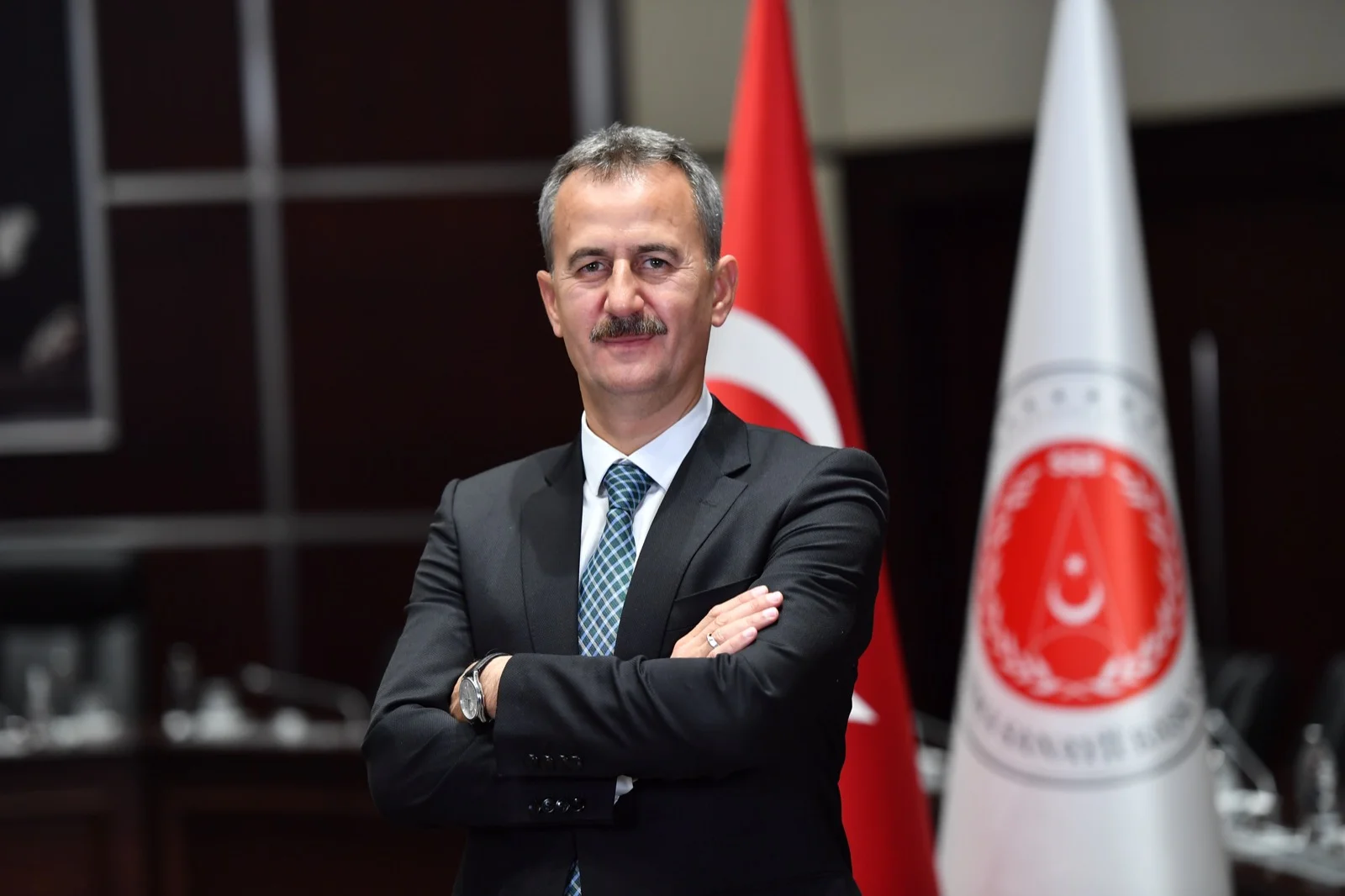
Haluk Gorgun, head of Turkey’s Presidency of Defence Industries (SSB), visited companies operating in the Space and Aviation Specialised Organised Industrial Zone (HAB OSB). According to a statement from the SSB, the visit examined on site how machinery, equipment and facility construction credits provided under the agency’s investment support scheme had fed through into the firms’ production capacity.
The statement said Gorgun was briefed on the engineering and technology capabilities the companies had developed and on the roles they hold in international programmes. The SSB added that work on supporting investment and building technological competence and production capacity is continuing.
What the credit line is for
Machinery and facility credits are a decisive item for the subsystem suppliers sitting beneath prime contractors in the defence and aerospace chain. Many of these firms have to invest in machine tools only after an order is confirmed, and the working-capital gap between order and delivery often sets the production timetable — particularly for small and mid-sized suppliers.
Five-axis machining centres, heat treatment lines, coating facilities and metrology equipment each carry heavy capital costs. Tracking on site whether credit support has actually converted into capacity is therefore part of keeping programme schedules realistic rather than aspirational.
Clustering in a specialised zone
HAB OSB, located in Ankara, was set up as Turkey’s organised industrial zone specialising in space and aviation. Concentrating suppliers in one location allows shared use of test and verification infrastructure and cuts logistics costs. The same logic appeared earlier this month at Teknopark Istanbul’s 2027-2031 strategic plan workshop, which Gorgun attended: focusing on critical technologies and building shared test infrastructure were among the main agenda items there too.
The reference in the SSB statement to roles in international programmes points to where the sector has been heading. Turkish defence and aerospace firms increasingly generate volume by supplying parts and subsystems into foreign primes’ supply chains alongside direct exports. Qualification for that kind of work requires production infrastructure that meets specific standards — which is what investment credits are meant to pay for.
The current picture
Figures Gorgun released on 3 September put defence and aerospace exports at 511.4 million dollars in August and 6.3 billion dollars over the first eight months of the year, with the rolling 12-month total at 10.9 billion dollars. In August he also said the sector’s domestic content ratio had reached 83 percent.
Sustaining that volume depends on the supplier tier below the primes adding capacity at a comparable pace. Checking where the investment credits landed is aimed at that link in the chain.
Sources: Presidency of Defence Industries, Hibya News Agency