DARPA Wants ‘Unconstrained, Radical’ Ideas for Its Next Hypersonic Cruise Missile

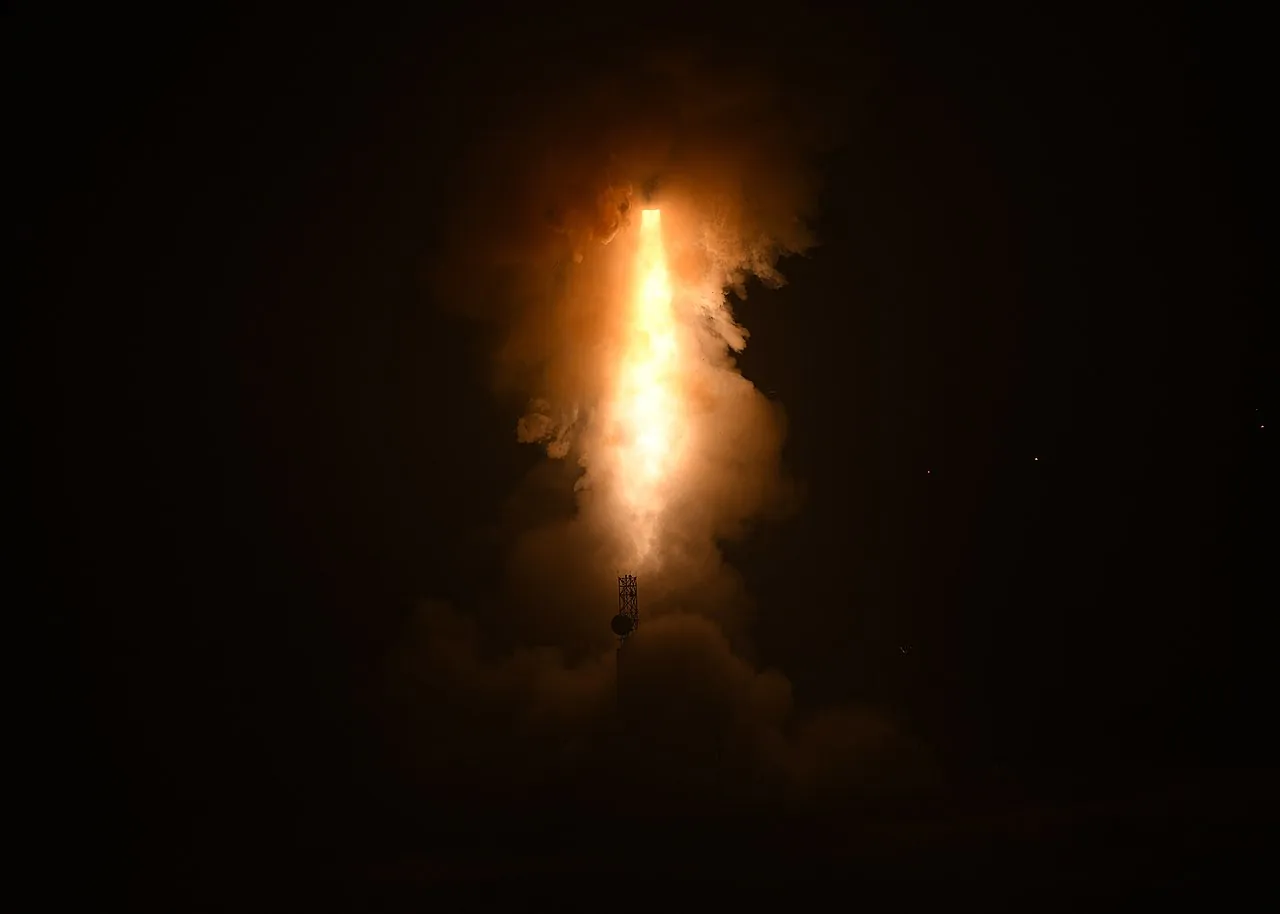
DARPA issued a request for information on 7 August seeking concepts for a next-generation hypersonic cruise missile able to strike through advanced air defenses. The agency wants a “revolutionary leap” in range, speed and altitude — but the telling part of the solicitation is the demand that the weapon be affordable and producible at high rate.
At a Glance
- RFI released 7 August 2026; responses due 6 October
- Industry day set for September 2026; non-traditional firms explicitly encouraged
- Goal: an air-breathing hypersonic weapon that can strike inside contested airspace
- Three focus areas: architectural concepts, high-risk subsystems, and test and evaluation
- Carriage options span bomber external carriage, internal weapons bays, ground launch and palletized munitions
- Design for Manufacturing and Assembly sits at the centre of the requirement
The solicitation says a great deal about where the hypersonic debate now sits. The question is no longer whether such a weapon can be built — decades of test work have answered that. The question is whether it can be built in numbers that matter in a war.
That is why the RFI reads as unusually production-minded. DARPA foregrounds a Design for Manufacturing and Assembly philosophy, making affordable high-rate production a requirement from the outset rather than an afterthought. It is the exact weakness of the hypersonic programs that came before: systems that work but cost too much per round to field in quantity.
What the agency is asking for
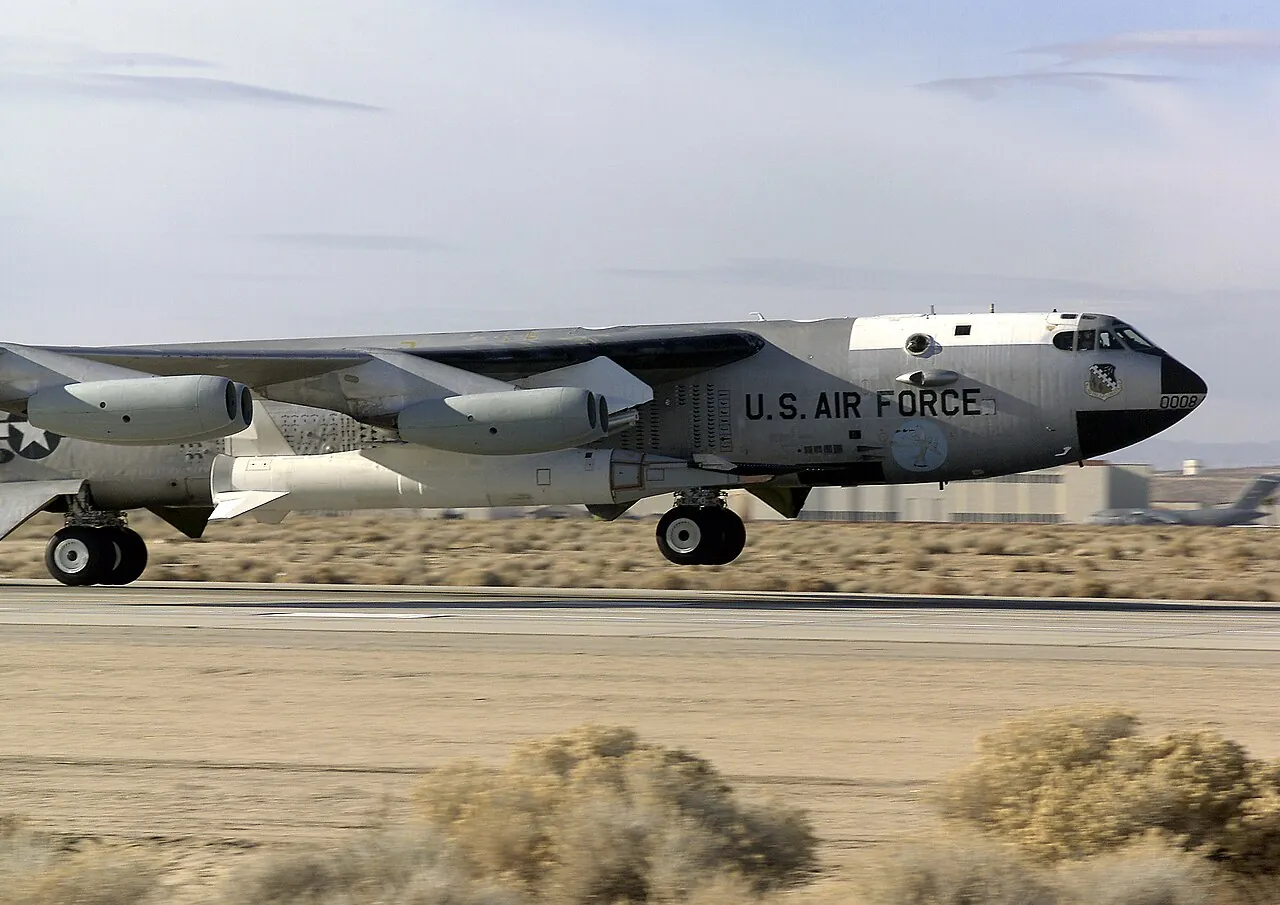
The call gathers ideas in three areas. The first is architecture — where the missile is launched from. DARPA lists external carriage on bombers, internal weapons bay storage, ground launch and palletized munitions dropped from cargo aircraft. That breadth signals a design not tied to a single platform.
The second is what the agency itself calls “unconstrained, radical” subsystem concepts: high energy density fuels, new propulsion approaches and materials that survive the thermal load of sustained hypersonic flight. The third is the area that usually sets the schedule and rarely gets attention — test and evaluation, where DARPA wants autonomous telemetry and advanced data assimilation to compress development timelines.
| Focus area | What is sought |
|---|---|
| Architectural concepts | Bomber external carriage, internal bay, ground launch, palletized munitions |
| High-risk technologies | High energy density fuels, propulsion, high-temperature materials |
| Test and evaluation | Autonomous telemetry, advanced data assimilation, faster test cycles |
| Production | Design for Manufacturing and Assembly, high-rate manufacture |
| Timeline | Industry day September 2026, responses due 6 October 2026 |
Air-breathing versus boost-glide
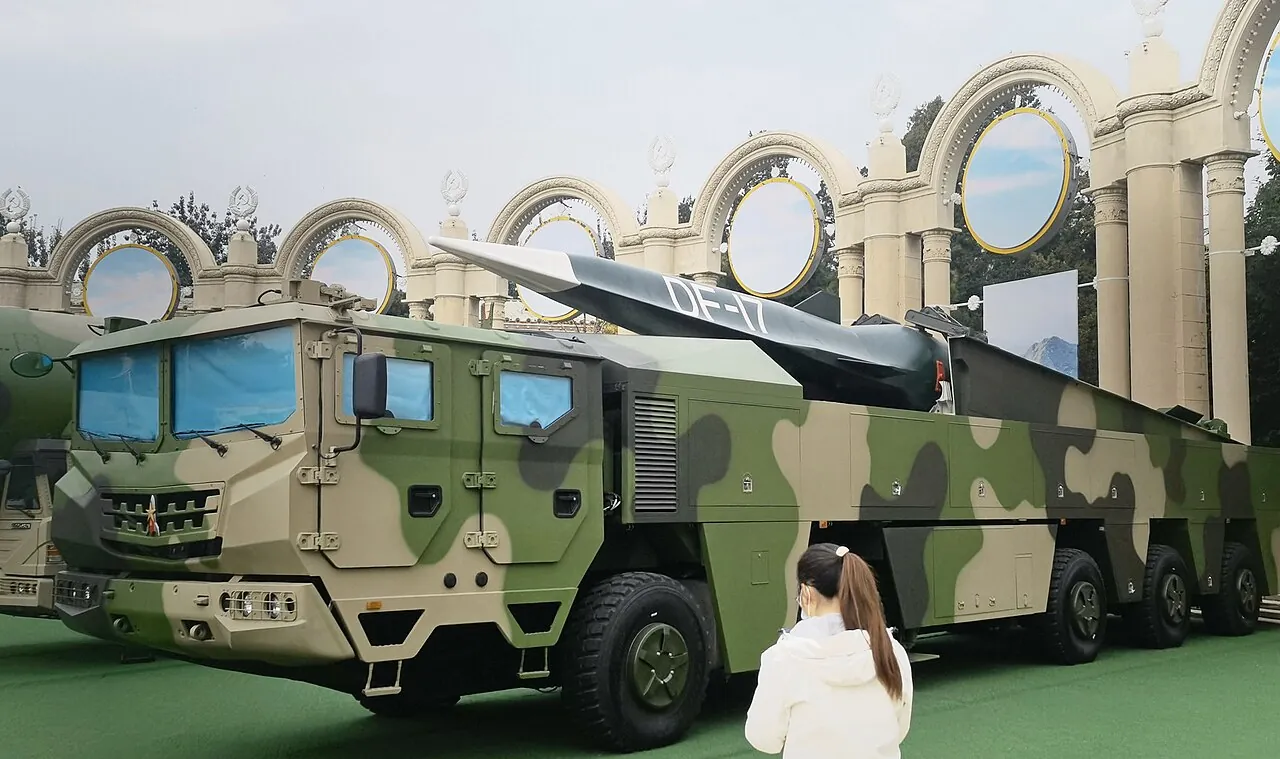
Two families get lumped together under the hypersonic label. Boost-glide vehicles ride a rocket above the atmosphere and then glide down toward the target from high altitude. Air-breathing cruise missiles use a scramjet-class engine to fly inside the atmosphere, much lower, with the motor running the whole way.
The second approach buys size and flexibility. Without a booster stage the weapon packages smaller, which in turn makes it launchable from more platforms. DARPA’s HAWC program proved the concept late last decade and fed directly into the Air Force’s HACM effort. This new call is not asking to repeat HAWC — it is asking what comes after it.
The same arithmetic applies to everyone else moving into this field. Roketsan’s work scaling the TAYFUN family toward longer ranges and hypersonic regimes runs into the identical test: how many rounds reach the inventory matters more than the Mach number reached on a range.

What happens next
Responses are due 6 October, with an industry day in September. DARPA is explicitly courting companies outside the traditional defense base — a formula that has worked in space and uncrewed systems over the past decade. An RFI does not have to become a contract, but when DARPA opens one at this scale it usually marks the shape of a program a few years out.
Sources
- Breaking Defense — “DARPA seeks ‘unconstrained, radical’ concepts for next-gen hypersonic cruise missile” (August 2026)
- DARPA — request for information on a next-generation hypersonic cruise missile (7 August 2026)
- Public documentation on the DARPA HAWC program and the US Air Force HACM effort