Patriot and THAAD Now Fire From the Same Network: The Quiet Revolution in US Air Defense

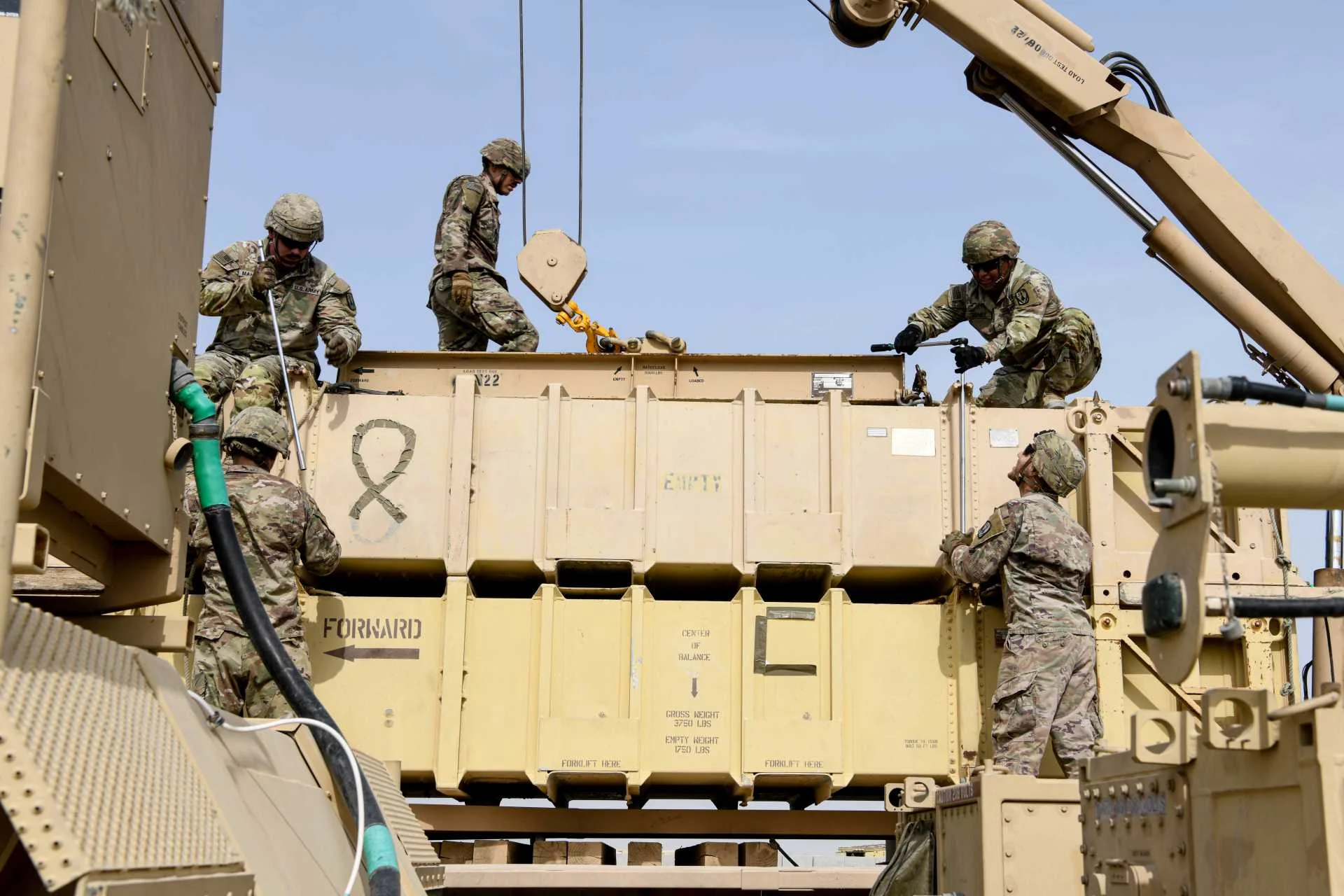
Air defense’s hardest problem over the past two decades has not been missile range. It has been that the systems could not talk to each other. Northrop Grumman says its Integrated Battle Command System — IBCS — now stands in for the separate command-and-control stacks that Patriot and THAAD each carried, pulling them and a new generation of radars onto a single fire-control network. The system has logged 34 consecutive successful flight tests and 44 intercepts, and Poland has become the first ally to take it to full operational capability across both of its air defense layers.
At a Glance
- What happened: Northrop Grumman says IBCS replaces the standalone command infrastructure of Patriot and THAAD and unifies sensors and shooters on one network.
- How it works: An “any sensor, best shooter” architecture that fuses feeds from multiple radars into a single picture at fire-control quality.
- Track record: 34 consecutive successful flight tests and 44 intercepts. The most recent came in late April 2026 at White Sands Missile Range.
- Where it is fielded: The continental United States, US European Command and US Indo-Pacific Command; production runs at Madison, Alabama.
- First ally: Poland, under the WISŁA programme, is the first US ally to declare IBCS fully operational.
- Why it matters: The centre of gravity in air defense is shifting from the interceptor to the command layer — and that layer is becoming a software product.
The story is not the missile. It is the gap between missiles.
Air defense is usually explained with two numbers: range and altitude. Neither is what actually decides how a battery performs. What decides it is how long the institutional distance is between the radar that first sees a target and the launcher that can kill it. In the classic architecture, every system arrives with its own radar, its own command vehicle, its own software and its own trained crew. A Patriot battery may see a target it cannot reach; a THAAD battery a few kilometres away may be able to reach it but cannot fire, because the track did not come from its own radar.
Northrop Grumman’s Integrated Battle Command System is aimed squarely at that gap. According to the company, IBCS now takes the place of the independent command-and-control layers that Patriot and THAAD each carried. Both become nodes on the same network. In practice, a Patriot radar can cue a THAAD launcher.
That sounds like a software footnote. It is not. In air defense, seconds are lost in the decision chain, not in the flight profile. When a cruise missile appears from behind a ridgeline at 200 metres, the time available is measured in seconds — not long enough for two batteries to coordinate over voice.
The doctrine IBCS embodies is known in the literature as “any sensor, best shooter.” The network fuses every available track into one air picture, then decides which weapon can engage the target most accurately, most cheaply and with the least risk.
Fire-control quality: the difference between seeing and shooting
Radar data comes in two grades. Track quality tells you that something is there, roughly where it is and where it is heading. Fire-control quality is the far tighter position, velocity and trajectory data a missile needs to actually find the target. The difference is the difference between “there is an aircraft out there” and “send the round to this point and it will hit.”
Most networks fuse multi-sensor data to track quality and then hand the engagement back to the battery’s own radar. The IBCS claim is that it fuses across dissimilar sensors at fire-control quality. Northrop Grumman describes two practical consequences: magazine depth is preserved, and the risk of engaging friendly aircraft falls. Neither is a statistic in combat.
Kenn Todorov, the company’s vice president and general manager for command and control and weapons integration, framed the latest test as evidence that the system “consistently” enables coordination and decision-making across varied integrated systems. The operative word is consistently. In air defense, an architecture that works once is a demonstration; an architecture that works every time is a programme.
34 tests, 44 intercepts — why the record matters
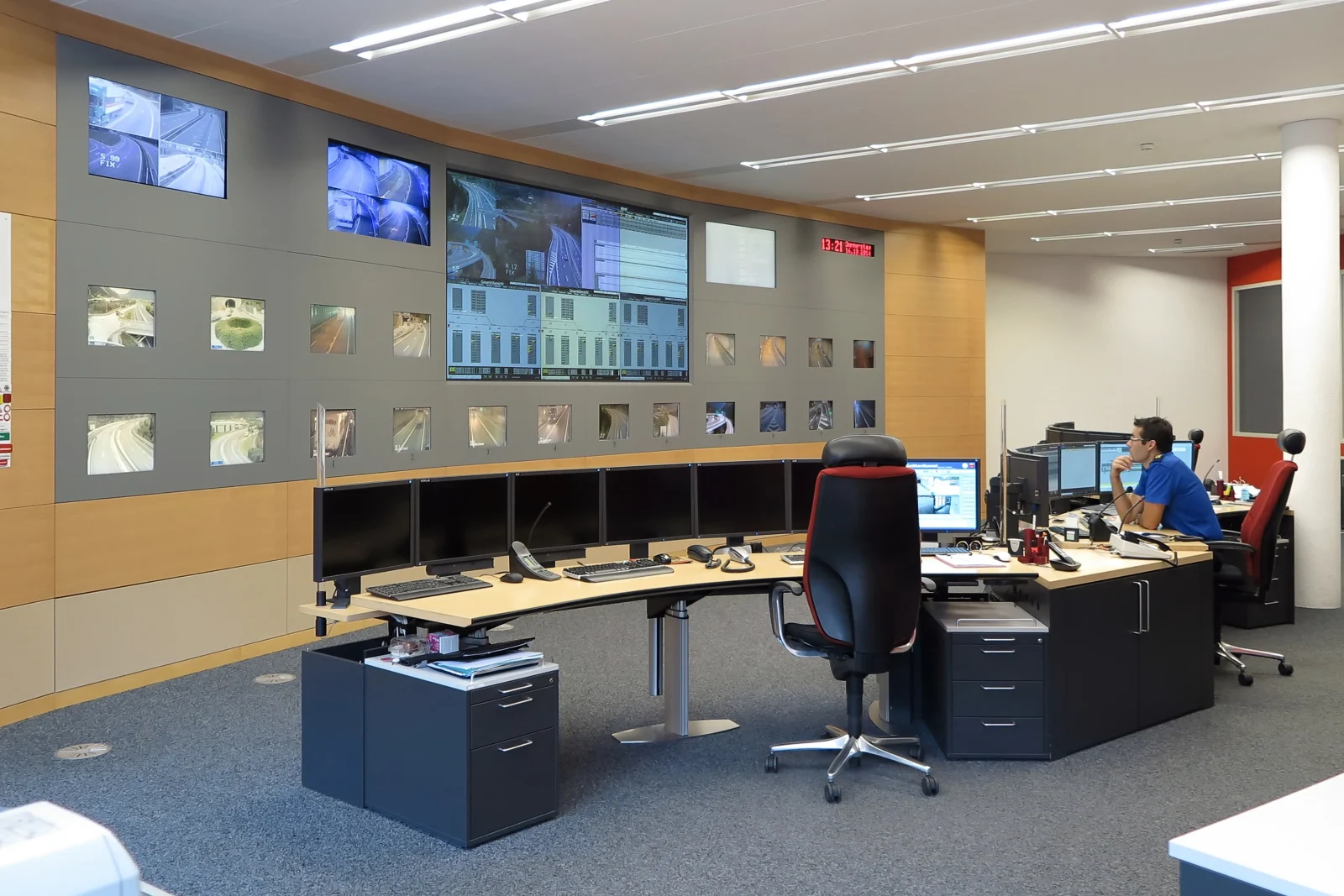
Northrop Grumman puts the tally at 34 consecutive successful flight tests and 44 total intercepts. In this corner of the defense industry that is an unusual run. Most air and missile defense programmes absorb at least one serious test failure and lose years to it.
The latest event took place in late April 2026 at White Sands Missile Range in New Mexico. The scenario used an air-breathing target — a powered, manoeuvring threat rather than a ballistic one. The LTAMDS (Lower Tier Air and Missile Defense Sensor) radar and the Sentinel A4 surveillance radar tracked it, IBCS fused and classified the track, and a PAC-3 MSE interceptor destroyed it.
The detail that mattered most was not the scenario but the hardware. This was the first live-fire demonstration using low-rate initial production equipment — the same configuration being delivered to Europe and the Indo-Pacific. Not a laboratory prototype, but the article the troops are receiving. In defense programmes, the gap between prototype and production article is often the schedule itself.
The same test also brought IFPC — the Indirect Fire Protection Capability, a short-to-medium range surface-to-air system built to defeat cruise missiles and drones — into the network. One test, therefore, ran a lower-tier shooter and an upper-tier sensor under the same command software.
Who is on the network: from F-35 to Giraffe
The list of systems IBCS has linked to explains why it is treated as more than a software layer. Alongside the core set, the programme has demonstrated connections to the US Marine Corps’ G/ATOR radar, the F-35, the British-designed CAMM missile family and Sweden’s Giraffe radar.
Two things follow. First, the network is not confined to one service’s inventory — it can reach across services and across national fleets. Second, the presence of the F-35 turns a fighter into something other than a weapons carrier: in this architecture it is a forward-deployed sensor whose radar and electro-optical suite can contribute to a ground launcher’s firing solution.
CAMM and Giraffe belong on the export side of the ledger. Both are widely used inside NATO and neither is American. For an allied customer, that means buying IBCS does not mean scrapping what is already in the inventory. It is the strongest commercial argument Northrop Grumman has in the international market.
The Polish experiment: allies are buying the command layer first
Poland sits at the centre of the international story. Its Ministry of National Defence declared full operational capability for IBCS across both air defense layers under the WISŁA medium-range programme, making Poland the first US ally to reach that milestone.
The sequence is as significant as the milestone. Warsaw bought and matured the command layer first, and is adding shooters and radars on top of it. The next phase of WISŁA is expected to extend IBCS across eight Patriot batteries, with additional launchers, interceptors and advanced radars.
There is a quieter side to that choice. A country that imports its command layer must have every future weapon certified into it. Whoever holds integration authority, software release rights and interface control owns the architecture. Poland’s calculation is that the dependency buys seamless NATO interoperability and a proven record — a trade many allies will now be asked to price.
The drone-era cost equation
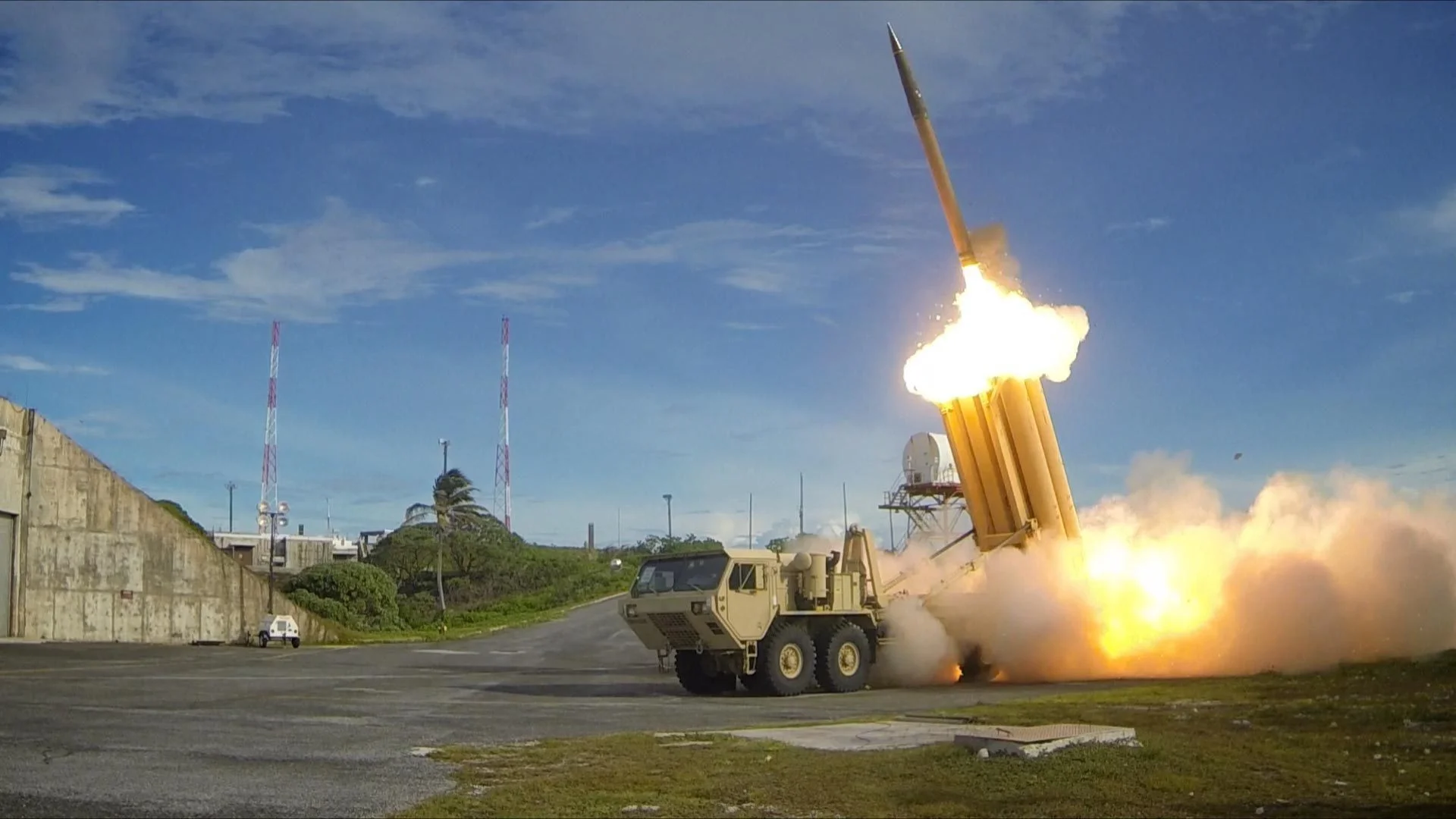
From the Red Sea to Ukraine, one picture keeps repeating: a drone worth a few thousand dollars is shot down by an interceptor worth a million. No defense budget carries that ratio for long.
Networked command does not solve the problem outright, but it solves the decisive part of it: matching the right weapon to the right target. If a Patriot battery, an IFPC launcher and a gun system are all in the same airspace, the network can read the threat’s speed, altitude and manoeuvre profile and pick the cheapest adequate answer. In a world of isolated batteries, the only thing making that match is whatever happens to be loaded on the launcher in front of you.
That is what Northrop Grumman means when it talks about preserving munition effectiveness. Every PAC-3 MSE takes months to build. Spending one unnecessarily costs time as well as money.
One network, one vulnerability: cyber and electronic warfare
The other side of the ledger deserves plain speech. Putting everything on one network makes that network a strategic target. Where isolated batteries fail independently, an integrated architecture can be blinded across the board by a successful intrusion into the command layer or by sustained jamming of its data links.
This is why the modern debate is drifting away from radar range and towards spectrum management and link resilience. Fire-control-quality data has to keep flowing under jamming; otherwise the speed the architecture promises evaporates under the first serious electronic attack.
Northrop Grumman’s roadmap answers part of that concern. The company points to smaller configurations, deeper artificial intelligence support, more automation and a move to containerised software — components packaged to run independently of specific hardware, so the same software can execute in a large operations centre or in an expeditionary vehicle.
Air defense is becoming a software product
Containerisation and AI read as technical footnotes, but they change the business model. In legacy air defense, capability growth followed the hardware refresh cycle: new radar, new launcher, new missile. In a software-defined architecture, capability arrives as a release.
For a customer nation that cuts both ways. It means adapting to new threat classes without a decade-long hardware programme. It also means depending on whoever publishes the release. Access rights to the software at the heart of an air defense network are now at least as strategic as the range of the missile sitting on the rail.
IBCS: programme at a glance
| Item | Detail |
|---|---|
| Manufacturer | Northrop Grumman |
| Role | US Army air and missile defense command and control (programme of record) |
| Architecture | Open and modular; “any sensor, best shooter” |
| Systems integrated | Patriot, THAAD, IFPC, LTAMDS, Sentinel A4 |
| Demonstrated links | G/ATOR radar, F-35, CAMM missile, Giraffe radar |
| Test record | 34 consecutive successful flight tests – 44 intercepts |
| Latest test | April 2026, White Sands Missile Range (first live fire with LRIP hardware) |
| Fielding | Continental US, US European Command, US Indo-Pacific Command |
| Production | Enhanced Production and Integration Center, Madison, Alabama |
| Export | Poland (WISŁA) – first ally at full operational capability |
| Roadmap | Smaller configurations, AI, increased automation, containerised software |
Where IBCS came from
The programme traces back to a bottleneck the US Army recognised in the mid-2000s. Patriot, Avenger, Sentinel and JLENS had all been developed separately, each with its own command software. Adding a sensor or a shooter meant starting an integration project from scratch every time.
IBCS was therefore designed around an open, modular architecture: components attach through standard interfaces, and adding a system becomes a software task. The road was not smooth — the programme absorbed delays and software maturity problems and was rebaselined more than once. But the test series of the past five years has built a strong case that the architecture works.
Today IBCS holds programme-of-record status for US Army air and missile defense, meaning it is treated as the long-term backbone rather than an interim fix. Full-rate production continues at the Enhanced Production and Integration Center in Madison, Alabama.
The user list is still short but strategically weighted: the US Army and Poland. Northrop Grumman has reported rising international interest, and the natural pool is obvious — European Patriot operators and Indo-Pacific allies.
Command-layer approaches compared
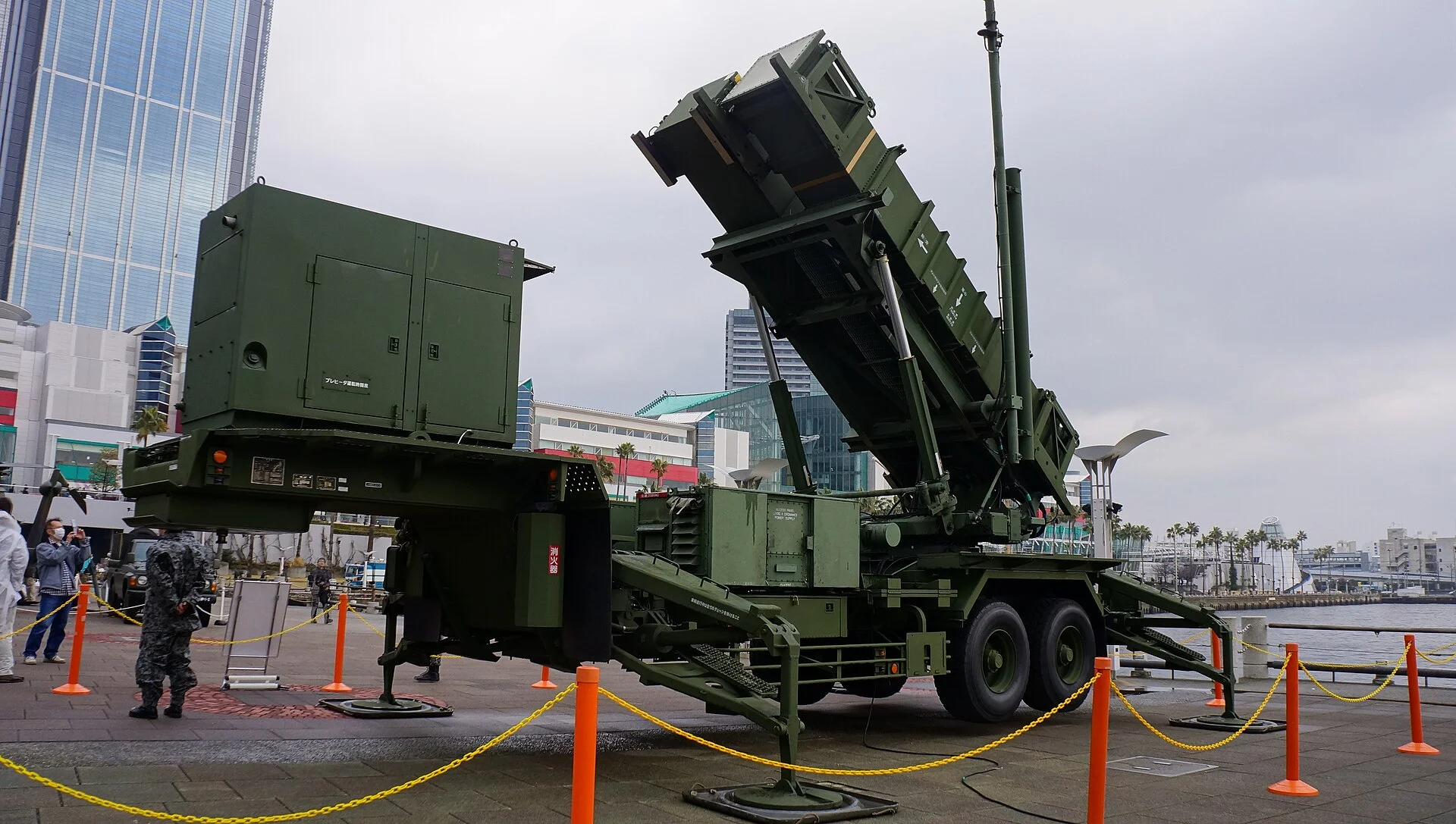
| System / Country | Approach | Distinguishing feature |
|---|---|---|
| IBCS (US) | One network, many sensors, many shooters | Fusion at fire-control quality; documented test record |
| WISŁA / IBCS (Poland) | Command layer first, shooters second | Seamless NATO interoperability; accepts architectural dependency |
| Steel Dome (Türkiye) | National command layer plus a national family of shooters | Software and interface authority stays at home; freedom to extend layers |
| NATO ACCS | Alliance-wide air command and control | Unity of picture at the strategic level; does not reach tactical fire control |
The Turkish read: the same question answered under different constraints
For readers watching from Ankara, the interesting part of the IBCS story is the architectural choice rather than the hardware. Türkiye adopted the command-layer-first approach years ago — and did so out of necessity.
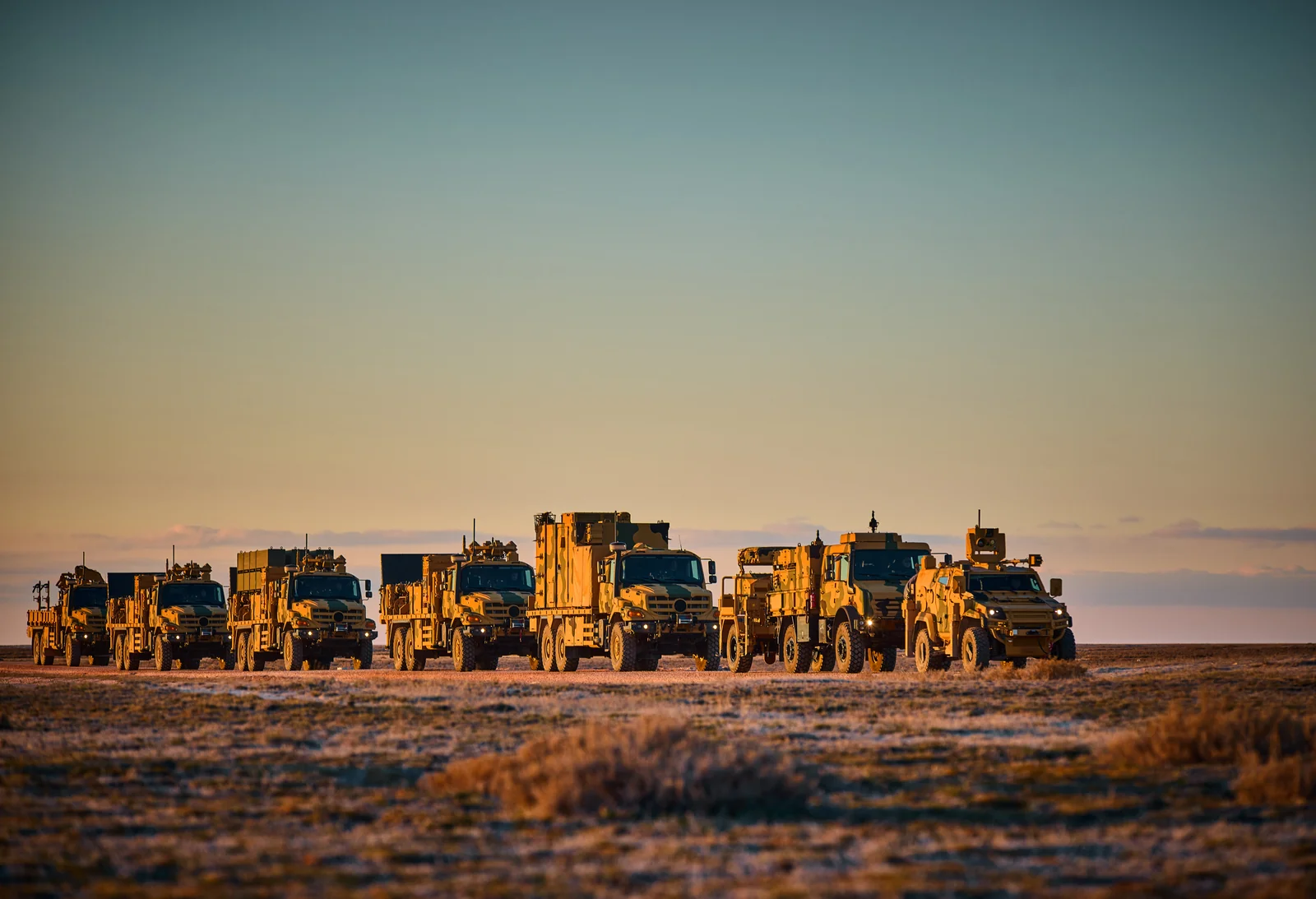
Buying a ready-made integrated command layer off the shelf was effectively not an option for Turkish air defense. That constraint forced ASELSAN to build its own early-warning and command-and-control solutions. The architecture now marketed as Steel Dome is the result: HİSAR-A+ and HİSAR-O+ covering the low and medium layers, SİPER at long range, KORKUT and GÜRZ handling gun and short-range missile defense, and the EİRS and KALKAN radar families forming the sensor layer — all tied together, as in IBCS, by common command software.
The difference lies in the direction of dependency. In the Polish model the command layer is imported and every shooter is certified into it. In the Turkish model the layer is domestic, so adding a new element — ROKETSAN’s ALKA laser, say, or a new counter-drone effector — does not wait on a third country’s certification calendar. That is also a concrete export argument: the buyer can extend the architecture with its own inventory.
One IBCS advantage should be recorded honestly, though. Thirty-four consecutive flight tests and 44 intercepts constitute a publicly documented record, and a test series showing systems from different services and different countries — F-35 to Giraffe — operating on one network carries real weight in the global market as proof of maturity. A comparable public test and integration series for Steel Dome would be an export asset in its own right, quite apart from the hardware.
There is one more point of overlap: the cost equation. “Pick the best shooter” is something Turkish air defense has effectively practised along its borders for years. Not spending a SİPER round on a target a KORKUT gun can handle is daily operational practice rather than doctrinal theory. Turning that experience into data and software may be one of Steel Dome’s strongest cards.
The next air defense race will be fought in software
The IBCS announcement marks a shift in where air defense power is measured. Twenty years ago it was counted in launchers. Today the metric is how many of those launchers can fire simultaneously, off the same air picture, at the same decision speed.
By that measure the competition is no longer between missile makers. It is between command-layer vendors. With Poland, Northrop Grumman has secured the first serious export reference in that category; European Patriot operators and Indo-Pacific allies are the obvious next links.
Türkiye enters this argument not as a spectator but as a country that has already built its own architecture. As Steel Dome’s layers close, the real question becomes whether that architecture can turn into a product open enough to unify somebody else’s inventory as well as its own. If the answer is yes, the export line item stops being the missile and becomes the network.
Sources
- Defence Industry Europe – “Northrop Grumman says IBCS will unify Patriot, THAAD and next-generation sensors under one U.S. Army missile defense network”, 25 August 2026 (Lukasz Prus)
- Northrop Grumman Newsroom – “Tested and Trusted: Army’s IBCS Powers Through 34th Consecutive Successful Missile Flight Test”
- Northrop Grumman Newsroom – “Poland Declares Integrated Battle Command System Fully Combat-Ready”
- Army Technology – Integrated Battle Command System (IBCS) programme profile
- ASELSAN and Presidency of Defence Industries corporate publications (Steel Dome, HİSAR, SİPER, KORKUT)