China’s Military Strength: How Many Jets, Tanks and Ships? (2026)

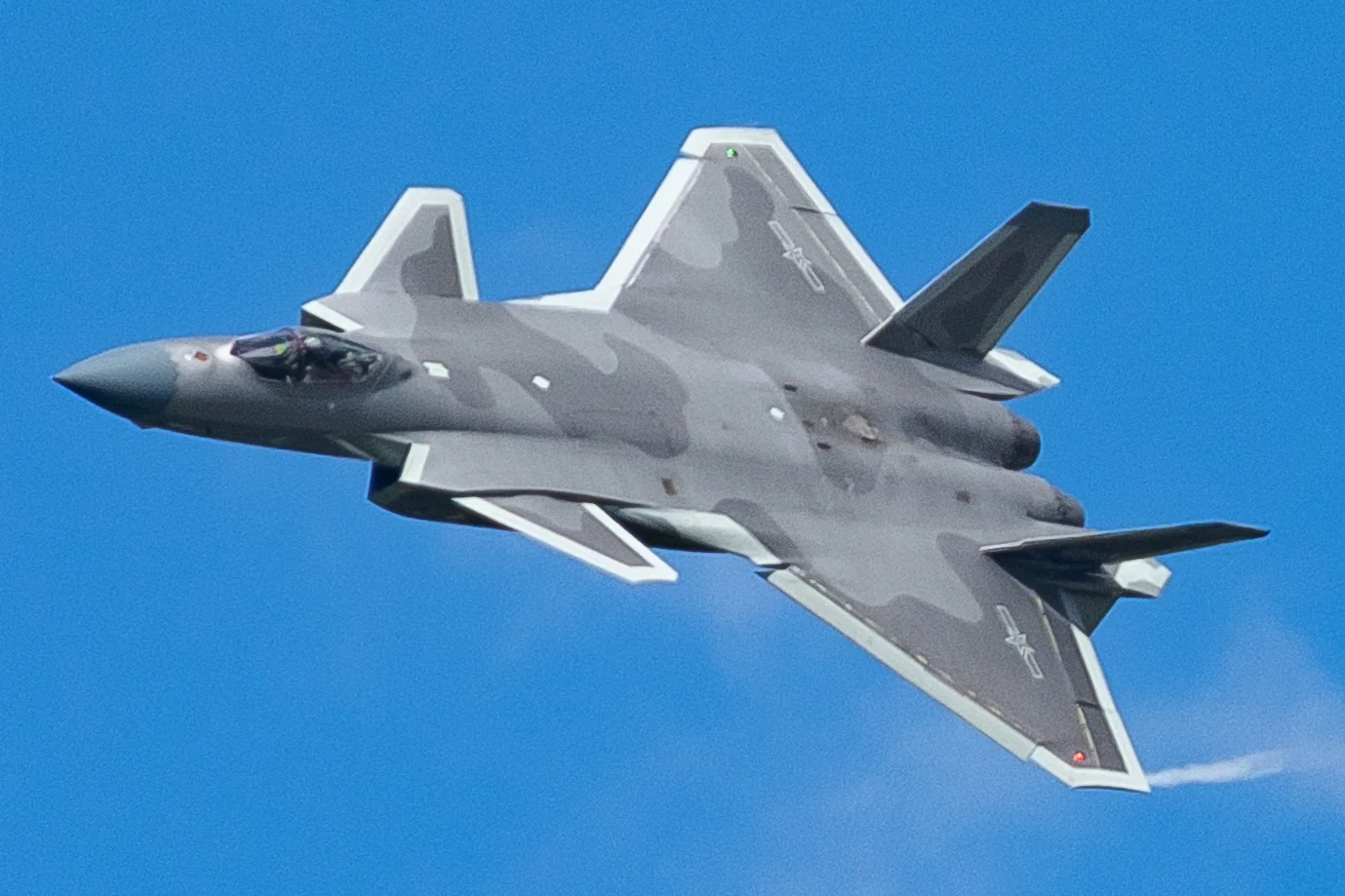
China’s military inventory is the product of a rapid modernisation that has shifted from quantity to quality over two decades. With the world’s largest army, largest navy and advanced systems such as the J-20 and the DF-17 hypersonic missile, the country has risen to become the sole actor challenging U.S. global military primacy.
At a Glance
- Active personnel: ≈ 2,000,000+ (world’s largest)
- Main battle tanks: ≈ 5.000
- Military aircraft (total): ≈ 3.300
- Navy: World’s largest by ship count
- Aircraft carriers: 3 (Liaoning, Shandong, Fujian)
- GFP ranking: World No. 3
Note: The inventory figures below are approximate values drawn from open sources such as Global Firepower, the IISS Military Balance and SIPRI.
About the China Armed Forces
The People’s Liberation Army (PLA) comprises the Army, Navy, Air Force and Rocket Force. The world’s largest military by active personnel, the PLA has in recent years focused on technological quality as much as on numbers.
The navy has become the world’s largest by ship count, moving toward blue-water capability with three carriers, Type 055 destroyers and a fast-growing submarine fleet. The Rocket Force sits at the centre of regional deterrence.
Land Forces Inventory
| System type | Est. quantity |
|---|---|
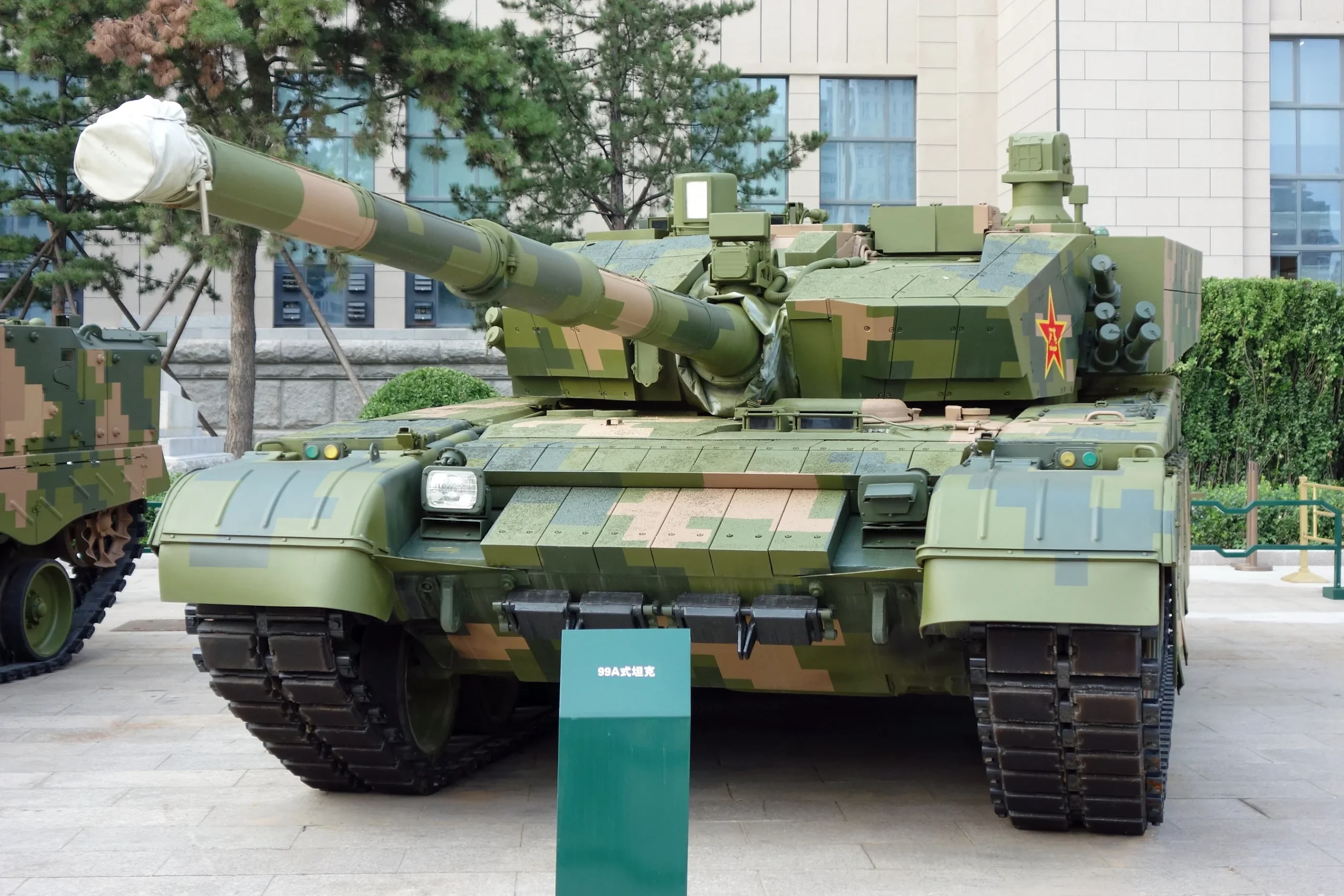
| Main battle tanks (Type 99A, Type 96, Type 15) | ≈ 5.000 |
| Armoured fighting vehicles | ≈ 35.000 |
| Howitzers (PLZ-05 etc.) | ≈ 7.500 |
| MLRS (PHL-03/16) | ≈ 3.000 |
Air Force Inventory
| Platform | Est. quantity |
|---|---|
| Total military aircraft | ≈ 3.300 |
| Fighters (J-20, J-16, J-10C, J-11) | ≈ 1.900 |
| Bombers (H-6) | ≈ 230 |
| Helicopters | ≈ 900 |
Missile and Air-Defence Systems
| System | Type / Note |
|---|---|
| HQ-9 / HQ-19 | Long-range air defence |
| DF-21D / DF-26 | Anti-ship ballistic (‘carrier-killer’) |
| DF-17 | Hypersonic missile |
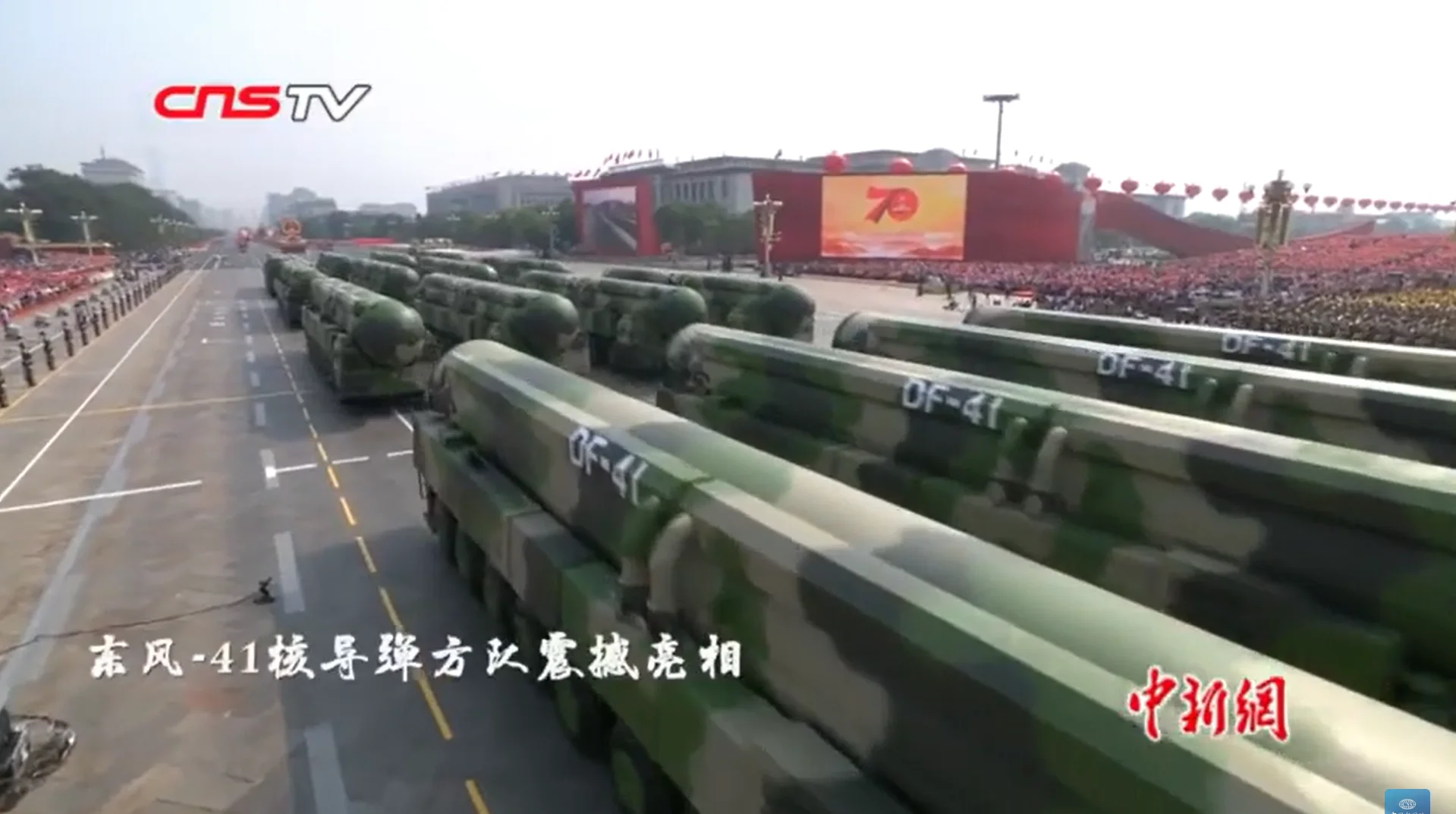
| DF-41 | ICBM |
Naval Power
| Class / Type | Est. quantity |
|---|---|
| Total naval platforms | ≈ 730 |
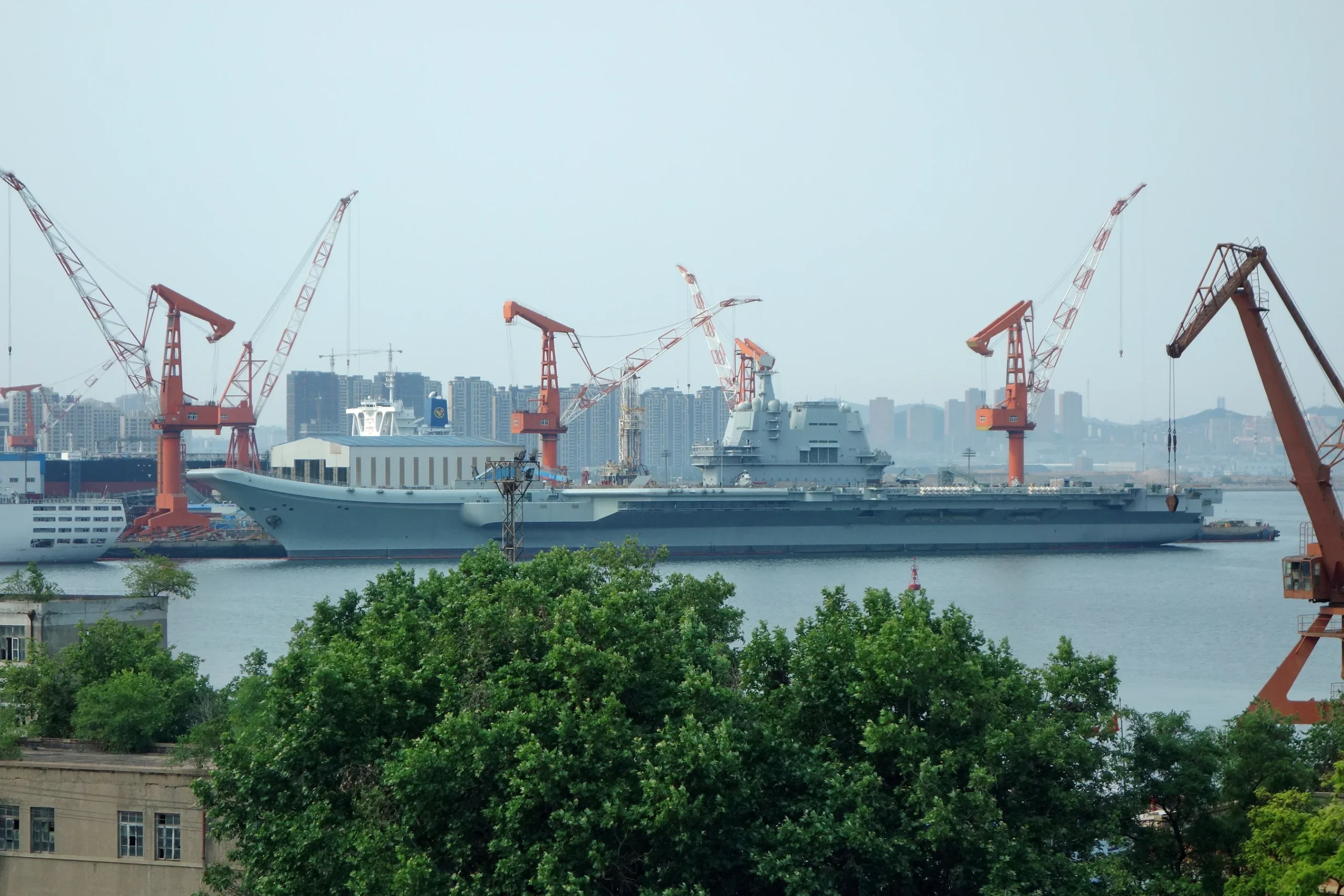
| Aircraft carriers (Liaoning, Shandong, Fujian) | 3 |
| Submarines | ≈ 60 |
| Destroyers (Type 055 / 052D) | ≈ 50 |
The Turkey Angle: Turkish Defence Industry
Defence trade between Turkey and China is limited. In 2013 China’s HQ-9 provisionally won Turkey’s long-range air-defence tender, but the contract was cancelled over NATO-interoperability and technology-transfer issues.
That experience was among the factors that accelerated Turkey’s indigenous development of its own SİPER long-range air-defence system. While China positions itself as a rising military-technological rival on the global stage, Turkey has used such episodes to harden its strategy of reducing dependence in critical systems.
Frequently Asked Questions
How many aircraft carriers does China have? Three: the Liaoning, the Shandong and the newest, the Fujian, with electromagnetic catapults.
How large is China’s navy? It is the world’s largest by ship count, with about 730 platforms in total.
What is the J-20? China’s fifth-generation, low-observable (stealth) fighter, developed to counter the U.S. F-22 and F-35.
Bottom Line
With the largest army, the largest navy and a fast-modernising air-and-missile force, China is the sole actor challenging U.S. global primacy. For Turkey it is less a supplier than a benchmark that underscores the value of its own indigenous programmes.