Lockheed Martin Unveils PAC-3 Edge: New Hypersonic Interceptor Targets 2031 Fielding

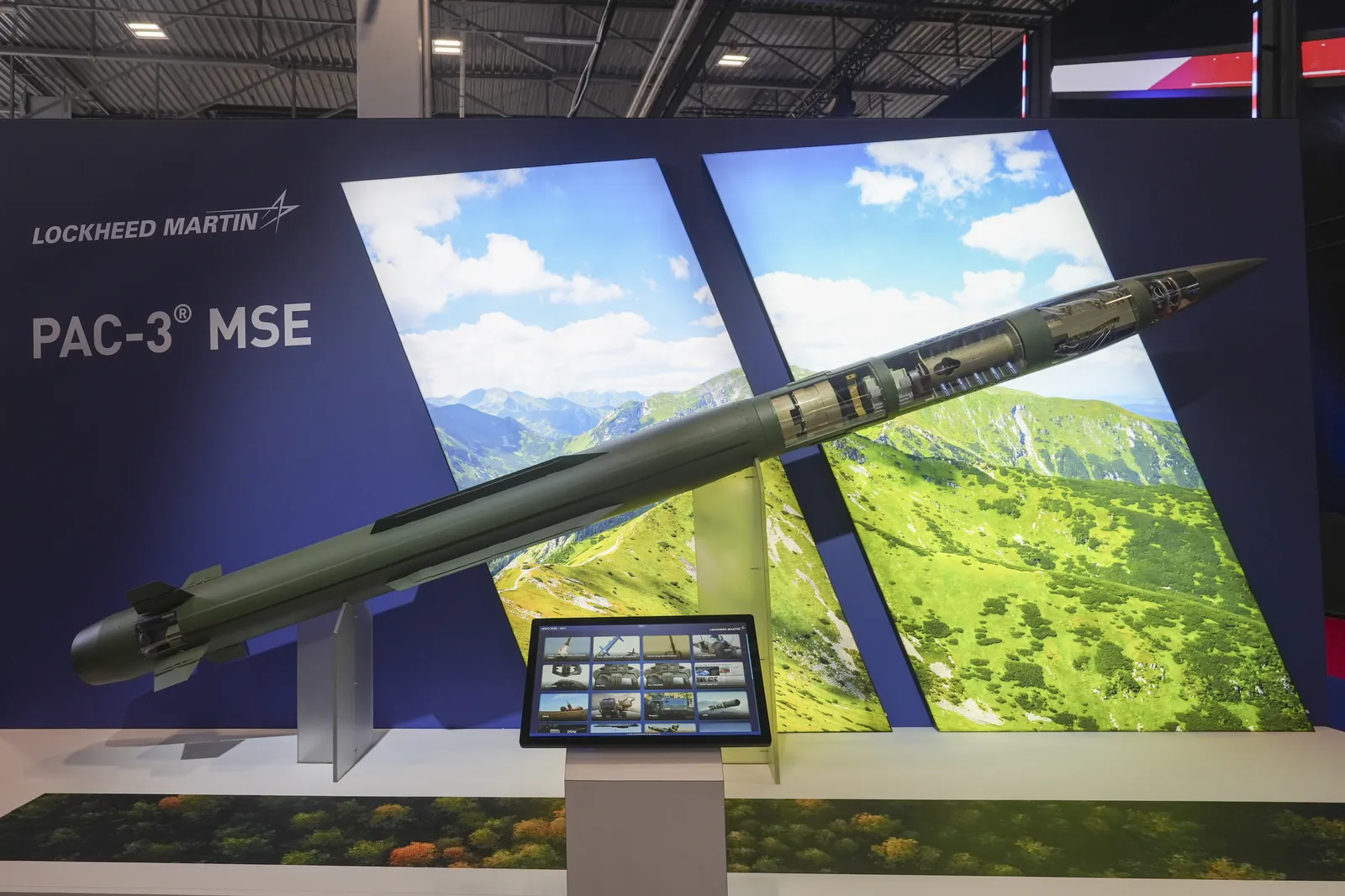
Lockheed Martin introduced a new interceptor called PAC-3 Edge on October 9 for the U.S. Army’s Future Interceptor program. The company told Reuters a day later that the system builds on the combat-proven PAC-3 MSE but adds a new seeker and a multi-pulse rocket motor meant to engage hypersonic and advanced threats at longer range and higher altitude.
Where the Program Stands
PAC-3 Edge sits inside the Army’s still-competitive Future Interceptor program. Lockheed Martin said the Army has moved it to the next development stage, with testing due to start in 2027 and an accelerated fielding target set for 2031. That timeline means the interceptor will not reach units for several years; Tuesday’s unveiling amounts to a design and program-status announcement rather than a fielded weapon.
What Changed on the Missile
Tim Cahill, president of Lockheed Martin’s Missiles and Fire Control business, told Reuters the new interceptor “leverages the combat-proven PAC-3 MSE” while adding maneuverability, power and velocity. Three elements define the upgrade:
- Seeker: built in-house at Lockheed’s Strigo Product Center, which the company says it backed with a $250 million investment.
- Rocket motor: a multi-pulse solid motor from Northrop Grumman, giving more precise thrust control through flight.
- Flight controls: upgraded to extend range and altitude performance.
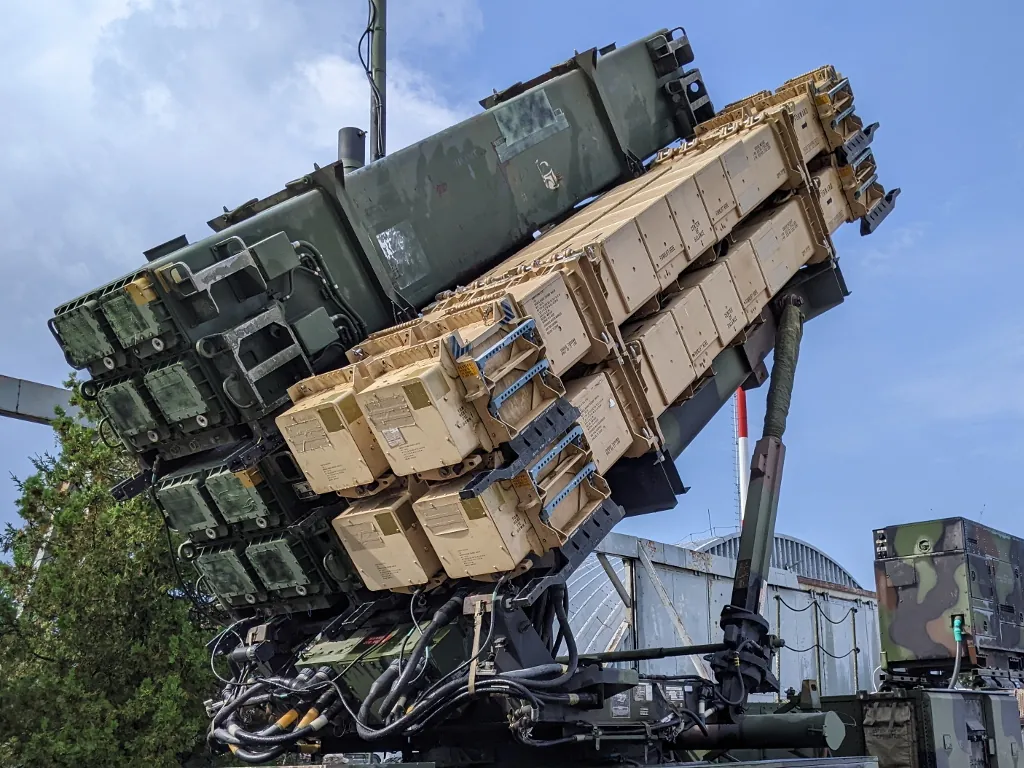
Cahill said unit cost is expected to land close to today’s PAC-3 MSE, and that full-rate production would eventually reach roughly 2,000 interceptors a year, matching the MSE production target. The system is designed to work with the Integrated Battle Command System, the M903 launcher, containerized launchers and HIMARS Flex.
Why It Matters Now
Hypersonic weapons, which fly above Mach 5 and maneuver unpredictably, compress the reaction time available to conventional missile defenses. Russian and Chinese progress on operational hypersonic systems has pushed the U.S. and NATO to accelerate investment in interceptors that can engage threats earlier and at higher altitude. PAC-3 Edge is one of the clearest industry responses to that pressure so far this year, though its real test will come once flight trials begin.
Where It Fits in the PAC-3 Family
Edge becomes the fourth distinct tier in Lockheed’s Patriot interceptor lineup: the legacy CRI, today’s workhorse MSE, the lower-cost ACE unveiled in July 2026, and now the high-end Edge. The tiering lets the Army match interceptor cost to threat type — ACE against drones and cruise missiles, MSE as the current standard, and Edge aimed at hypersonic and high-altitude threats.
The Production Backdrop
The announcement follows a multiyear PAC-3 MSE production contract worth up to $58.6 billion that the Army signed with Lockheed Martin in July 2026, driven by stockpile strain from the wars in Ukraine and the Middle East. In January 2026 the two sides also set a seven-year framework to lift production capacity from about 600 to 2,000 units a year. Developing Edge alongside that capacity expansion suggests Lockheed is pursuing a layered product strategy rather than a single production line to meet rising demand.
NATO and Turkish Relevance
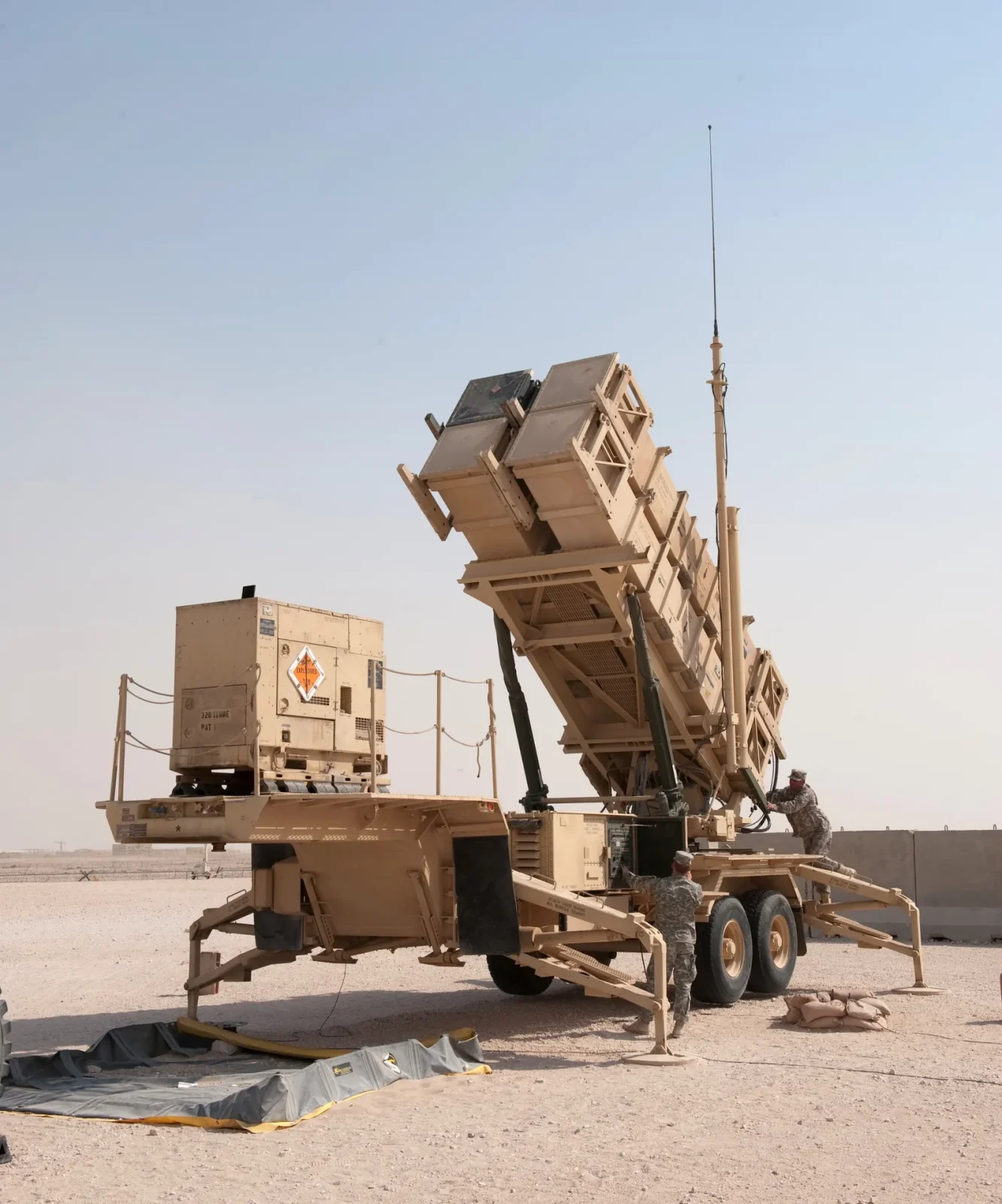
Patriot batteries were deployed on Turkish soil by allied forces between 2013 and 2015 against threats from the Syrian border, and the system remains a backbone of NATO’s integrated air and missile defense architecture. As Turkey builds its own layered air defense with HİSAR-A/O, SİPER and longer-range systems still in development, the high-altitude, anti-hypersonic capability PAC-3 Edge is chasing marks a technical benchmark that Turkey’s Presidency of Defence Industries is also tracking for SİPER’s later increments.
What Comes Next
PAC-3 Edge remains a prototype-stage concept. The outcome of the Future Interceptor competition and the 2027 flight-test schedule will determine whether it is fielded at all; Lockheed has not disclosed which competitors it faces. The 2027-2031 window the company has set aside covers both flight testing and any additional Army evaluation criteria, meaning the program will stay in development for at least several more years even on its own schedule.
Sources
- Lockheed Martin Newsroom — “Lockheed Martin Debuts PAC-3 Edge™ for the U.S. Army’s Innovative Future Interceptor Program,” October 9, 2026 — used for technical specifications, investment figures and program timeline.
- Defense News (Reuters) — “Lockheed Martin unveils PAC-3 Edge interceptor designed to counter hypersonic threats,” October 10, 2026 — used for Tim Cahill’s remarks, cost expectations and production-rate figures.