NATO’s 10 Strongest Militaries (2026): US on Top — France, the UK and Turkey’s Rise

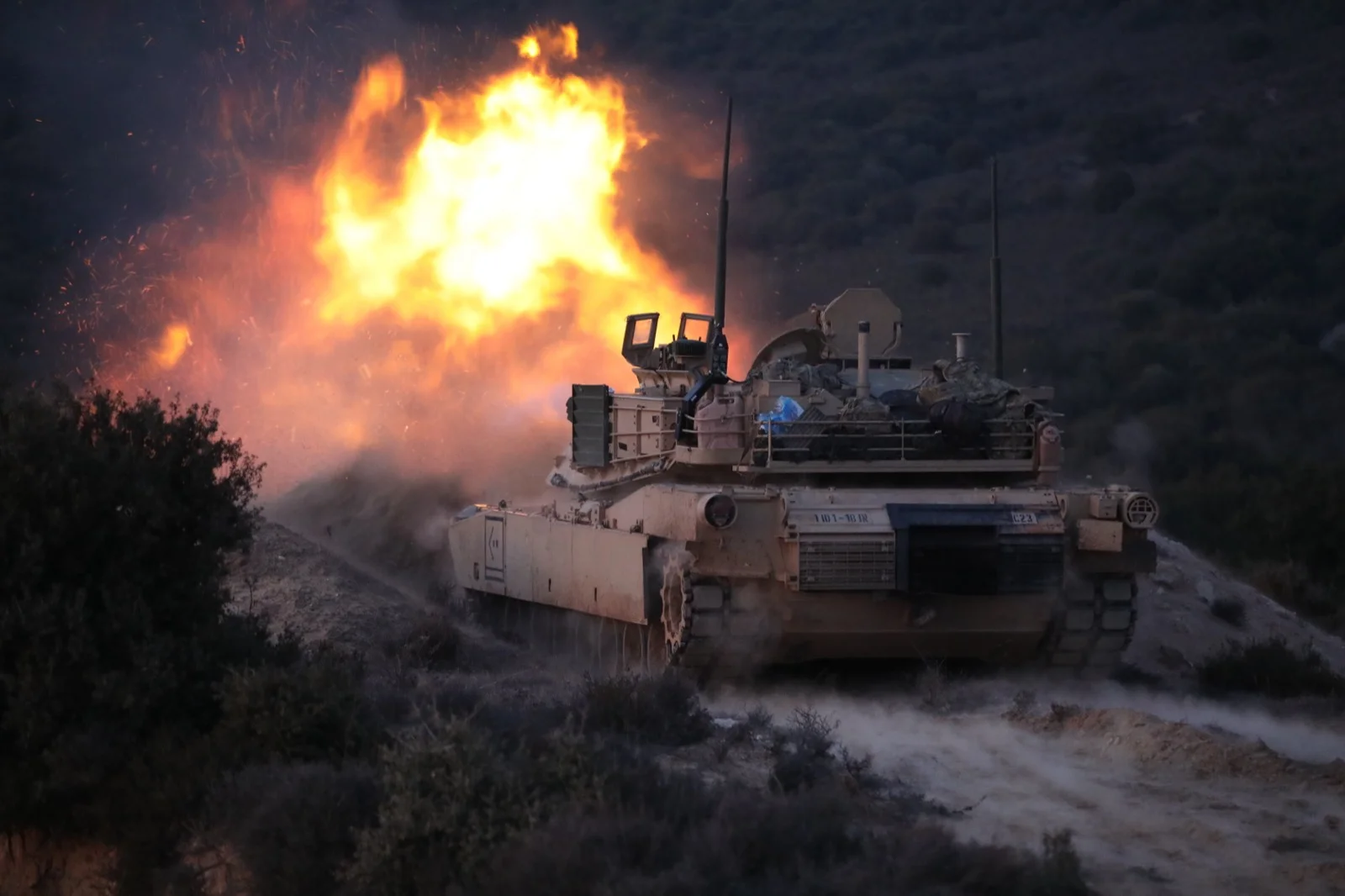
With 32 members, NATO is the world’s largest military alliance. But what is the balance of power within it? After the US in 2026, who comes next, and where does Turkey rank?
NATO gathers the largest share of global military power under one roof with its 32 members. Yet a clear hierarchy exists inside the alliance: some members hold nuclear and global-projection capacity, while most focus on regional defense. Rising defense spending since the war in Ukraine is rapidly reshaping this internal balance.
We count down NATO’s ten strongest militaries by Global Firepower’s power index. The US at the summit is no surprise; but the race for second place, the rising members and Turkey’s position paint an intriguing picture. Starting at #10.
The Countdown: #10 → #1
Greece
~140,000
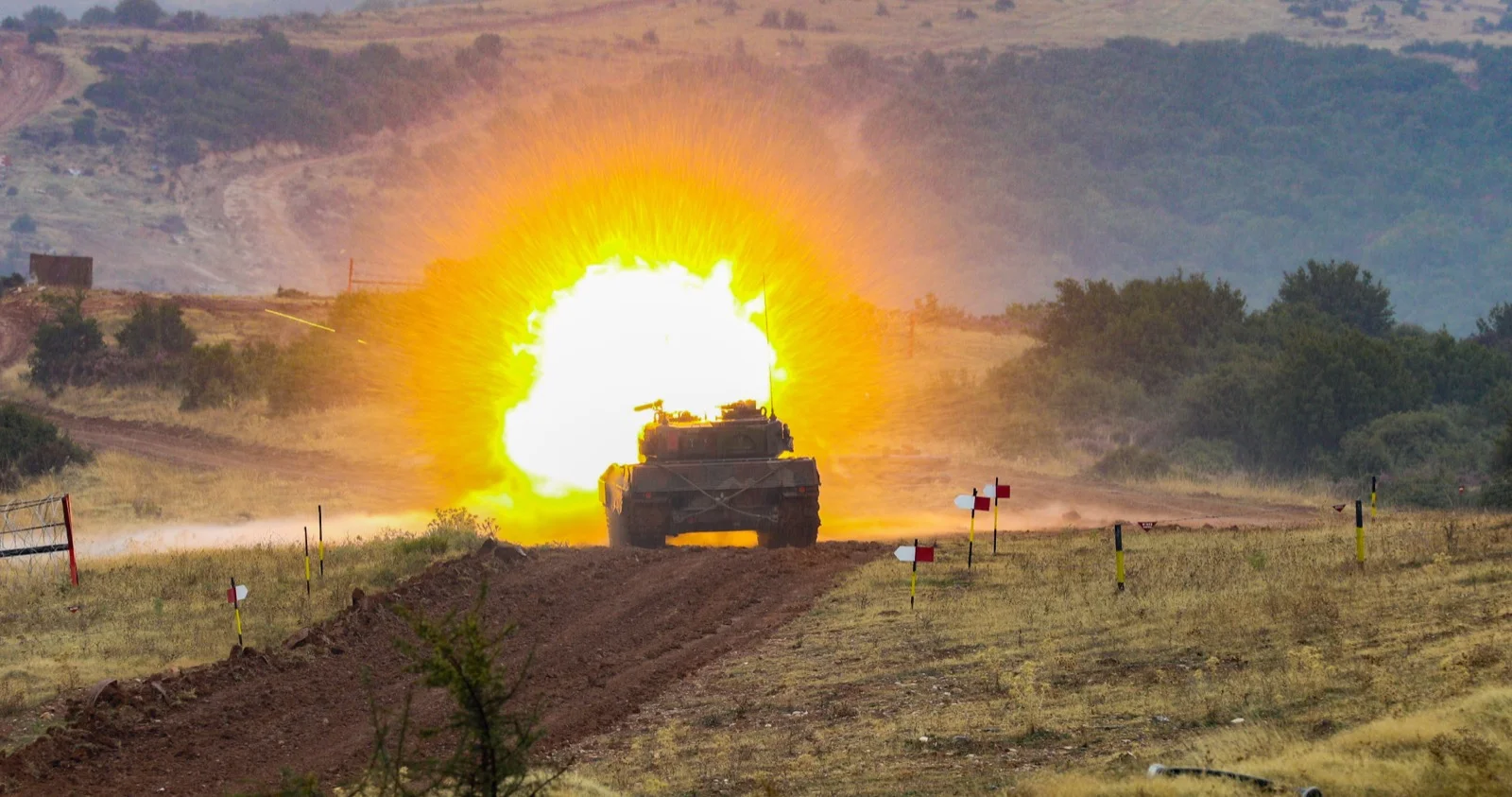
One of NATO’s highest defense spenders relative to population, Greece sustains a strong military driven directly by the Aegean balance. Rafale fighters, a modernized F-16 Viper fleet and a strong armored force (Leopard 2) form the backbone. French FDI Belharra frigates reinforce the navy. Greek military planning is largely focused on regional deterrence, with no global-projection ambition. High readiness and modern Western platforms make it a compact but capable NATO member.
It ranks among NATO’s top spenders as a share of GDP, but is one of the alliance’s smaller members in total scale.
| Tanks | ~1,300 |
| Aircraft | ~610 |
| Personnel | ~140,000 |
| New | Rafale, FDI |
➤ The alliance’s vast northern member is next.
Canada
Rising
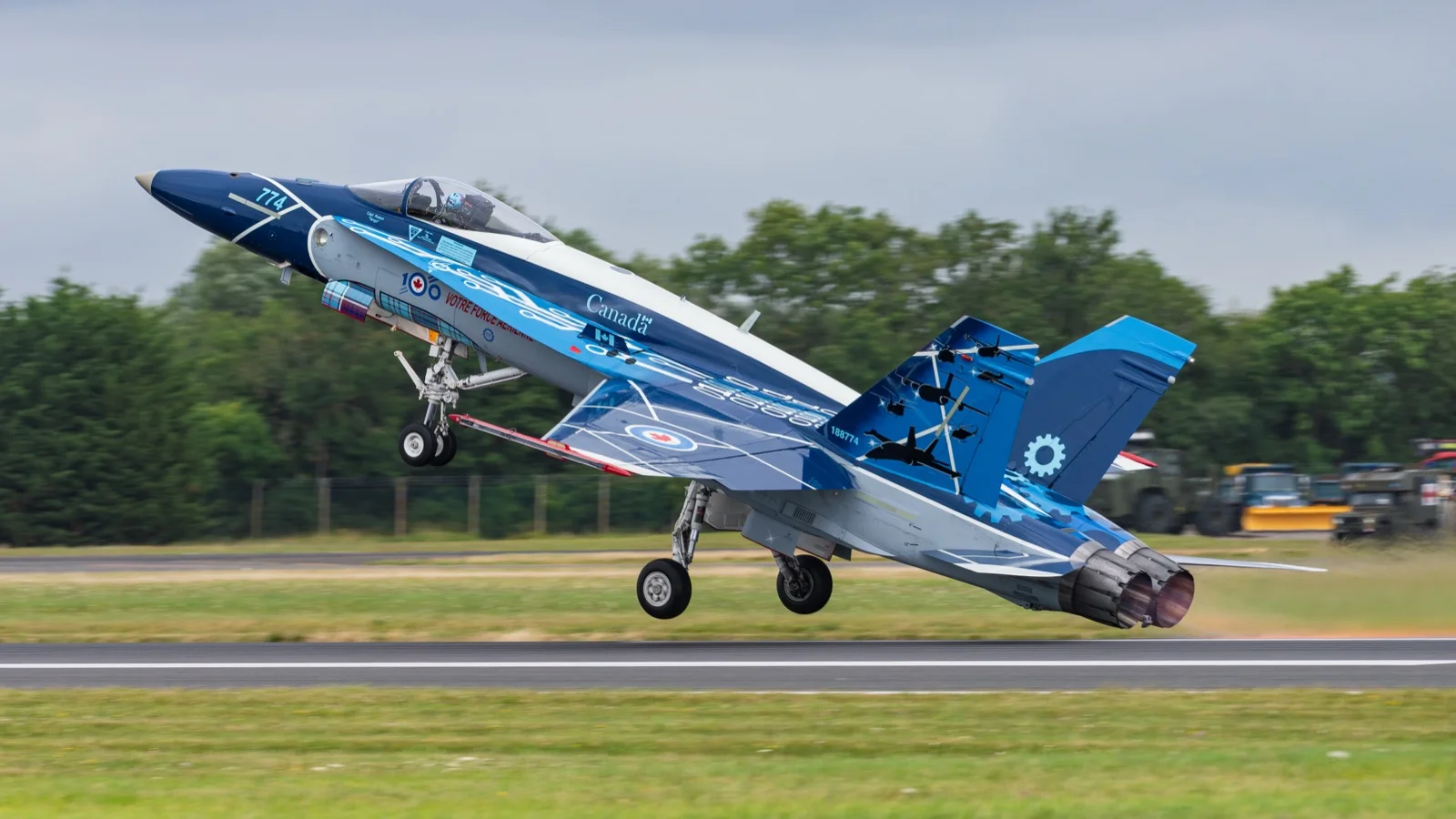
Despite its vast geography, Canada fields a relatively small but highly professional force. A strong naval tradition, Arctic security and full integration with the US under NATO/NORAD sit at the center of its doctrine. Ottawa is renewing its fleet with F-35 procurement and naval modernization. Though the ground force is modest in size, decades of coalition-operation experience (Afghanistan, NATO missions) provide capable combat power. The Arctic’s growing strategic importance is accelerating defense investment.
It stands out in professionalism and coalition experience, but is among the alliance’s smallest in ground-force scale.
| Tanks | ~80 |
| Aircraft | ~340 |
| Personnel | ~70,000 |
| Priority | Arctic + navy |
➤ Eastern Europe’s rising power enters the top eight.
Poland
4%+ of GDP
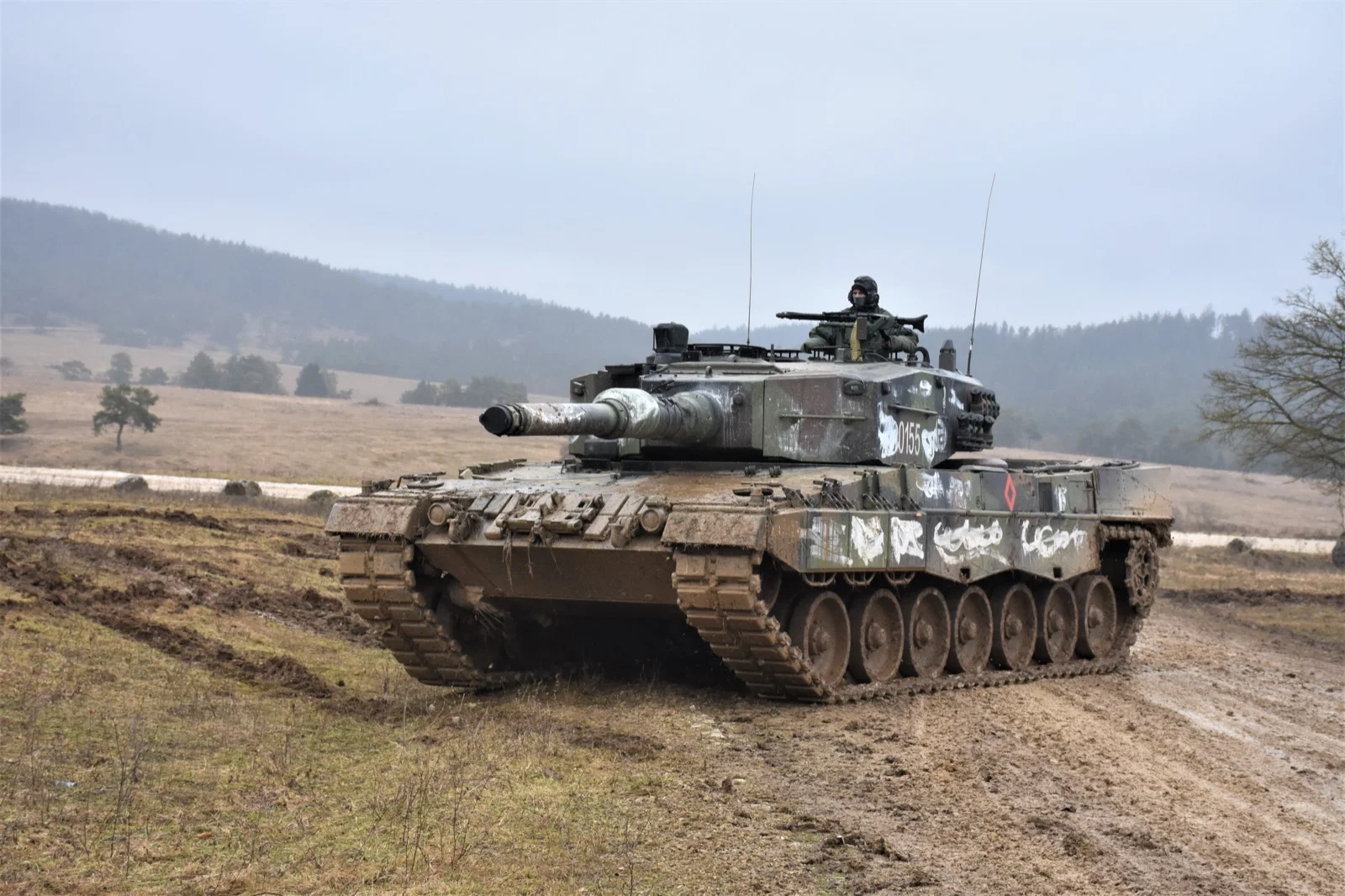
Since the war in Ukraine, Poland has become NATO’s fastest-rearming member, raising defense spending above 4% of GDP — a record in the alliance. It runs a vast modernization program with K2 tanks and K9 howitzers from South Korea, Abrams tanks and F-35s from the US, and HIMARS systems. Warsaw aims to build one of Europe’s largest land armies against the Russian threat. This rapid growth makes Poland a candidate to become NATO’s strongest European land force in the coming years.
It leads NATO in tank acquisition and spending growth, on track to overtake Germany in land power.
| Tanks | ~620 (rising) |
| Aircraft | ~460 |
| Personnel | ~200,000 |
| New | K2, Abrams, F-35 |
➤ The Iberian Peninsula’s power enters the top seven.
Spain
~120,000
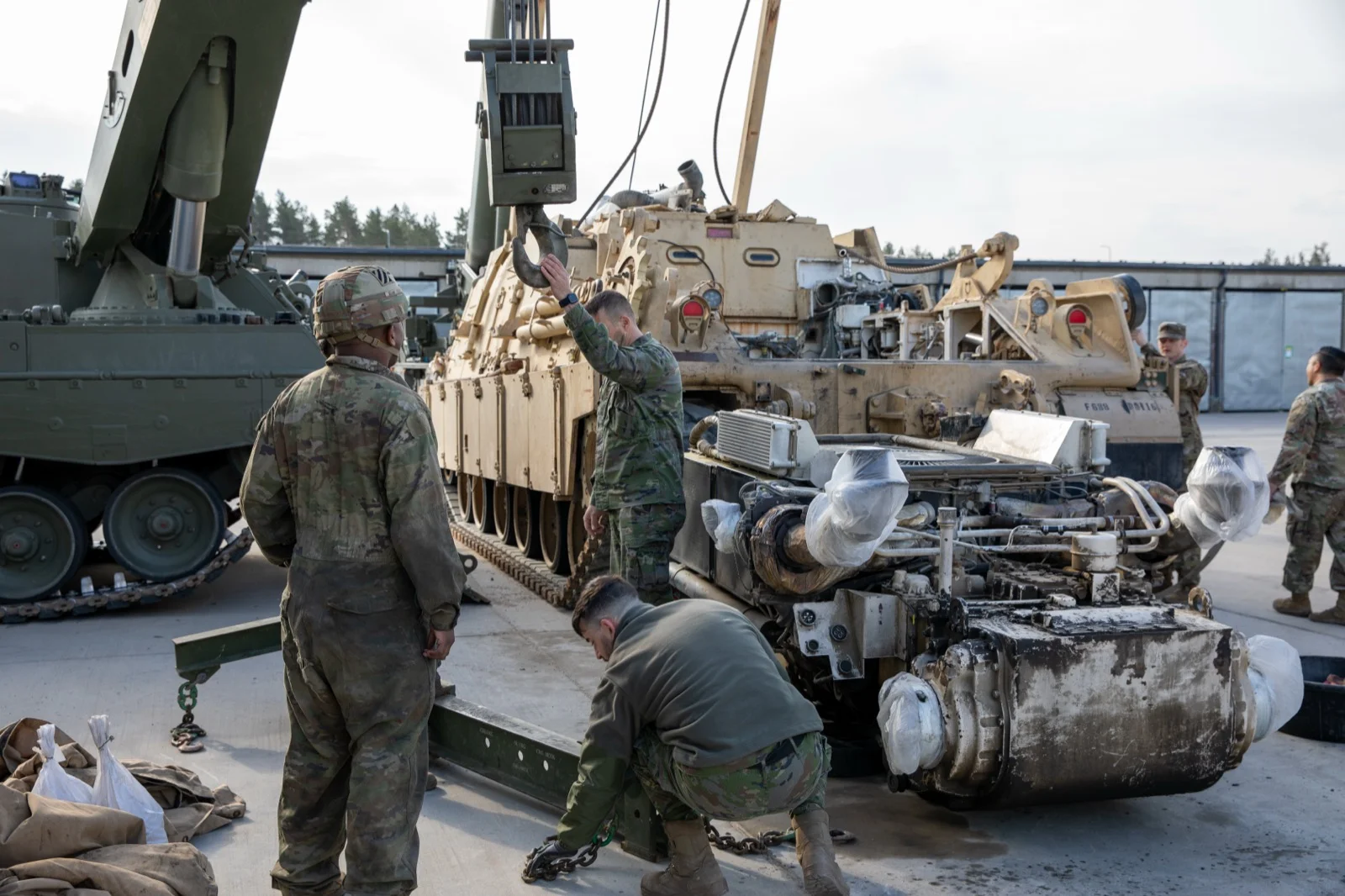
Spain plays an important role on NATO’s Mediterranean flank with a balanced, modern military. Eurofighter Typhoon fighters, a strong navy (the Juan Carlos I amphibious assault ship) and an advanced defense industry (Navantia, Airbus partnership) stand out. Madrid is under pressure to bring spending toward the NATO target; modernization covers new frigates and armored vehicles. It follows a doctrine focused on NATO missions and Mediterranean security rather than global projection. Its aerospace and shipbuilding industries provide capable production capacity.
It is strong in naval and aerospace industry, but trails Poland in land power and budget.
| Tanks | ~330 |
| Aircraft | ~500 |
| Personnel | ~120,000 |
| Industry | Navantia, Airbus |
➤ Italy’s versatile power enters the top six.
Italy
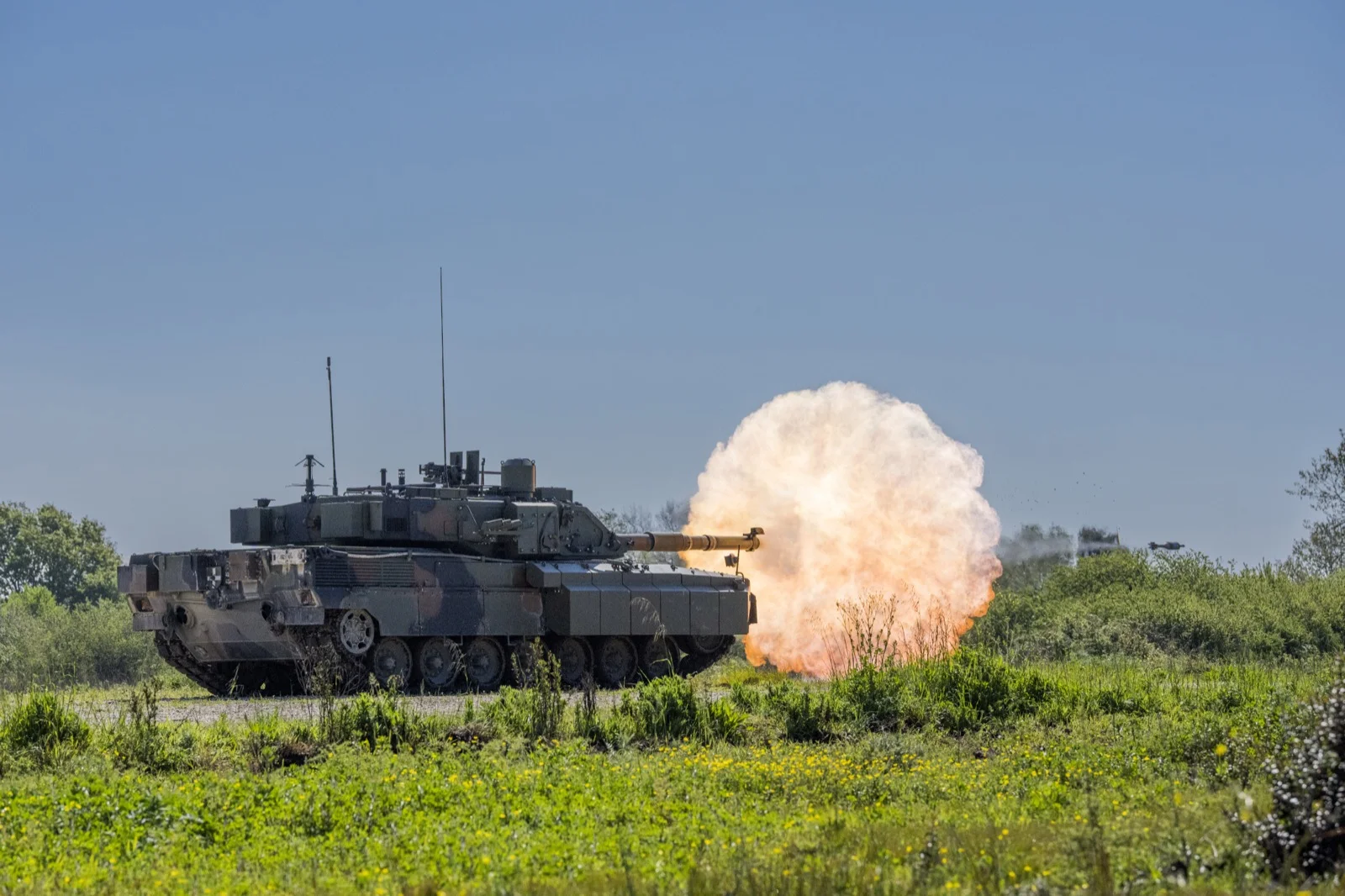
~730
Italy fields one of NATO’s most balanced and technological militaries. An F-35 fleet (both A and B variants), two aircraft carriers (Cavour and Trieste), a strong navy and an advanced defense industry (Leonardo, Fincantieri) make it a versatile military power. Rome invests especially in naval and air power for Mediterranean security, NATO missions and power projection. Leonardo’s aerospace and electronics capacity makes Italy one of the engines of Europe’s defense industry. Its carrier capability is a rare advantage in the alliance.
In carrier and F-35B capability it surpasses Spain and Poland, and ranks among Europe’s most advanced sea powers.
| Tanks | ~200 |
| Aircraft | ~730 |
| Carriers | 2 (F-35B) |
| Industry | Leonardo, Fincantieri |
➤ The name entering the top five is the alliance’s most debated rise.
Turkey
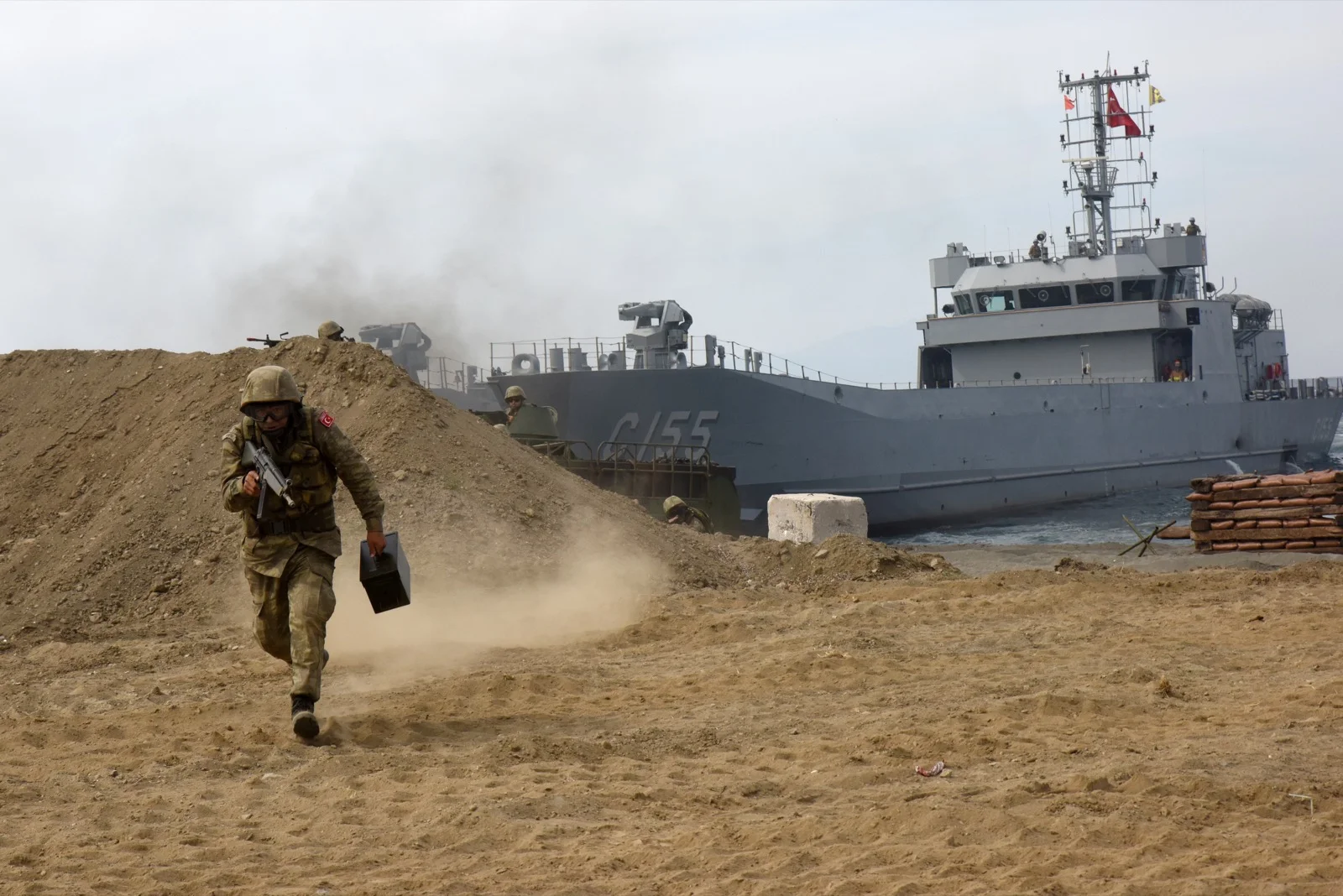
~355,000
Turkey fields NATO’s second-largest army after the US and operates one of the strongest land forces on the alliance’s European flank. But the real difference is its domestic defense industry: with TB2 and AKINCI drones, the KIZILELMA unmanned combat aircraft, the ALTAY tank, MİLGEM ships and the KAAN fifth-generation fighter program, Turkey is a rare NATO member producing its own platforms. Companies like ASELSAN, ROKETSAN, TUSAŞ and Baykar are rapidly expanding export capacity. High personnel numbers, combat experience and growing domestic production make Turkey one of the alliance’s most dynamic military powers.
It ranks second only to the US in personnel, and rivals France and the UK in drone and domestic-production technology.
| Tanks | ~2,230 |
| Aircraft | ~1,080 |
| Personnel | ~355,000 |
| Indigenous | KAAN, TB2, ALTAY |
Turkey holds NATO’s second-largest army after the US and occupies a unique position through its domestic defense industry. Producing its own drones, tank, ships and fighter, Turkey is becoming an ever more critical member through supply independence and export capacity.
➤ Europe’s nuclear powers take the top four.
Germany
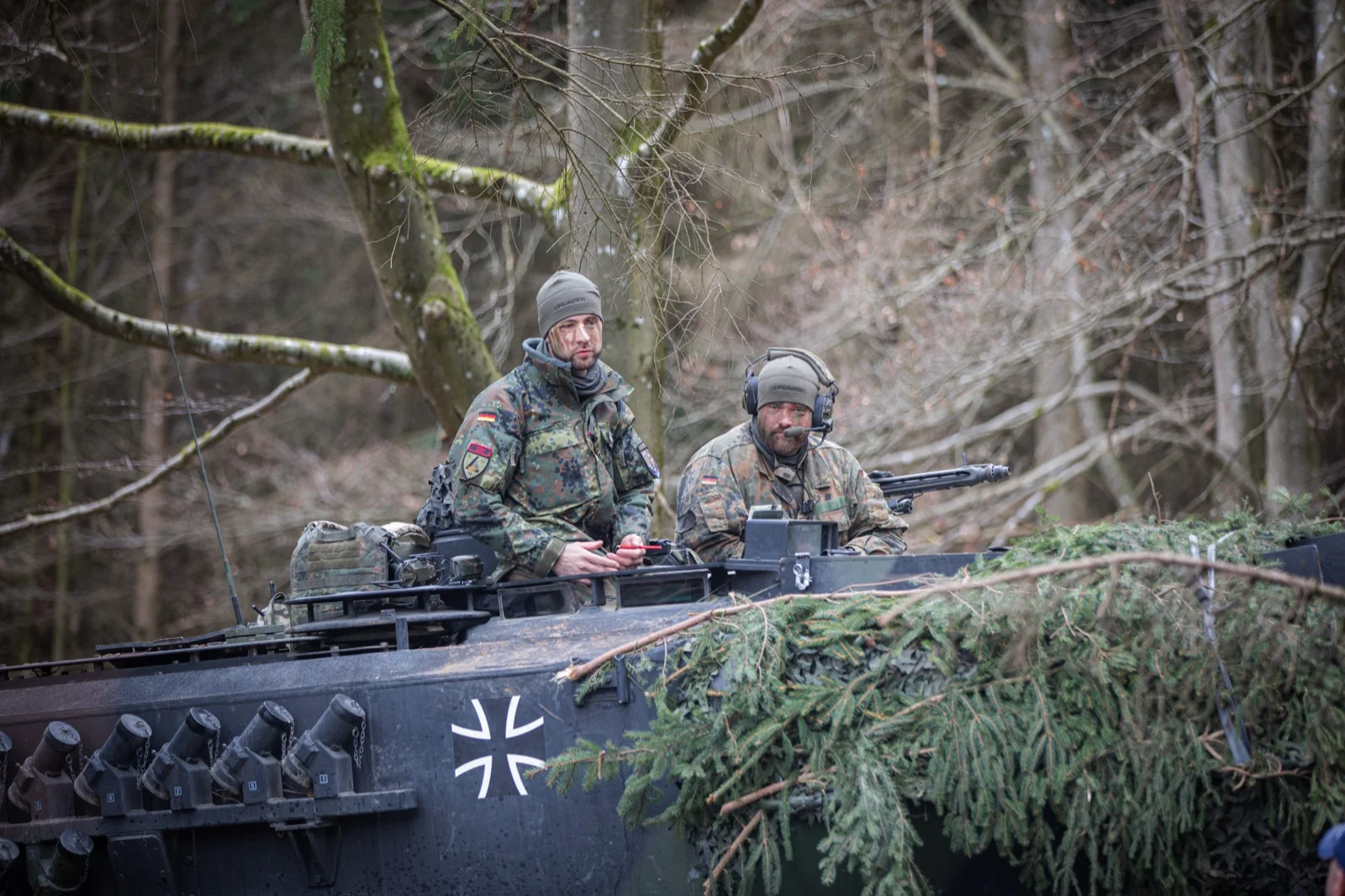
€100B fund
Europe’s economic giant, Germany, launched a historic defense transformation after the war in Ukraine. A €100 billion special defense fund (Zeitenwende) aims to rebuild a Bundeswehr neglected for decades. Leopard 2 tanks, Eurofighters and procured F-35s, plus a strong defense industry (Rheinmetall, Airbus), form the base of its inventory. But readiness rates and munitions stocks were long a target of criticism. Germany’s real strength is its economic capacity and industrial base; when that potential fully converts to military power, the alliance balance could shift.
It leads Turkey and Italy in economic capacity and industry, but is still recovering in readiness and personnel scale.
| Tanks | ~300 |
| Aircraft | ~620 |
| Personnel | ~180,000 |
| Fund | €100B |
➤ The UK’s nuclear power stands at the podium’s edge.
United Kingdom
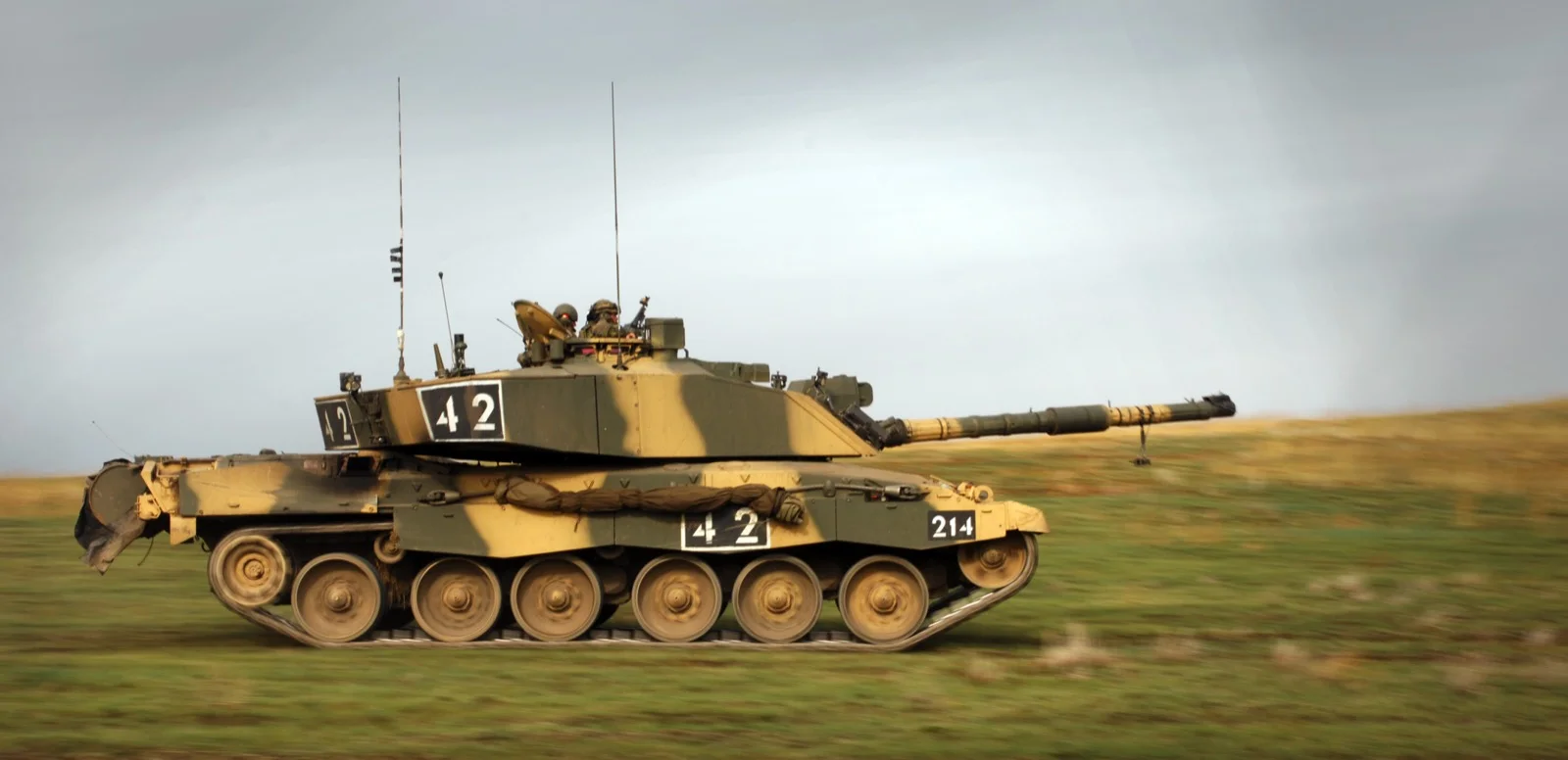
Trident
The United Kingdom is one of NATO’s top-tier militaries with nuclear power, global-projection capacity and advanced technology. Two Queen Elizabeth-class carriers, an F-35B fleet, Trident submarine-based nuclear deterrence and a strong navy provide global reach. London holds a historic edge in intelligence (Five Eyes), special forces and sea power. Though the army has shrunk in size, it remains highly capable in quality and alliances. Its global power-projection capacity makes the UK the alliance’s most ‘global’ military after the US.
In nuclear deterrence and carrier capability it leads Germany and Turkey, and is the alliance’s second power in global projection.
| Tanks | ~215 |
| Carriers | 2 (F-35B) |
| Nuclear | Trident SLBM |
| Personnel | ~185,000 |
➤ Two nuclear powers remain for the top two.
France
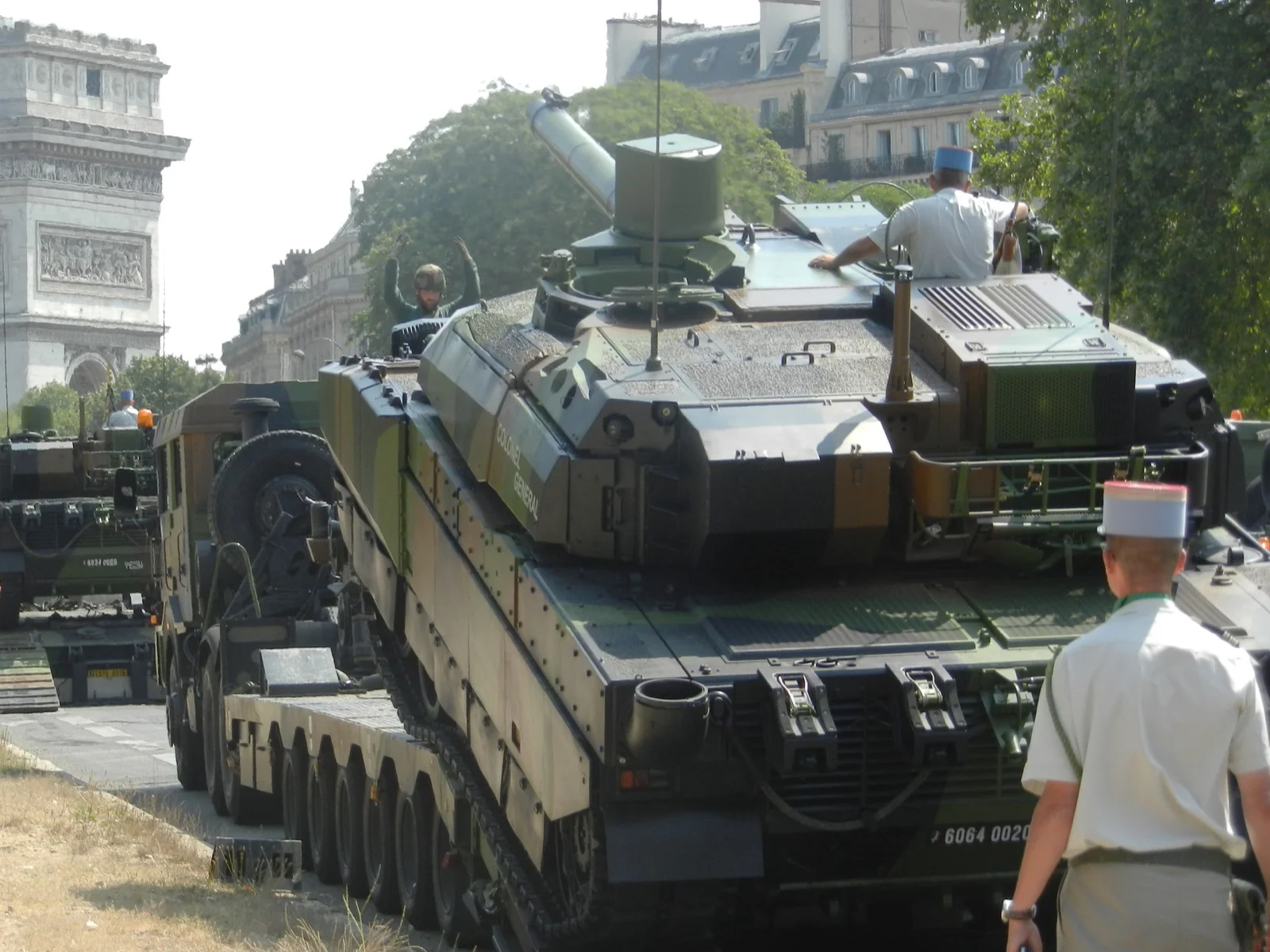
Independent (Force de frappe)
France is Europe’s strongest military with independent nuclear power (force de frappe), a fully domestic defense industry and global-projection capacity. The Charles de Gaulle nuclear carrier, Rafale fighters, submarine- and air-based nuclear deterrence and a strong navy stand out. Paris is the most autonomous strategic actor in the alliance besides the US, maintaining a military presence in Africa and the Indo-Pacific. Companies like Dassault, Thales and Naval Group provide full domestic production. With nuclear independence, a carrier and global bases, France is NATO’s most capable military after the US.
In independent nuclear power and full domestic industry it edges even the UK — Europe’s most autonomous military.
| Tanks | ~215 |
| Aircraft | ~970 |
| Carrier | 1 (nuclear) |
| Nuclear | Independent |
➤ And the name at the top is the undisputed global superpower.
United States
~$900B
The US is the undisputed strongest military not only of NATO but of the world. Eleven nuclear carriers, thousands of combat aircraft, the largest fifth-generation fleet (F-35, F-22), a global base network and a vast nuclear arsenal provide unmatched power projection. A defense budget of roughly $900 billion approaches the combined total of much of the rest of the world. It holds technological superiority across every domain — space, cyber, air, sea and land. The US weight in the alliance is so large that it makes up the bulk of NATO’s total capacity alone. In global reach and technological depth, it is beyond comparison with any ally.
It exceeds the rest of the alliance combined many times over in defense budget and carrier count.
| Carriers | 11 (nuclear) |
| Aircraft | ~13,300 |
| Budget | ~$900B |
| 5th gen | F-35, F-22 |
➤ So what does this mean for the alliance balance?
Why Is the US on Top?
- Budget: ~$900B — more than the rest of the alliance combined.
- Global reach: 11 nuclear carriers and a worldwide base network.
- Technology: The largest fifth-generation fighter fleet (F-35, F-22).
- Multi-domain superiority: Leadership in space, cyber, air, sea and land.
The Verdict
NATO’s internal balance shows clearly why the alliance runs on a US-centered basis. Washington’s military capacity is so vast that it alone makes up a major share of the alliance’s total power. France and the UK form the second tier with independent nuclear forces and global-projection capacity; both are rare European powers operating aircraft carriers.
But the real story of the ranking is in the middle. The war in Ukraine fundamentally changed Europe’s defense mindset. Germany’s €100 billion fund and Poland’s spending above 4% of GDP are rapidly reshaping the alliance’s land-power balance. Poland is on track to build Europe’s largest land army within a few years. Turkey, meanwhile, ranks second only to the US in personnel while rising toward an ever more strategic position through its domestic defense industry.
Turkey’s rise within NATO is especially notable. Ankara is one of the rare members producing its own platforms — TB2 and AKINCI drones, the ALTAY tank, MİLGEM ships and the KAAN fifth-generation fighter program. This indigenization is changing dependency relationships inside the alliance: Turkish drones draw the interest of many NATO countries, and defense exports are growing fast. In an era of rising geopolitical tension, members able to build their own defense industry are becoming the alliance’s most valuable assets. NATO’s future will be shaped not only by US leadership but by the growing capacity of its European flank — Poland, Turkey, France and Germany.
Comparison Table
| # | Country | Personnel | Aircraft | Nuclear | Highlight |
|---|---|---|---|---|---|
| 1 | United States | ~1.33M | ~13,300 | Yes | 11 carriers |
| 2 | France | ~200K | ~970 | Independent | Nuclear carrier |
| 3 | United Kingdom | ~185K | ~630 | Trident | 2 carriers |
| 4 | Germany | ~180K | ~620 | No | €100B fund |
| 5 | Turkey | ~355K | ~1,080 | No | Domestic industry (KAAN) |
| 6 | Italy | ~170K | ~730 | No | 2 carriers (F-35B) |
| 7 | Spain | ~120K | ~500 | No | Navantia navy |
| 8 | Poland | ~200K | ~460 | No | Fastest-rearming |
| 9 | Canada | ~70K | ~340 | No | Arctic + navy |
| 10 | Greece | ~140K | ~610 | No | Rafale fleet |
Tomorrow: A New Military-Strength Gallery
The rankings of the world, continents and regions continue. Stay tuned for the rest of the series.
Frequently Asked Questions
Which is NATO’s strongest military?
By 2026 data, the strongest military in NATO and the world is the US, followed by France and the UK.
Where does Turkey rank in NATO?
Turkey ranks high in the Global Firepower index within NATO and holds the alliance’s second-largest army by personnel after the US.
Which NATO countries hold nuclear power?
Within NATO, the US, France and the UK hold independent nuclear deterrence.
Why is Poland rising so fast?
After the war in Ukraine, Poland procured K2, Abrams and F-35 platforms with spending above 4% of GDP, becoming NATO’s fastest-rearming member.
What is Turkey’s strategic importance in NATO?
With its large army, geographic position and a domestic industry producing its own drones, tank, ships and fighter, Turkey is one of the alliance’s most critical members.
Sources
Global Firepower 2026 power index and country profiles; official NATO data; IISS Military Balance; SIPRI defense spending.
Source: https://www.globalfirepower.com/