The 6 Strongest Militaries in the Gulf (2026)

The Gulf Cooperation Council spends more on defence per head of population than any other regional bloc on earth. Its six member states are home to barely 60 million people, yet their combined 2026 defence budgets exceed $116 billion — more than double what Türkiye, a country of over 85 million, allocates to its armed forces.
Money, however, has never translated cleanly into military power in the Gulf. These are small populations operating large inventories, almost all of it imported, with manpower pools that cannot be expanded at will and sustainment chains that lean heavily on foreign contractors. That is why GlobalFirepower’s 2026 index places every Gulf state noticeably below where their spending alone would suggest.
So which Gulf state fields the strongest military in 2026? Qatar, with its outsized fighter fleet? The United Arab Emirates, long described as the region’s most capable small force? Or Saudi Arabia, which simply outweighs everyone else? The countdown starts at number six.
The ranking below follows GlobalFirepower’s 2026 Power Index, where a lower score indicates a stronger military. The formula weighs more than sixty variables including inventory size, manpower, budget, geography and logistics. Figures reflect platforms on the books, not readiness rates or crew proficiency.
#6Oman
Power Index: 1.8823 · World rank: 86
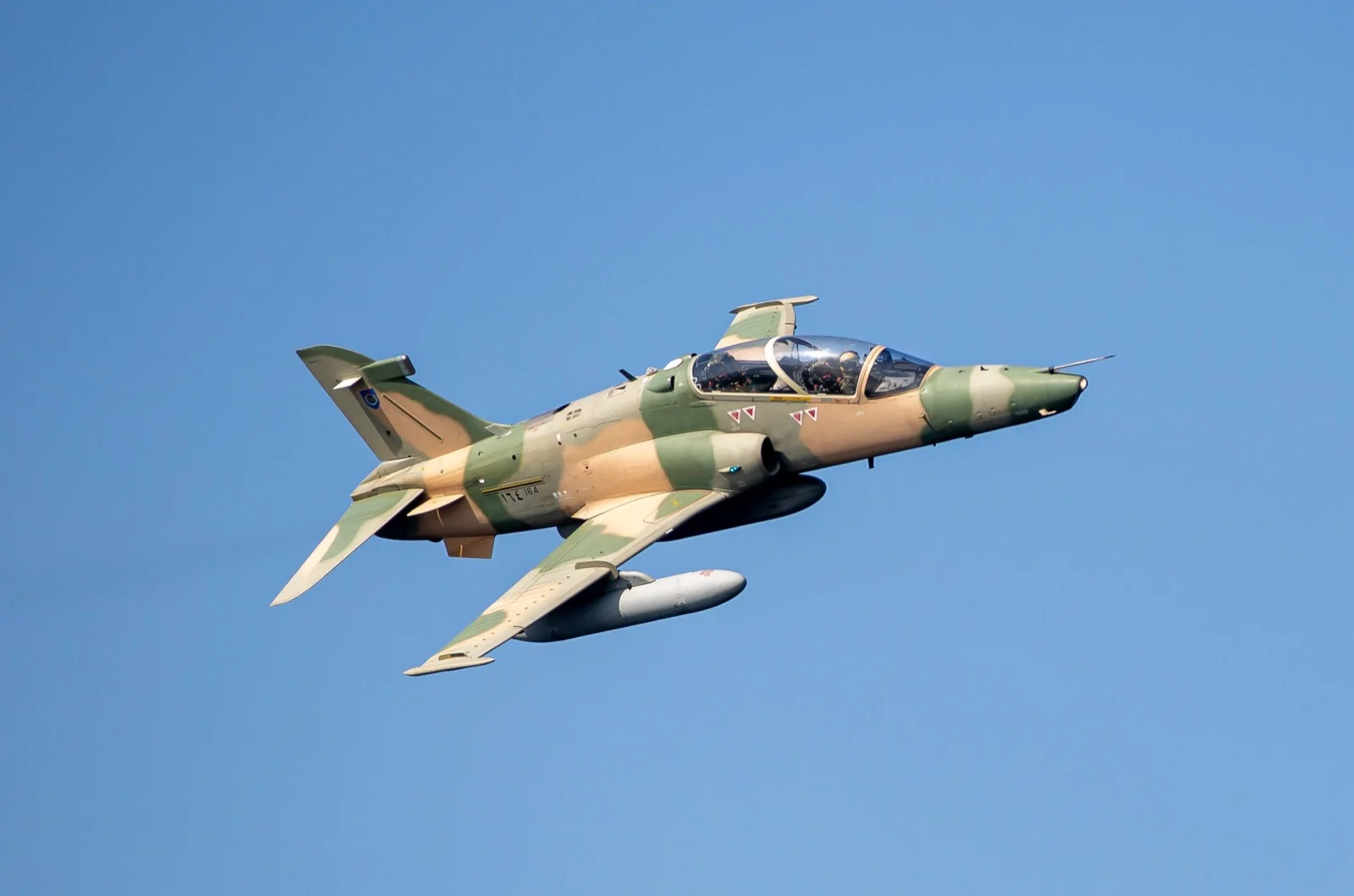
Oman is the least discussed and arguably the most geographically consequential state in the Gulf. The southern shore of the Strait of Hormuz — the waterway carrying roughly a fifth of the world’s seaborne crude — is Omani territory. Yet Muscat has built its defence posture around neutrality rather than deterrence.
The Sultanate is the only Gulf state that has kept a working diplomatic channel to Tehran open through every regional crisis, and the shape of its forces reflects that choice. With 100,000 active personnel it fields the region’s second-largest army by headcount, yet the inventory is deliberately unshowy: 264 tanks, 128 aircraft and 31 helicopters describe a force built for border security and internal stability, not power projection.
Omani air power rests on Eurofighter Typhoon and F-16 squadrons, while British-built Khareef-class corvettes patrol the approaches south of Hormuz. The $8.36 billion defence budget looks modest in absolute terms but represents one of the heaviest defence burdens in the world relative to national output. Defence ties with Ankara have warmed in recent years, with Oman among the Gulf states evaluating Turkish unmanned systems and armoured vehicles.
Oman fields roughly four times Qatar’s active manpower, yet operates less than half as many aircraft.
| Capability | Total |
|---|---|
| Active personnel | 100,000 |
| Tanks | 264 |
| Total aircraft | 128 |
| Fighter aircraft | 29 |
| Helicopters | 31 |
| Naval vessels | 17 |
| Defence budget | $8.36bn |
The next country fields fewer troops but a considerably heavier armoured punch.
#5Kuwait
Power Index: 1.7161 · World rank: 76
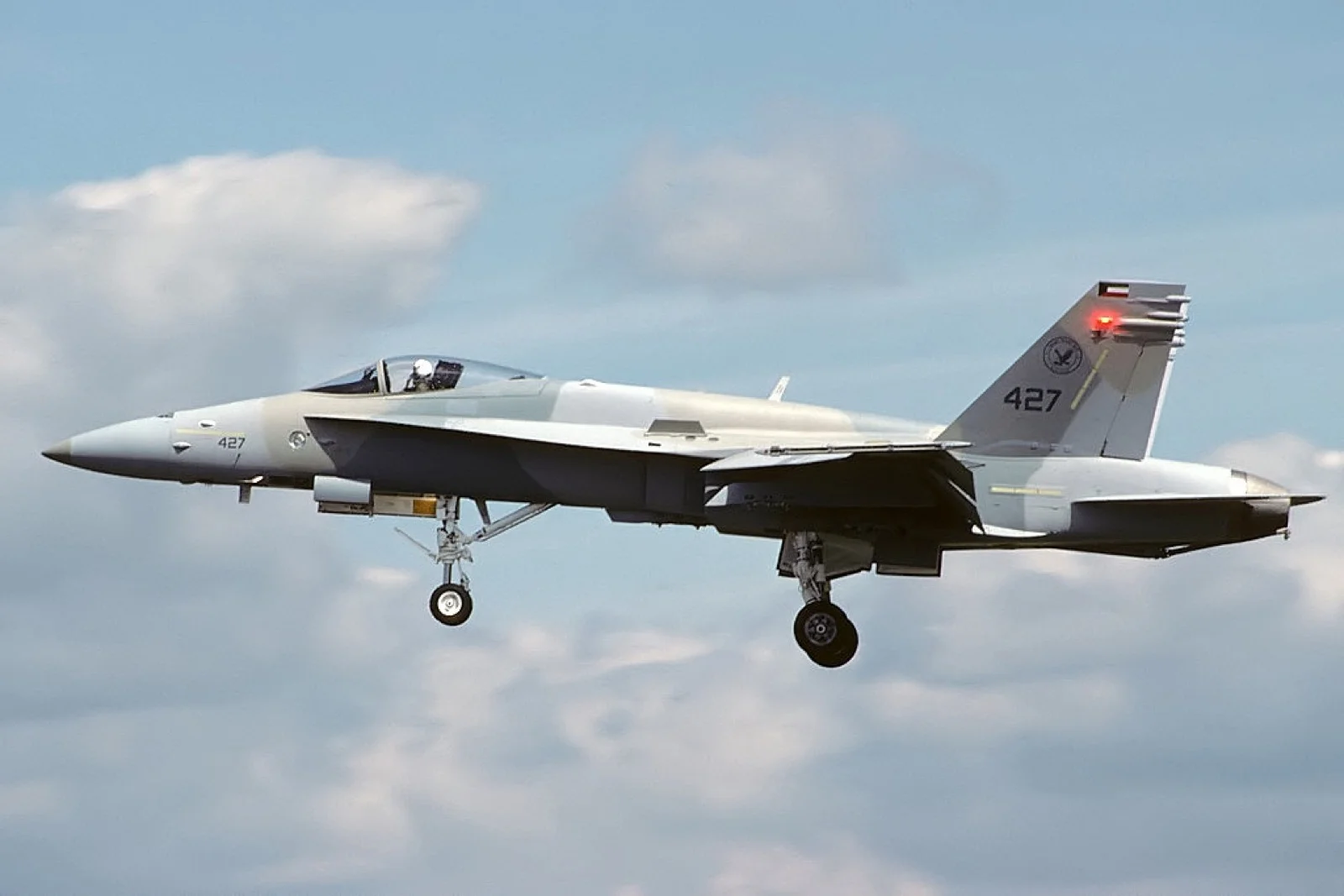
Kuwaiti defence planning is still shaped by the memory of 1990. Since the occupation, Kuwait has invested in two things: a dense network of allied guarantees and a small, modern force capable of holding until those guarantees activate. Today that force numbers 78,000 active personnel.
Armour is the standout line item. With 367 tanks, Kuwait operates the Gulf’s second-largest tank fleet behind Saudi Arabia, built around the M1A2 Abrams — a force structure designed for open desert engagements. The naval figure of 123 vessels looks impressive until you note that most are coastguard cutters and fast attack craft rather than blue-water combatants.
The air force is mid-transition. The F/A-18C/D Hornets that formed its backbone for decades are being replaced by a split buy of F/A-18E/F Super Hornets and Eurofighter Typhoons — a deliberate hedge against single-supplier dependency. At $7.99 billion the defence budget is modest by regional standards, but in Kuwait’s security calculus the allied military presence on its soil counts for at least as much as the line in the budget.
Kuwait operates 103 more tanks than Oman with 22,000 fewer active personnel.
| Capability | Total |
|---|---|
| Active personnel | 78,000 |
| Tanks | 367 |
| Total aircraft | 133 |
| Fighter aircraft | 47 |
| Helicopters | 68 |
| Naval vessels | 123 |
| Defence budget | $7.99bn |
Next up is the smallest military on this list — and one of the most modern.
#4Bahrain
Power Index: 1.6731 · World rank: 75
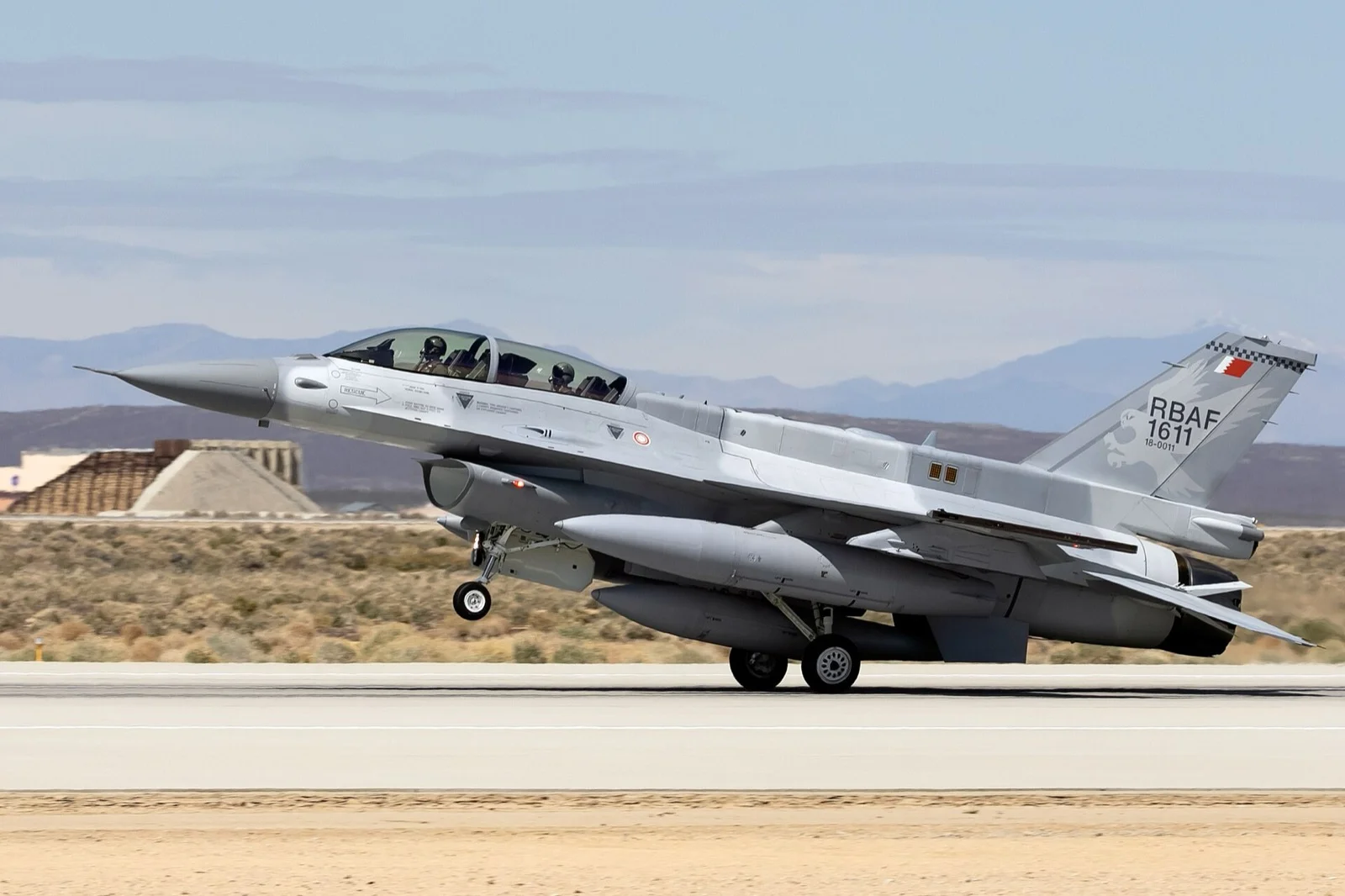
Bahrain is an island state of under 780 square kilometres and fields the smallest force on this list. Its 18,400 active personnel amount to less than a thirteenth of Saudi Arabia’s army. Yet it edges ahead of both Kuwait and Oman in the index, because GlobalFirepower weighs inventory quality and modernisation alongside raw headcount.
Manama’s strategic asset is its geography. The US Fifth Fleet is headquartered here, placing Bahrain at the centre of the Gulf’s maritime security architecture. Its 64 naval vessels are almost entirely small patrol craft, but the waters around the island see a permanent international naval presence that no national fleet could replicate.
In the air, Bahrain crossed a genuine threshold: it became the first operator of the F-16 Block 70, bringing AESA radar, updated avionics and extended-range munitions to a fleet that previously flew earlier F-16C/D variants. Of 137 aircraft, 28 are fighters — a small number attached to one of the youngest fleets in the region by average airframe age. Sustaining that modernisation on a $997 million defence budget is Manama’s hardest long-term equation.
Bahrain outranks Kuwait in the index with a quarter of its manpower; the difference is fleet modernity, not headcount.
| Capability | Total |
|---|---|
| Active personnel | 18,400 |
| Tanks | 150 |
| Total aircraft | 137 |
| Fighter aircraft | 28 |
| Helicopters | 66 |
| Naval vessels | 64 |
| Defence budget | $0.99bn |
Into the top three — and the next country has close to a world record in fighters per soldier.
#3Qatar
Power Index: 1.4096 · World rank: 71
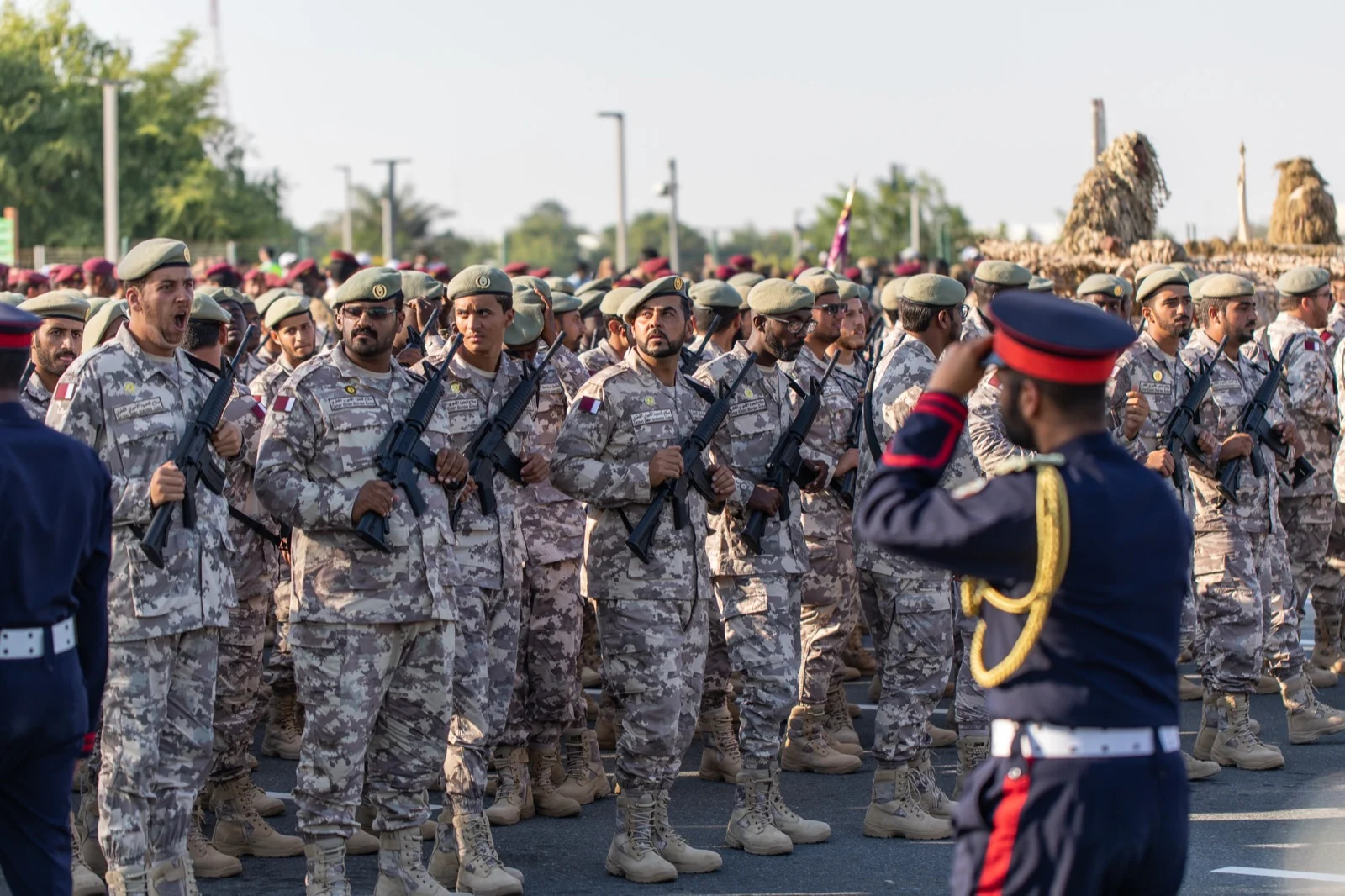
Qatar represents one of the fastest force transformations in modern defence history. Before the 2017 Gulf blockade, Doha operated a distinctly modest air arm. Within a short span afterwards it had placed fighter orders with three separate suppliers: Rafale from France, F-15QA from the United States and Eurofighter Typhoon from the United Kingdom.
The result, measured against population, is one of the densest fighter inventories anywhere: 115 combat aircraft supported by 26,550 active personnel — one fighter for every 231 servicemembers. The equivalent figure in Türkiye is one per 2,393. Qatar’s constraint was never aircraft; it is the pilot and technician pool needed to fly and sustain them.
Türkiye occupies a distinctive place in Doha’s security calculus. Ankara’s rapid reinforcement of its military presence in Qatar during the opening days of the blockade turned a defence relationship into something closer to a strategic one. Since then Qatar has built a broad Turkish procurement channel spanning unmanned systems and armoured vehicles, including Bayraktar TB2 acquisition and a joint venture with BMC. Its $11.95 billion defence budget is the third largest in the bloc.
Qatar flies four times as many fighters as Bahrain (115 against 28) with only 8,000 more personnel.
| Capability | Total |
|---|---|
| Active personnel | 26,550 |
| Tanks | 62 |
| Total aircraft | 263 |
| Fighter aircraft | 115 |
| Helicopters | 85 |
| Naval vessels | 125 |
| Defence budget | $11.95bn |
Into the top two, and the next state fields the Gulf’s most balanced force structure.
#2United Arab Emirates
Power Index: 1.0188 · World rank: 54
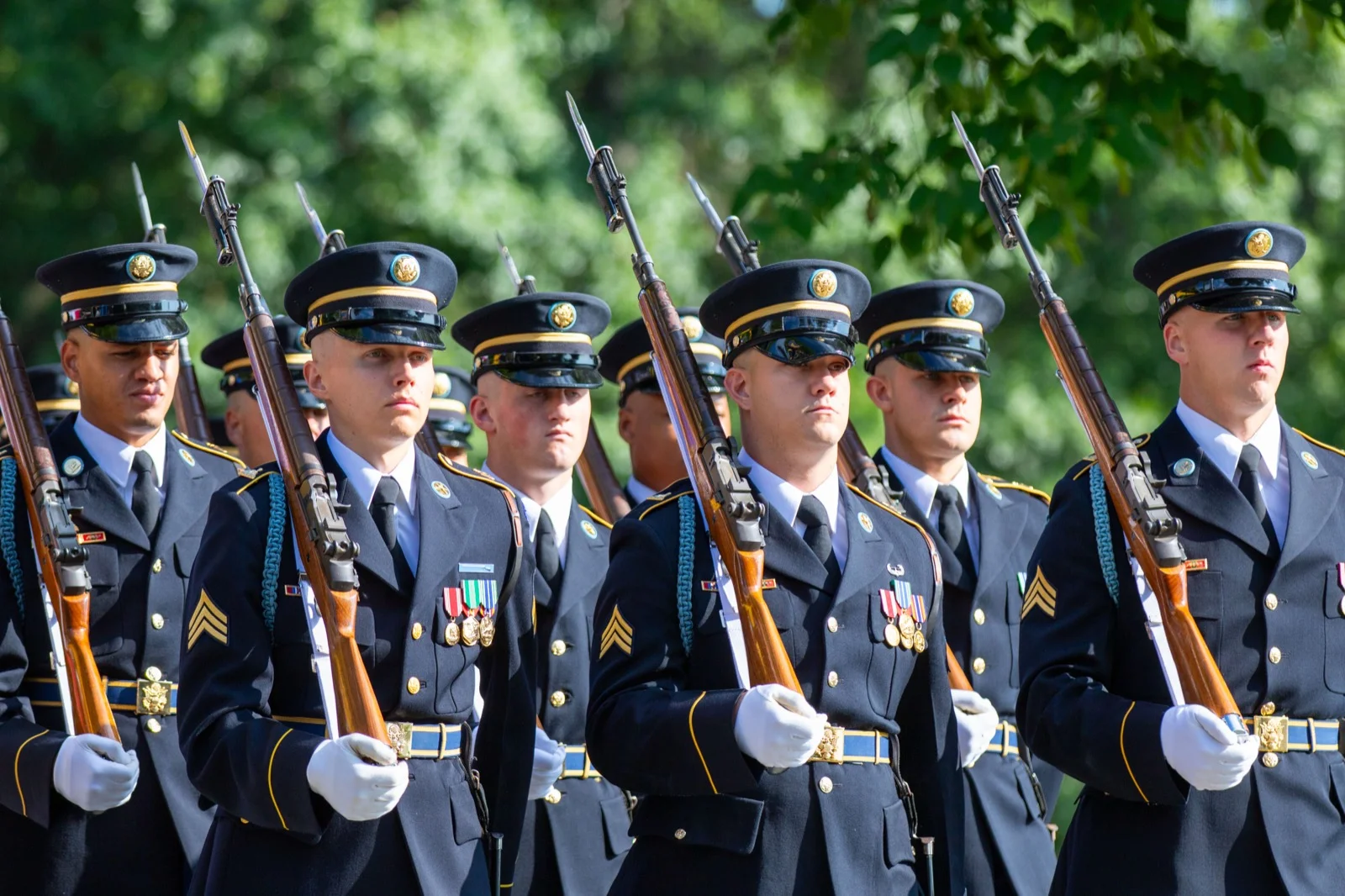
The United Arab Emirates converts budget into capability more efficiently than any of its neighbours. With 65,000 active personnel it fields the second-smallest force in the bloc, yet it ranks 54th globally and sits directly behind Saudi Arabia in the Gulf. That disproportion is what earned the country its reputation among Western analysts as the region’s most operationally serious small military.
The strength lies in composition rather than scale. Of 581 aircraft, 99 are fighters and 250 are helicopters — the largest rotary fleet in the Gulf, built around AH-64 Apache attack helicopters. The air force’s backbone, the F-16 Block 60 Desert Falcon, was developed specifically for the UAE and entered service with avionics that in some respects exceeded contemporary US Air Force F-16 standards.
What genuinely separates Abu Dhabi is its industrial base. EDGE Group, formed by consolidating dozens of national defence firms, now develops everything from loitering munitions to guided weapons, and the UAE has become an exporter in its own right. The country also accumulated combat experience in Yemen and Libya — a rare commodity among Gulf forces. A $23.48 billion budget keeps that capability sustainable.
The UAE operates more than double Qatar’s total aircraft (581 against 263) and three times its helicopter fleet.
| Capability | Total |
|---|---|
| Active personnel | 65,000 |
| Tanks | 354 |
| Total aircraft | 581 |
| Fighter aircraft | 99 |
| Helicopters | 250 |
| Naval vessels | 84 |
| Defence budget | $23.48bn |
And at the top, a single state that outweighs the other five combined.
#1Saudi Arabia
Power Index: 0.4473 · World rank: 25
Saudi Arabia is the Gulf’s only heavyweight, and the margin here is not close. Its 247,000 active personnel exceed the combined total of the other five member states. Its $63.99 billion defence budget likewise exceeds their combined spending and places Riyadh among the world’s ten largest defence spenders.
The inventory matches that scale: 1,085 tanks, 917 aircraft including 283 fighters, and 264 helicopters. The air force operates F-15SA, Eurofighter Typhoon and Tornado fleets, giving it the deepest combat aviation capability in the region. The army fields M1A2S Abrams tanks and Patriot batteries. The clear gap is at sea — 32 naval vessels is thin for a country with two coastlines — which Riyadh is addressing through Avante 2200 corvettes and multi-mission frigate programmes.
The real test ahead is Vision 2030’s target of localising half of all defence spending. Saudi Arabian Military Industries is the vehicle for that ambition, and Riyadh is actively seeking technology transfer across unmanned systems and munitions integration. The prolonged campaign in Yemen stress-tested Saudi air defence and munitions stockpiles, and exposed how much of the sustainment chain runs through foreign suppliers.
Saudi Arabia alone fields more active personnel and a larger defence budget than the other five Gulf states put together.
| Capability | Total |
|---|---|
| Active personnel | 247,000 |
| Tanks | 1,085 |
| Total aircraft | 917 |
| Fighter aircraft | 283 |
| Helicopters | 264 |
| Naval vessels | 32 |
| Defence budget | $63.99bn |
Where the Gulf military balance is heading
The Gulf’s 2026 military picture is effectively unipolar. Saudi Arabia leads on manpower, budget and inventory by a margin no neighbour can close. The United Arab Emirates competes on quality rather than quantity. Qatar, Bahrain, Kuwait and Oman each maintain forces scaled to their geography — smaller, but in several cases strikingly modern.
The common thread is import dependence. Nearly every platform in the bloc originates in the United States, France, the United Kingdom or, increasingly, China and Türkiye. That leaves regional capability sensitive to supplier politics, a vulnerability made plain during the Yemen campaign when munitions transfers became a live political question. EDGE in the UAE and SAMI in Saudi Arabia exist to reduce exactly that exposure.
The second constraint is manpower. No Gulf state can generate a large ground force from its own population; Bahrain’s 18,400 and Qatar’s 26,550 active personnel make the point. That pushes the region towards capital-intensive answers: layered air defence, unmanned systems, long-range precision munitions and automation. Expect the weight of Gulf defence budgets to keep shifting away from land platforms and towards those categories.
The third factor is Iran. Across the Strait of Hormuz sits a military ranked 16th globally, with 610,000 active personnel, 2,675 tanks and 25 submarines — a force structure larger than the entire GCC combined. Gulf investment in ballistic missile defence and mine countermeasures follows directly from that asymmetry. Oman’s neutrality, Qatar’s multi-channel diplomacy and Riyadh’s recent contacts with Tehran are all attempts to supplement hardware with statecraft.
Finally, the procurement map is diversifying. A bloc that once bought almost exclusively from the West now counts China, South Korea and Türkiye among its regular suppliers. That gives Gulf capitals leverage in negotiations, but it also creates an engineering problem: making platforms of four or five different origins work inside a single command-and-control architecture will be the region’s defining technical challenge of the coming decade.
Gulf states military comparison (2026)
| # | Country | Power Index | Active personnel | Tanks | Aircraft | Fighters | Helicopters | Naval vessels | Defence budget |
|---|---|---|---|---|---|---|---|---|---|
| 1 | Saudi Arabia | 0.4473 | 247,000 | 1,085 | 917 | 283 | 264 | 32 | $63.99bn |
| 2 | United Arab Emirates | 1.0188 | 65,000 | 354 | 581 | 99 | 250 | 84 | $23.48bn |
| 3 | Qatar | 1.4096 | 26,550 | 62 | 263 | 115 | 85 | 125 | $11.95bn |
| 4 | Bahrain | 1.6731 | 18,400 | 150 | 137 | 28 | 66 | 64 | $0.99bn |
| 5 | Kuwait | 1.7161 | 78,000 | 367 | 133 | 47 | 68 | 123 | $7.99bn |
| 6 | Oman | 1.8823 | 100,000 | 264 | 128 | 29 | 31 | 17 | $8.36bn |
| – | Türkiye (reference) | 0.1975 | 481,000 | 2,284 | 1,101 | 201 | 509 | 192 | $51.40bn |
A new ranking tomorrow
Coming up: the ten countries closing on Türkiye, NATO’s largest standing armies and the states strong on land, air and sea at once.
Frequently Asked Questions
Which Gulf state has the strongest military?
Saudi Arabia, according to GlobalFirepower’s 2026 Power Index. Its score of 0.4473 places it 25th worldwide and comfortably ahead of every other GCC member.
Why does Qatar operate so many fighter aircraft?
After the 2017 Gulf blockade, Doha ordered fighters from three suppliers simultaneously — Rafale from France, F-15QA from the United States and Eurofighter Typhoon from the United Kingdom — to avoid dependence on any single partner. The result is 115 combat aircraft supported by just 26,550 active personnel.
Is Türkiye stronger than the Gulf states?
Yes. Türkiye ranks 9th globally in the 2026 index while Saudi Arabia, the strongest Gulf military, ranks 25th. Türkiye also fields more tanks, more aircraft and a submarine force that no GCC state possesses.
Why does Bahrain rank above Kuwait and Oman?
The index weighs modernisation, logistics and geography alongside manpower. Bahrain was the first operator of the F-16 Block 70 and fields one of the youngest fighter fleets in the region, which offsets its small headcount.
Do Gulf states operate Turkish defence equipment?
Yes. Qatar in particular has acquired Bayraktar TB2 unmanned aircraft and armoured vehicles, and Turkish systems are under evaluation elsewhere in the bloc. The appeal rests on packages that include technology transfer and joint production.
Sources
- GlobalFirepower 2026 Power Index and Middle East regional ranking
- IISS The Military Balance
- SIPRI Military Expenditure Database
- Defence ministry statements from GCC member states
- Turkish Presidency of Defence Industries export data
- Source: https://www.globalfirepower.com/