





Spike NLOS Fires From an ISV-U for the First Time: 17 Hits at Dugway

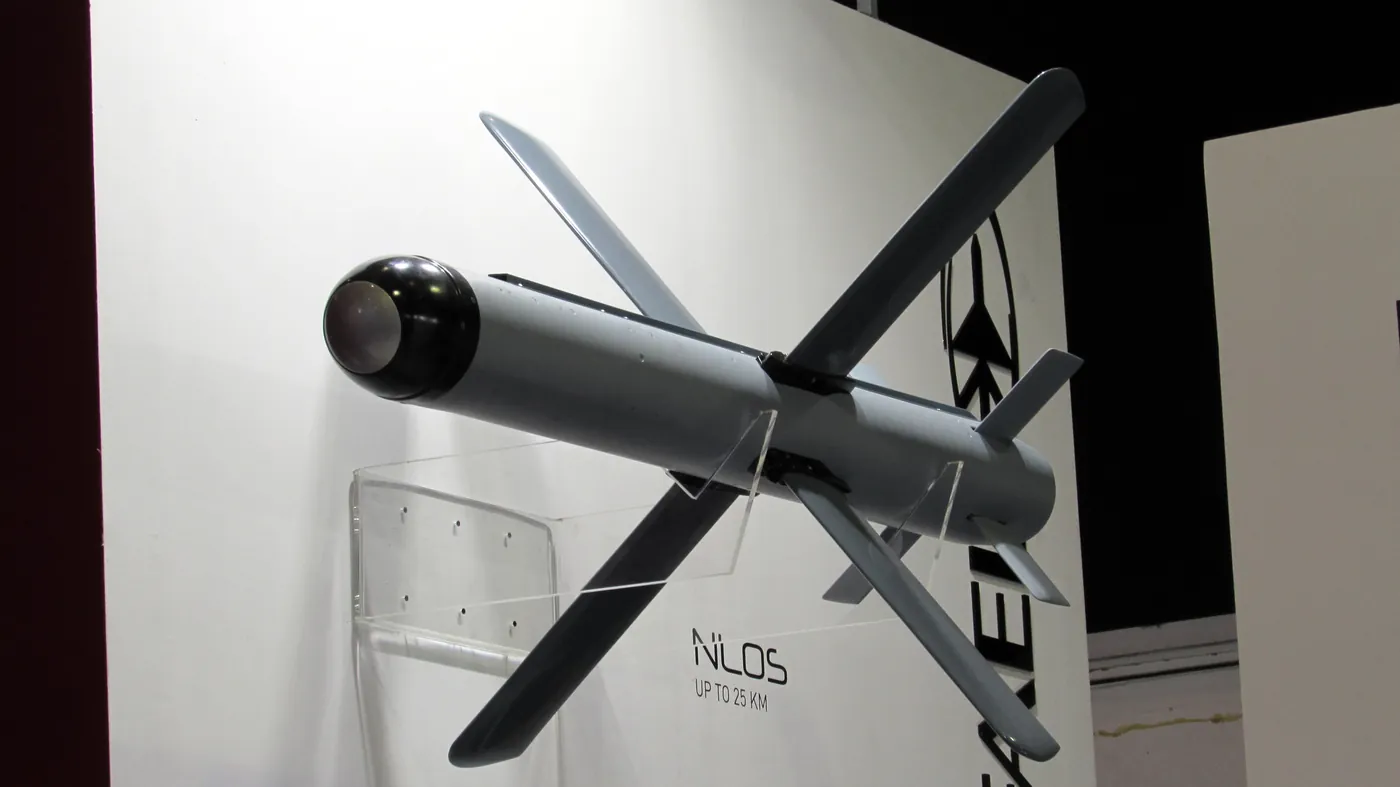
Lockheed Martin fired its Spike NLOS missile from an Infantry Squad Vehicle-Utility (ISV-U) for the first time. According to an October 22, 2026 report from the Spanish defense outlet Infodefensa, US Army infantry soldiers conducted 17 precision engagements against simulated targets at varying ranges during a three-day event at Dugway Proving Ground, Utah.
Most of the shots were fired not by Lockheed Martin engineers but by Army infantrymen themselves, which the company presents as proof the missile can be operated from a mobile platform in realistic field conditions. Casey Walsh, director of Lockheed Martin’s Multi-Domain Missile Systems program, called the demonstration a milestone for Spike NLOS, saying it showed infantry soldiers can employ a precision long-range missile from a mobile platform.
The M-LRPSM Program
The demonstration falls under the US Army’s Mobile-Long Range Precision Strike Missile (M-LRPSM) program, which aims to give ground units long-range precision strike without requiring direct line of sight to the target — letting a unit hit what it cannot see.
Spike NLOS was selected for the competition after a successful first demonstration in August 2025, then advanced to Phase 2 in October 2025, when Lockheed Martin received a $30 million contract for integration and testing. The Dugway demonstration is part of this second phase.
The ISV-U Platform and the Test Data
The ISV-U is a missile-launch-capable variant of the lightweight tactical vehicle developed for infantry mobility. Per Infodefensa’s report, this marks the first time Spike NLOS has been fired from this particular mobile platform; the missile had previously been tested from an AH-64 Apache helicopter during earlier phases of the program.
Soldiers received training during the three-day event before conducting live fire within the same week. The report did not disclose engagement ranges or hit rates, citing only the 17 target engagements. Units tied to the Army’s Transformation in Contact (TIC) initiative handled the missile and provided feedback that will help shape M-LRPSM’s final requirements.
Where Spike NLOS Comes From
Spike NLOS is the long-range member of the Spike missile family developed by Israel’s Rafael Advanced Defense Systems. For the US market, Lockheed Martin works jointly with Rafael to adapt the missile for domestic production and integration — an example of how foreign-origin weapon systems can enter Pentagon procurement through a co-development arrangement with a US prime.
The missile’s non-line-of-sight capability lets a crew engage a target without seeing it directly, using data relayed from a drone or another sensor. That turns the weapon from a purely anti-armor missile into a more flexible precision-strike tool.
The Transformation in Contact Approach
Units involved in the test are part of the Army’s Transformation in Contact initiative, which calls for testing new technologies with operational units before procurement decisions are finalized, shaping requirements around real user feedback. The Dugway demonstration is one field example of that approach in practice.
What Comes Next
Lockheed Martin plans additional validation tests next year, ahead of a Phase 3 that would cover initial production and delivery of final prototypes to the Army. A final competitive selection for M-LRPSM is expected only once these phases are complete, with Spike NLOS remaining one of the leading contenders.
Field tests that put soldiers directly in the loop, rather than relying solely on contractor demonstrations, reflect a broader shift in how the Army is trying to buy new weapon systems — folding user feedback in early rather than after a system is already fielded.
Frequently Asked Questions
What platform fired Spike NLOS for the first time?
According to Infodefensa, this was the missile’s first firing from an Infantry Squad Vehicle-Utility (ISV-U).
Where did the test take place?
At Dugway Proving Ground, Utah, over a three-day event.
How many shots were fired?
17 precision engagements against simulated targets at varying distances.
What is the goal of the M-LRPSM program?
To give ground units long-range precision strike capability without requiring direct line of sight to the target.
Sources
- Infodefensa, “Lockheed Martin prueba el misil Spike NLOS desde un vehículo de infantería ISV-U del Ejército de Estados Unidos,” October 22, 2026 — link. Used to verify test details, Lockheed Martin’s statement, and program context.