





Pentagon-BAE Deal: 25,000 APKWS Kits a Year Make Drone Hunting Cheaper

Quick take: The Pentagon and BAE Systems announced a framework agreement on Monday, October 19, 2026, covering purchases of up to 25,000 APKWS laser-guidance kits a year for as long as seven years. No price was disclosed, and the deal still needs congressional approval; the two sides are negotiating the multiyear contract that would implement it.
What APKWS does and why this matters now
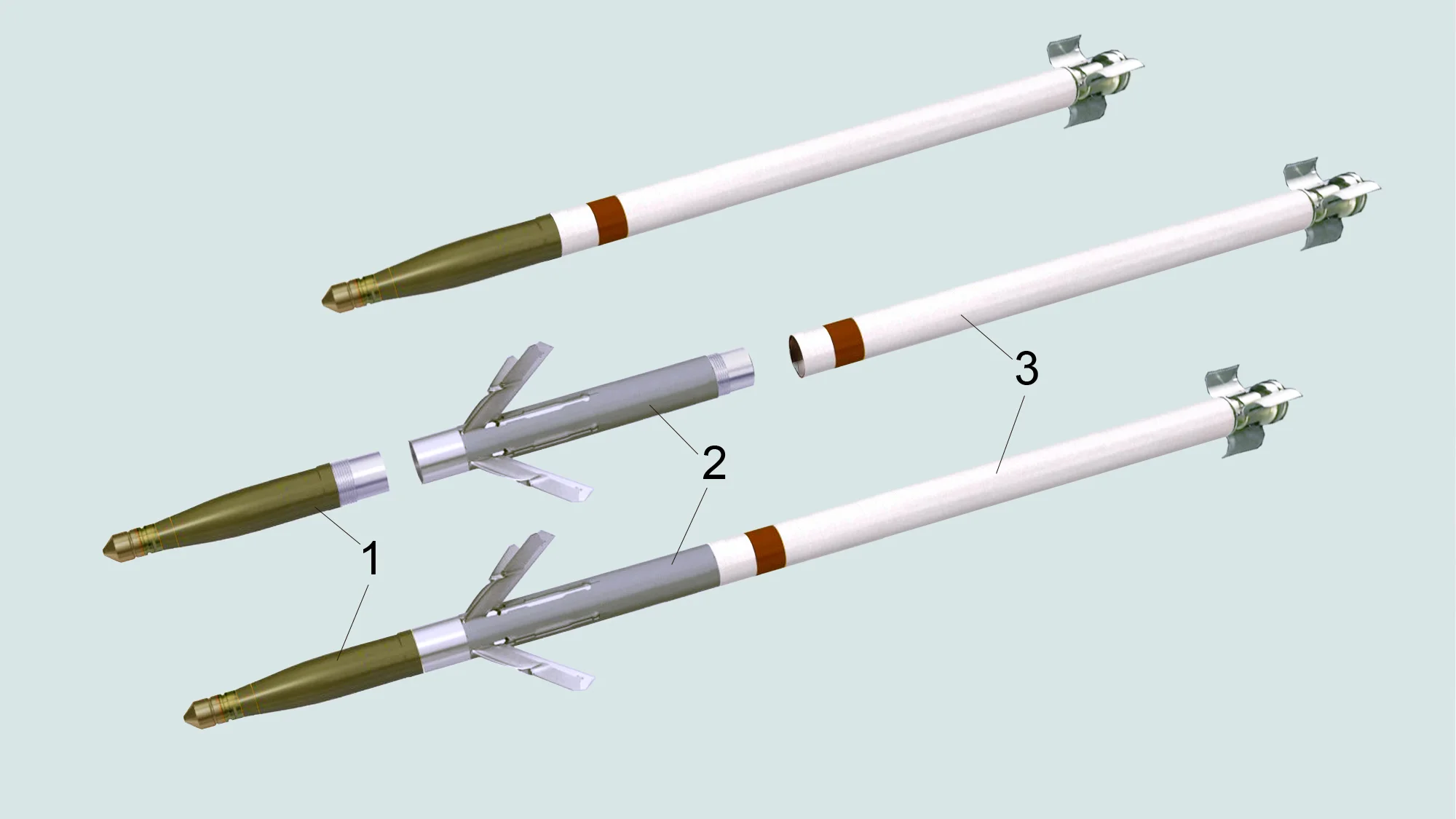
APKWS (Advanced Precision Kill Weapon System) turns unguided 2.75-inch rockets into laser-guided munitions, and all four US services field it. Michael Duffey, the Pentagon’s undersecretary for acquisition and sustainment, said the agreement “keeps production lines running at capacity” and gives forces a steady interceptor inventory. BAE Systems Inc. CEO Tom Arseneault called the kit “proven, reliable and affordable precision at scale.”
From 25,000 to 35,000: building allied capacity
The framework’s real novelty is a built-in growth path beyond domestic use. It outlines added production capacity that would push annual output to 35,000 kits as allied nations formally request them through Foreign Military Sales. That signals APKWS is no longer just filling US magazines — it is being positioned as the default low-cost counter-drone answer for partner air forces too.
The kit’s appeal rests on cost. The Pentagon frames it as a far cheaper way to down drones than expending air-to-air missiles. BAE builds the kits in Hudson, New Hampshire, and Austin, Texas, and delivered its 100,000th unit in February 2026.
Part of a wider munitions buildup
This deal doesn’t stand alone. The Navy signed a separate five-year contract worth up to $1.74 billion in August 2025, covering up to 55,000 kits. The State Department cleared a possible $1.96 billion sale to Saudi Arabia in July 2026 for 20,000 kits, and Italy is weighing a purchase of 5,031 units. Earlier in 2026, the Pentagon pushed Lockheed Martin to more than triple PAC-3 MSE production and struck a THAAD interceptor framework worth over $35 billion — APKWS is the latest piece of a broader push to rebuild depleted interceptor stockpiles through sustained serial production.
Why cheap munitions became a strategic priority
The logic behind the APKWS deal reflects how much faster stockpiles have been drawn down by drone and cruise-missile threats than planners expected. Spending expensive air-to-air missiles to down cheap drones has widened what US planners call a “cost asymmetry,” where the interceptor routinely costs many times more than the target it destroys. APKWS’s low unit cost sits at the center of the effort to reverse that asymmetry, which is why the Pentagon is framing the kit as part of a supply-chain strategy rather than a single munition purchase.
Why it matters for Turkey and NATO
The niche APKWS occupies — cheap, guided munitions built for drone-hunting — is the same space where Turkish industry has concentrated. Roketsan’s CİRİT and TEBER rocket families, and the counter-UAS systems ASELSAN and Roketsan jointly produce, such as KORKUT, SUNGUR and HİSAR, follow a similar cost-effectiveness logic. As APKWS expands into allied sales, US-origin kits will compete more directly with Turkish systems in markets like the Middle East and Southeast Asia, where both are already courting buyers. As a NATO member, Turkey sits on both sides of that dynamic: a prospective FMS customer and a rival low-cost exporter chasing the same clientele.
The scale gap is instructive. Roketsan said it closed 2025 with more than $750 million in exports, a significant share coming from precisely this guided-rocket and munitions segment, while ASELSAN reported 88.5 billion lira in revenue for the first half of 2026. The 25,000-to-35,000-kit annual volume the Pentagon is planning for APKWS means a US player will enter the same markets Turkish manufacturers compete in with a serial-production scale several times larger — a competitive pressure that could weigh directly on Roketsan’s and ASELSAN’s export strategies.
Congressional timing and the final terms of the multiyear contract remain open questions. But the Pentagon’s string of interceptor and guidance-kit frameworks this year points clearly toward locking low-cost precision munitions into a permanent serial-production model for years to come — both a competitive threat and a reference point Turkish industry can use to sharpen its own export pitch.
Sources
- Defense News, “Pentagon, BAE sign deal for up to 25,000 precision-guided munition kits a year,” October 19, 2026 — used for deal scope, official statements, production details and related contracts.
- BAE Systems press statements on the 100,000th APKWS kit delivery, February 2026 — used to verify production sites and output volume.
- US State Department / DSCA approval notice, July 2026 (Saudi Arabia APKWS sale) — used to verify the scale of allied sales.