Raytheon Expands SM-3 Production With $115 Million Alabama Investment

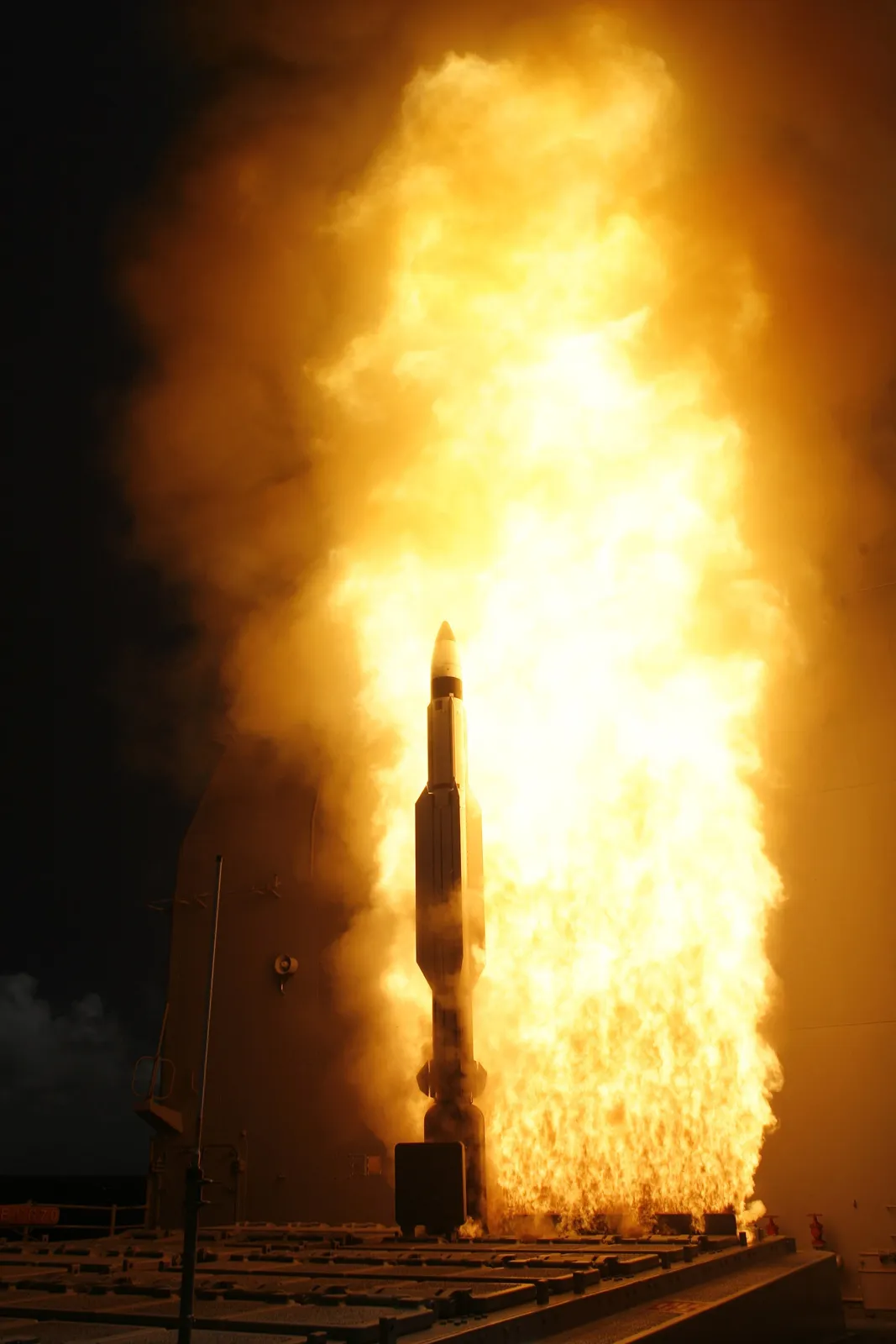
Raytheon has completed a $115 million expansion of its missile integration facility in Huntsville, Alabama, lifting integration and delivery capacity by more than 50 percent with the SM-3 Block IIA interceptor as the focus.
At a Glance
- $115 million expansion at the Huntsville, Alabama missile integration facility
- Integration and delivery capacity increased by more than 50 percent
- Focus on the SM-3 Block IIA exo-atmospheric interceptor
- Backed by a $745 million Missile Defense Agency production and sustainment contract
- Complementary work carried out in Tucson, Arizona
- Raytheon is hiring new graduates, experienced professionals and veterans for the program
A capacity bet on the SM-3 line
Raytheon, an RTX business, has expanded its missile integration facility in Huntsville, Alabama with a $115 million investment that raises integration and delivery capacity by more than 50 percent, defence-industry.eu reported on August 10, 2026. The expansion centers on the SM-3 Block IIA interceptor, which addresses US and allied ballistic missile defense requirements, with complementary work performed in Tucson, Arizona.
The contractual foundation is the Missile Defense Agency’s $745 million award covering SM-3 Block IIA production and sustainment. Barbara Borgonovi, president of Naval Power at Raytheon, said the company has “continuously invested in our production lines and processes,” enabling it to “increase capacity and deliver this critical munition to our customers faster.” Raytheon is recruiting for the program across new graduates, experienced hires and veterans.
What the Block IIA brings
The SM-3 family performs exo-atmospheric intercepts of ballistic missiles, launched from Aegis-equipped warships and from land-based Aegis Ashore sites. The Block IIA variant features a larger rocket motor and an improved kinetic warhead compared with earlier versions, extending the defended footprint of the system.
Developed jointly by the United States and Japan, the Block IIA sits at the top of the Standard Missile 3 line. The Huntsville expansion therefore matters beyond the US Navy: allied fleets operating the Aegis architecture stand to benefit from shorter delivery timelines as integration throughput grows.
Part of a wider interceptor surge
The investment lands amid a broader US push to deepen interceptor stockpiles, with production increases under way in the same period across the Arrow, THAAD and Patriot lines. Against a growing ballistic missile threat, manufacturers are targeting the integration and delivery stage, where bottlenecks have constrained how quickly missiles reach operators.
For Raytheon, the Huntsville project converts a long-term demand signal, anchored by the MDA contract, into physical throughput. The company’s hiring drive for the program indicates the expanded lines are intended for sustained, not surge-only, output.
Why It Matters
Missile defense competition is increasingly decided on the factory floor. A 50-percent-plus increase in integration and delivery capacity directly shortens the path from contract to fielded interceptor, and the $745 million MDA award gives the expanded Huntsville site a stable production baseline.
The move also signals to allied Aegis operators that SM-3 Block IIA availability should improve, at a moment when demand for exo-atmospheric interceptors is rising across several theaters and parallel production ramps are under way on other interceptor lines.
Frequently Asked Questions
What did Raytheon invest in Alabama?
A $115 million expansion of its missile integration facility in Huntsville, raising integration and delivery capacity by more than 50 percent, with the SM-3 Block IIA as the focus and complementary work in Tucson, Arizona.
What distinguishes the SM-3 Block IIA?
It has a larger rocket motor and an improved kinetic warhead compared with earlier SM-3 versions, performs exo-atmospheric intercepts from Aegis ships and Aegis Ashore sites, and was co-developed by the US and Japan.
What contract underpins the expansion?
A $745 million Missile Defense Agency contract for SM-3 Block IIA production and sustainment.
Sources
- defence-industry.eu — Investment figure, capacity increase, MDA contract and Borgonovi statement; August 10, 2026