French-German Institute ISL Tests Railgun Outdoors for the First Time

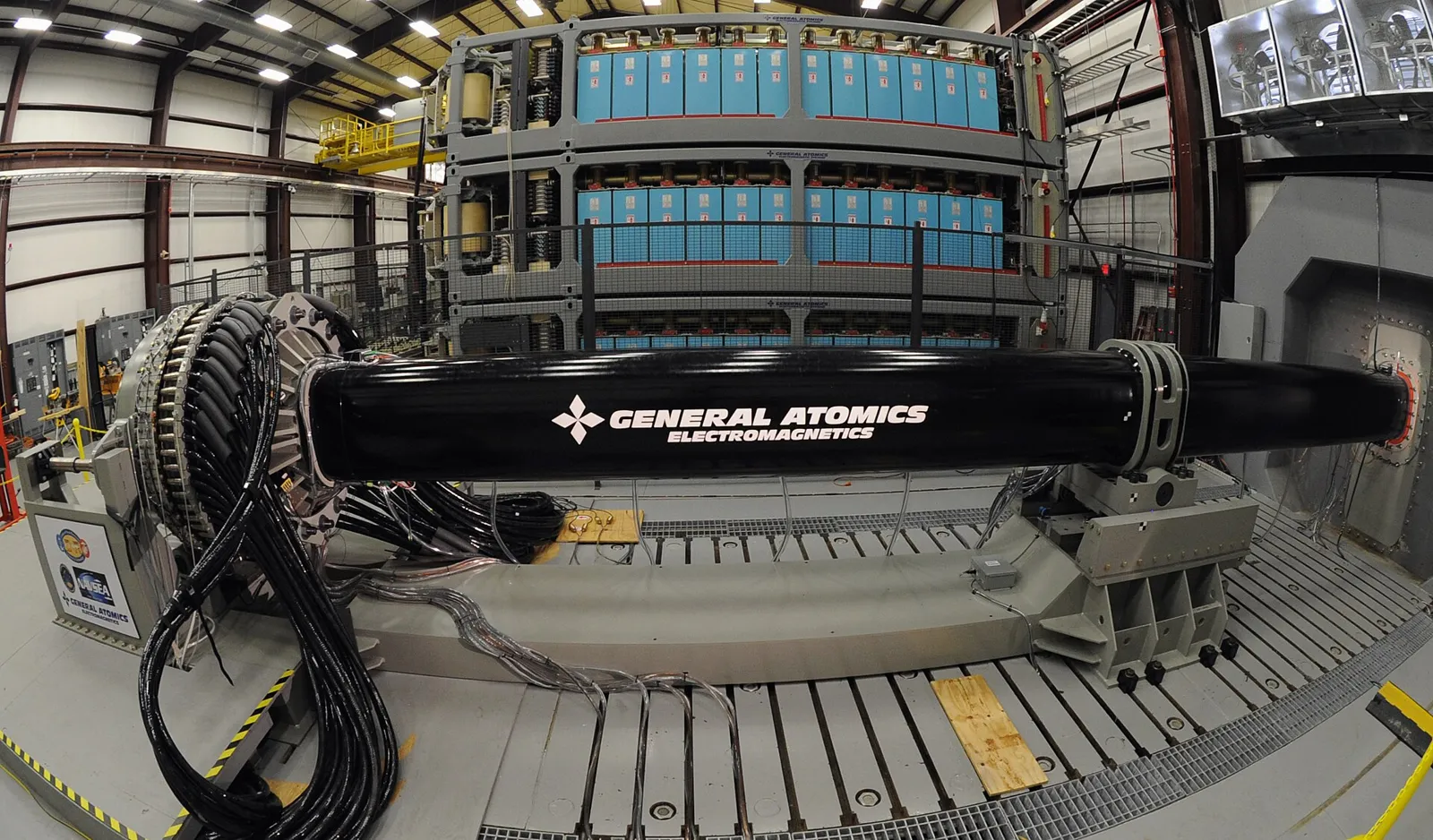
The French-German research institute ISL conducted the first outdoor free-flight test of an electromagnetic railgun as part of work to advance hypersonic-defence technologies.
- Institute: ISL (French-German Saint-Louis Institute)
- System: electromagnetic railgun
- First: outdoor free-flight test
- Goal: advance hypersonic-defence technology
The development
The Saint-Louis Institute (ISL), run jointly by France and Germany, announced it had tested its electromagnetic railgun outdoors for the first time. The firing allowed projectiles to be studied under real free-flight conditions rather than inside an enclosed test facility.
Railguns accelerate projectiles using electromagnetic force instead of propellant, reaching very high muzzle velocities. That makes them attractive for both long-range artillery and defence against hypersonic threats.
Why it matters
Electromagnetic acceleration pushes past the physical limits of chemical propellants, opening new possibilities in range and speed. An outdoor free-flight test is a critical step in moving from laboratory conditions to operational reality.
Europe advancing its own research infrastructure in this field parallels years of US and other railgun work and is part of the continent’s effort to strengthen its autonomy in advanced weapon technologies.
Frequently Asked Questions
How does a railgun work?
It accelerates a projectile with electromagnetic force instead of propellant, reaching very high muzzle velocities.
Why is this test important?
Being the first conducted outdoors under free-flight conditions, it is a critical step from the laboratory to operational reality.
Sources
- Army Recognition — French-German institute ISL tests railgun outdoors for the first time, July 2026