Denmark’s Military Power: How Many Tanks, Aircraft and Warships Are in the Inventory? (2026)

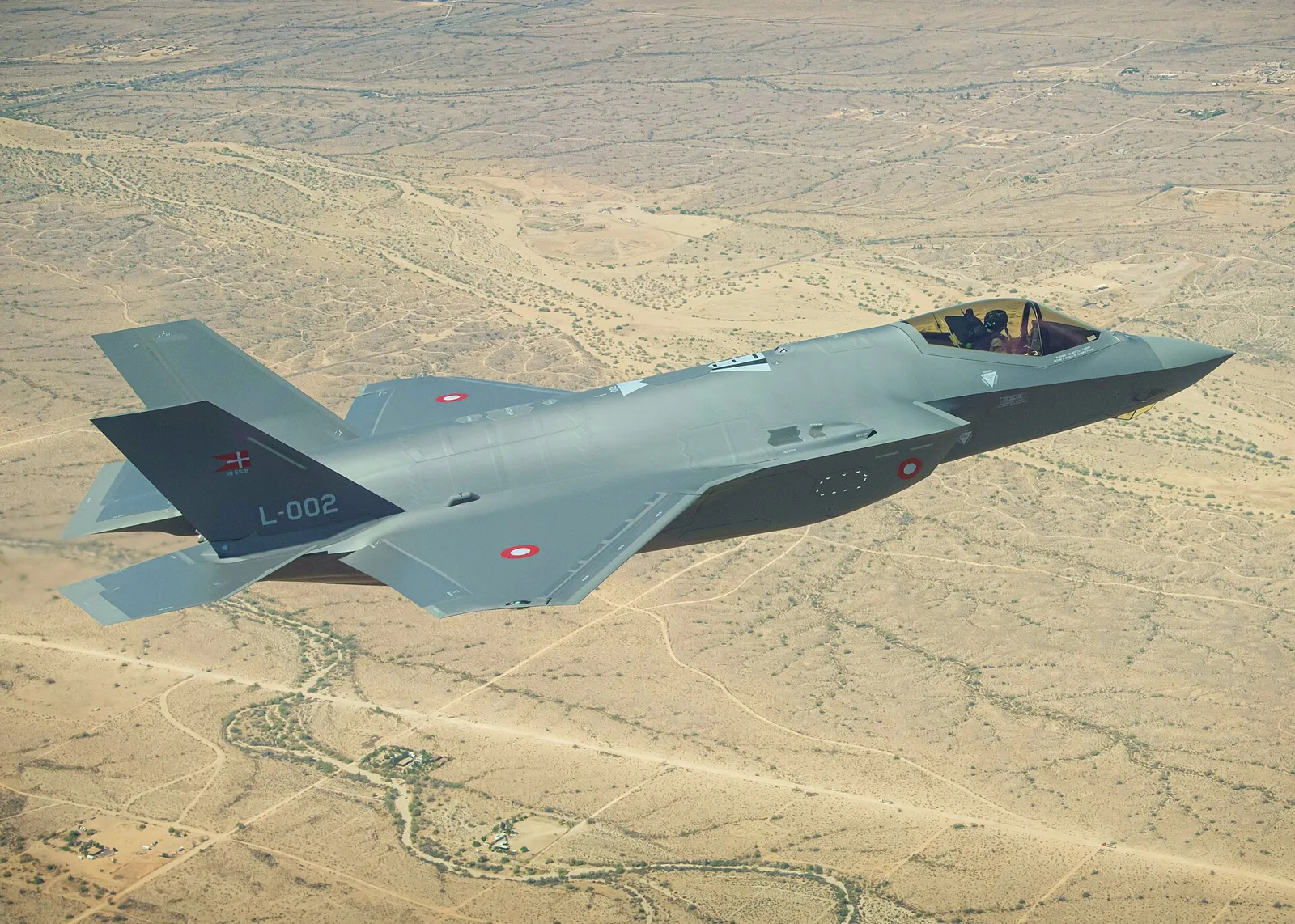
Denmark’s military inventory describes a small force that is tightly bound to NATO standards. About 15,000 to 17,000 active personnel, roughly 40 to 50 Leopard 2A5DK tanks, CV9035DK and Piranha V armoured vehicles make up land power, while the air force is moving to the F-35A and the navy is built around 3 Iver Huitfeldt frigates and 2 Absalon ships. Extra funds announced from 2025 for the Arctic and air defence are changing the direction of the inventory.
At a Glance
- Active personnel: Roughly 15,000 to 17,000 active personnel (approximate IISS/GFP); the Home Guard and volunteer reserve structures are counted separately. Conscription exists and was extended to cover women from 2026
- Main battle tanks: About 40 to 50 Leopard 2A5DK; renewal and additional procurement programmes are under way (approximate value)
- Armoured vehicles: CV9035DK infantry fighting vehicles, Piranha III/V wheeled armoured vehicles and M113 derivatives; several hundred armoured vehicles in total
- Military aircraft: F-35A (27 ordered, further procurement announced) and the remaining F-16AM/BM fleet, MH-60R, AW101 and Fennec helicopters; roughly 100 aircraft in total
- Navy: 3 Iver Huitfeldt-class frigates, 2 Absalon-class command and support ships, Knud Rasmussen-class offshore patrol vessels and Thetis-class ships; no submarines
- Defence budget: Around 2.4 percent of GDP in 2025, in a band of roughly 9 to 10 billion dollars; the government announced extra funds for the Arctic and air defence (approximate value)
Note: The inventory figures below are approximate values drawn from open sources such as Global Firepower, the IISS Military Balance and SIPRI.
About the Denmark Armed Forces
The Danish Armed Forces consist of the Army, Navy and Air Force; the Home Guard and volunteer reserve structures are counted separately. About 15,000 to 17,000 active personnel serve, conscription continues and from 2026 includes women. Figures are approximate.
Danish military strategy looks at three regions: the Baltic, the North Atlantic and the Arctic (Greenland and the Faroe Islands). Bornholm and the Danish Straits that control the entrances to the Baltic make the country critical on NATO’s northern flank. A Danish brigade also takes part in NATO forward presence in Latvia.
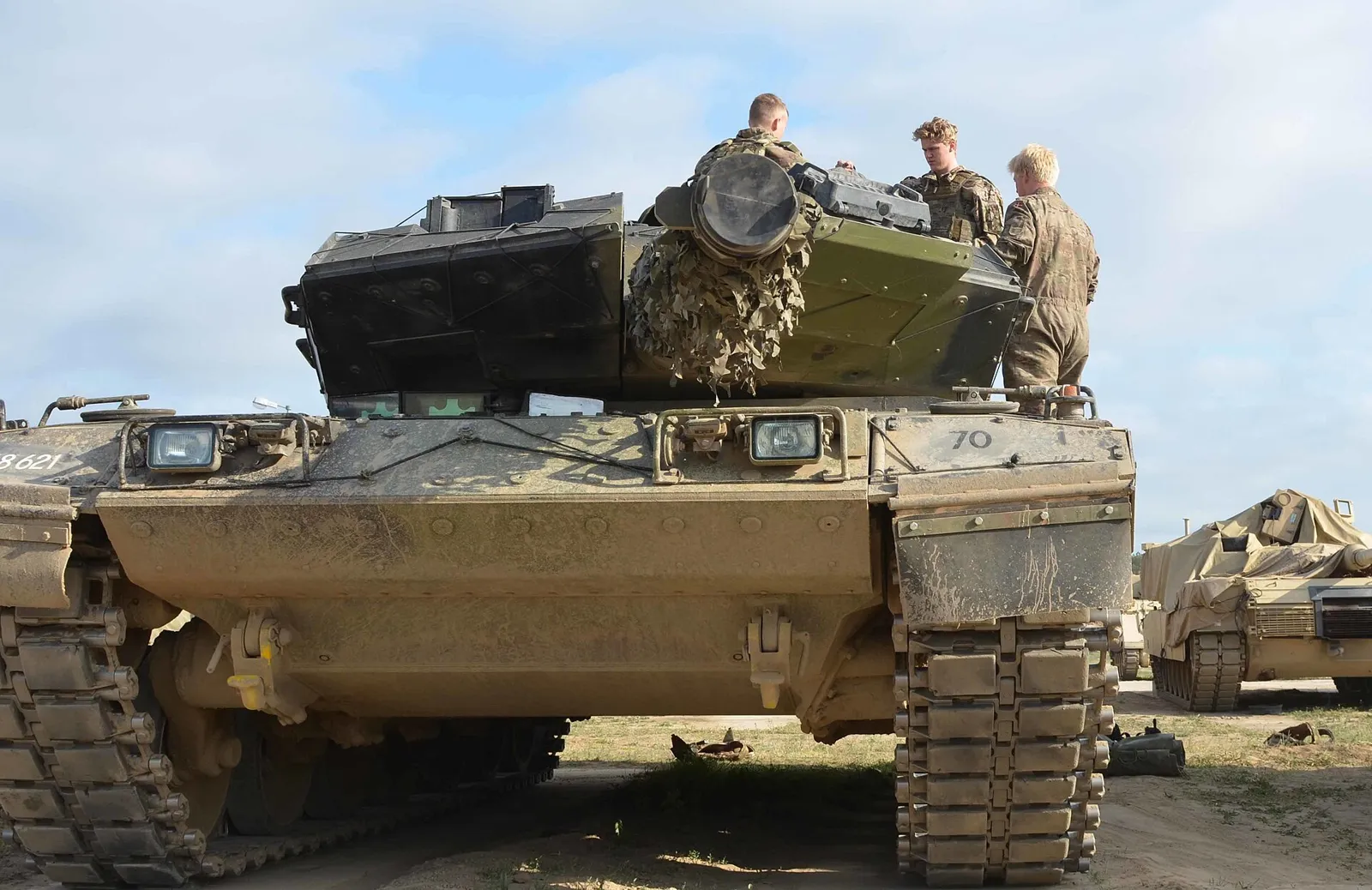
The land inventory is small but modern. About 40 to 50 Leopard 2A5DK tanks, CV9035DK infantry fighting vehicles, Piranha III and Piranha V wheeled armoured vehicles and M113 derivatives are in service. In artillery, most of the old M109s were handed to Ukraine; the Caesar 8×8 howitzer purchase is filling that gap.
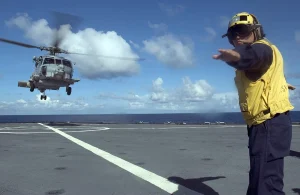
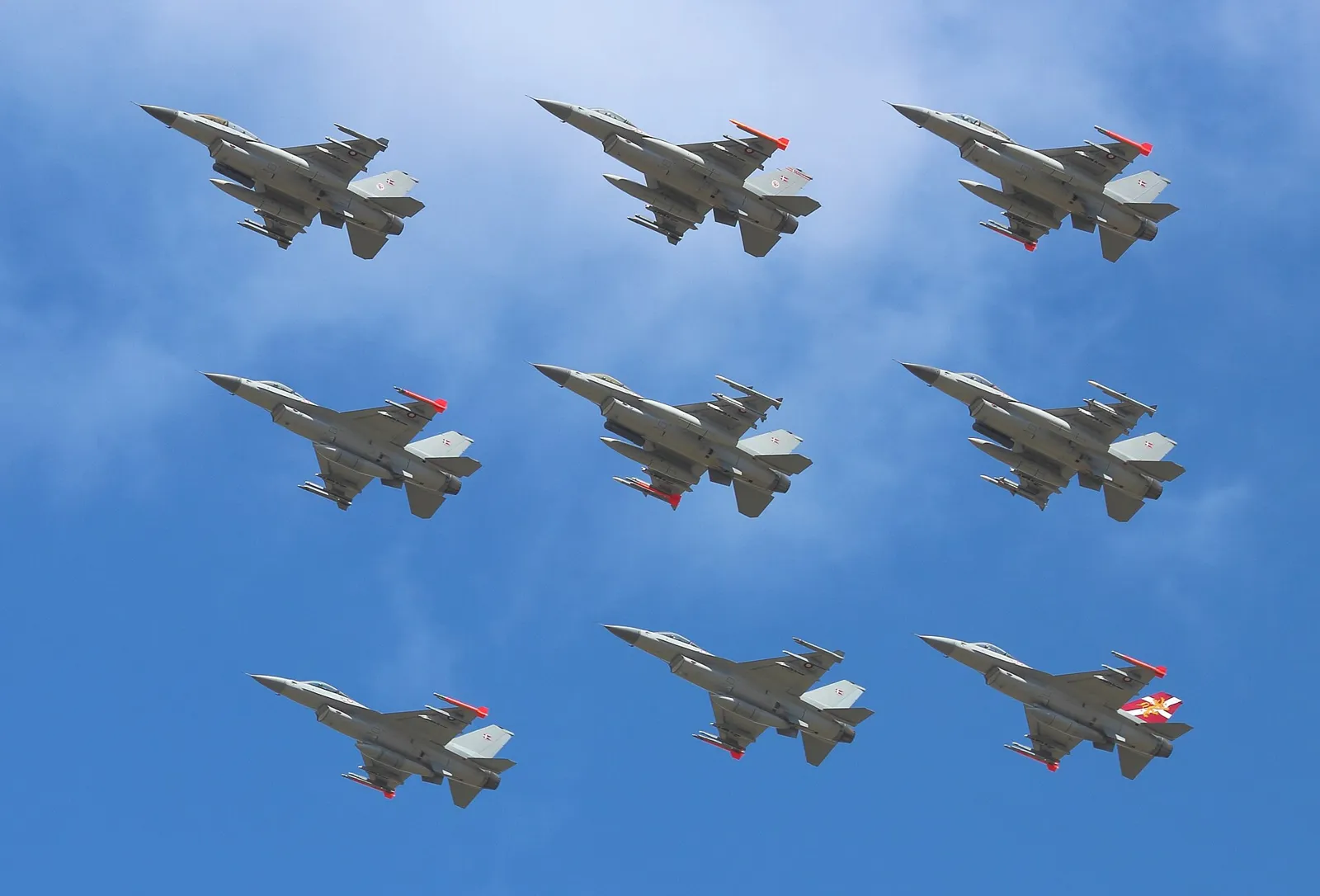
Air power is shifting to the F-35A: 27 aircraft have been ordered and a further 16 announced, while the F-16AM/BM fleet is being retired gradually and part of it was handed to Ukraine. MH-60R naval helicopters, AW101 search-and-rescue helicopters and Fennec are in service; there are no attack helicopters.
In air defence Denmark has limited capacity today. In 2025 a layered package of SAMP/T NG, IRIS-T SLM, NASAMS and VL MICA was announced, with deliveries in the coming years. There is no ballistic missile inventory; the Iver Huitfeldt frigates carry SM-2 Block IIIA, ESSM and Harpoon.
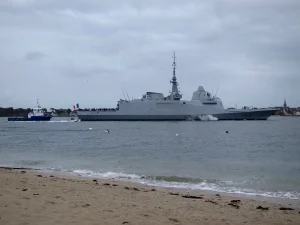
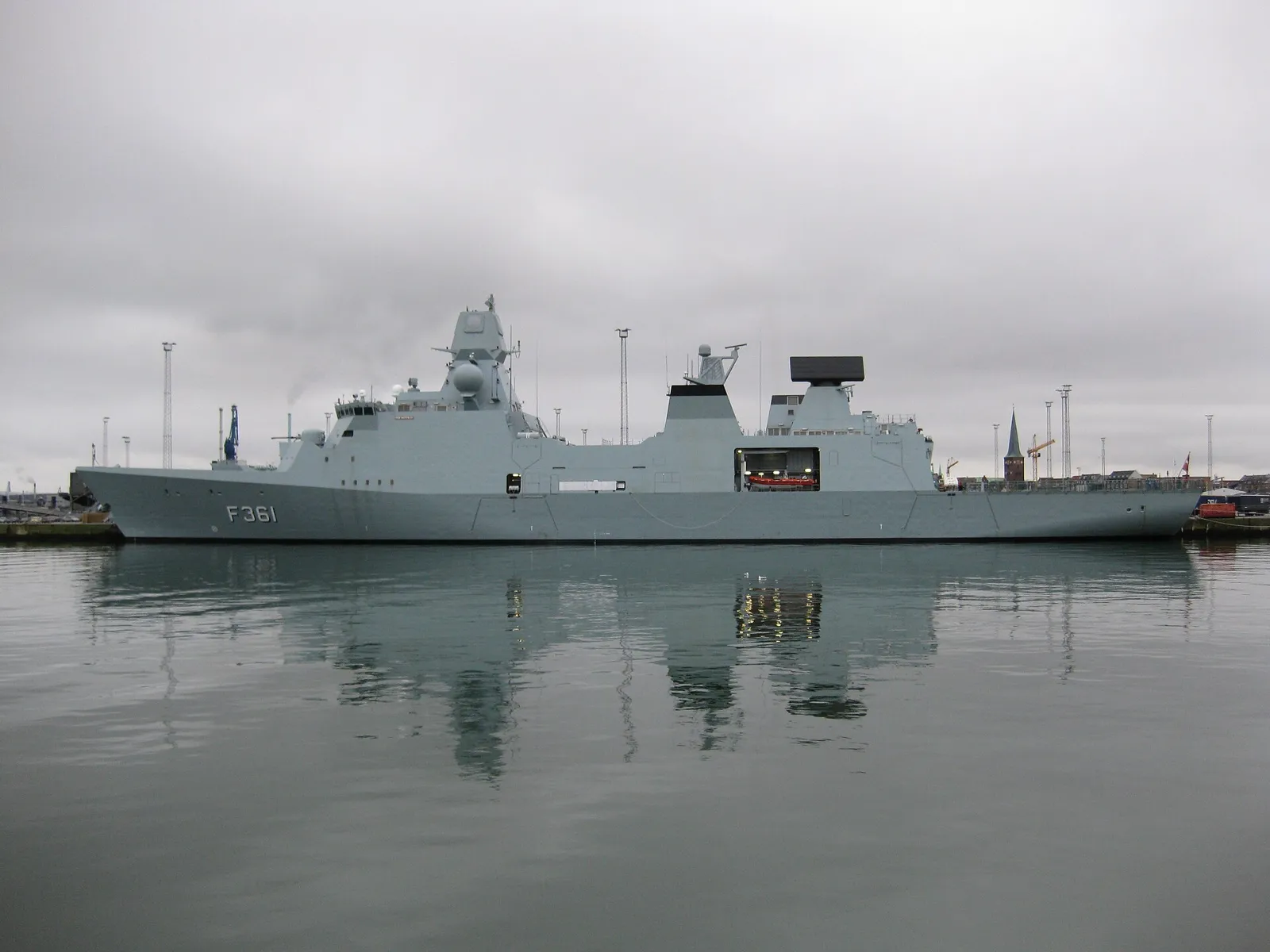
The navy consists of 3 Iver Huitfeldt-class frigates, 2 Absalon-class command and support ships, 4 Knud Rasmussen-class Arctic patrol vessels and Thetis-class ships; there are no submarines. Denmark has been a NATO member since 1949 and all defence planning is done within the alliance framework.
Land Forces Inventory
| System type | Est. quantity |
|---|---|
| Main battle tanks | About 40 to 50 Leopard 2A5DK tanks; the Danish tank fleet is small and modernisation decisions are shaped by alliance requirements |
| IFVs and APCs | CV9035DK infantry fighting vehicles, Piranha III and Piranha V 8×8 wheeled armoured vehicles and M113 derivatives; the Piranha V buy is renewing Denmark’s wheeled armoured backbone |
| Artillery and rocket launchers | Most of the old M109 self-propelled howitzers were handed over to Ukraine; Caesar 8×8 155 mm howitzers and long-range fires purchases are on the agenda |
| Anti-tank and light forces | Javelin, Spike and Carl Gustaf anti-tank systems; the Danish brigade takes part in NATO forward presence in Latvia |
Air Force Inventory
| Platform | Est. quantity |
|---|---|
| Total military aircraft | Roughly 100 aircraft; the Royal Danish Air Force is continuing its F-35A transition while F-16s are gradually retired |
| Combat aircraft | F-35A Lightning II (27 ordered; a further 16 announced) and the remaining F-16AM/BM; part of the F-16 fleet was handed to Ukraine |
| Helicopters | MH-60R Seahawk naval helicopters, AW101 search-and-rescue/transport and Fennec; no attack helicopters |
Missile and Air-Defence Systems
| System | Type / Note |
|---|---|
| Air defence | Limited land-based air defence today; in 2025 a layered package of SAMP/T NG, IRIS-T SLM, NASAMS and VL MICA was announced (deliveries in the coming years) |
| Ship-based missiles | SM-2 Block IIIA, ESSM and Harpoon missiles on the Iver Huitfeldt frigates; Naval Strike Missile procurement is on the agenda |
| Tactical missiles | There is no ballistic missile inventory; JSM cruise missiles for the F-35A and long-range precision strike options are being assessed |
Naval Power
| Class / Type | Est. quantity |
|---|---|
| Frigates | 3 Iver Huitfeldt-class air-defence frigates (Iver Huitfeldt, Peter Willemoes, Niels Juel); the backbone of the Royal Danish Navy |
| Support and patrol ships | 2 Absalon-class command and support ships, 4 Knud Rasmussen-class Arctic offshore patrol vessels and Thetis-class ships |
| Submarines and new projects | No submarines; new frigates and maritime surveillance procurement for the Arctic and the Baltic are in the government programme |
The Turkey Angle: Turkish Defence Industry
There is no publicly confirmed arms procurement contract between Denmark and Türkiye, and no Turkish-made major weapon system appears in the Danish inventory. The two countries are NATO allies and work together at the level of exercises, training and alliance planning.
The common-platform ground, however, is real: Denmark is a partner in the F-35 programme in which Türkiye was an industrial partner for years, contributing parts production. Shared headings such as the F-16 fleet, the Leopard 2 family and NATO-standard ammunition bring the two countries’ logistics and training language closer.
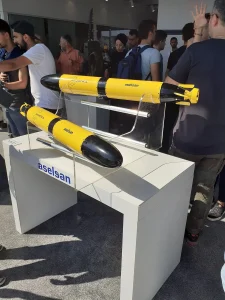
Denmark’s new procurement list partly overlaps with the Turkish industrial range: air defence, UAVs and unmanned maritime vehicles, ammunition and logistics vehicles suited to Arctic conditions. Because European-centred sourcing and joint EU/NATO programmes weigh heavily in Danish purchases, Turkish products should for now be assessed within a potential-market framework.
In conclusion, Denmark is not a direct customer of the Turkish defence industry; it is a potential market and a benchmark: a NATO-standard country with a growing modernisation budget. Rather than invented contracts or claims, developments in Denmark’s procurement programmes should be followed.
Frequently Asked Questions
How many tanks does Denmark have? Denmark’s inventory contains about 40 to 50 Leopard 2A5DK tanks. Figures are approximate values drawn from Global Firepower and IISS.
Does Denmark have fighter jets? Yes. The air force is transitioning to the F-35A (27 ordered, a further 16 announced) while gradually retiring the remaining F-16AM/BM aircraft.
Does Denmark buy weapons from Türkiye? No publicly confirmed Turkish arms procurement has been reported. Denmark should be assessed as a potential market for the Turkish defence industry.
Does Denmark have submarines? No. The navy consists of frigates, command and support ships and Arctic patrol vessels; there are no submarines.
Is Denmark a NATO member? Yes. Denmark became one of NATO’s founding members in 1949 and all of its defence planning is done within the alliance framework.
Bottom Line
The Danish inventory shows a small, NATO-standard force facing the Baltic and the Arctic: about 40 to 50 Leopard 2A5DK, CV9035DK and Piranha V armoured vehicles, an air force moving to the F-35A and 3 Iver Huitfeldt frigates. There is no confirmed arms procurement with Türkiye. For the Turkish defence industry, Denmark is today less a direct sale than a potential NATO market worth watching.