Missile Defense’s Only Witness: L3Harris Wins a $499.6M, 10-Year HALO Contract


- What: MDA → L3Harris, Flight Test Airborne Sensors program (follow-on)
- Value: Up to $499.6M (IDIQ); first task order $22.17M; $5M FY26 RDT&E obligated
- Period: Sept. 15, 2026 – Sept. 14, 2036 (ten years)
- Contractor: L3Harris Aeromet — Tulsa, Oklahoma
- What HALO is: High Altitude Observatory — aircraft that record interceptor engagements with EO/IR sensors
- Why it matters: The only capability that independently verifies whether an interceptor hit
- Predecessor: 2021 Aeromet contract (~$172.7M, expiring Sept. 2026)
Missile defense is remembered for interceptors and radars, but far less is known about who actually decides whether a test succeeded. The U.S. Missile Defense Agency just kept that referee role in the same hands for another decade: L3Harris won a contract worth up to $499.6 million for the Flight Test Airborne Sensors program, with the work run by its Aeromet unit in Tulsa, Oklahoma.

The Invisible Referee of Missile Defense
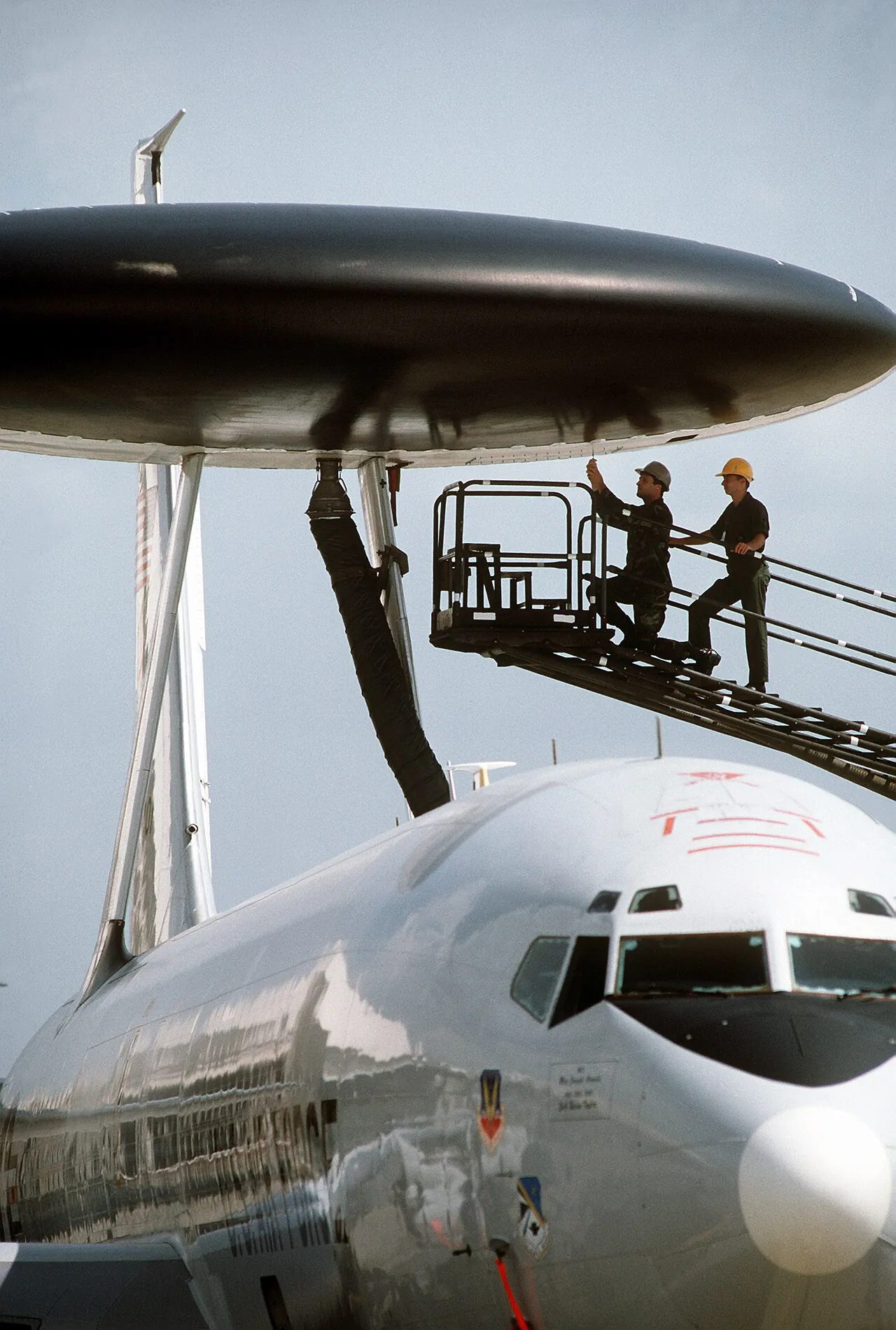
The aircraft at the center of the deal are known as HALO — High Altitude Observatory. These specialized platforms fly at high altitude during missile-defense tests, using electro-optical and infrared sensors to record every phase of an interceptor engagement. The crucial point: HALO is the only fleet able to independently confirm whether an interceptor actually destroyed its target. In other words, the claim that a billion-dollar defense system “works” is largely validated by the imagery and tracking data these planes collect.
That independent-verification capability is one of the quietest but most critical links in the Pentagon’s test infrastructure. Without an external, neutral sensor recording the moment of intercept, proving a success claim becomes almost impossible.
Why Sole-Source, Why Ten Years
The new award is an IDIQ arrangement with a $499.6 million ceiling, ordering from Sept. 15, 2026 through Sept. 14, 2036. An initial task order of $22.17 million was issued, with $5 million in FY2026 research funds obligated. It succeeds the roughly $172.7 million Airborne Sensors contract awarded to Aeromet in 2021 and expiring in September 2026, sharply raising both the ceiling and the performance period. In a week when GAO flagged test delays across weapons programs, committing a decade to the infrastructure that validates those very tests is a telling choice.
| Contract Details | Figure |
|---|---|
| Ceiling value | $499.6M (IDIQ) |
| First task order | $22.17M |
| FY26 RDT&E funds | $5M |
| Period | Sep 15, 2026 – Sep 14, 2036 |
| Contractor | L3Harris Aeromet — Tulsa, OK |
| Predecessor | ~$172.7M (2021, expires Sep 2026) |