Lockheed Martin and Rheinmetall to Co-Produce ATACMS Ballistic Missile in Germany

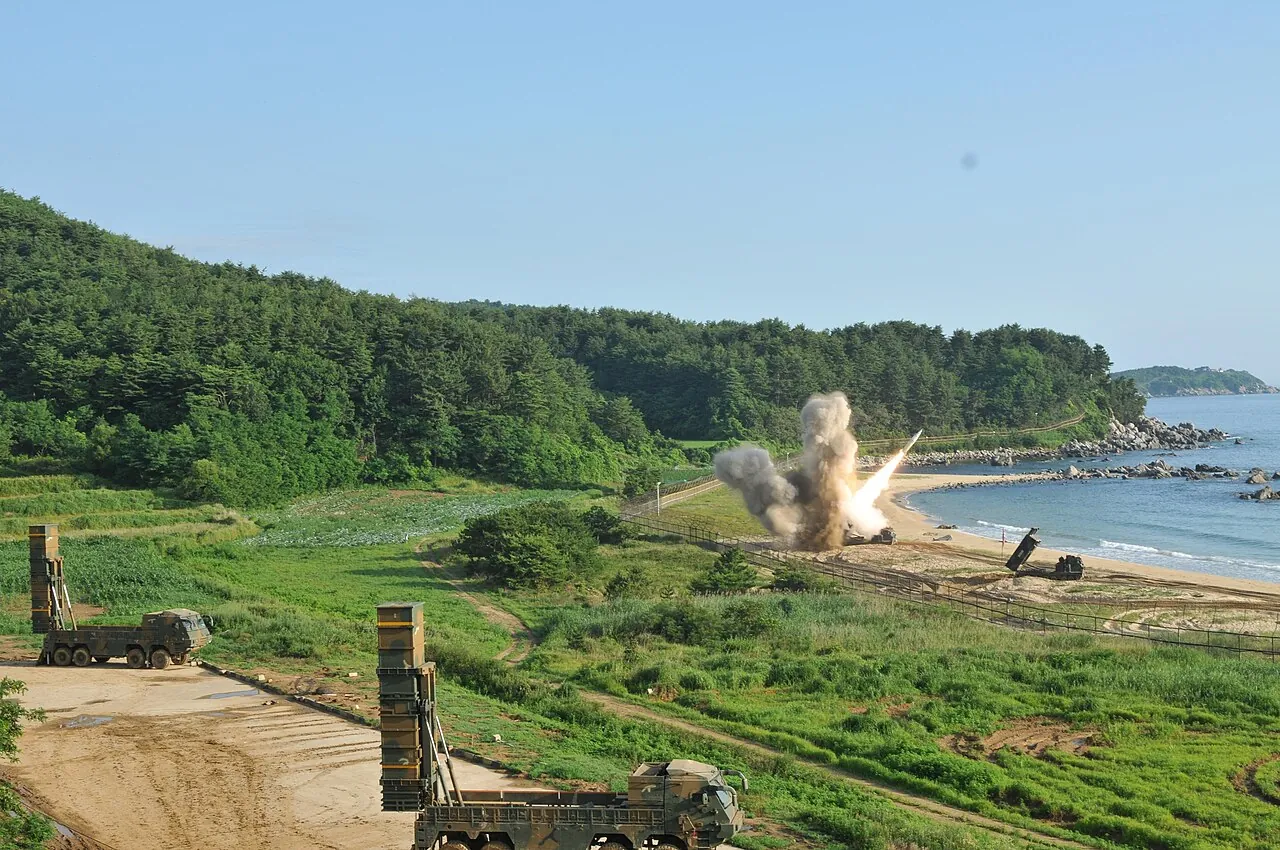
U.S. defense giant Lockheed Martin and German defense company Rheinmetall announced on 7 July 2026, at the NATO Summit Defense Industry Forum in Ankara, that they have agreed to co-produce the ATACMS ballistic missile in Germany.
According to statements from both companies, production will take place at Rheinmetall’s facility in Unterlüß, northern Germany, marking the first time ATACMS will be manufactured outside the United States. A memorandum of understanding (MoU) backing the plan is supported by both the U.S. and German governments.
The Unterlüß site has been in operation for more than 125 years and employs roughly 4,000 people. Rheinmetall recently expanded its ammunition and rocket motor manufacturing capacity there, and ATACMS production will build on that expanded infrastructure.
| Parties | Lockheed Martin (U.S.) and Rheinmetall (Germany) |
| Product | ATACMS ballistic missile |
| Site | Rheinmetall’s Unterlüß facility, northern Germany |
| Announced | 7 July 2026, NATO Summit Defense Industry Forum, Ankara |
| Timeline | Full production starts 2027, ramping to 600-800 missiles/year by 2029 |
| Backing | Supported by both U.S. and German governments |
Scope of the Agreement
Lockheed Martin and Rheinmetall describe the move as a step toward a joint venture that would establish a European “center of excellence” to produce, integrate and field ATACMS for NATO and allied forces. The initiative’s ultimate goal is to make the ATACMS supply chain self-sufficient within Europe.
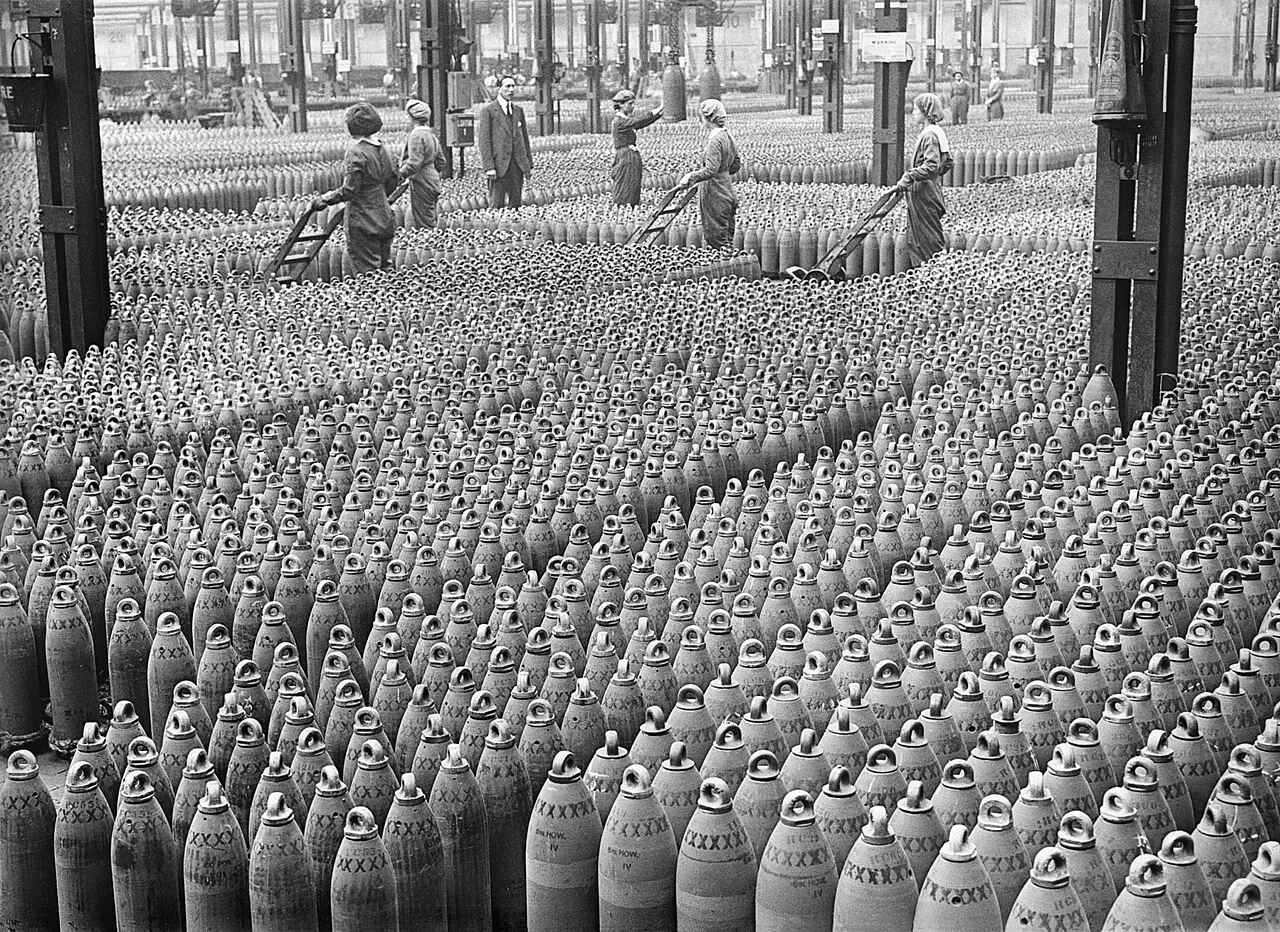
Full missile production at the new Unterlüß site is planned to begin in 2027. Output capacity is intended to rise to 600-800 ATACMS missiles per year by 2029, a level set to meet European and Ukrainian demand.
Easing the Arkansas Bottleneck
Lockheed Martin had recently scaled back ATACMS production at its Camden, Arkansas facility to prioritize newer missile systems. The new German production line is intended to relieve the bottleneck created by that pullback.
The Arkansas line will keep operating until the transition to European production is complete, meaning parallel manufacturing capacity on two continents will coexist for a period.
| Item | Detail |
|---|---|
| Production site | Rheinmetall Unterlüß, northern Germany |
| Site history | Operating 125+ years, ~4,000 employees |
| Full production start | 2027 |
| Target capacity (2029) | 600-800 ATACMS missiles per year |
| U.S. facility | Lockheed Martin Camden, Arkansas — active until transition completes |
NATO and European Context
The agreement’s announcement at the NATO Summit Defense Industry Forum in Ankara underscores that long-range munitions supply has become a priority item on the alliance’s agenda. European nations have increased demand for long-range tactical ballistic missiles, driven both by support for Ukraine and their own deterrence needs.
Germany’s move to localize ATACMS production is another example of a broader trend in Europe’s defense industry: shifting production of foreign-designed systems onto European soil. The model aims to bring the supply chain within the continent and reduce dependence on the United States.
Why It Matters for Turkey
Germany’s decision to build a U.S. system like ATACMS on its own soil underscores, once again, that dependence on foreign suppliers for long-range ballistic missiles is viewed as a strategic vulnerability. Turkey took a different path years ago: long-range tactical ballistic missile systems developed by Roketsan, such as TAYFUN and BORA, give the Turkish Armed Forces deterrence without reliance on U.S. or European suppliers.
Turkey’s earlier localization of its missile industry positions it as a reference case for strategic autonomy compared with the “move foreign systems into local production” model Germany is now pursuing. Roketsan’s track record with guided rocket and missile systems such as the TRLG-230 shows that Turkish defense industry stands as a supplier in this domain rather than a dependent buyer.
As NATO’s eastern flank works to strengthen its long-range munitions supply chain, Roketsan’s production capacity and technological base put Turkish industry in a position to potentially contribute to the alliance’s procurement needs. Germany’s step in Unterlüß is part of Europe’s broader effort to expand its own missile production capacity — an effort Turkey has already answered with its own indigenous systems.
Frequently Asked Questions
What is ATACMS?
A ground-launched tactical ballistic missile system produced by Lockheed Martin.
Where will production take place?
At Rheinmetall’s Unterlüß facility in northern Germany, the first site outside the U.S. to manufacture ATACMS.
When does full production begin?
Full missile production at the new facility is planned to start in 2027.
What is the target production capacity?
Output is expected to reach 600-800 ATACMS missiles per year by 2029.
Will Arkansas production stop?
No, the Camden, Arkansas line will keep operating until the transition to European production is complete.
Bottom Line
The Lockheed Martin-Rheinmetall agreement to co-produce ATACMS in Germany is a concrete step in Europe’s effort to expand its own long-range munitions capacity. Turkey, with Roketsan systems such as TAYFUN and BORA, localized this capability years earlier — completing a path Europe is only now pursuing.
Sources
- Lockheed Martin — official press release (7 July 2026) — primary, official
- Rheinmetall — official press release (7 July 2026) — primary, official
- Army Recognition — analysis and verification