GÖKBEY Helicopter Maintenance and Sustainment: Support, Spares and Logistics

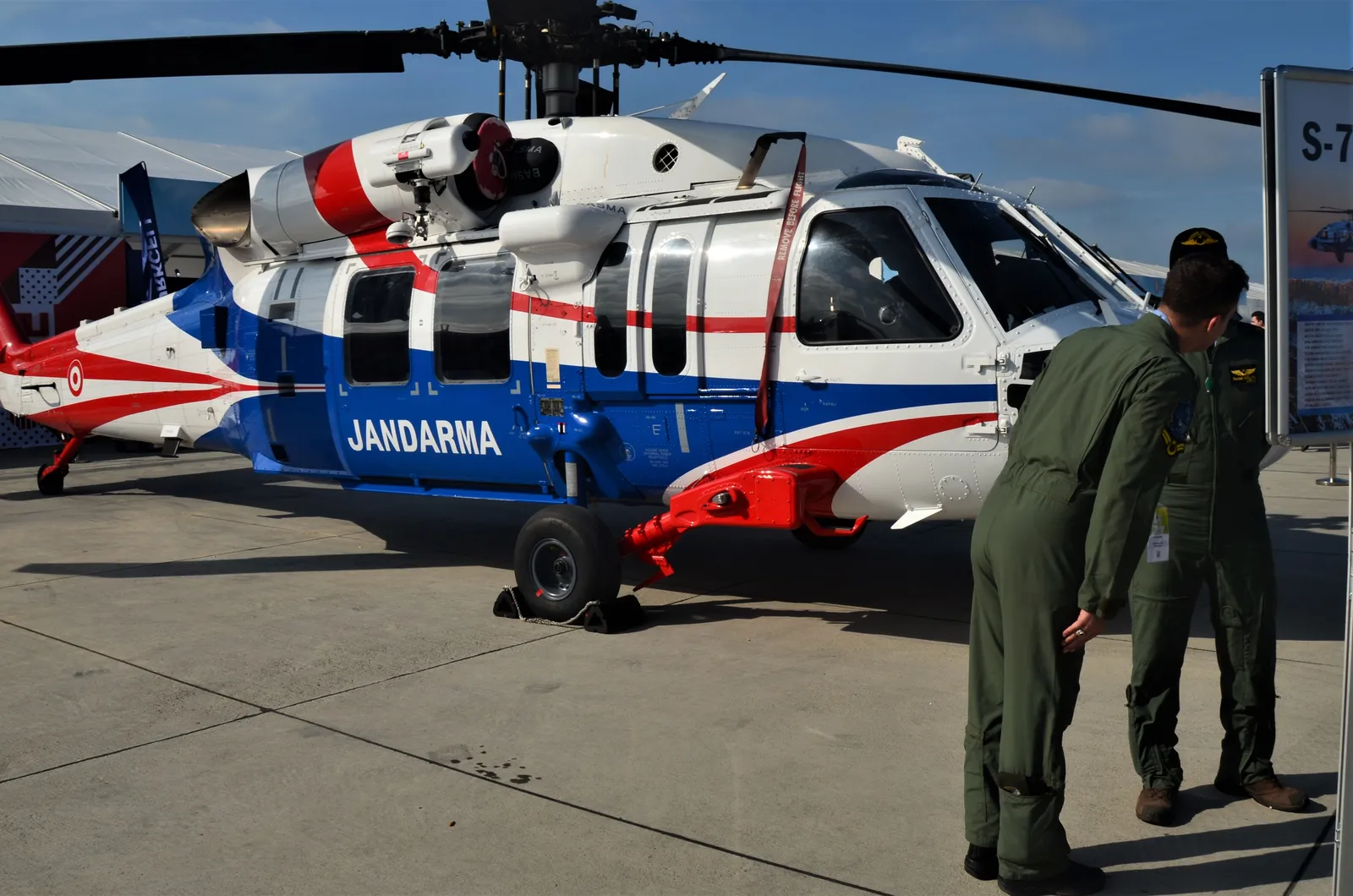
For any utility helicopter, most of the lifecycle cost is spent after the aircraft is handed over: scheduled and unscheduled maintenance, spare parts, ground equipment, training and engine overhauls. For the TAI T625 GÖKBEY, that phase began on 29 October 2024 with the first delivery to Türkiye’s Gendarmerie General Command. This article looks at how the type is supported in service, where domestic supply changes the picture, and which figures Turkish Aerospace (TUSAŞ) has not published.
Maintenance levels in military and government fleets
Military and state operators usually split rotorcraft maintenance into three tiers. Organisational level covers pre- and post-flight checks, servicing and line replacement of simple parts. Intermediate level covers module swaps and periodic inspections. Depot or OEM level handles overhaul of engines, gearboxes and rotor components.
Why domestic supply matters for sustainment
Reducing foreign dependence on critical components was a stated goal of the programme, and sustainment is where that pays off. A domestic engine, domestic avionics and a domestic production line mean spares and technical support are not tied to foreign export licences. TEI’s TS1400 turboshaft first flew on a GÖKBEY on 19 April 2023, and deliveries of the 57-aircraft package with TS1400 engines are planned from 2028. Initial deliveries use the LHTEC CTS800-4AT, whose spares and overhaul chain remains with a foreign supplier.
Two engines, two supply chains
During the transition, the fleet will operate with two engine types. That means two spares inventories, two training syllabi and two sets of maintenance documentation. Whether CTS800-powered aircraft will later be re-engined with the TS1400 has not been officially announced. Time between overhaul (TBO) and inspection intervals for the TS1400 are also not public.
Ground support equipment and technical publications
Field operations need ground power units, towing and handling gear, blade maintenance fixtures, test sets and technical manuals. The type certificate issued by Türkiye’s civil aviation authority SHGM on 16 March 2026 is also a prerequisite for approved maintenance programmes for civil operators. A GÖKBEY-specific ground equipment list and maintenance programme structure have not been published.
Training
Technician and pilot training is part of sustainment. TUSAŞ’s field support experience with the T129 ATAK is a reference point, but the scope of GÖKBEY training infrastructure, simulator plans and technician courses has not been disclosed.
Maintenance man-hours per flight hour, TBO values, any performance-based logistics (PBL) arrangement and fleet availability targets have not been officially disclosed.
Sustainment as an export factor
In international helicopter deals, the support package often weighs as heavily as the aircraft itself: buyers expect local maintenance capacity, training and parts stocks. No GÖKBEY export contract or associated support model has been announced so far.
FAQ
Who maintains the GÖKBEY? Organisational maintenance is done by the operator. TUSAŞ is the design authority for the airframe; TEI is the key player for the TS1400 engine. Detailed contract structure has not been disclosed.
Which engine do the first delivered aircraft use? Early deliveries are powered by the LHTEC CTS800-4AT.
When will TS1400-powered GÖKBEYs be delivered? Deliveries with the TS1400 are planned from 2028.
Are maintenance intervals published? No. Inspection intervals, TBO and cost per flight hour have not been officially released.
Can civil operators maintain the GÖKBEY? SHGM issued the type certificate on 16 March 2026. Information on authorising civil maintenance organisations has not been released.