What Is a Cruise Missile? Explained Simply With Examples
# What Is a Cruise Missile? Explained Simply
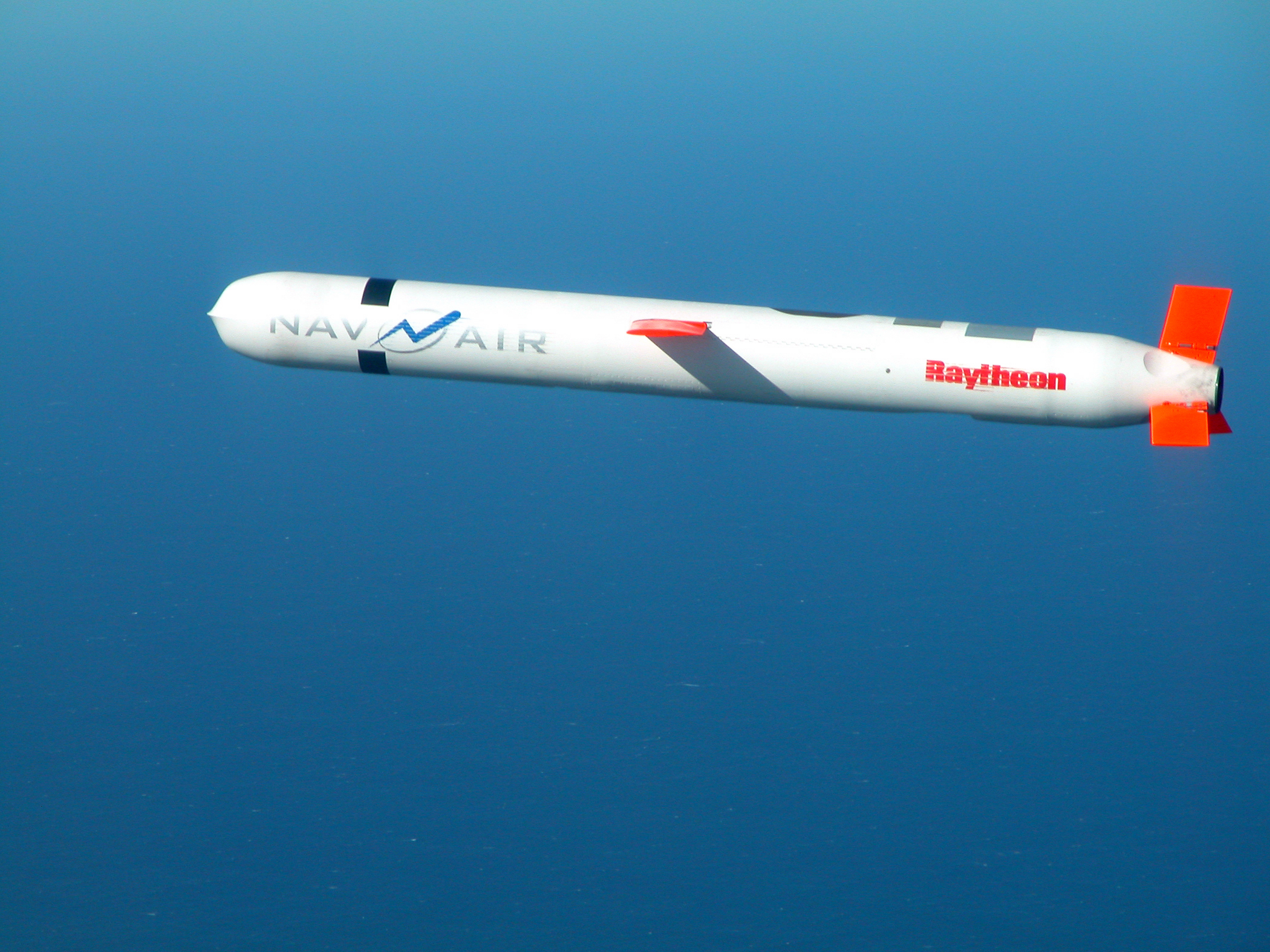
Quick answer: A cruise missile is basically a small, unmanned airplane with a bomb instead of a pilot. It flies low to the ground (sometimes only 30 meters up), turns corners around mountains, and lands exactly on the building or ship it was sent to destroy.
Imagine a paper airplane. Now imagine it has:
- A jet engine
- A GPS that knows every street in the world
- 500 kg of explosives in the nose
That’s a cruise missile.
How a Cruise Missile Is Different
Most missiles go up high, then come back down. A cruise missile stays low like a plane the whole way. That’s the big trick — radar can’t see it because the ground hides it.
| Feature | Cruise Missile | Ballistic Missile |
|---|---|---|
| Flight path | Low, flat (like a plane) | High arc (like a baseball) |
| Speed | Slow (Mach 0.7–0.9) usually | Very fast (Mach 5–20) |
| Range | 500–2500 km | 300–13,000 km |
| Hard to detect | Yes (flies low) | No (visible to radar) |
| Hard to stop | Hard (small + low) | Hard (very fast) |
The Three Parts of a Cruise Missile
- 1. Wings + jet engine → makes it fly like a small plane.
- 2. Guidance computer → uses GPS + terrain mapping. It compares the ground below with a memorized map. If a hill is in the wrong place, it adjusts.
- 3. Warhead → usually 300–500 kg of explosives.
Famous Cruise Missiles
| Name | Country | Range | Speed |
|---|---|---|---|
| BGM-109 Tomahawk | USA | 1,600 km | Mach 0.74 |
| Kalibr | Russia | 1,500–2,500 km | Mach 0.8 (Mach 3 in terminal) |
| Storm Shadow / SCALP | UK/France | 560 km | Mach 0.8 |
| CJ-10 | China | 1,500 km | Subsonic |
| BrahMos | India/Russia | 500 km | Mach 3 (supersonic!) |
| SOM | Türkiye | 250+ km | Subsonic |
How a Cruise Missile Finds Its Target
Think of it like a delivery driver with multiple maps:
- 1. INS (Inertial Navigation): “I started here, I’ve been flying for 30 minutes at this speed, so I must be here.”
- 2. GPS: “Satellites confirm I’m exactly here.”
- 3. TERCOM (Terrain Contour Matching): “The mountains below match my map — good.”
- 4. DSMAC (Digital Scene Matching): “I see the river bend that I expected — turn left.”
When all four agree, the missile hits within 5–10 meters of its target.
Why Cruise Missiles Changed Warfare
Before cruise missiles, hitting a building 1000 km away meant sending pilots into danger. Now, you press a button on a ship 1000 km offshore, and 90 minutes later, a window in a specific building shatters.
The first big use was the 1991 Gulf War, when the USA fired ~300 Tomahawks at Iraq from ships in the Persian Gulf and Red Sea. Many were broadcast live on TV, and the world realized warfare had changed forever.
Can They Be Stopped?
Yes, but it’s hard. Defense systems like Patriot or Iron Dome can shoot them down, but cruise missiles are small (3–6 meters long) and fly very low, which makes them hard to see on radar until it’s too late.
Newer missiles like BrahMos and Russia’s Zircon fly at Mach 3+ — so even if radar sees them, defenders only have seconds to react.
Image Suggestions
- 1. Featured: Tomahawk in flight (low altitude, over ocean)
- 2. Cutaway diagram (engine, fuel, guidance, warhead)
- 3. Map showing TERCOM flight path over mountains
- 4. Tomahawk launching from US Navy destroyer
- 5. Comparison chart: cruise vs ballistic flight paths
Related Articles
- What is a missile? Beginner’s guide
- What is a ballistic missile?
- What is a hypersonic missile?
- What is GPS jamming? Can it stop missiles?
- Anti-ship missile — naval warfare explained