The 10 Countries Closing on Türkiye’s Military Power (2026)

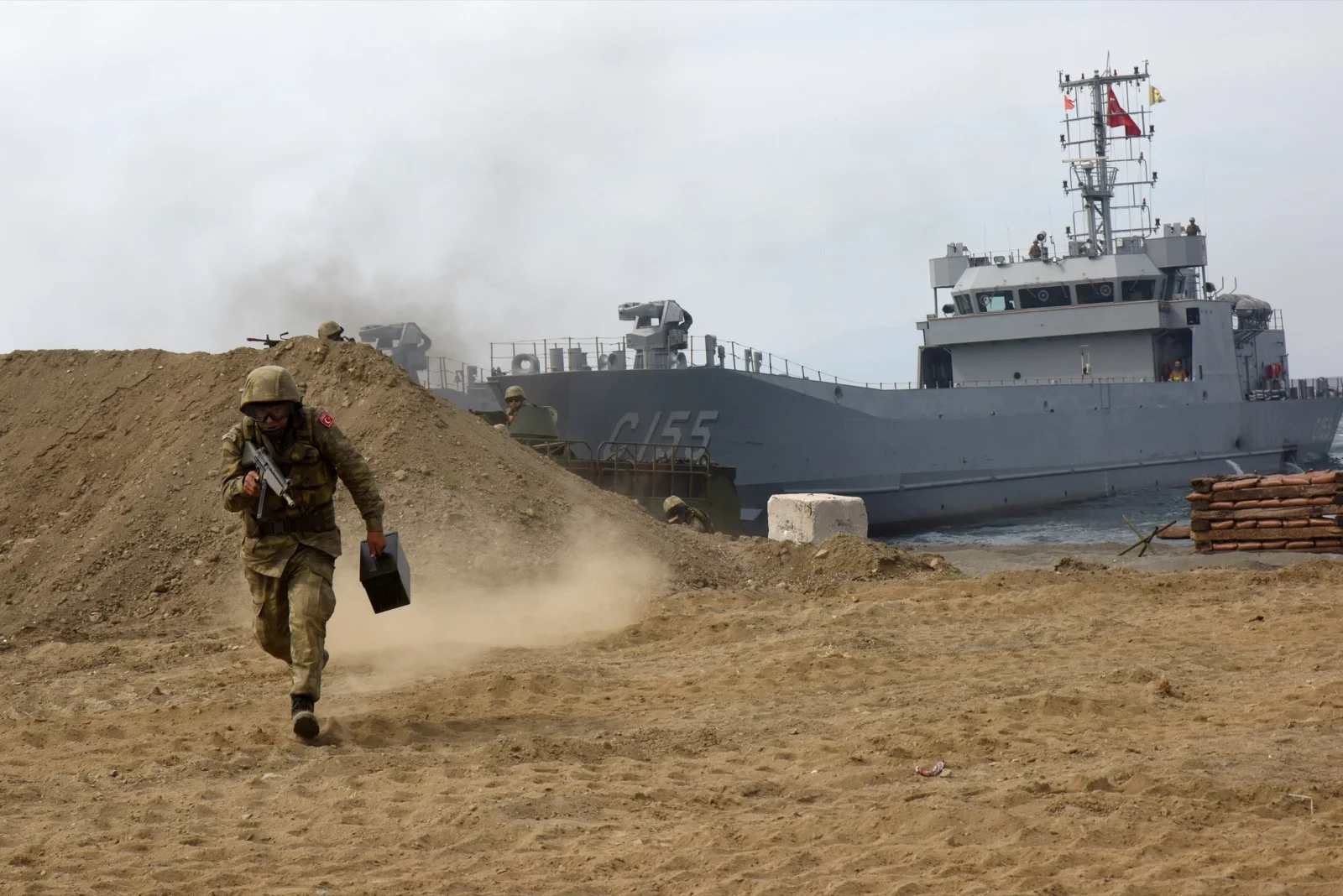
GlobalFirepower ranks Türkiye ninth in the world for 2026, with a Power Index score of 0.1975 — among the highest placements the country has recorded in this index. But military rankings are not static tables. Inventories shift, budgets move, and some forces accelerate while others stand still.
Directly behind Türkiye sits a tightly packed group. The gap between Italy in tenth place and Egypt in nineteenth is narrower than the gaps separating the top five. In this band, a single major procurement programme or a few years of sustained budget growth can rewrite the order.
So which countries could overtake Türkiye? Germany, with Europe’s largest defence budget? The populous armies of South Asia? Or the quietly expanding industrial powers of the Mediterranean? We count down from the most distant challenger to the one breathing down Türkiye’s neck.
The list covers the ten countries ranked immediately below Türkiye in the 2026 index, where a lower score denotes a stronger military. Assessment considers not only current inventory but the direction of each country’s modernisation programmes and defence spending.
#10Egypt
World rank 19 · Power Index: 0.3651
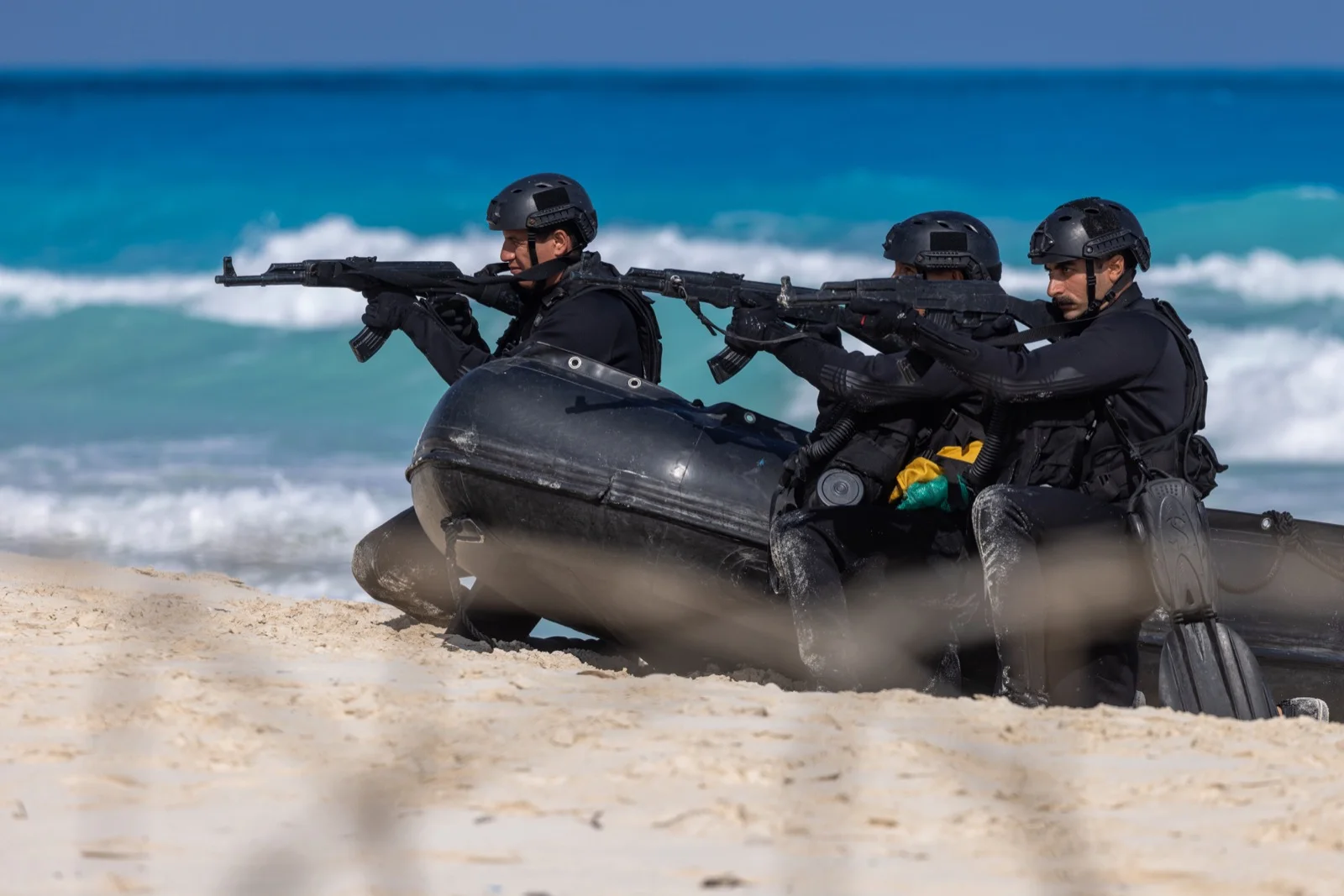
Egypt beats Türkiye outright on several inventory lines. Its 3,620 tanks comfortably exceed Türkiye’s 2,284, and its 1,088 aircraft sit within a handful of Türkiye’s 1,101. Yet it ranks ten places lower, and it is among the least likely on this list to close the gap.
The explanation sits in the budget line. Cairo’s 2026 defence spending is $5.19 billion — barely a tenth of Türkiye’s $51.4 billion. Much of the Egyptian inventory was assembled through foreign grants, long-term credit and diversified supply agreements. That model builds fleets; it does not easily sustain, modernise or supply them with spares.
The second problem is fragmentation. The Egyptian Air Force simultaneously operates F-16s, Rafales, MiG-29Ms and Mirage 2000s: four maintenance chains, four munitions stockpiles and four datalink architectures that resist integration. Cairo has invested heavily at sea in recent years, raising its Eastern Mediterranean profile with Mistral-class amphibious ships and FREMM frigates. Domestic industry, however, still covers only a small fraction of national requirements.
Egypt fields 1,336 more tanks than Türkiye on a defence budget worth less than a tenth as much.
| Capability | Total |
|---|---|
| Active personnel | 438,500 |
| Tanks | 3,620 |
| Total aircraft | 1,088 |
| Fighters | 242 |
| Helicopters | 348 |
| Naval vessels | 149 |
| Submarines | 8 |
| Defence budget | $5.19bn |
The next country runs a far smaller army on a far larger budget.
#9Spain
World rank 18 · Power Index: 0.3247
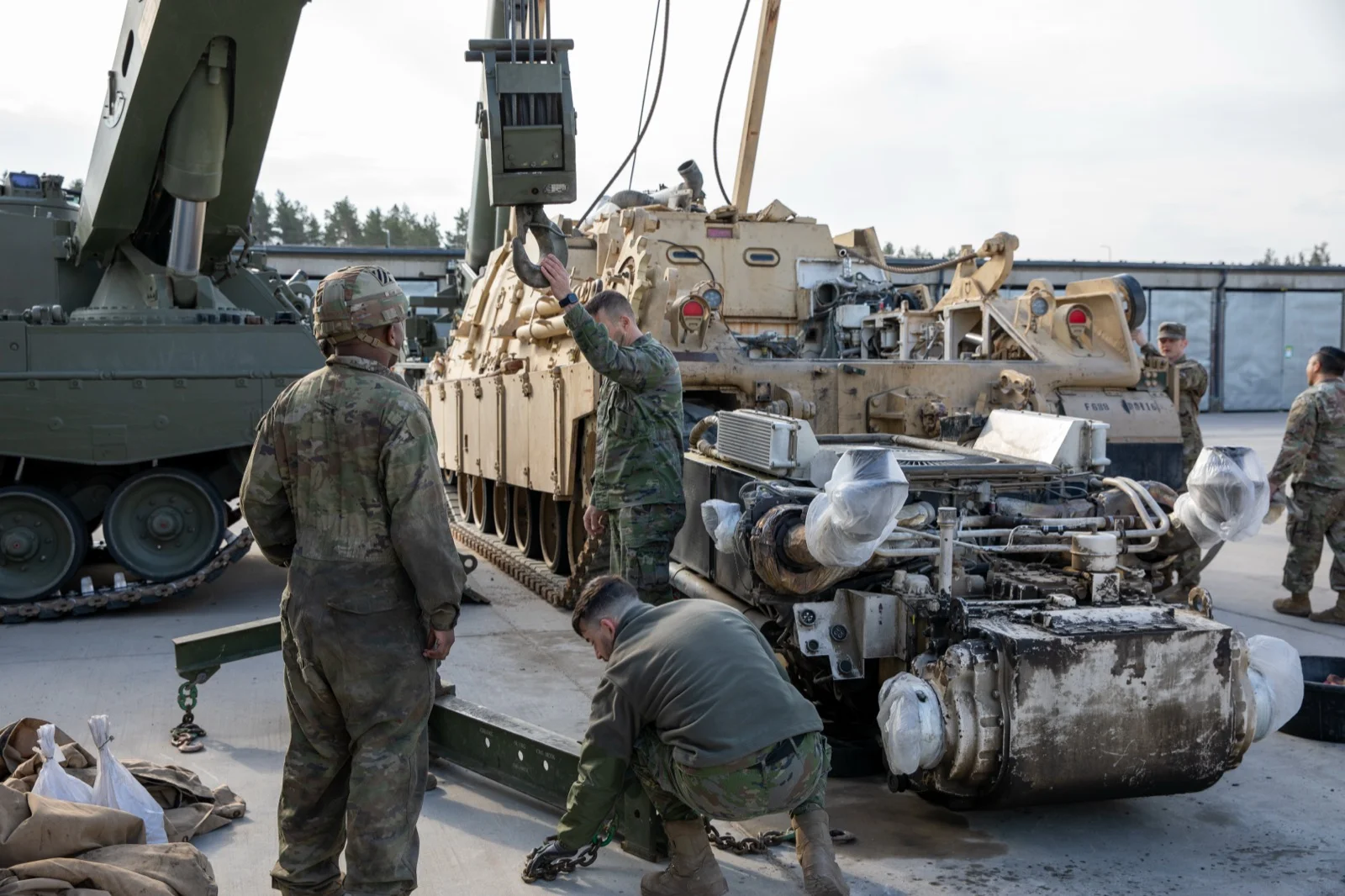
Spain spent years as one of NATO’s lowest defence spenders. That is changing: Madrid has lifted spending to $39 billion and committed to moving towards the alliance’s two percent benchmark. Its army, though, remains a quarter the size of Türkiye’s at 121,802 active personnel.
Spanish military strength lies in industry. Navantia is among the world’s leading naval shipbuilders, and its Juan Carlos I multipurpose amphibious design has been exported to Australia and Türkiye alike — TCG Anadolu traces its lineage to that hull. Airbus assembles the A400M transport in Spain, while Indra is a significant European player in radar and electronic warfare.
The inventory is another matter: 298 tanks, 440 aircraft, 175 naval vessels and just two submarines. The S-80 Plus submarine programme has advanced slowly. Spain does not lack technology; it lacks scale, and scale depends on how consistently Madrid sustains its budget growth through the coming decade.
Spain exports naval designs worldwide, yet fields a seventh of Türkiye’s tank strength and a seventh of its submarine fleet.
| Capability | Total |
|---|---|
| Active personnel | 121,802 |
| Tanks | 298 |
| Total aircraft | 440 |
| Fighters | 136 |
| Helicopters | 169 |
| Naval vessels | 175 |
| Submarines | 2 |
| Defence budget | $39.00bn |
Next comes a country betting on one of the most expensive submarine programmes ever attempted.
#8Australia
World rank 17 · Power Index: 0.3208

Australia fields the smallest force on this list — 58,910 active personnel — on a defence budget of $57.35 billion, some $6 billion more than Türkiye spends. Measured per head of population, Canberra outspends every other country here.
Australian planning revolves around a single concept: distance. The country sits thousands of kilometres from the regions it worries about, which makes maritime and air capability a necessity and a large standing army largely irrelevant. Its 46 tanks follow logically from that doctrine. F-35A squadrons, P-8A Poseidon maritime patrol aircraft and Hobart-class destroyers give Canberra genuine regional reach.
The transformation ahead comes through AUKUS. The trilateral pact with Washington and London is intended to give Australia a nuclear-powered submarine capability. If delivered, it would make Australia the seventh operator of nuclear submarines and lift its index position sharply. The timeline, however, stretches well into the 2030s, the cost is enormous and the programme’s political durability remains an open question.
Australia outspends Türkiye by $6 billion while fielding an eighth of its manpower.
| Capability | Total |
|---|---|
| Active personnel | 58,910 |
| Tanks | 46 |
| Total aircraft | 348 |
| Fighters | 24 |
| Helicopters | 72 |
| Naval vessels | 45 |
| Submarines | 6 |
| Defence budget | $57.35bn |
The next country operates one of the largest submarine fleets in the world.
#7Iran
World rank 16 · Power Index: 0.3199
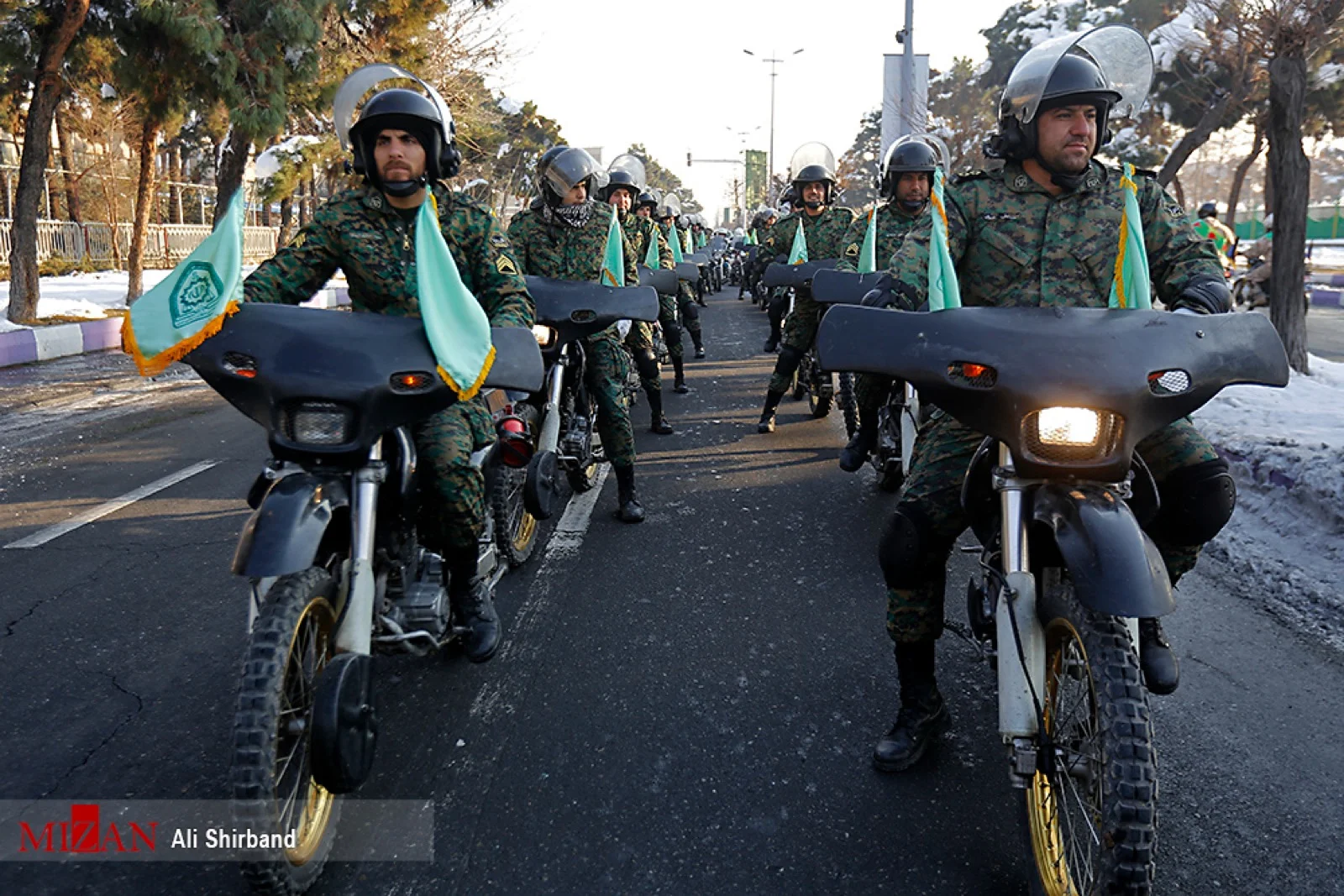
On raw numbers Iran comes closer to Türkiye than almost anyone: 610,000 active personnel, 2,675 tanks and 25 submarines — comfortably more undersea platforms than Türkiye’s 14. It still ranks seven places lower.
Age and technology explain the gap. The backbone of Iranian air power remains F-14s, F-4s and F-5s delivered before 1979, alongside Soviet-era MiG-29s and Su-24s. Decades of embargo denied Tehran access to modern combat aircraft, and much of that 551-aircraft inventory faces serious availability problems.
Iran compensates asymmetrically: ballistic missiles, unmanned aircraft, coastal anti-ship systems and midget submarines. In confined waters such as the Strait of Hormuz that mix generates real deterrent value, but it converts poorly into conventional power metrics. A $9.23 billion budget cannot fund comprehensive modernisation. As long as economic constraints and procurement embargoes hold, the gap to Türkiye is more likely to widen than narrow.
Iran operates 11 more submarines and 391 more tanks than Türkiye, but its air fleet is far older on average.
| Capability | Total |
|---|---|
| Active personnel | 610,000 |
| Tanks | 2,675 |
| Total aircraft | 551 |
| Fighters | 188 |
| Helicopters | 129 |
| Naval vessels | 109 |
| Submarines | 25 |
| Defence budget | $9.23bn |
Into the top six — and the next country leads the world in defence spending per capita.
#6Israel
World rank 15 · Power Index: 0.2707
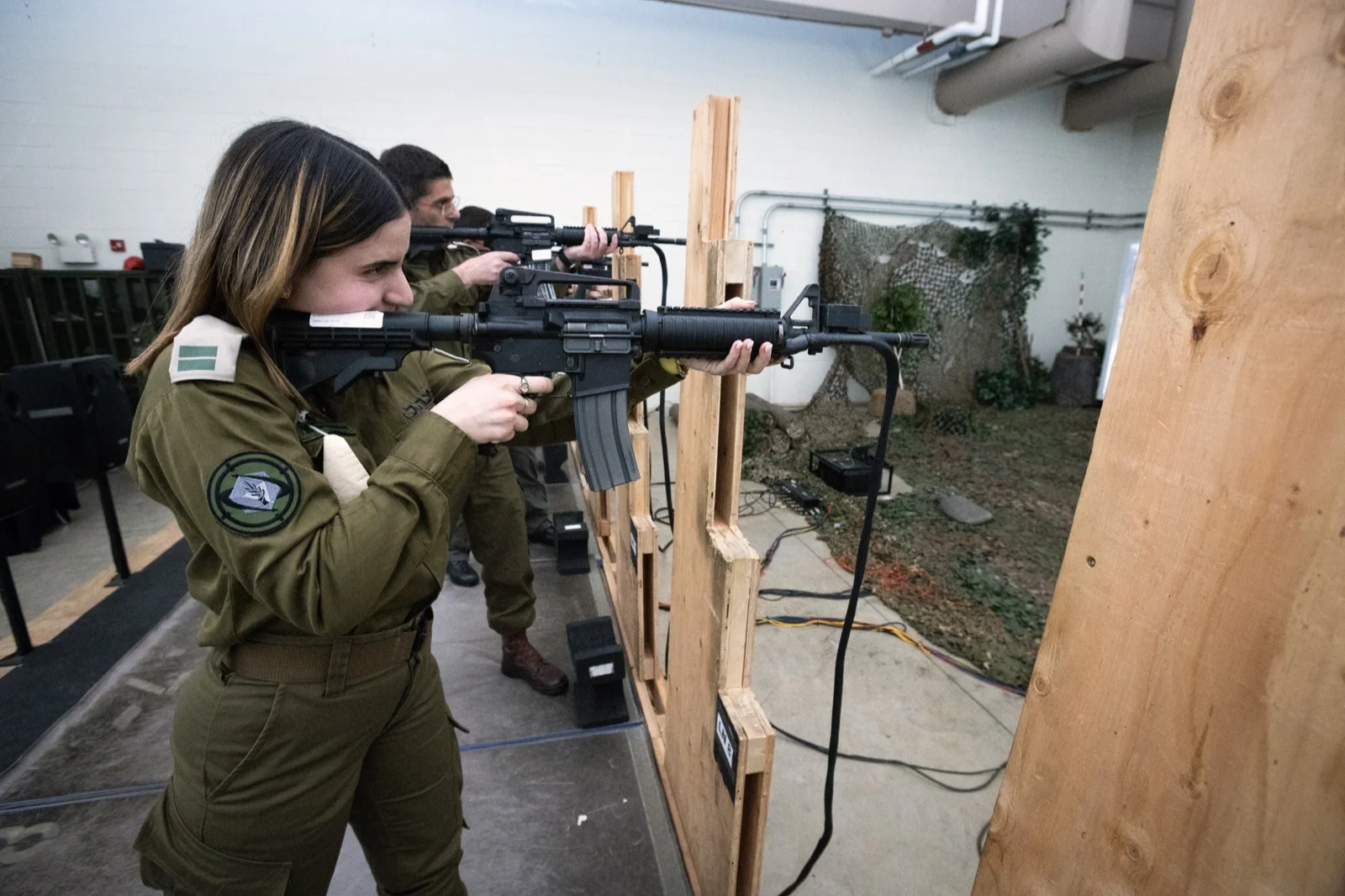
Israel makes this list on technological density rather than scale. Its 169,500 active personnel amount to less than a third of Türkiye’s, and its 1,300 tanks a little over half. But a $34.6 billion budget spread across a much smaller population produces one of the highest per-capita defence outlays anywhere.
In the air, Israel is the only country permitted to operate the F-35 with nationally developed avionics and electronic warfare suites — the F-35I Adir. No other operator has that latitude. Its 239 fighters exceed Türkiye’s 201. Its layered air defence architecture, combining Iron Dome, David’s Sling and Arrow, was refined through sustained operational use.
What caps Israel’s index position is structural: population and territory. Unable to expand scale, it deepens quality instead. Its industrial base — Elbit, IAI, Rafael — competes globally as an exporter. The 0.0732 gap to Türkiye is among the narrowest on this list, but closing it would require the human and geographic scale Israel does not have.
Israel fields 38 more fighters than Türkiye, but roughly half its total aircraft and half its tank strength.
| Capability | Total |
|---|---|
| Active personnel | 169,500 |
| Tanks | 1,300 |
| Total aircraft | 597 |
| Fighters | 239 |
| Helicopters | 127 |
| Naval vessels | 82 |
| Submarines | 6 |
| Defence budget | $34.60bn |
Into the top five, and the next country flies a larger fighter fleet than Türkiye.
#5Pakistan
World rank 14 · Power Index: 0.2626
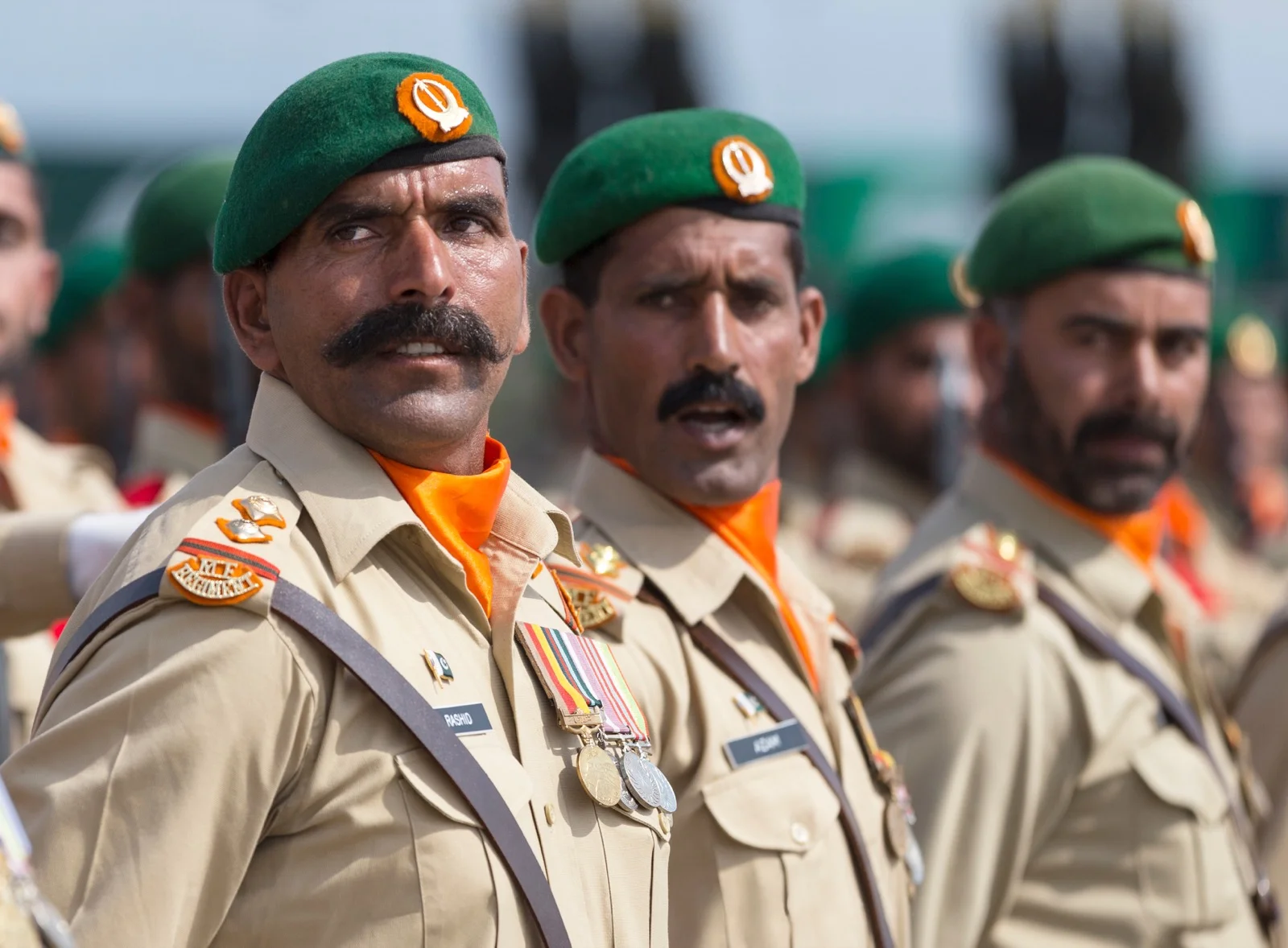
Pakistan is the efficiency story of this list. On $9.1 billion — less than a sixth of Türkiye’s budget — it sustains 1,397 aircraft, 2,677 tanks and 660,000 active personnel. Its 331 fighters comfortably exceed Türkiye’s 201.
The mechanism is the Chinese partnership. The JF-17 Thunder, jointly developed and largely assembled in Pakistan, freed Islamabad from Western procurement constraints while keeping unit costs far below Western equivalents. More recent J-10C deliveries added modern radar and weapons capability to the fleet.
The constraint is economic. Macroeconomic fragility makes long-horizon procurement difficult to finance. Naval capability is limited too: 120 vessels and eight submarines trail Türkiye’s 192 and 14. Defence cooperation between Ankara and Islamabad runs deep here — the Babur-class ships, Pakistan’s variant of the MİLGEM corvette, represent one of the largest joint programmes between the two countries and are expanding Pakistani naval capability on a Turkish design.
Pakistan flies 130 more fighters and fields 393 more tanks than Türkiye on 18 percent of its defence budget.
| Capability | Total |
|---|---|
| Active personnel | 660,000 |
| Tanks | 2,677 |
| Total aircraft | 1,397 |
| Fighters | 331 |
| Helicopters | 379 |
| Naval vessels | 120 |
| Submarines | 8 |
| Defence budget | $9.10bn |
Next up: an archipelago nation with the world’s fourth-largest population.
#4Indonesia
World rank 13 · Power Index: 0.2582
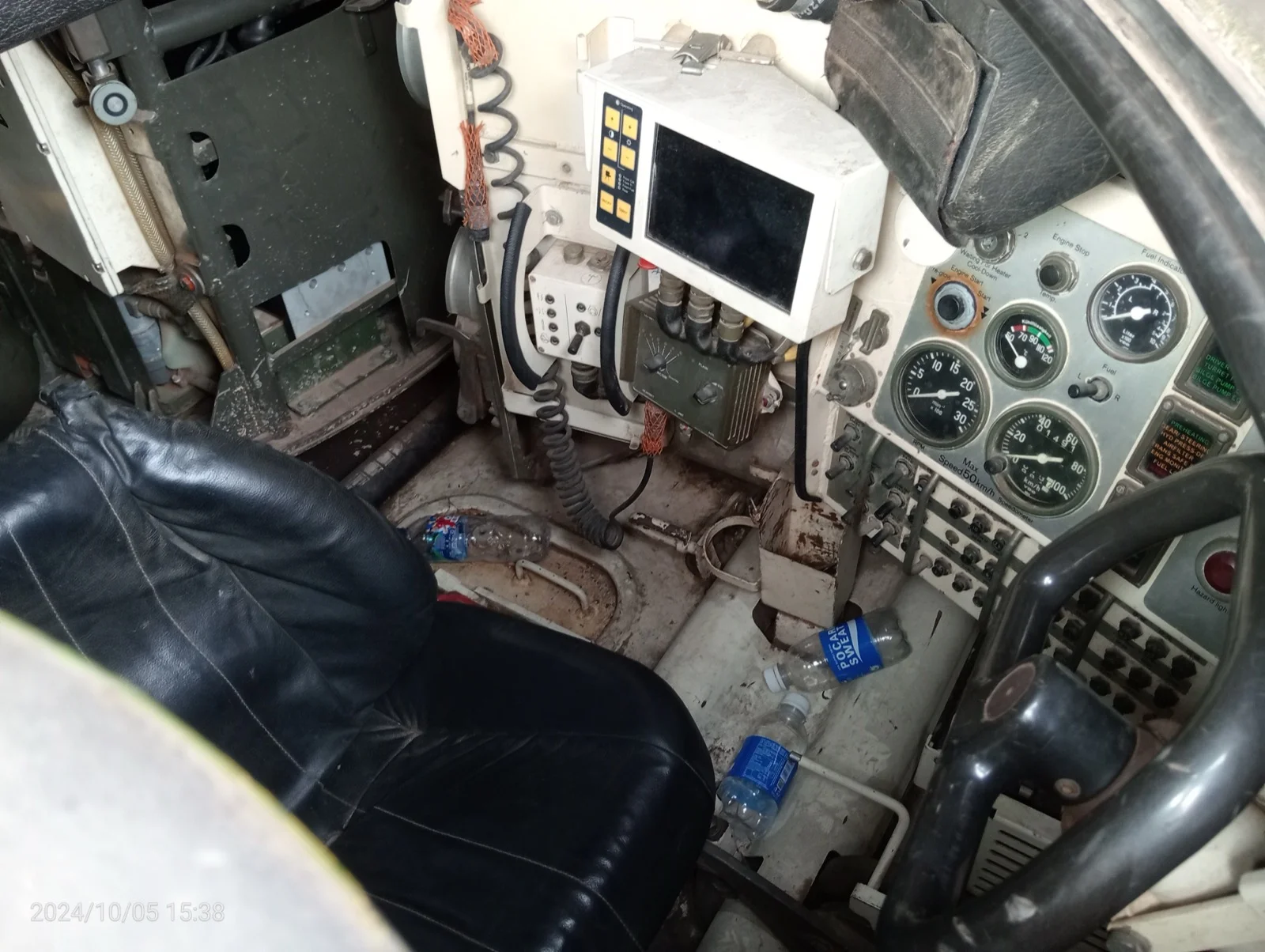
Indonesia spreads across more than 17,000 islands, and that geography dictates its force structure. With 338 naval vessels it outnumbers Türkiye’s 192 by a wide margin, operating one of the most numerous fleets in the world. Its 404,500 active personnel approach Türkiye’s 481,000.
Air and armoured capability is thinner: only 41 of its 460 aircraft are fighters, and the tank fleet numbers 331. Jakarta has moved aggressively to close that gap, ordering Rafales from France and buying into South Korea’s KF-21 joint development programme alongside a range of naval projects.
Indonesia’s real advantage is economic momentum. As Southeast Asia’s largest economy it has substantial room to raise defence spending; the current $11.16 billion budget is modest relative to national output. Türkiye features in that trajectory: Indonesia has shown consistent interest in Turkish unmanned systems and armoured vehicles, and cooperation discussions around the KAAN programme remain live.
Indonesia operates 146 more naval vessels than Türkiye, but roughly a fifth as many fighter aircraft.
| Capability | Total |
|---|---|
| Active personnel | 404,500 |
| Tanks | 331 |
| Total aircraft | 460 |
| Fighters | 41 |
| Helicopters | 212 |
| Naval vessels | 338 |
| Submarines | 4 |
| Defence budget | $11.16bn |
Into the top three — and the next country spends two and a half times what Türkiye does.
#3Germany
World rank 12 · Power Index: 0.2463
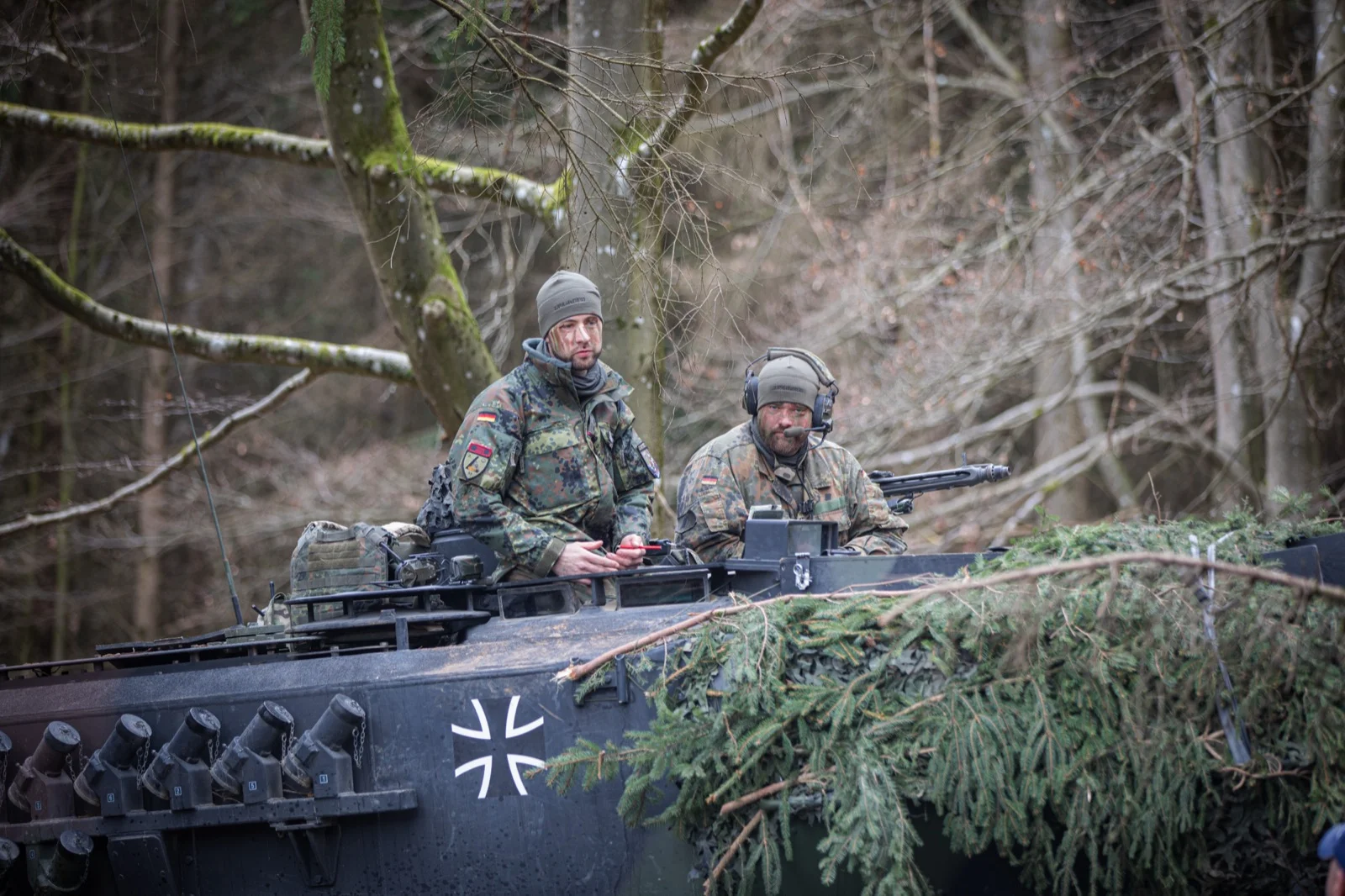
Germany carries the largest defence budget on this list at $127.4 billion — two and a half times Türkiye’s spending and the highest in Europe. Its inventory tells a different story: 296 tanks, 569 aircraft, 96 naval vessels and 184,324 active personnel.
That contradiction has a history. The Bundeswehr was systematically reduced after the Cold War; Leopard 2 numbers fell from thousands to hundreds and conscription was suspended. The special defence fund announced in recent years is intended to reverse that, but money converts into capability slowly. Readiness rates, munitions stockpiles and recruitment remain the German military’s recognised weak points.
German strength is industrial. Rheinmetall, KNDS, ThyssenKrupp Marine Systems and Diehl are world-class in armour, artillery, submarines and guided weapons. German submarine technology — including the Type 214 design underpinning Türkiye’s Reis-class boats — is a global reference point. If Berlin sustains its announced spending increase consistently for a decade, overtaking Türkiye is among the most plausible scenarios on this list.
Germany spends two and a half times Türkiye’s defence budget while fielding an eighth of its tanks and half its aircraft.
| Capability | Total |
|---|---|
| Active personnel | 184,324 |
| Tanks | 296 |
| Total aircraft | 569 |
| Fighters | 127 |
| Helicopters | 292 |
| Naval vessels | 96 |
| Submarines | 6 |
| Defence budget | $127.40bn |
Into the top two, and the next country is its continent’s unchallenged military leader.
#2Brazil
World rank 11 · Power Index: 0.2374
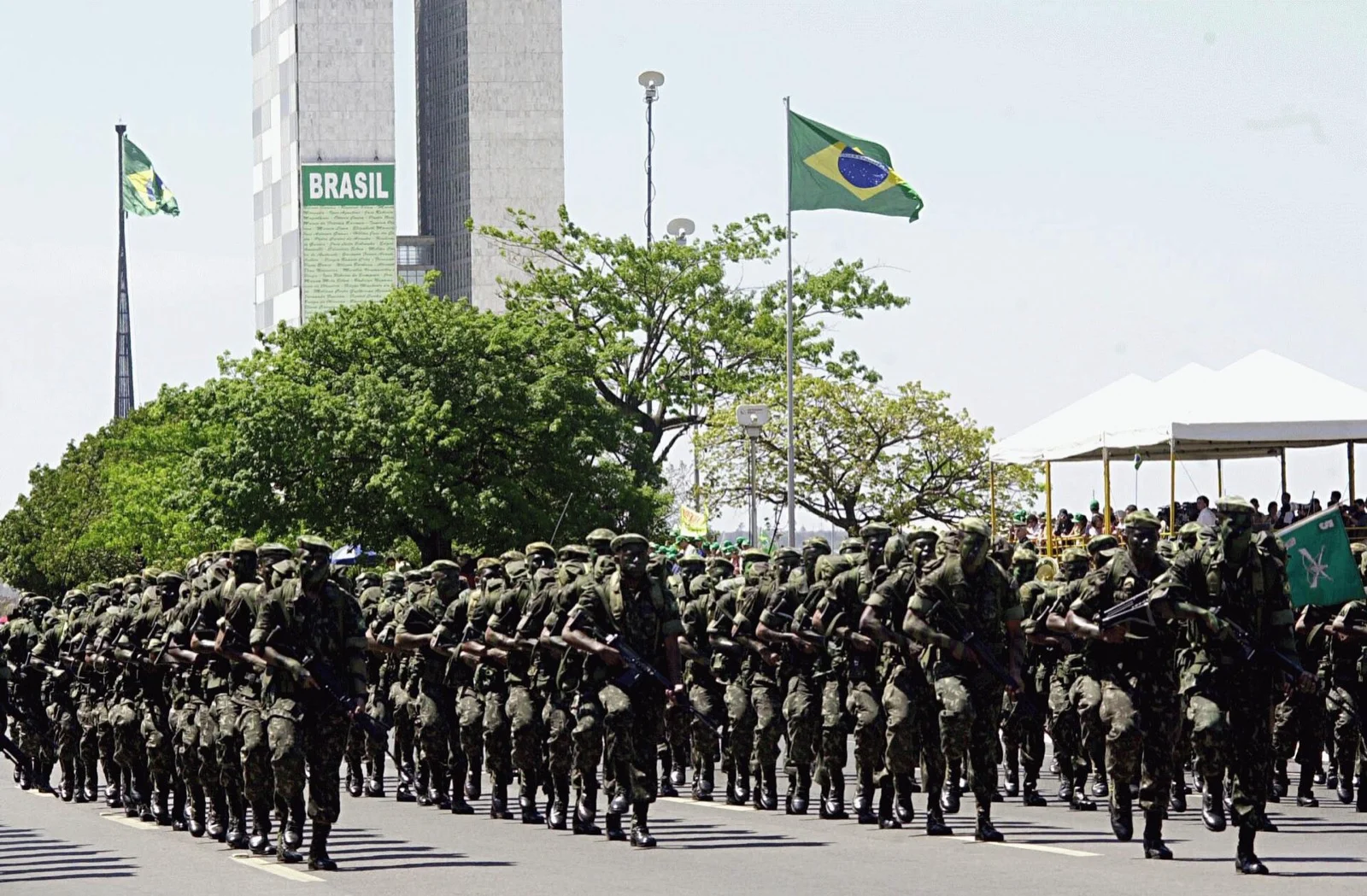
Brazil is Latin America’s unchallenged military power and sits two places behind Türkiye. With 376,000 active personnel, 294 tanks, 495 aircraft and six submarines it maintains a balanced force. What distinguishes Brazil here is not inventory but strategic position.
The country faces no serious military tension with any neighbour, which keeps defence spending politically low on the agenda. Its $26.4 billion budget is modest against the size of its economy. Brazilian military priorities run inward and outward at once: control of the Amazon basin and security of an enormous exclusive economic zone.
Industrially Brazil matters. Embraer’s KC-390 competes against the A400M and C-130J in European tenders, and Gripen E fighters are assembled in Brazil under a co-production arrangement with Sweden. At sea, the nuclear submarine programme pursued with French cooperation is the most ambitious long-term project; completion would make Brazil the sixth operator of nuclear-powered submarines and raise its index standing substantially. The programme has run under schedule and budget pressure for years.
Brazil sits just 0.0399 behind Türkiye in the index, yet fields an eighth of its tanks and fewer than half its submarines.
| Capability | Total |
|---|---|
| Active personnel | 376,000 |
| Tanks | 294 |
| Total aircraft | 495 |
| Fighters | 44 |
| Helicopters | 186 |
| Naval vessels | 69 |
| Submarines | 6 |
| Defence budget | $26.40bn |
And directly behind Türkiye stands one of the Mediterranean’s oldest naval powers.
#1Italy
World rank 10 · Power Index: 0.2211
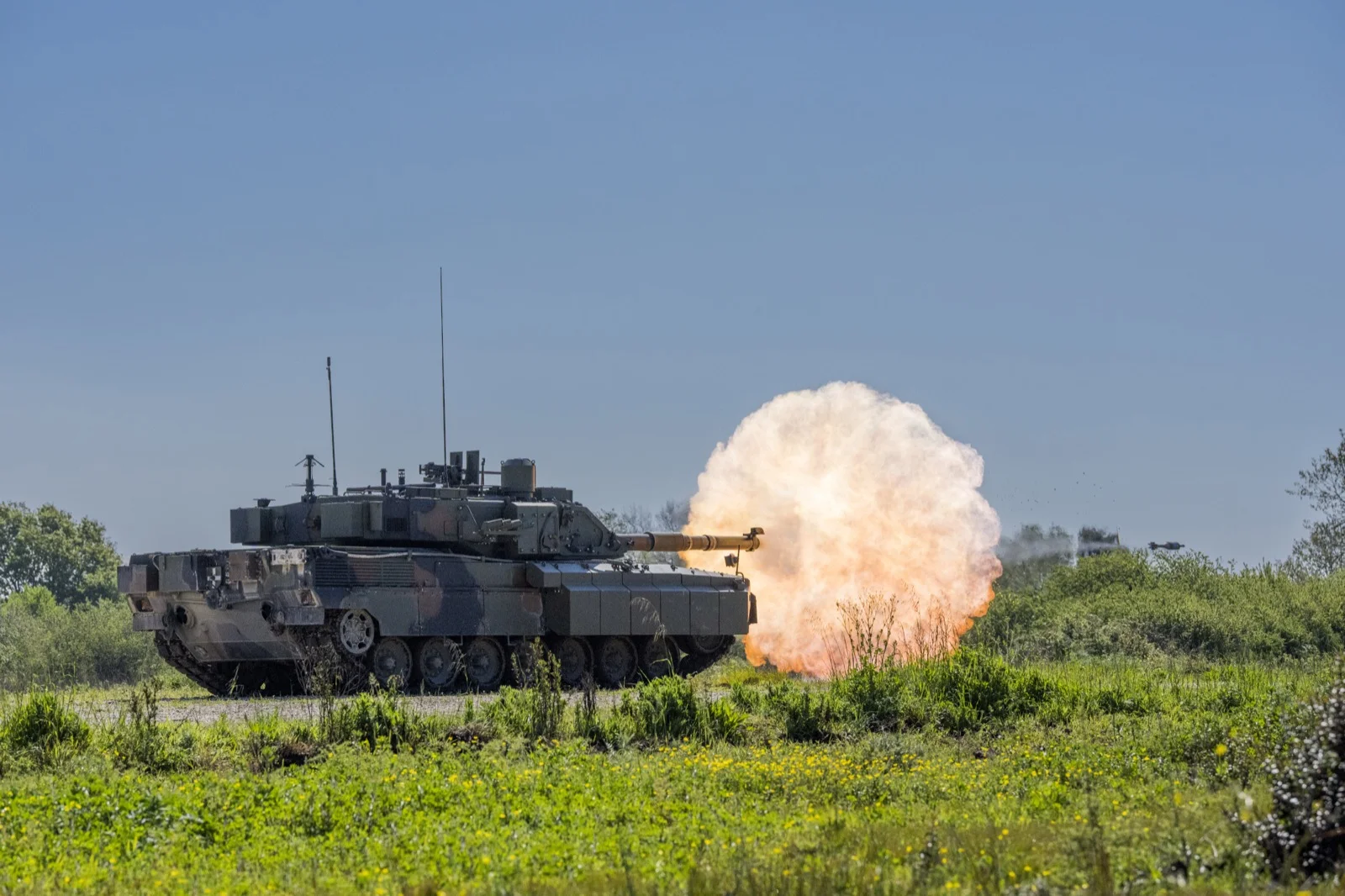
Italy is the country closest to overtaking Türkiye, separated by just 0.0236 index points — the narrowest margin on this list and a distance a single major programme could close. Rome’s advantage is maritime: 285 naval vessels against Türkiye’s 192.
The Italian Navy is among Europe’s most balanced fleets. The carrier Cavour operates F-35Bs, the multipurpose amphibious ship Trieste is entering service, and FREMM frigates serve as a reference platform both domestically and on export markets. Together they give Italy continuous carrier-borne air power in the Mediterranean — a more mature version of the capability Türkiye is building around TCG Anadolu.
Land power is the weak flank: 203 tanks is less than a tenth of Türkiye’s 2,284, and 165,500 active personnel under a third. The $37.3 billion budget trails Türkiye’s by $14 billion. Industrially, however, Italy is formidable — Leonardo across helicopters and radar, Fincantieri across shipbuilding and submarines — and it is one of three partners, with the United Kingdom and Japan, in the GCAP sixth-generation fighter programme. If that programme holds to schedule, Italy’s index position could shift during the 2030s.
Italy operates 93 more naval vessels than Türkiye, while Türkiye fields eleven times as many tanks.
| Capability | Total |
|---|---|
| Active personnel | 165,500 |
| Tanks | 203 |
| Total aircraft | 714 |
| Fighters | 88 |
| Helicopters | 352 |
| Naval vessels | 285 |
| Submarines | 8 |
| Defence budget | $37.33bn |
How the order could change by 2030
These ten countries do not have equal prospects of overtaking Türkiye. The clearest scenario is Germany: if Berlin spends its announced defence fund consistently for a decade, it has the fiscal capacity to close the inventory gap. But money is not the Bundeswehr’s only problem — recruitment, readiness and slow procurement processes are structural issues.
Italy is the second serious candidate. The margin is already minimal, and GCAP plus Fincantieri’s shipbuilding pipeline give Rome medium-term headroom. Its weakness is land power, but given how the index weighs naval and air capability, that shortfall is recoverable.
Indonesia forms a third scenario. Economic growth and the capacity to raise defence spending make Jakarta a genuine long-term contender, with the Rafale order and KF-21 partnership the first concrete steps. Australia could jump several places at once if AUKUS delivers nuclear submarines — though that timeline extends beyond the 2030s.
For Egypt, Iran and Pakistan the picture differs. All three field large inventories; all three lack the fiscal capacity to modernise them. As long as those constraints persist, their index positions will trail what their fleet sizes suggest — embargo in Iran’s case, budget in Egypt’s, macroeconomic fragility in Pakistan’s.
For Türkiye, what matters most is not what rivals do but the schedule of its own programmes: when KAAN reaches serial production, how quickly national engine work matures, the pace at which MİLGEM frigate variants join the fleet, and ALTAY production volumes. Those four headings will determine whether Türkiye sits ninth or higher in 2030. Worth noting too: GlobalFirepower does not count unmanned systems as a separate category, which means Türkiye’s real combat effect sits above what the index shows.
Türkiye and its challengers: full comparison (2026)
| World # | Country | Power Index | Active personnel | Tanks | Aircraft | Naval vessels | Submarines | Defence budget |
|---|---|---|---|---|---|---|---|---|
| 9 | Türkiye | 0.1975 | 481,000 | 2,284 | 1,101 | 192 | 14 | $51.40bn |
| 10 | Italy | 0.2211 | 165,500 | 203 | 714 | 285 | 8 | $37.33bn |
| 11 | Brazil | 0.2374 | 376,000 | 294 | 495 | 69 | 6 | $26.40bn |
| 12 | Germany | 0.2463 | 184,324 | 296 | 569 | 96 | 6 | $127.40bn |
| 13 | Indonesia | 0.2582 | 404,500 | 331 | 460 | 338 | 4 | $11.16bn |
| 14 | Pakistan | 0.2626 | 660,000 | 2,677 | 1,397 | 120 | 8 | $9.10bn |
| 15 | Israel | 0.2707 | 169,500 | 1,300 | 597 | 82 | 6 | $34.60bn |
| 16 | Iran | 0.3199 | 610,000 | 2,675 | 551 | 109 | 25 | $9.23bn |
| 17 | Australia | 0.3208 | 58,910 | 46 | 348 | 45 | 6 | $57.35bn |
| 18 | Spain | 0.3247 | 121,802 | 298 | 440 | 175 | 2 | $39.00bn |
| 19 | Egypt | 0.3651 | 438,500 | 3,620 | 1,088 | 149 | 8 | $5.19bn |
A new ranking tomorrow
Coming up: NATO’s largest standing armies, the countries strong on land, air and sea at once, and Europe’s biggest armies.
Frequently Asked Questions
Where does Türkiye rank in GlobalFirepower 2026?
Ninth worldwide, with a Power Index score of 0.1975 — placing it among the highest-ranked NATO members after the United States and France.
Which country is closest to overtaking Türkiye?
Italy, at 0.2211 — just 0.0236 behind and the narrowest margin on this list. Italy’s edge is naval: 285 vessels against Türkiye’s 192.
Why does Germany rank below Türkiye despite its huge budget?
Because the index measures force structure rather than spending. Despite $127.4 billion, Germany fields 296 tanks, 569 aircraft and 184,000 active personnel — well behind Türkiye’s inventory. Post-Cold War downsizing is the root cause.
Why do Egypt and Iran rank lower with more tanks?
Fleet size alone is not decisive. In both cases a large share of platforms belongs to earlier generations, and the fiscal capacity to modernise them is limited. The index also weighs logistics, budget and sustainment capacity.
Can Türkiye climb higher in the ranking?
The potential rests largely on domestic programme timelines: KAAN serial production, national engine development, MİLGEM frigate variants and ALTAY output. Unmanned systems are also not counted separately in the index, meaning Türkiye’s real combat effect exceeds its listed position.
Sources
- GlobalFirepower 2026 Power Index world ranking
- IISS The Military Balance
- SIPRI Military Expenditure Database
- NATO defence expenditure reports
- Defence ministry statements from the countries listed
- Turkish Presidency of Defence Industries programme data
- Source: https://www.globalfirepower.com/