Air-Launched Cruise Missiles (ALCM): The Silent Power of Modern Warfare
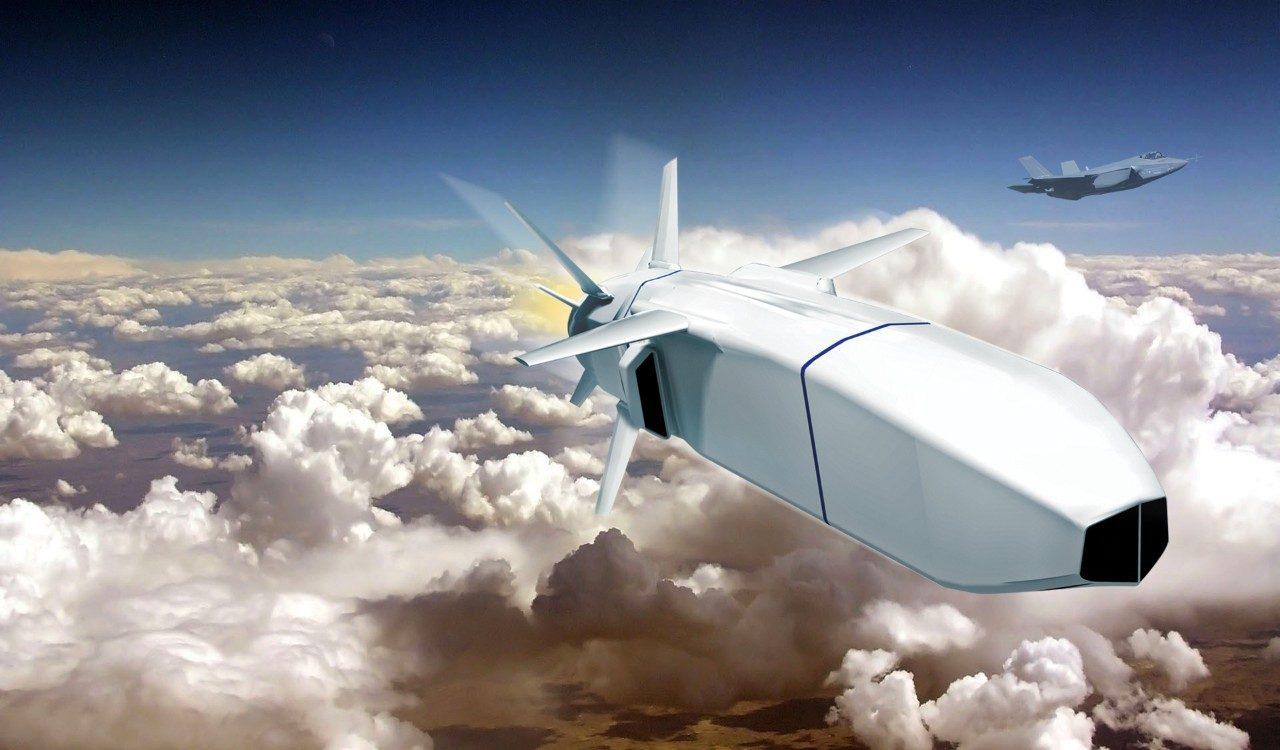
Air-launched cruise missiles (ALCM), which have become one of the most strategic weapons in the modern battlefield, are transforming warfare doctrines with their low visibility, long ranges, and high accuracy rates.
Definition and Working Principle of Cruise Missiles
<a href="https://envantermedya.com/savunma-sozluk/havadan-atilan-seyir-fuzesi-nedir/" title="What is an Air Launched Cruise Missile?”>An air-launched cruise missile is defined as a long-range <a href="https://envantermedya.com/savunma-sozluk/gudumlu-muhimmat-nedir/" title="What is Guided Ammunition?”>guided munition that is launched by combat aircraft and can deliver its warhead to the target with high precision.
- Wings: Provide lift to the missile, allowing it to stay airborne like an aircraft.
- Propulsion systems: Propulsion is provided by turbojet, turbofan, ramjet, or solid-fuel rocket engines.
- Guidance systems: High precision is achieved through technologies such as inertial navigation, GPS, infrared (IR) seeker head, and radar guidance.
- Flight profile: Typically flies at low altitude, hugging the terrain, making it difficult to detect by radars.
These features highlight the fundamental differences that set ALCMs apart from conventional ballistic missiles.
Historical Development: From V-1 to Present
📌 World War II:
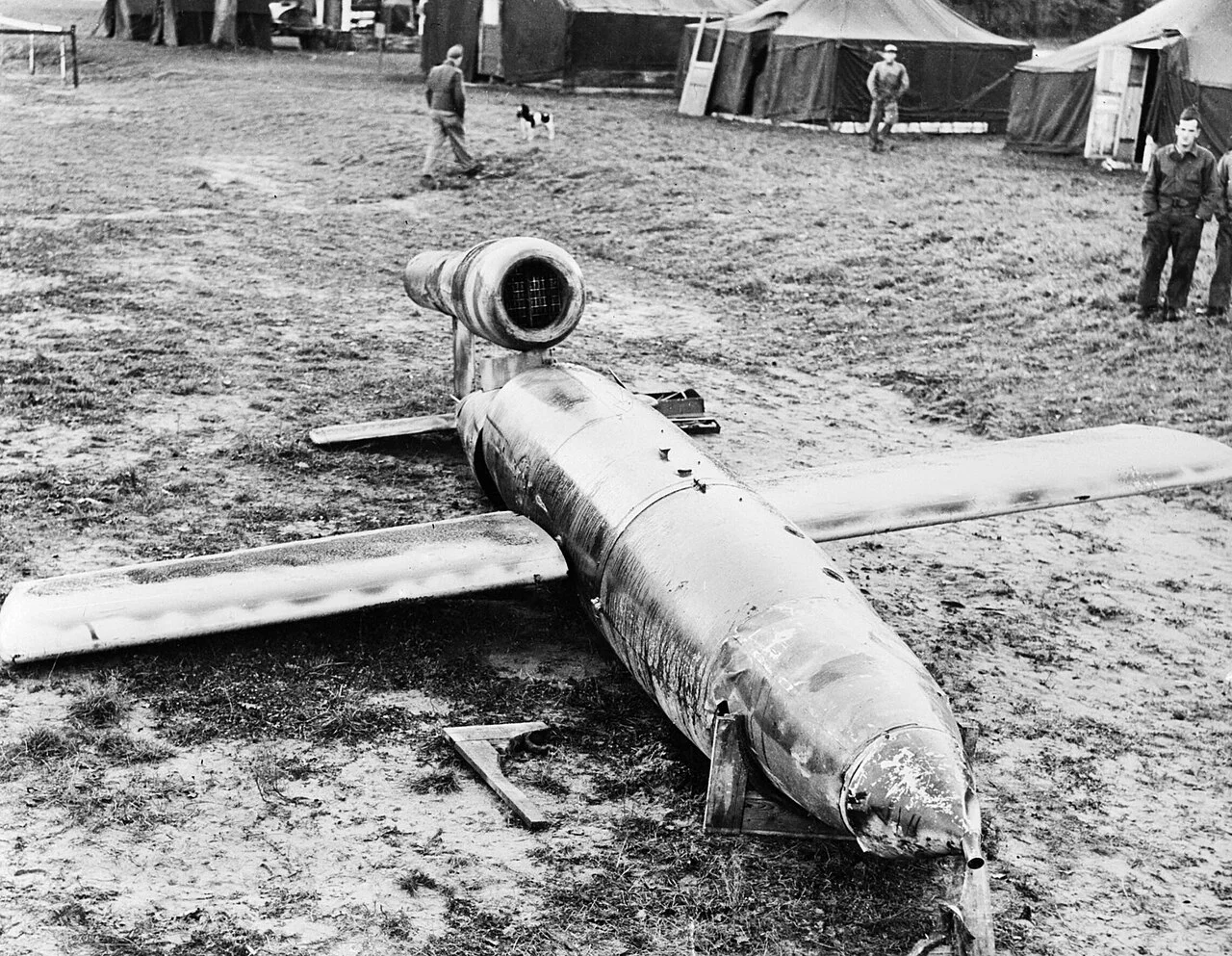
- Germany developed the V-1, considered the first cruise missile in history.
- This missile, powered by a simple pulsejet engine, was used against London in 1944.
📌 Cold War:
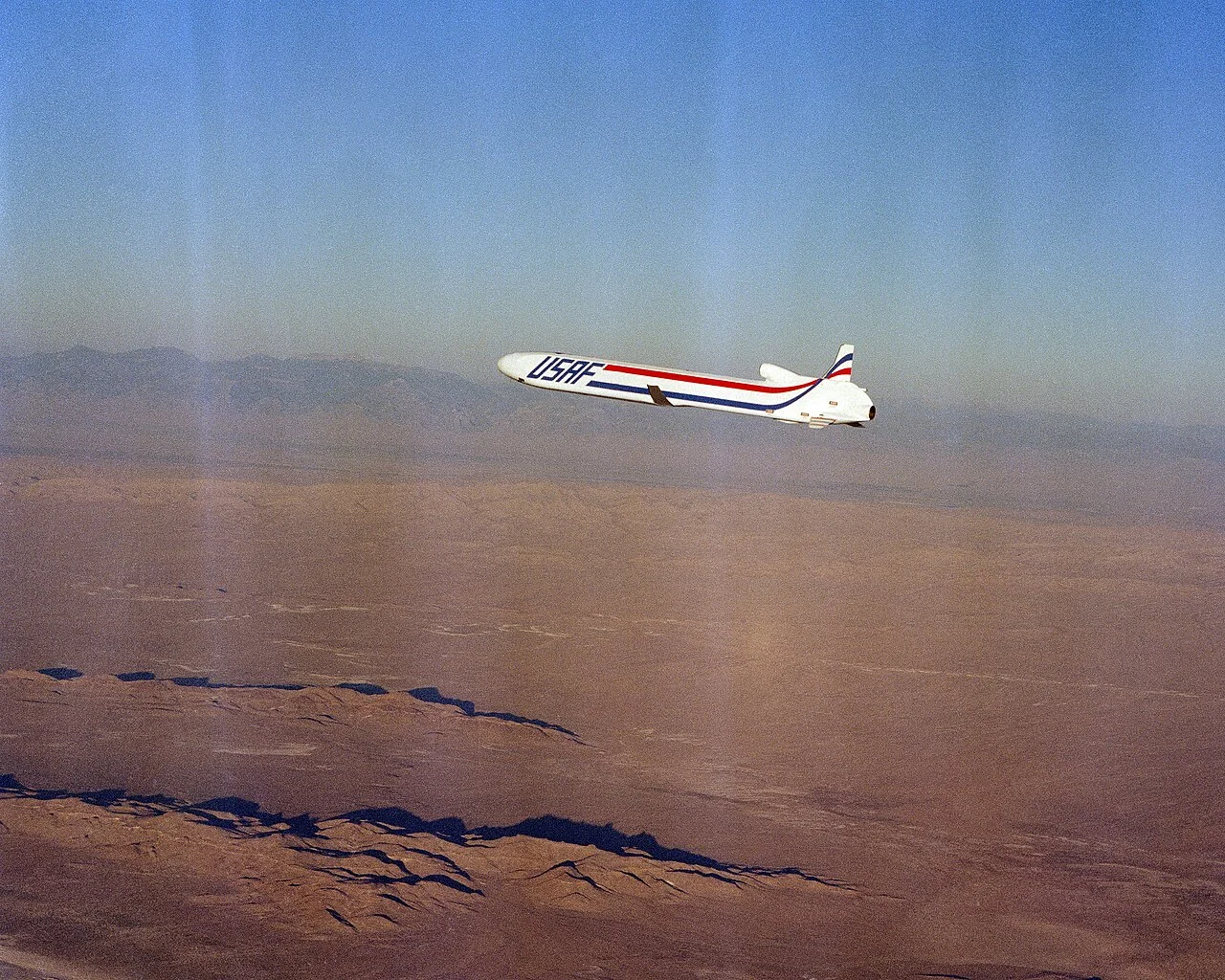
- The USA, UK, France, and Germany developed their own cruise missiles.
- The USSR used various models, mostly capable of carrying nuclear warheads.
📌 Modern era:
- The 1991 Gulf War brought cruise missiles to the forefront of international public attention.
- Since then, around 3,000 cruise missiles have been operationally fired; more than 2,000 of these belonged to the USA.
Key Components of ALCM
- Warhead: Can be conventional, nuclear, or specialized (fragmentation, bunker-busting, etc.).
- Propulsion system: Turbojet, turbofan, ramjet, or solid-fuel engines.
- Guidance section: Comprises position control and trajectory control systems.
- Control surfaces and wings: Provide maneuverability.
- Fuel tank: Enables sustainable flight over long ranges.
Notable ALCM Examples from Around the World
- AGM-84K SLAM-ER (USA):
- GPS + infrared guidance.
- Range of 270 km.
- Used particularly in the Iraq War.
- Also in the inventory of the Turkish Air Force.
- AGM-158 JASSM (USA):
- 450 kg penetrator warhead.
- Turbojet engine.
- Low visibility (stealth).
- Unit cost: 1.26 million dollars.
- KEPD-350 (Germany/Spain/South Korea):
- Williams P8300-15 turbofan engine.
- Transonic speed.
- Cost of 950 thousand dollars.
- In active use since 2005.
- SCALP EG / Storm Shadow (France-UK):
- Long-range cruise missile developed for deep strike operations.
Turkey’s ALCM Initiative: SOM Cruise Missile
Turkey developed its own national cruise missile with the SOM (Stand-Off Munition) project initiated in 2006 under TÜBİTAK-SAGE.
- Entered the inventory in 2012.
- Weight: 600 kg, Warhead: 230 kg.
- Range: 250+ km (longer in advanced variants).
- Features:
- Low visibility geometry.
- Radar-absorbing coating.
- High maneuverability.
- Low altitude flight.
- Target updating and mission cancellation via data link (Meteksan KEMENT).
📌 Variants:
- SOM-A, SOM-B1, SOM-B2 → in mass production.
- SOM-C1 and SOM-C2 → being developed for engagement against moving maritime targets.
SOM stands out with its ability to adapt to current missions thanks to high operational flexibility, modular structure, and data link, unlike its counterparts such as Storm Shadow/SCALP, KEPD-350, JASSM.
Strategic Importance
- Deterrence: Can strike critical targets with surprise attacks due to low visibility.
- Flexibility: Can be used against both land and maritime targets.
- Operational superiority: Puts air defense networks in a difficult position with long-range missions at low altitude.
📌 Conclusion
Air-launched cruise missiles have become one of the most critical elements of modern warfare doctrines. Many countries, from the USA to Russia, and from Europe to Turkey, are increasing their investments in this area. Turkey’s SOM project holds strategic value in terms of both technological independence and regional power balances.