





What Is an Air-to-Air Missile (AAM)? Fighter Jet Weapons Explained

# What Is an Air-to-Air Missile (AAM)? Fighter Jet Weapons Explained
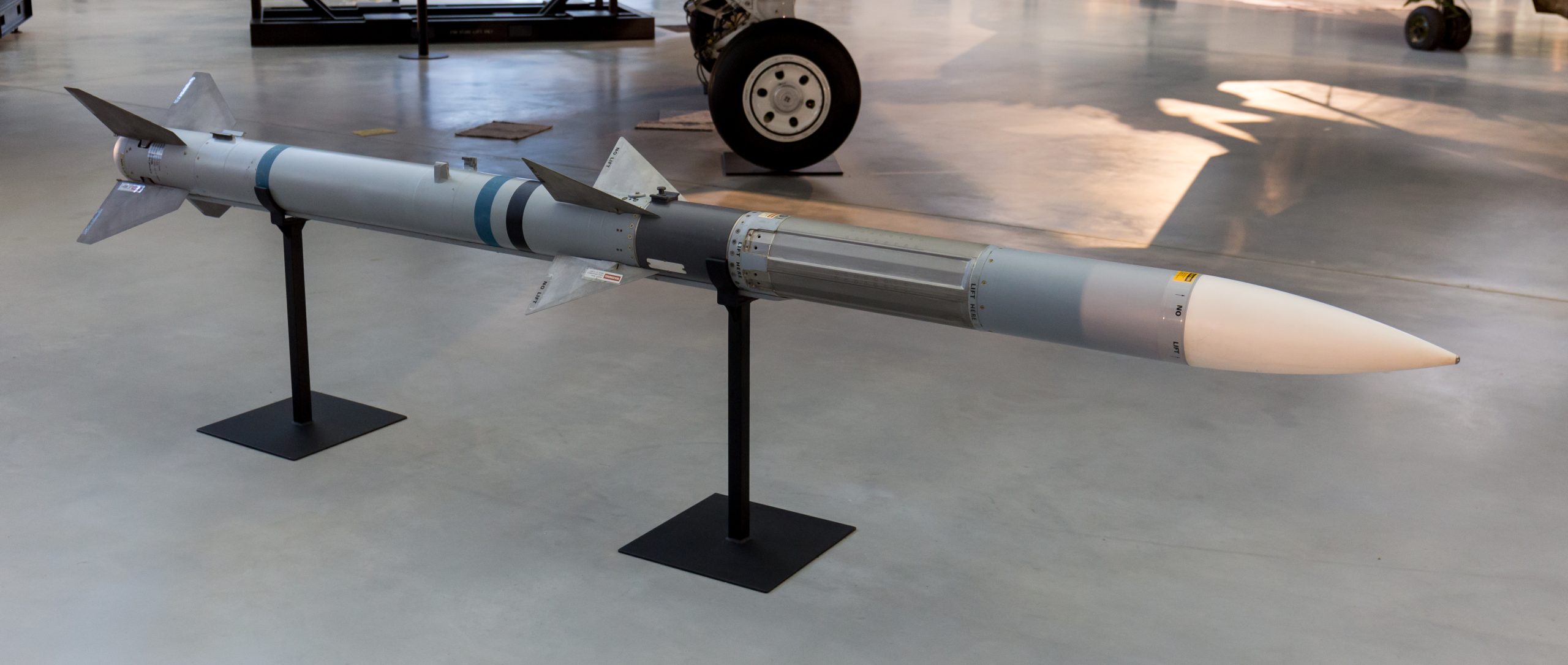
Quick answer: An air-to-air missile (AAM) is a missile fired from one airplane to destroy another airplane. Modern AAMs are why pilots almost never see each other in combat anymore — most kills happen from 30 to 200 km away.
The age of the “dogfight” (planes circling and shooting cannons) is mostly over. Today, the side that detects first and fires first usually wins.
Two Types of AAMs
| Type | Range | How It Sees | Famous Example |
|---|---|---|---|
| Short-range (WVR) | 1–30 km | Infrared (heat) | AIM-9X, R-73, IRIS-T, Bozdoğan |
| Long-range (BVR) | 30–200+ km | Radar | AIM-120, R-77, Meteor, Gökdoğan |
WVR = Within Visual Range (you can see the enemy plane) BVR = Beyond Visual Range (you can’t see it; you only have it on radar)
Famous Short-Range (WVR) Missiles
- AIM-9X Sidewinder (USA): Mach 2.5, 35 km, off-boresight (can shoot at any angle)
- R-73 / R-74 (Russia): legendary maneuverability
- IRIS-T (Germany): used by many NATO members
- Python-5 (Israel): can do a 180° turn after launch
- Bozdoğan (Türkiye): domestic short-range missile
These are heat-seekers. They lock onto hot jet exhausts. Modern ones can even lock onto a target behind the firing aircraft using helmet-mounted sights.
Famous Long-Range (BVR) Missiles
- AIM-120 AMRAAM (USA): 105 km (D-version), the world’s most common BVR
- AIM-260 JATM (USA): 260+ km, replacement for AMRAAM
- Meteor (Europe): 200+ km, ramjet engine, no “kinematic dead zone”
- R-77 / R-37M (Russia): R-37M reaches 400 km
- PL-15 (China): 200+ km, scary new threat
- Gökdoğan (Türkiye): domestic BVR missile
These use radar. The launching jet (or AWACS plane) illuminates the target, the missile locks on, and at the end it uses its own radar to home in.
How a BVR Engagement Works
- 1. Detection — AWACS or fighter radar sees an enemy 200 km away.
- 2. Identification — IFF and tactical data confirm it’s hostile.
- 3. Launch — Missile fires, climbs, and turns at Mach 4.
- 4. Mid-course — Missile flies on inertial guidance + data link.
- 5. Terminal — At ~20 km from target, missile’s own radar activates (“pitbull” call in US lingo).
- 6. Hit — Proximity fuse explodes the warhead, ripping the target jet apart.
Time from launch to impact at 100 km: about 90 seconds.
What Is “No Escape Zone”?
The No Escape Zone (NEZ) is the distance inside which the target cannot outrun or out-maneuver the missile, even if they try. The Meteor missile is famous for having a much larger NEZ than the AMRAAM, because its ramjet keeps thrusting for longer instead of coasting.
| Missile | Range | NEZ (approx) |
|---|---|---|
| AIM-120D | 105 km | ~50 km |
| Meteor | 200+ km | ~100 km |
| R-37M | 400 km | ~150 km |
| PL-15 | 200+ km | ~80 km |
How Pilots Avoid Missiles
When a missile is launched at you, the cockpit’s RWR (Radar Warning Receiver) screams. Pilots try:
- Notching — turning 90° to the missile’s radar to look “stationary”
- Chaff — bundles of metal foil to confuse radar
- Flares — burning torches to fool heat-seekers
- Maneuvering — pulling 9G turns to force the missile to run out of energy
But against modern missiles, sometimes only luck and electronic warfare save the pilot.
Why AAMs Changed Everything
In WWII, planes used machine guns at 200 meters. In Korea (1950s), missiles started replacing guns. By Vietnam, AIM-9 Sidewinders were standard. By the Gulf War (1991), almost all kills were missile-only — pilots never saw each other.
This means today’s air combat is more like a long-distance chess game than the swirling dogfights from movies.
Image Suggestions
- 1. Featured: F-16 launching an AMRAAM
- 2. AIM-9X close-up showing IR seeker
- 3. BVR engagement diagram (detect → launch → terminal)
- 4. Meteor missile cutaway showing ramjet
- 5. Pilot helmet with helmet-mounted display
Related Articles
- What is BVR combat?
- What is a dogfight?
- What is a fighter jet generation?
- What is AESA radar?
- What is a guided missile?