US Arctic Defense Strategy: What the 2024 Pentagon Document Announced

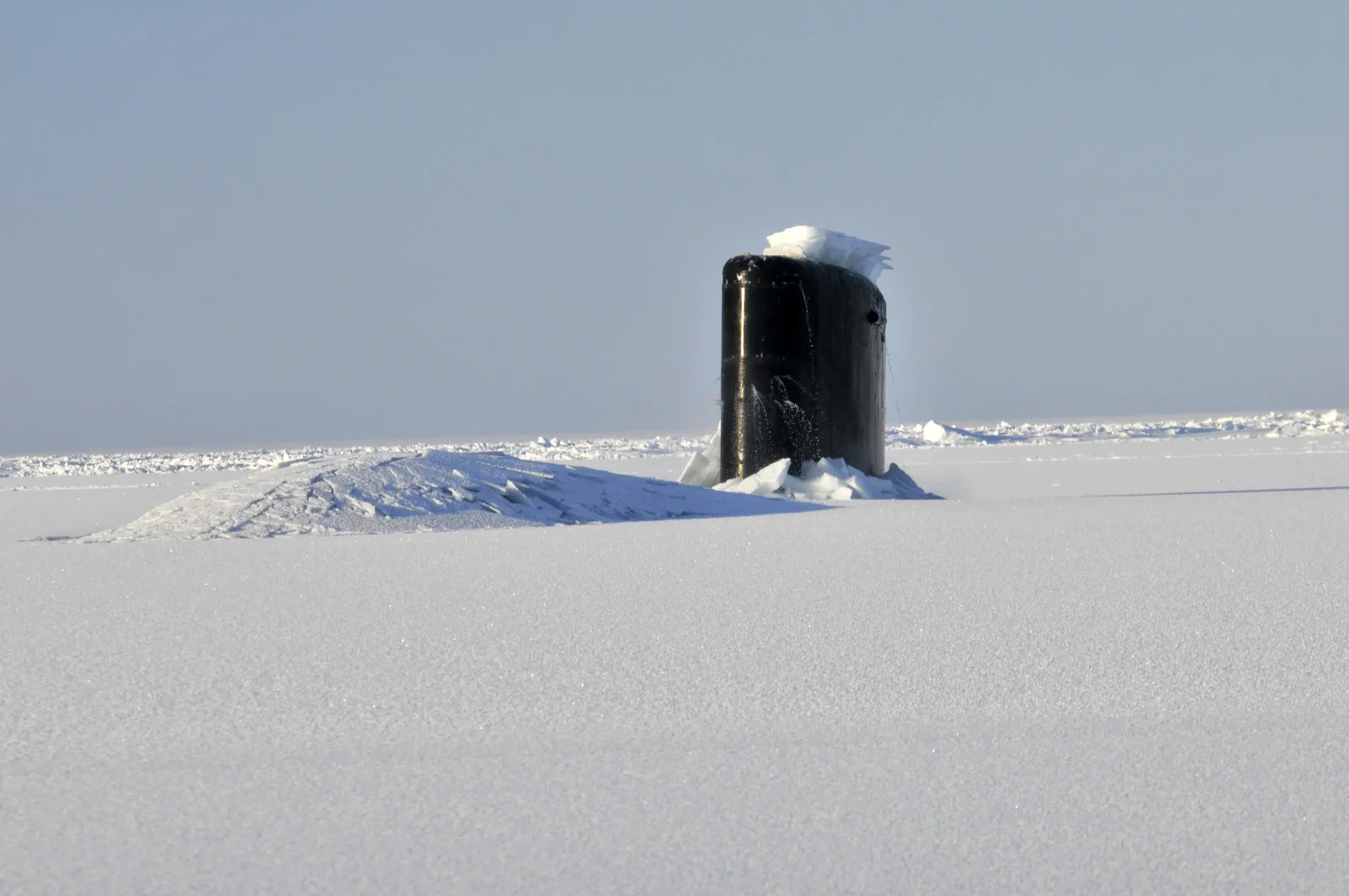
On July 22, 2024, the U.S. Department of Defense released its 2024 Arctic Strategy, the first official update of the department’s approach to the region since 2019. The official announcement is the basis of this article. A strategy is a statement of intended approach, not a completed list of new bases, ships or aircraft already fielded in the Arctic.
How official officials described the region and the goal
In the department’s official release, Deputy Secretary of Defense Kathleen Hicks said: “The Arctic region of the United States is critical to the defense of our homeland, the protection of U.S. national sovereignty, and the preservation of our defense treaty commitments.” She added that the strategy “will guide the Department’s efforts to ensure that the Arctic remains a secure and stable region.” The release says the document lays out steps the department will take, working alongside allies and partners, to preserve the Arctic as a secure and stable region in which the U.S. homeland is defended and vital national interests are safeguarded. It also says the strategy builds on the 2022 National Security Strategy and the 2022 National Defense Strategy, and is part of the department’s effort to implement the 2022 National Strategy for the Arctic Region.
Deputy Assistant Secretary of Defense for Arctic and Global Resilience Iris Ferguson was quoted as saying the strategy is “very action oriented, which distinguishes it from previous Arctic Strategies,” and that it unpacks where the department needs to sustain investments, “especially in critical capabilities,” including what it has to see, how it communicates, and whether it has the right equipment to operate in the region.
The official reading of the security environment
The official release states that the Arctic is undergoing rapid change, both strategically and physically. It says the People’s Republic of China, which remains the department’s pacing challenge, seeks increasing access and influence in the Arctic, while Russia remains an acute threat in the region despite its losses in Ukraine. Increasingly, the release says, these two competitors are collaborating in the Arctic, with implications for the security of the United States and of U.S. allies and partners. At the same time, it notes Finland and Sweden’s decision to join NATO, which “brings all like-minded Arctic states into the NATO Alliance and presents new opportunities for collaboration and cooperation.” The same official text says this picture is underscored by the impact of climate change on the Arctic, “which is warming at least three times faster than the rest of the world and increasingly opening to more human activity.” Those are official departmental characterizations as of the July 2024 announcement, not a new intelligence estimate invented here.
The “monitor-and-respond” approach and three lines of effort
To address that environment, the official release says the department will adopt a “monitor-and-respond” approach, supported by robust domain-awareness cooperation with highly capable allies and partners, and underpinned by the deterrent value of the department’s ability to deploy the Joint Force globally at the time and place of its choosing. The ways the department will execute that approach are grouped into three main lines of effort:
- Enhance capabilities to campaign in the Arctic, especially domain awareness, communications, and intelligence, surveillance and reconnaissance capabilities.
- Engage with allies and partners to uphold defense and deterrence, build interoperability, and increase understanding of how to operate in the region.
- Exercise calibrated presence in the Arctic by regularly training in the region and conducting routine operations critical to upholding deterrence and homeland defense.
Those lines of effort are official statements of intended work. This article does not treat them as proof that any particular new radar, aircraft, icebreaker or base has already been delivered, and it does not invent a public list of Arctic installations or exercise calendars beyond the official description of regular training and routine operations.
The official announcement also ties the strategy to already published national documents rather than to a new, standalone force-structure decision. It is described as building on the 2022 National Security Strategy and the 2022 National Defense Strategy, and as part of implementing the 2022 National Strategy for the Arctic Region. Finland and Sweden’s accession to NATO is presented as a change in the alliance map of the Arctic, not as a substitute for the department’s own capability, engagement and presence work. Readers looking for a public catalog of U.S. Arctic bases, aircraft or icebreaking vessels will not find that catalog in the announcement cited here; those details, where they exist, belong in service fact files and budget documents, not in an invented list.
Sources
- U.S. Department of Defense, “DoD Announces Publication of 2024 Arctic Strategy,” July 22, 2024, https://www.war.gov/News/Releases/Release/Article/3846206/dod-announces-publication-of-2024-arctic-strategy/
- U.S. Department of Defense, 2024 Department of Defense Arctic Strategy (official publication linked from that release), https://media.defense.gov/2024/Jul/22/2003507411/-1/-1/0/DOD-ARCTIC-STRATEGY-2024.PDF