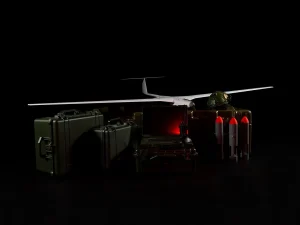
GPS was cut, the radar network kept seeing: a world first for quantum timing

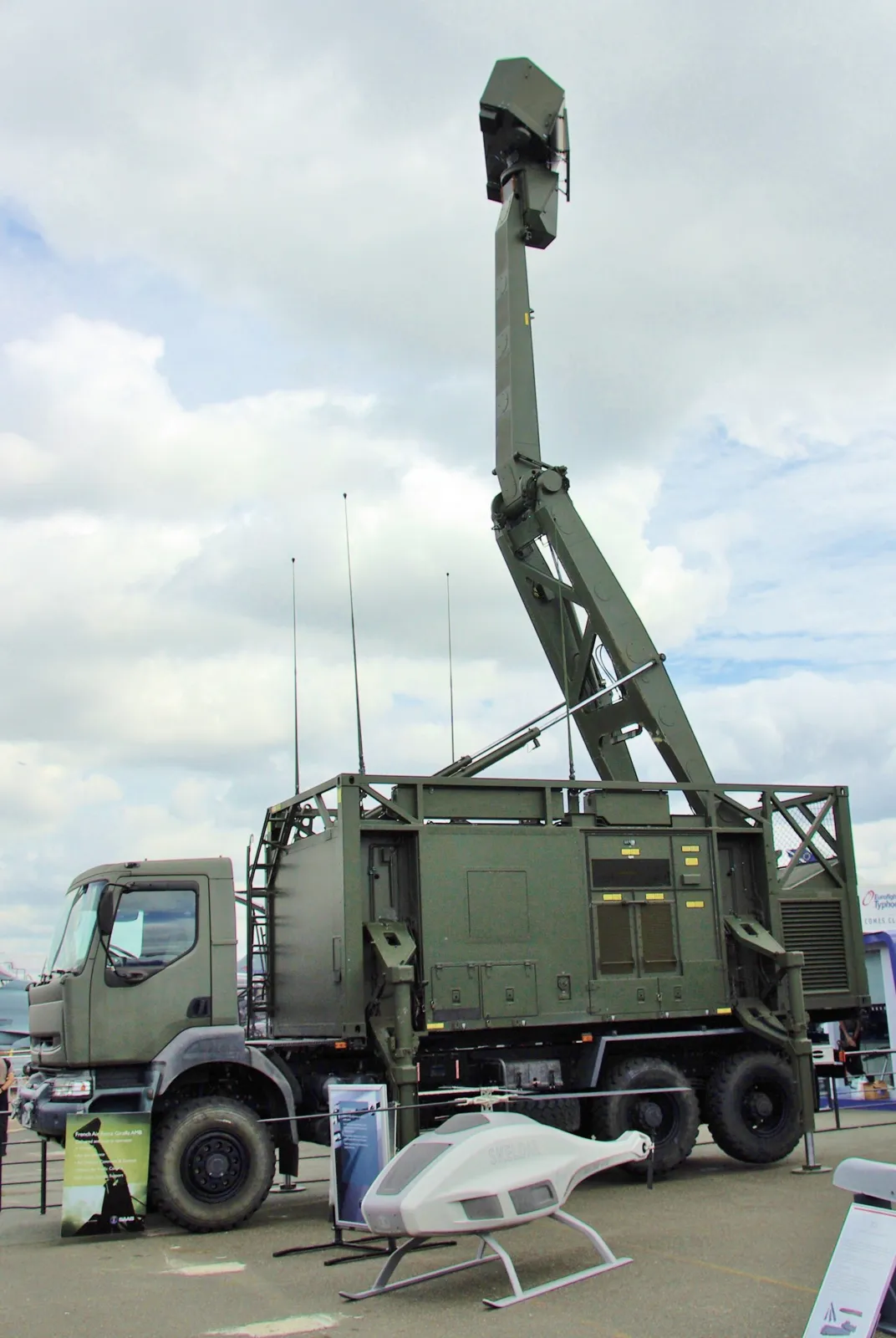
Saab, Aquark Technologies and the Royal Navy have run a radar network that kept working after satellite timing was cut. Giraffe 1X radars at separate sites stayed synchronised using quantum cold-atom clocks instead of GPS, still producing a single coherent air picture. The partners call it a world first.
At a Glance
- What happened: A distributed radar network held its air picture after GPS timing was removed
- Announced: 12 August 2026; the trial itself ran in June 2026
- Where: Multiple UK sites and the Royal Navy experimentation vessel XV Patrick Blackett
- Who: Saab UK, Aquark Technologies, the Royal Navy’s DCTO, QinetiQ and Dstl
- Technology: Aquark’s AQlock cold-atom clock paired with Saab’s Giraffe 1X radar
- Timeline: Work began December 2025; two working prototype clocks by end of June 2026
- Why it matters: GNSS jamming and spoofing are now routine, not exceptional
The invisible weak link: time
In modern air defence a radar rarely works alone. Sensors spread across different sites fuse what they see into one air picture, and that fusion rests on something most people never think about: shared time. If radars do not agree to within billionths of a second, the same aircraft can appear as two separate tracks.
That time reference has come almost entirely from GPS. A satellite signal carries not just position but an extremely precise clock, and militaries have treated it as free infrastructure for decades. The problem is that the signal is weak — easy to jam, increasingly easy to spoof. From Ukraine to the Baltic, the eastern Mediterranean to the Gulf, civil aviation reporting is now thick with GNSS interference.
The trial run by Saab UK, Aquark Technologies and the Royal Navy’s Disruptive Capabilities and Technologies Office targeted exactly that gap. With satellite timing removed, Giraffe 1X radars at separate locations stayed synchronised on Aquark’s quantum clocks and continued to combine their tracks into one accurate picture.
A cold-atom clock leaves the laboratory
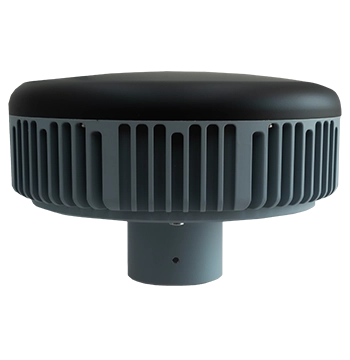
Aquark’s AQlock uses cold-atom technology. Lasers slow atoms to temperatures near absolute zero, and their oscillation frequency provides an exceptionally stable measure of time. Such clocks hold accuracy far longer than conventional oscillators without receiving any external signal.
None of that is new in a laboratory. What is new is the box shrinking enough to go outdoors. Aquark started the work in December 2025 and had two viable prototypes by the end of June 2026. QinetiQ and the Defence Science and Technology Laboratory took part in the trial, with the Royal Navy’s experimentation ship XV Patrick Blackett serving as one of the platforms.
Andy Fraser, Group Managing Director at Saab UK, framed the result plainly: by combining quantum timing with the Giraffe 1X radar, the team demonstrated “a practical capability that could help customers continue to operate effectively when it matters most.”
Trial Data
| Radar | Saab Giraffe 1X — lightweight 3D air surveillance radar |
| Timing source | Aquark AQlock cold-atom clock |
| Participants | Saab UK, Aquark, Royal Navy DCTO, QinetiQ, Dstl |
| Trial date | June 2026; announced 12 August 2026 |
| Sites | Multiple UK locations plus XV Patrick Blackett |
| Capability shown | Distributed radar network holding one air picture without GNSS timing |
| Programme start | December 2025 |
| Prototypes | Two working cold-atom clocks by end of June 2026 |
Why Giraffe 1X
Giraffe 1X is Saab’s lightweight air surveillance radar, small enough for a pickup bed or a ship’s mast, using an electronically scanned array optimised for detecting small drones. Saab announced a sharp increase in production rates for the type this year; the spread of cheap unmanned aircraft has made the light radar segment one of the busiest corners of the market.
Networking is the lifeblood of that class. A single lightweight radar covers a limited volume, so the capability only emerges when dozens of sensors are fused. Timing therefore sits precisely on this product family’s most fragile point.
This remains a prototype demonstration rather than a fielded product. The direction of travel, though, is unambiguous: Western forces are actively dismantling their dependence on satellites for navigation and timing alike.
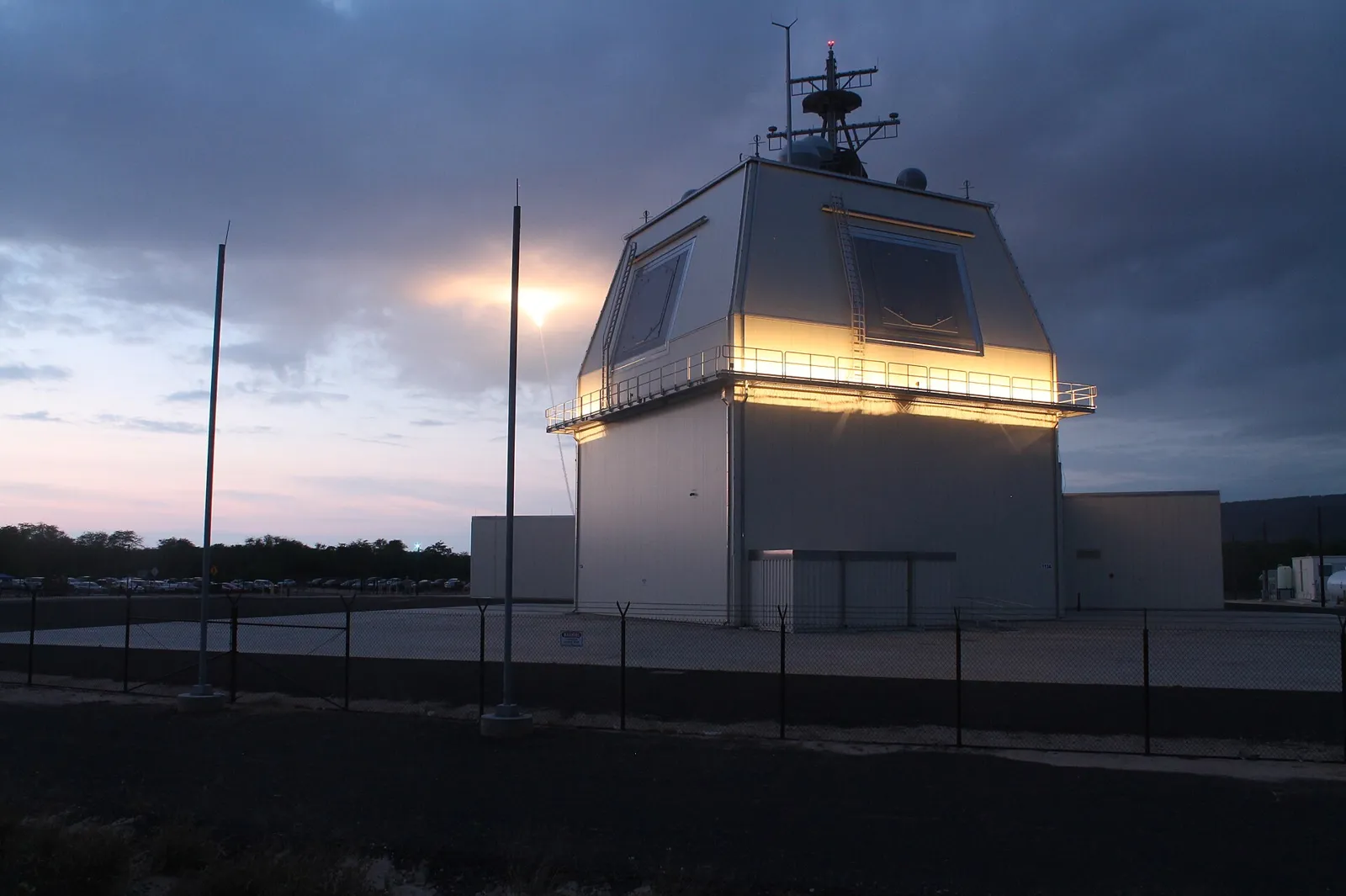
The question is hardly distant for Türkiye. GPS jamming and spoofing over the Black Sea and eastern Mediterranean have appeared in civil aviation reporting for years, and ASELSAN’s electronic warfare work and jam-resistant navigation research sit at the other end of the same problem. Since the STEEL DOME architecture depends on fusing many different radars into a single picture, an independent time source is a question Ankara will meet sooner or later.
Sources
- Saab — Saab completes world-first Quantum Timing radar trial (12 August 2026)
- The Quantum Insider — Aquark Augments Networked Radars With Quantum-Based Timing in Trial
- UK Defence Journal — Radar network kept working after GPS timing was cut
- Saab product page — Giraffe 1X