10 NATO Countries With the Most Combat Aircraft (2026): US on Top, Turkey Second

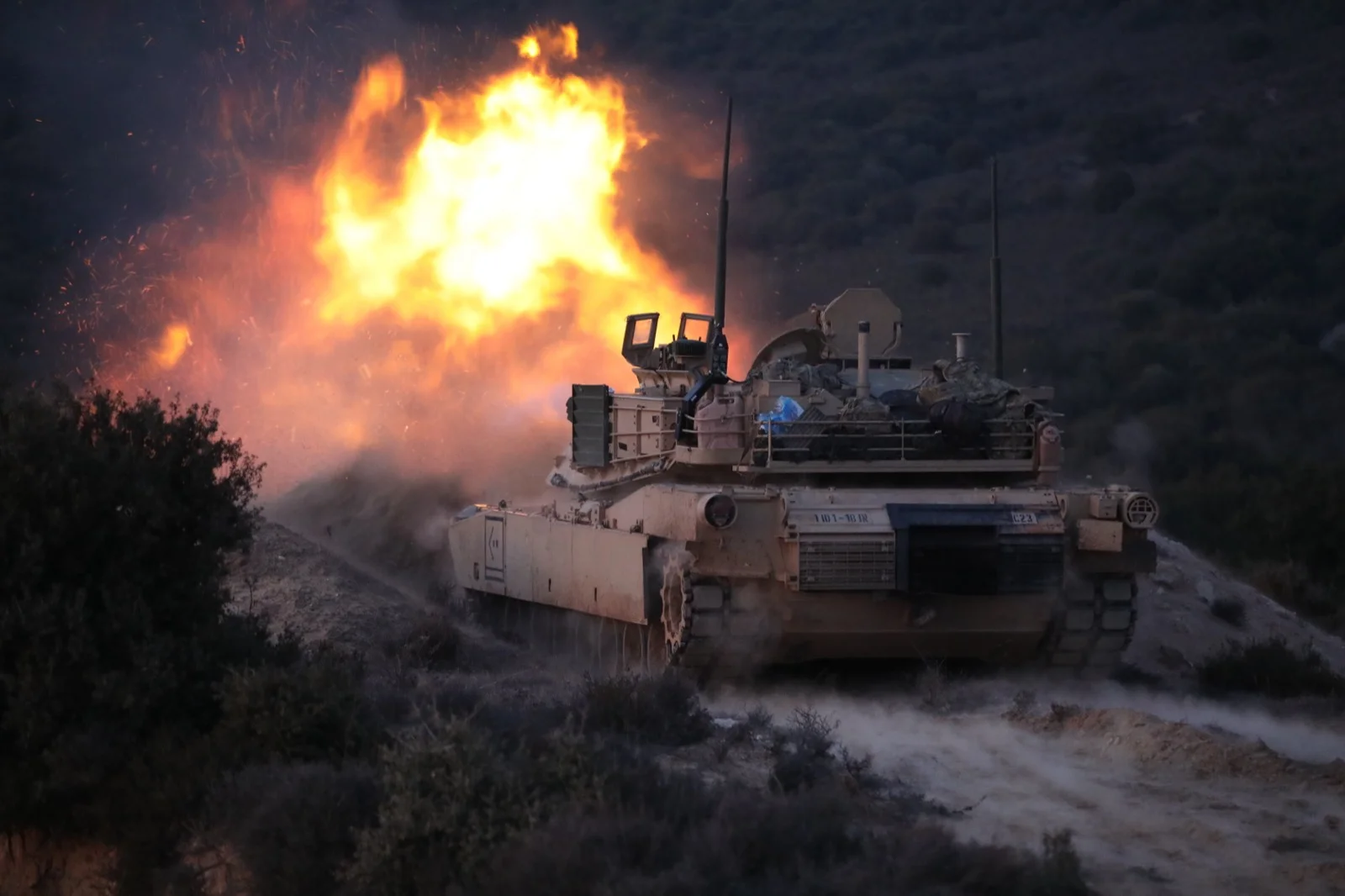
The true power of a defence alliance is measured in the skies. NATO holds the largest pool of air power on earth — so which 10 of its 32 members field the most combat aircraft? That the US tops the list is no shock — but the country in second place will surprise most readers. France, Germany, the UK — or Turkey? Using 2026 GlobalFirepower data, we count down from the bottom to the summit.
#10 🇨🇦 Canada
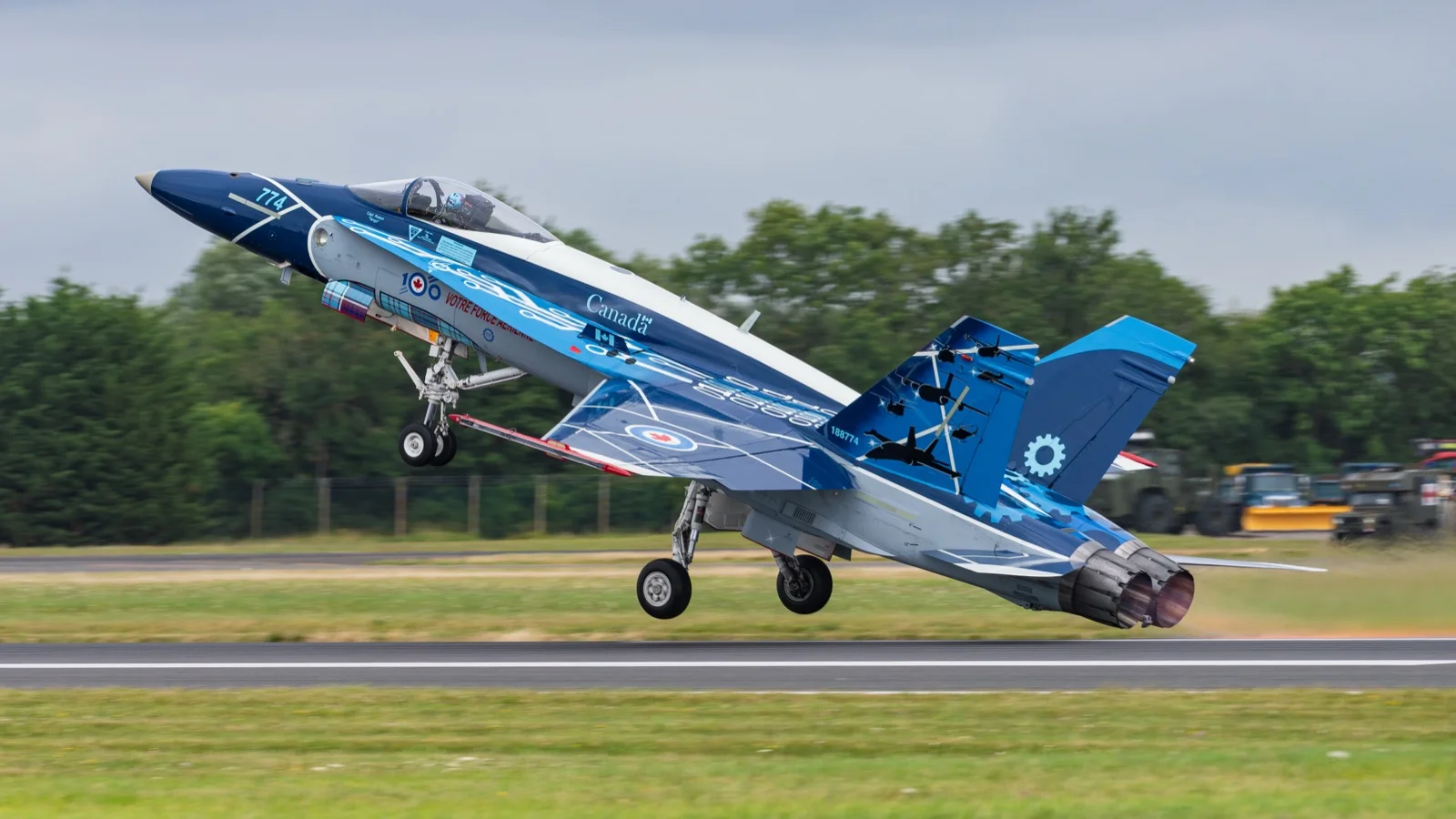
Canada opens our list. A founding NATO member, Canada fields a relatively small fighter fleet despite its vast territory and Arctic responsibilities. The backbone remains the decades-old CF-18 Hornet, but Ottawa is preparing a major renewal with 88 F-35A jets. Canadian air power focuses on North American air defence under NORAD and NATO patrol duties. Modest in numbers, its integration with the US and modern infrastructure make Canada a reliable air element of the alliance.
| Total Military Aircraft | ~354 |
| Fighters (combat aircraft) | ~87 |
| NATO Rank | #10 |
So which European nation comes next? The answer arrives from the Mediterranean.
#9 🇪🇸 Spain
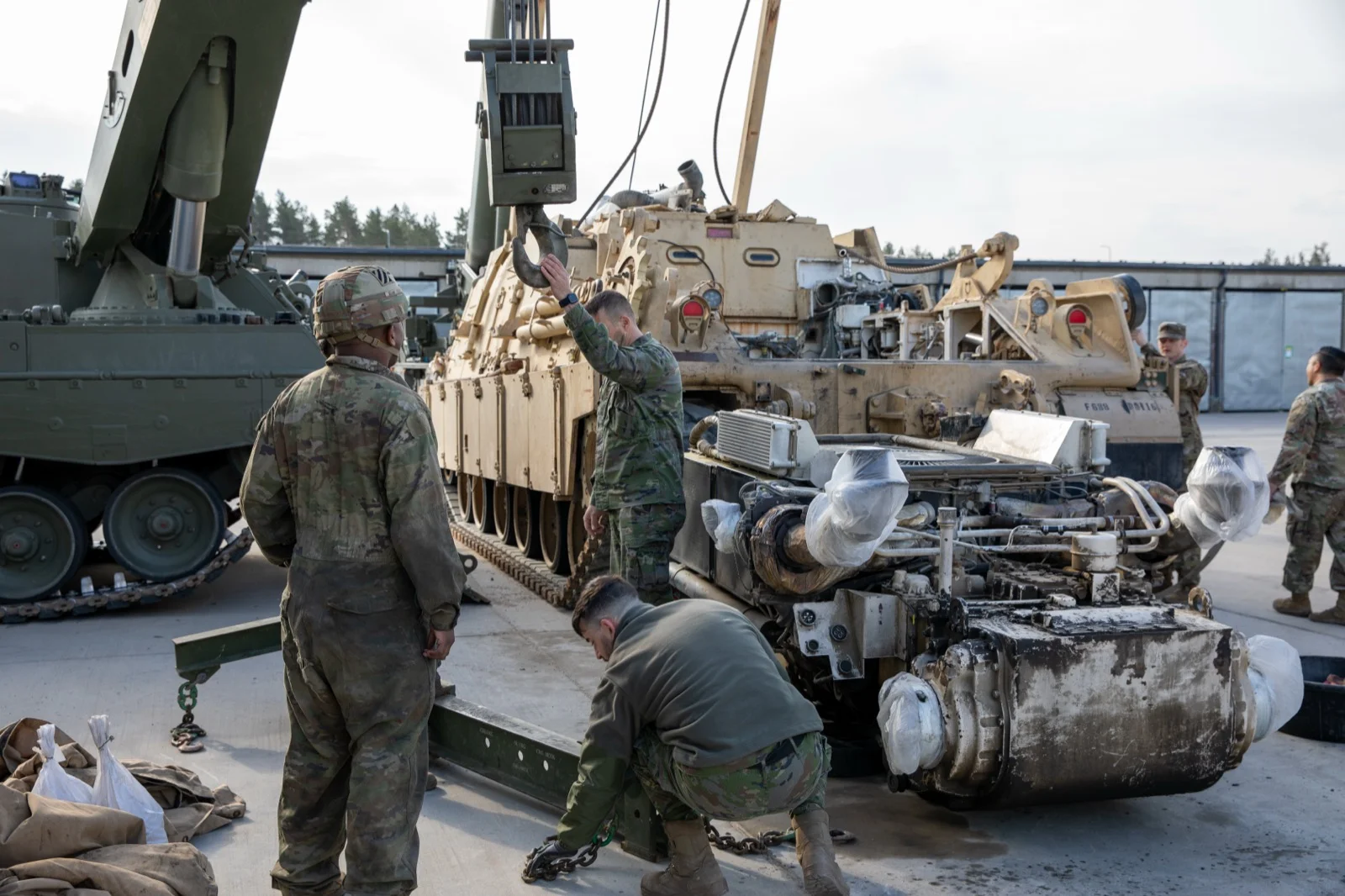
Spain sits ninth. The Spanish Air Force is a balanced, modern force built around the Eurofighter Typhoon and upgraded EF-18 Hornet. With roughly 464 military aircraft it guards NATO’s south-western flank and regularly contributes to alliance missions such as Baltic air policing. Through Airbus, Spain is also a hub of the European defence industry and a partner in the future FCAS sixth-generation fighter — proof it sits at the table as a producer, not just a user.
| Total Military Aircraft | ~464 |
| Fighters (combat aircraft) | ~137 |
| NATO Rank | #9 |
But the real competition is heating up in Eastern Europe.
#8 🇵🇱 Poland
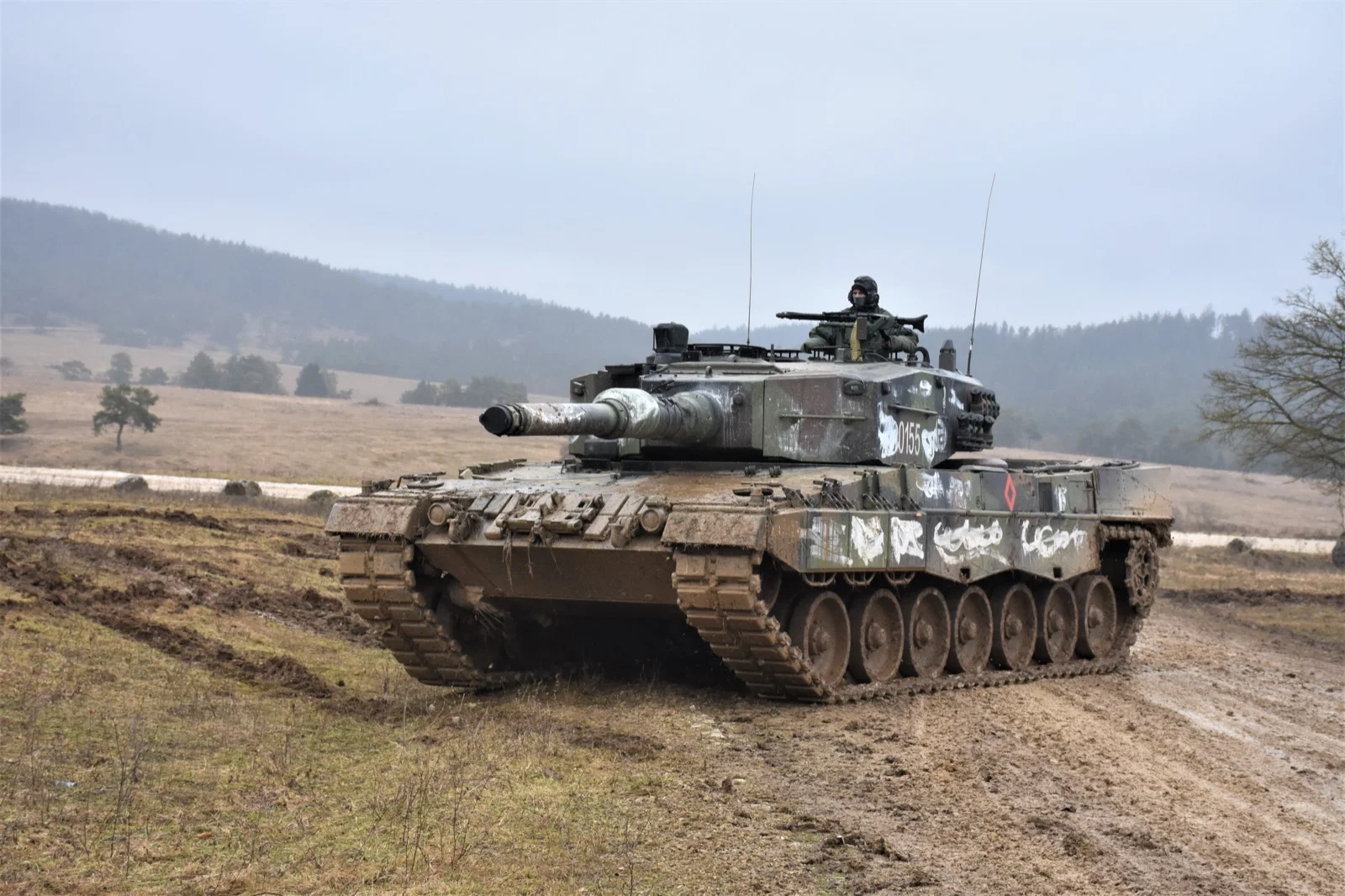
Poland, eighth, is NATO’s fastest-arming member of recent years. Facing the Russian threat, Warsaw is expanding its air power at record pace: alongside its F-16 fleet it has ordered dozens of South Korean FA-50 light combat jets and 32 F-35A. With ~467 aircraft Poland is becoming the eastern flank’s most dynamic air force, building layered deterrence fast — one of the most aggressive modernisation programmes in the alliance.
| Total Military Aircraft | ~467 |
| Fighters (combat aircraft) | ~99 |
| NATO Rank | #8 |
The next country punches far above its weight in pure fighter numbers.
#7 🇬🇷 Greece
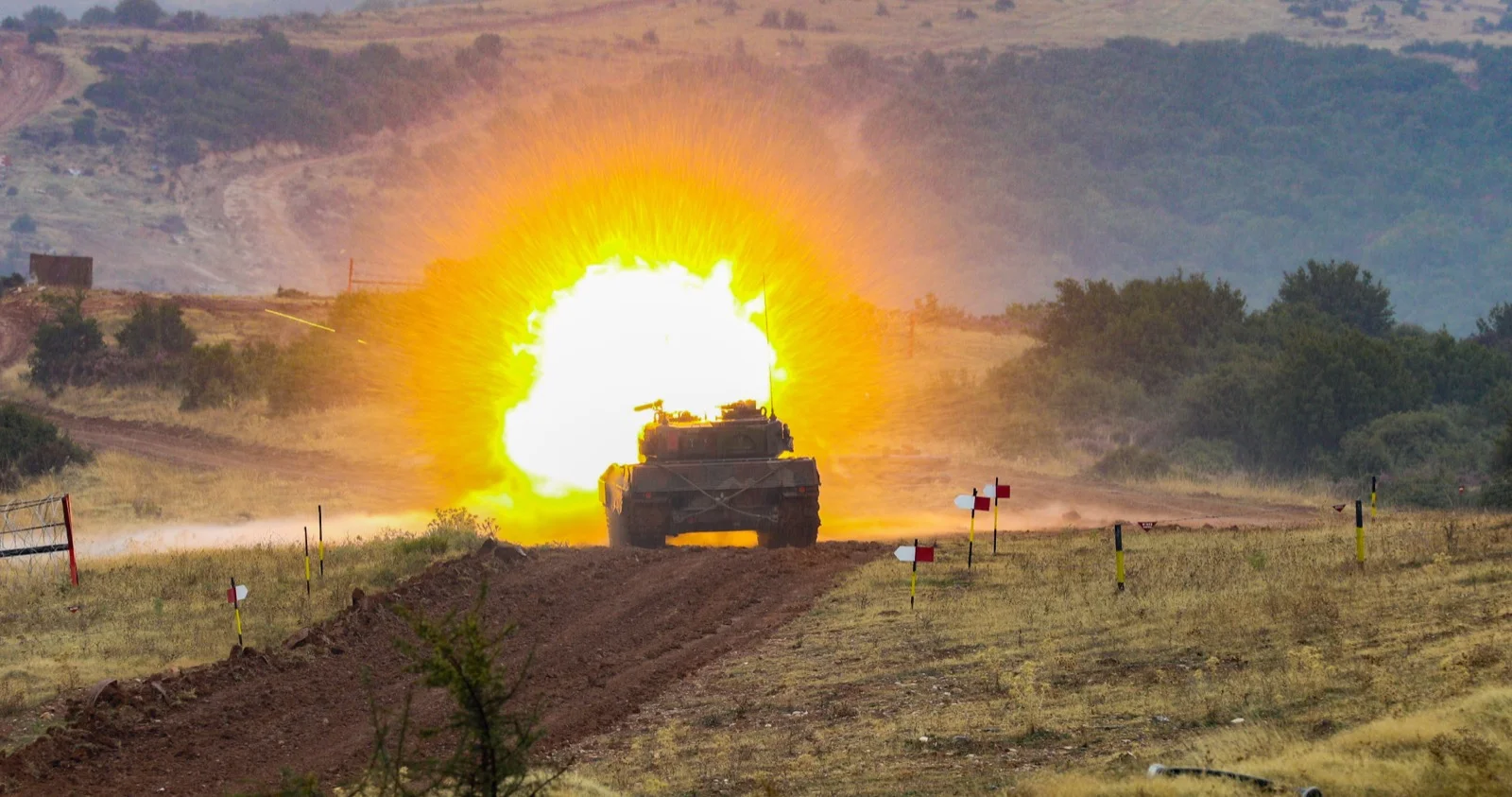
Greece delivers a surprise in seventh. Though its total of ~552 aircraft is mid-table, Greece has one of the highest fighter densities on the list: upgraded F-16 Viper jets, new Rafale aircraft and a Mirage 2000 legacy give it heavy combat capacity relative to its size. Athens devotes much of its defence budget to air and naval power. That potent fleet is closely watched in the Eastern Mediterranean balance — especially against its neighbour and NATO ally, Turkey.
| Total Military Aircraft | ~552 |
| Fighters (combat aircraft) | ~187 |
| NATO Rank | #7 |
Now to Europe’s industrial giants.
#6 🇩🇪 Germany
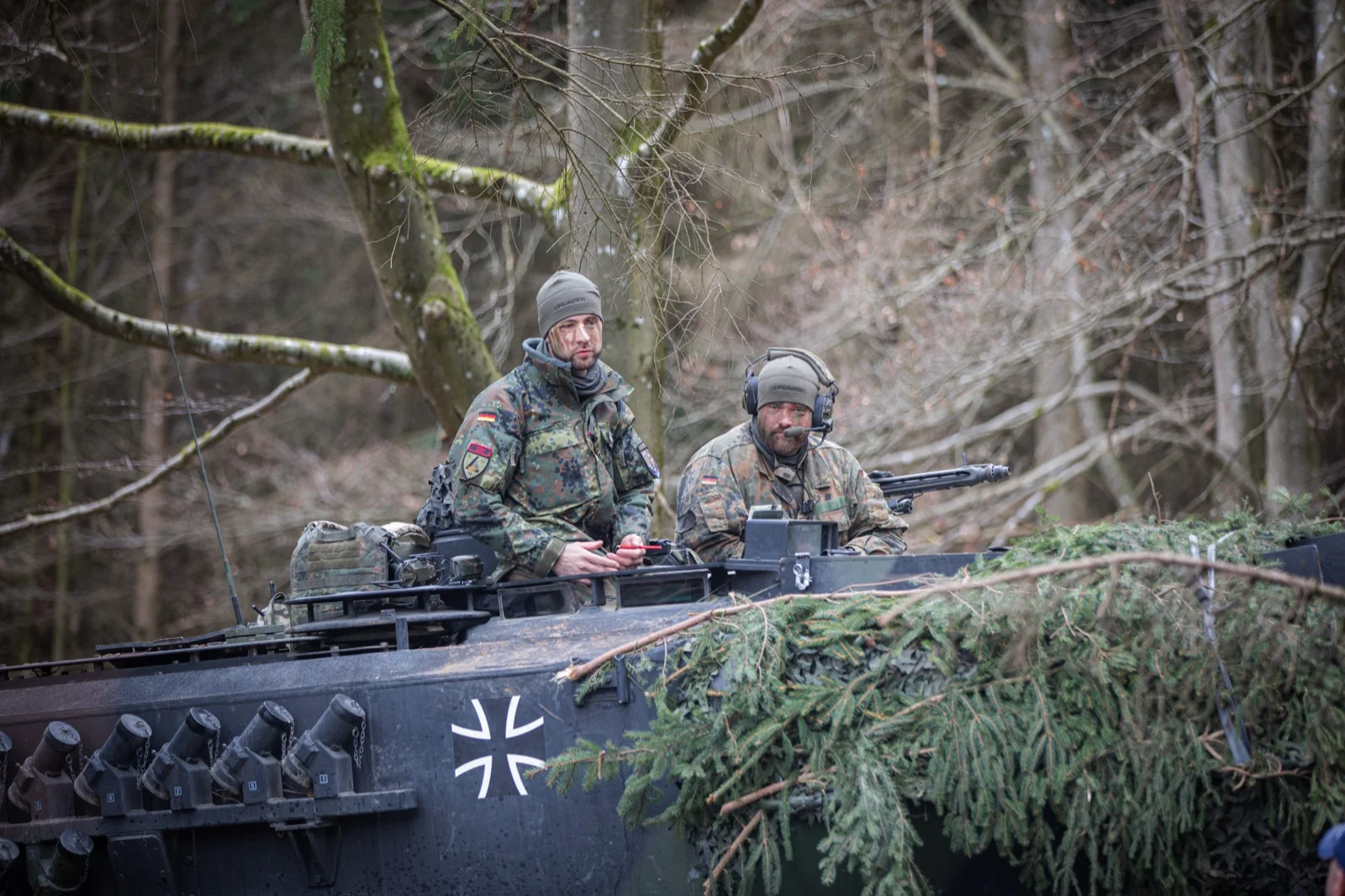
Germany ranks sixth. Europe’s economic powerhouse is rebuilding a long-neglected military with a €100bn special fund. The Luftwaffe’s backbone is the Eurofighter Typhoon, with 35 F-35A being acquired for the nuclear-sharing role. With ~584 aircraft Germany is central to NATO’s Central European air defence, and — with France and Spain — is developing the future FCAS sixth-generation system, the heart of Europe’s bid to build its own next-generation fighter.
| Total Military Aircraft | ~584 |
| Fighters (combat aircraft) | ~140 |
| NATO Rank | #6 |
As we enter the top five, both the numbers and the ambitions grow.
#5 🇬🇧 United Kingdom
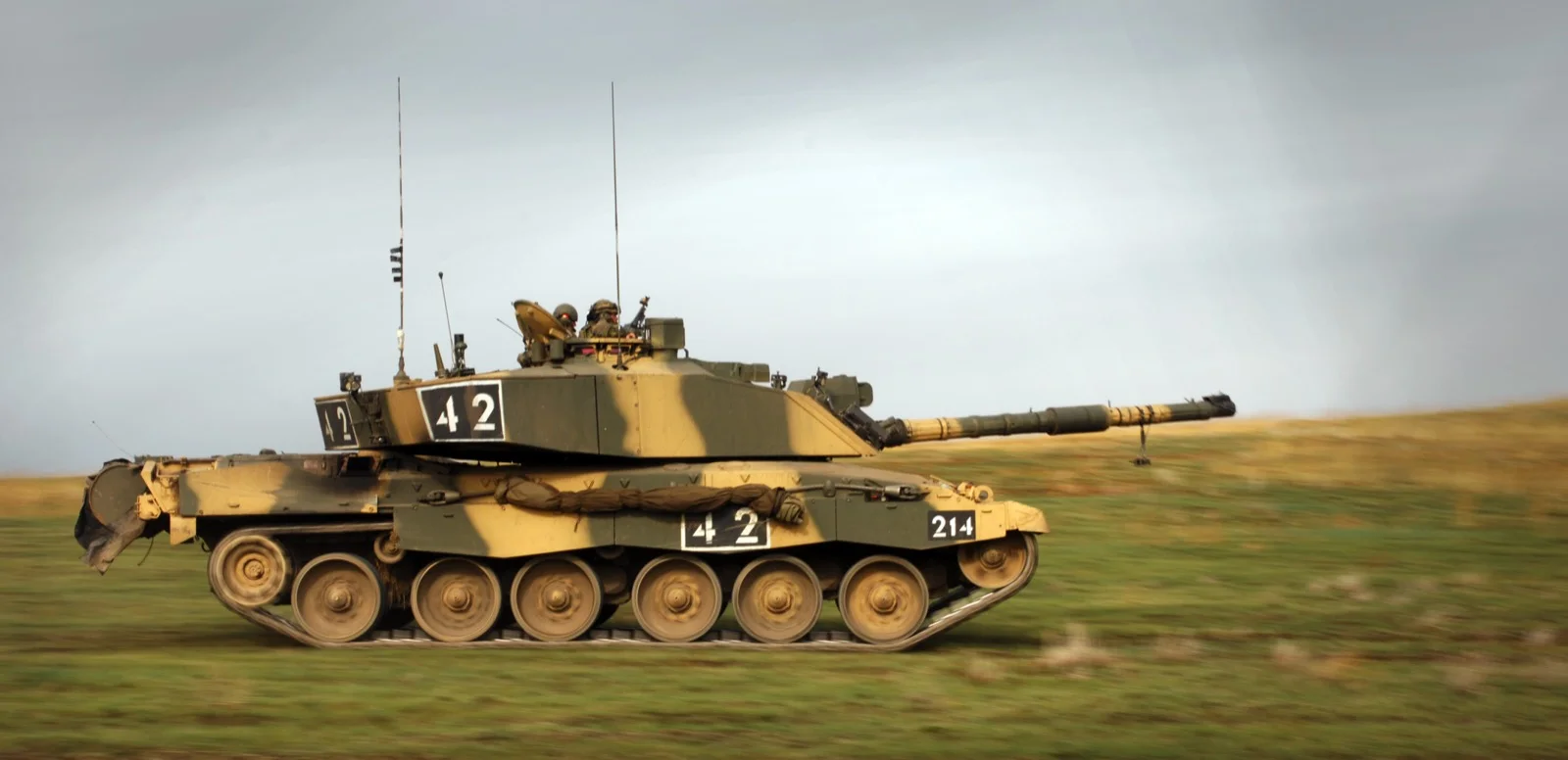
The United Kingdom takes fifth. The Royal Air Force is a quality-focused force: Eurofighter Typhoon and fifth-generation F-35B jets, paired with two carriers (HMS Queen Elizabeth and HMS Prince of Wales), deliver global power projection. With ~627 aircraft, Britain stands out for technology and combat experience rather than sheer numbers. Alongside France, the RAF is among Europe’s most experienced air arms, with an operational legacy from the Falklands to the Middle East.
| Total Military Aircraft | ~627 |
| Fighters (combat aircraft) | ~119 |
| NATO Rank | #5 |
The fourth-place nation both builds jets and operates a carrier.
#4 🇮🇹 Italy
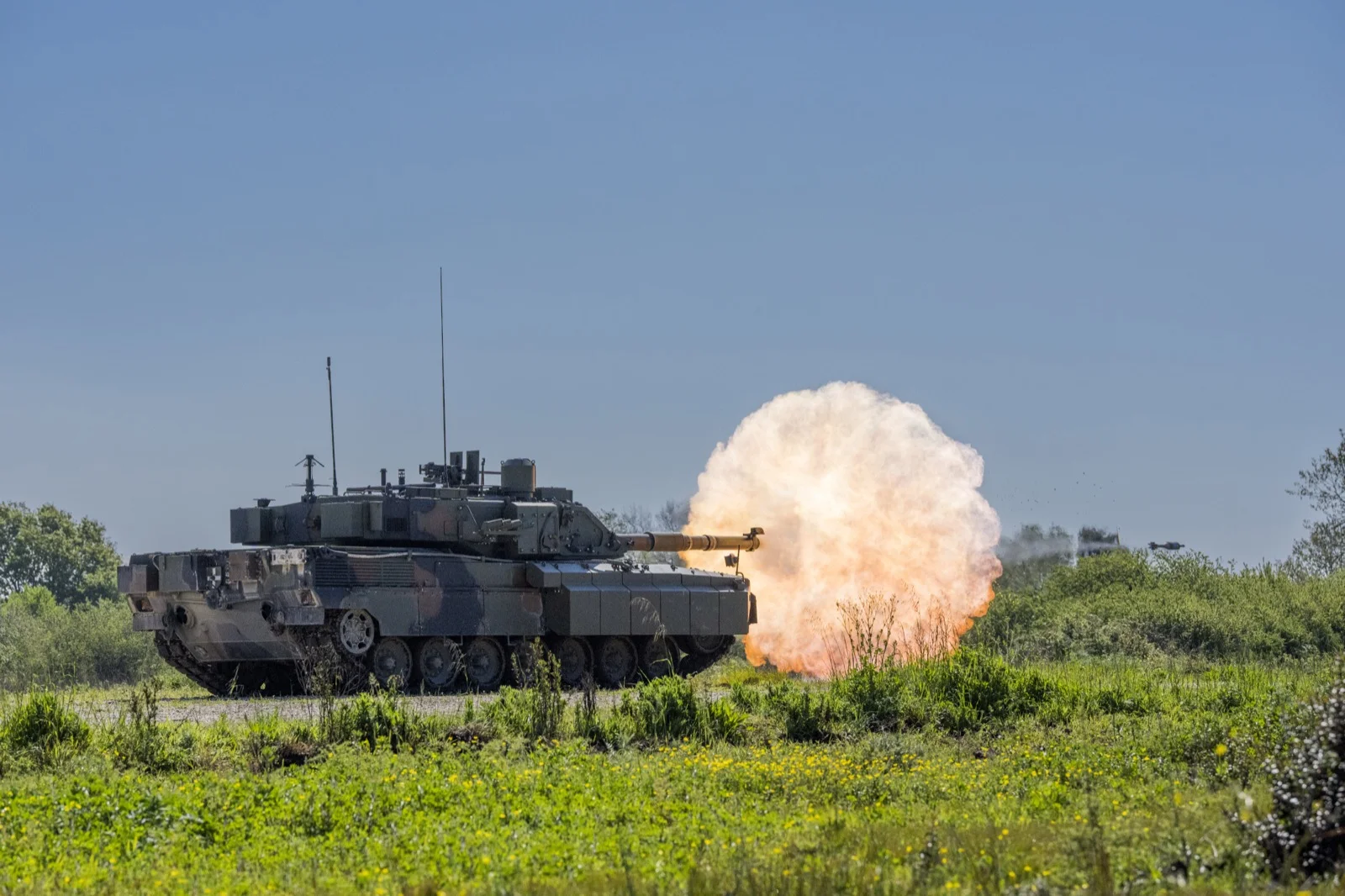
Italy, fourth, has one of Europe’s most balanced air-naval forces. Its Eurofighter Typhoon and F-35A/B fleet, combined with the Cavour carrier, give Italy genuine power projection. With ~729 aircraft and Leonardo behind it, Italy is a heavyweight of European industry — home to the Cameri F-35 final-assembly line and a producer across trainers and helicopters. That makes Italy a manufacturing hub of the alliance, not merely a user.
| Total Military Aircraft | ~729 |
| Fighters (combat aircraft) | ~87 |
| NATO Rank | #4 |
Into the top three — and the road to the summit runs through Europe’s most independent air force.
#3 🇫🇷 France
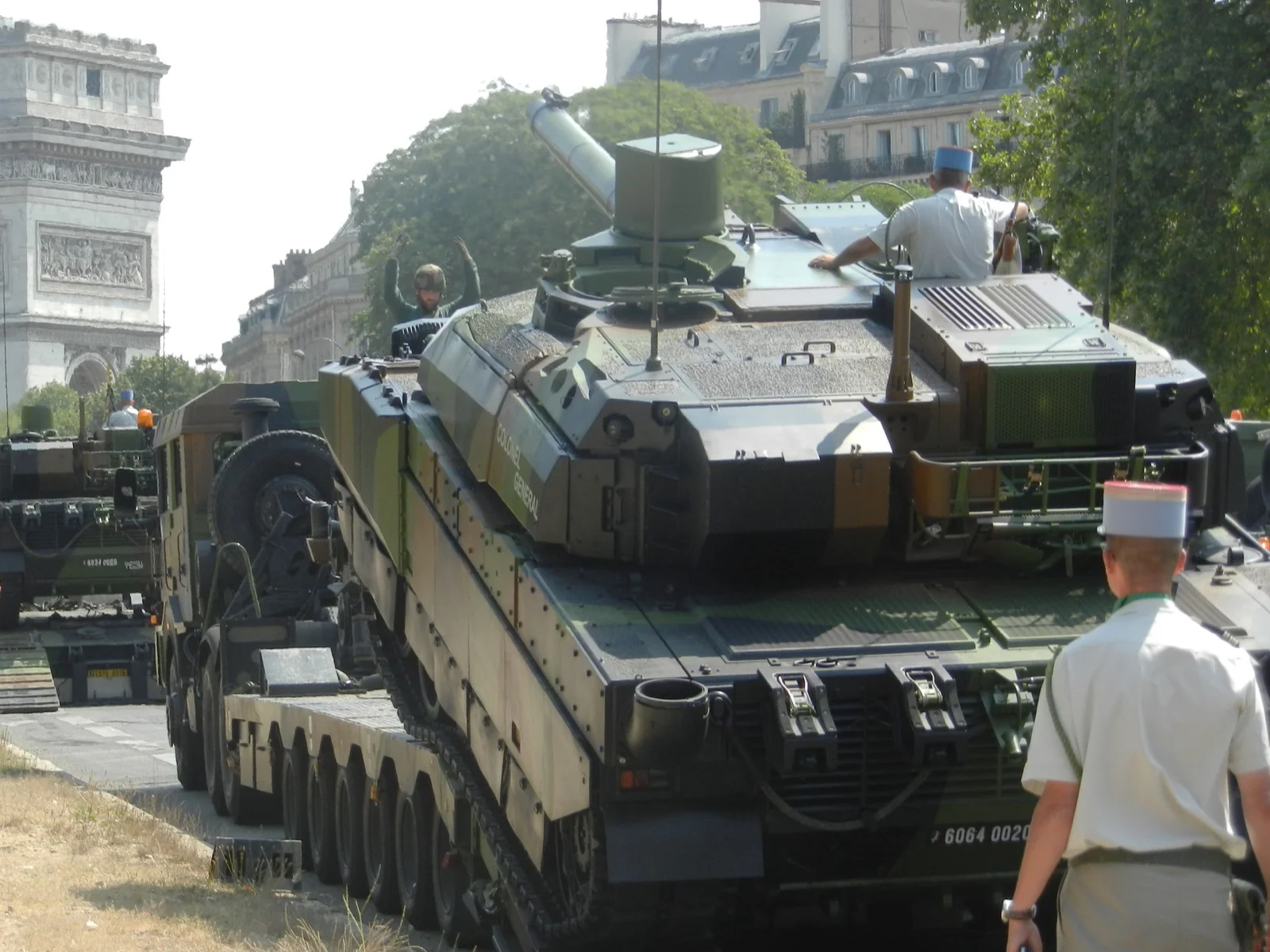
France ranks third. The French Air and Space Force is Europe’s most independent air power thanks to the fully indigenous Rafale. France builds its own fighter, engine, radar and missiles; with the Charles de Gaulle nuclear carrier and air-launched nuclear deterrent (ASMP), it is a strategic force. With ~972 aircraft and ~226 fighters, France is NATO’s most autonomous air arm after the US — and Rafale exports to Greece, Egypt, India and the UAE prove its global reach.
| Total Military Aircraft | ~972 |
| Fighters (combat aircraft) | ~226 |
| NATO Rank | #3 |
So who came this close to the top? The runner-up will surprise many.
#2 🇹🇷 Turkey
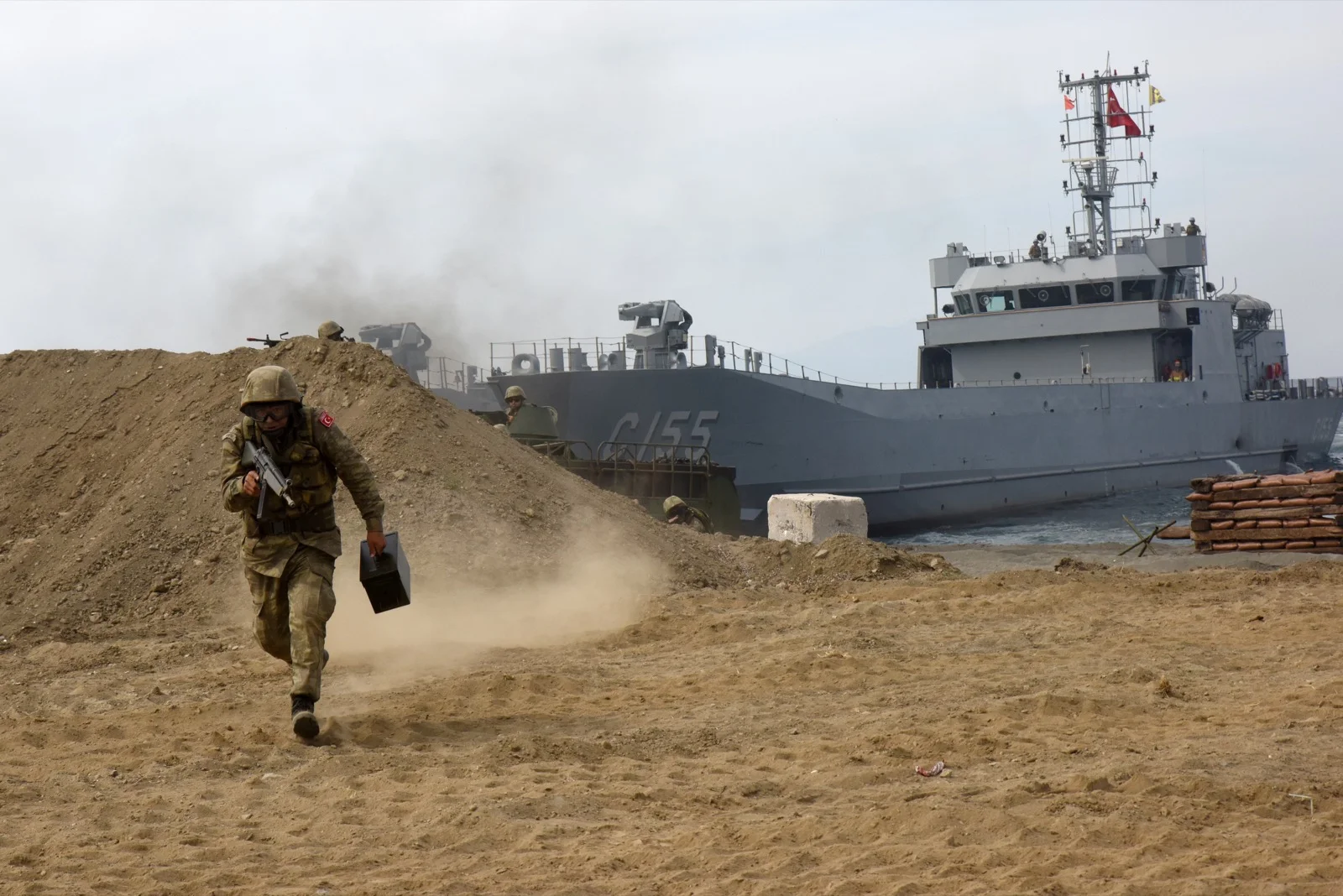
Second — ahead of every NATO ally except the US — is Turkey. The Turkish Air Force operates one of the alliance’s largest combat fleets built around the F-16, and ranks just behind the US in total military aircraft (~1,070). But what truly sets Turkey apart here is that it now carries its air power into the future with domestic production: the indigenous Özgür F-16 upgrade, one of the world’s densest drone/UCAV fleets (Bayraktar TB2, Akıncı), and maturing national programmes are turning Turkey from a user into a producer.
| Total Military Aircraft | ~1.070 |
| Fighters (combat aircraft) | ~205 |
| NATO Rank | #2 |
And at the very top stands a giant whose numbers eclipse everyone.
#1 🇺🇸 USA
Unsurprisingly, the US sits at the summit. The combined Air Force, Navy and Marine Corps field over ~13,000 military aircraft — by far the largest air power not only in NATO but in the world. Roughly 1,790 fighters — mostly F-15, F-16, F/A-18, F-22 and fifth-generation F-35 — plus 11 nuclear carriers and a global base network mean no ally comes close. The US alone fields more air power than all other NATO members combined, the foundation of the alliance’s air-superiority doctrine.
| Total Military Aircraft | ~13.043 |
| Fighters (combat aircraft) | ~1.790 |
| NATO Rank | #1 |
So where is Turkey heading in this picture? Here is the balance its indigenous projects will shift.
Verdict: Who Owns NATO’s Skies?
NATO’s air power is the backbone of the alliance’s conventional deterrence. The most striking fact is that the US alone fields more aircraft than all other members combined — which is why NATO doctrine rests so heavily on American air dominance. But the real story sits in second place: Turkey, with the size of its F-16 fleet and its expanding drone power, edges out every major European power.
The European picture is shifting fast: France guards its independence with the indigenous Rafale, Germany and Britain move to the fifth generation with the F-35, Poland arms at record pace, and Greece stands out for fighter density. France, Germany and Spain pursue FCAS while the UK, Italy and Japan build GCAP — both sixth-generation fighters. Turkey charts its own course with KAAN.
Comparison Table
| Rank | Country | Total Aircraft | Fighters |
|---|---|---|---|
| #10 | 🇨🇦 Canada | ~354 | ~87 |
| #9 | 🇪🇸 Spain | ~464 | ~137 |
| #8 | 🇵🇱 Poland | ~467 | ~99 |
| #7 | 🇬🇷 Greece | ~552 | ~187 |
| #6 | 🇩🇪 Germany | ~584 | ~140 |
| #5 | 🇬🇧 United Kingdom | ~627 | ~119 |
| #4 | 🇮🇹 Italy | ~729 | ~87 |
| #3 | 🇫🇷 France | ~972 | ~226 |
| #2 | 🇹🇷 Turkey | ~1.070 | ~205 |
| #1 | 🇺🇸 USA | ~13.043 | ~1.790 |
A new gallery tomorrow
Next: the strongest armies of Europe, Asia and the Middle East, and more military-power rankings.
Frequently Asked Questions
Which NATO country has the most combat aircraft?
The US, with over ~13,000 military aircraft, has the largest air power in NATO and the world.
Where does Turkey rank in NATO?
Turkey is second in NATO by total military aircraft (~1,070), behind only the US.
Which European nations lead in fighter numbers?
France (~226), Greece (~187), Germany (~140) and Spain (~137) field high fighter counts.
What are Turkey’s indigenous fighter projects?
The fifth-generation KAAN, the unmanned combat jet Kızılelma and the Hürjet jet trainer.
How was the ranking compiled?
It is based on 2026 GlobalFirepower total military aircraft data; fighter counts are listed separately.
Sources
- GlobalFirepower 2026 military strength ranking and country profiles — https://www.globalfirepower.com/
- SIPRI Military Expenditure Database 2025-2026
- IISS The Military Balance 2026
- National defence ministry data and open NATO sources
Source: https://www.globalfirepower.com/