Türkiye makes its own ERP software mandatory across the defence sector

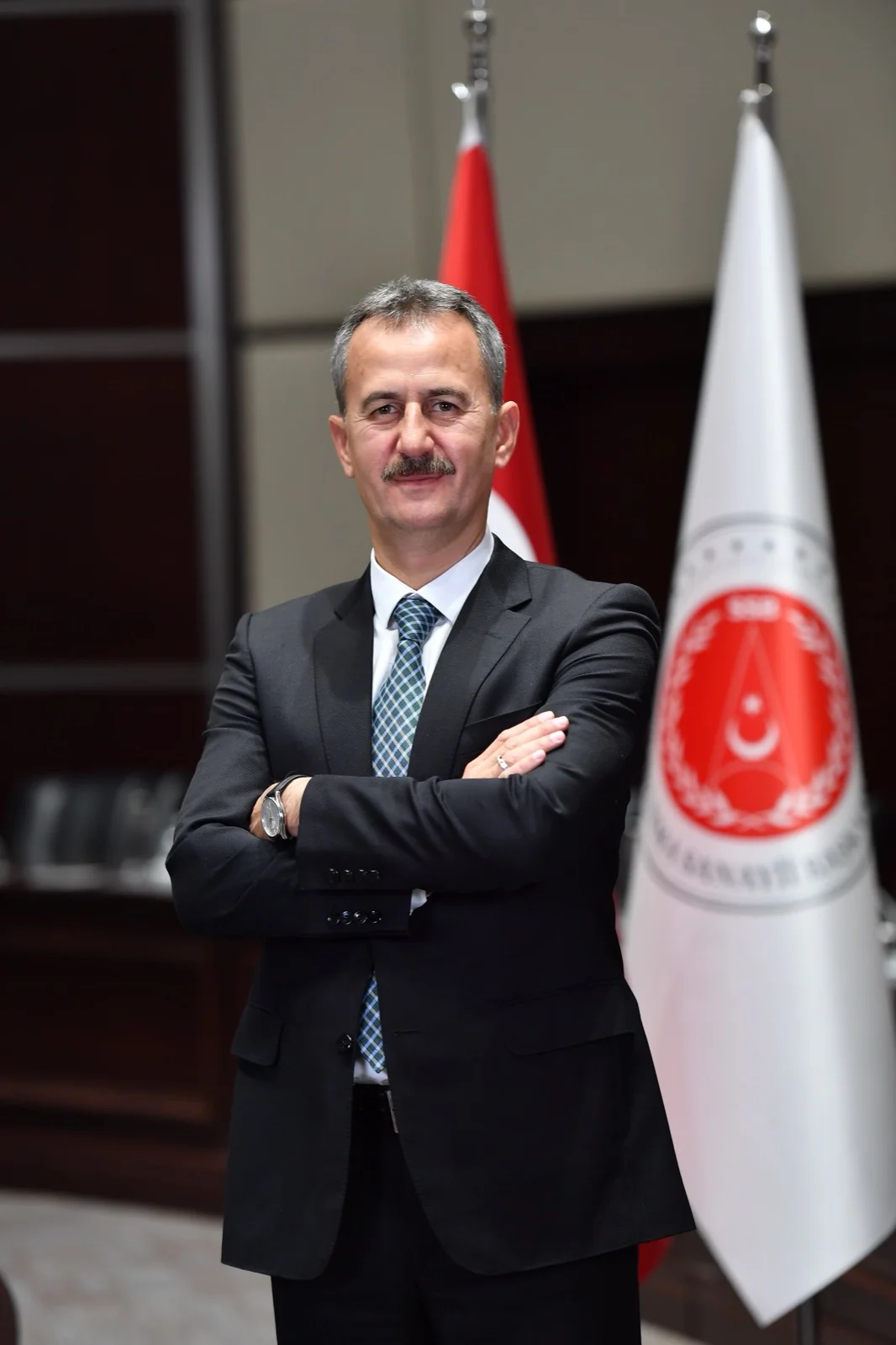
Türkiye is pushing its indigenous software stack one layer deeper. Prof. Dr. Haluk Görgün, head of the Presidency of Defence Industries (SSB), announced that KOVAN — the enterprise resource planning (ERP) platform developed by HAVELSAN — is being made mandatory for companies across the national defence sector.
Görgün spoke on 15 September 2026 at a signing ceremony held at the HAVELSAN campus, where the Turkish Employment Agency (İŞKUR) and HAVELSAN signed a protocol establishing an ERP Specialist Training Programme. Labour and Social Security Minister Prof. Dr. Vedat Işıkhan and HAVELSAN General Manager Mehmet Akif Nacar attended alongside Görgün.
Why an ERP mandate matters
“As the Presidency of Defence Industries, we are in a sense making the modular use of the KOVAN software a requirement for our companies,” Görgün said.
ERP platforms are the backbone systems that tie production planning, supply chain management, human resources and cost accounting into a single database. In defence manufacturing they carry additional weight: project costs, part traceability and supplier performance all live inside them. Until now, much of the Turkish industry has run on foreign ERP suites, meaning that this operational data sat in systems designed and maintained abroad.
Making KOVAN the sector standard addresses both sides of that problem. It reduces reliance on external platforms, and it exposes the software to a wide enough range of real industrial workflows to mature it. Görgün argued that broader adoption would strengthen the product itself and improve its competitiveness in international markets.
Already running at scale
HAVELSAN General Manager Mehmet Akif Nacar said KOVAN is currently in live use at 12 institutions, serving more than 62,000 users. The company also intends to extend the platform beyond defence into civilian industry.
That installed base places KOVAN well past the pilot stage. The constraint on wider adoption is rarely the software itself, however — it is the shortage of people able to deploy an ERP system and adapt it to a company’s processes. The protocol signed this week is aimed squarely at that bottleneck.
420 hours of training, 500 specialists in the first wave
Run under the National Competency Initiative, the programme brings together İŞKUR, the Defence Industry Academy, HAVELSAN and BGTS. It is open to university graduates aged 18 to 30 and runs for 420 instruction hours.
The first class opened with 26 trainees. Nacar said the target for the initial phase is 500 KOVAN specialists during 2026, rising into the thousands in later cycles, with additional classes to be opened in other cities.
Görgün also used the occasion to note the scale the Turkish defence sector has reached, citing more than 100,000 direct employees and a local content ratio above 80 percent.
Localisation moves up the stack
For years, the localisation debate in Türkiye centred on platforms: aircraft, warships, missiles, unmanned systems. The enterprise software layer attracts far less attention but raises the same questions. Where production data, supplier lists and cost structures are stored has direct implications for export control exposure and data security.
Mandating KOVAN is a concrete step toward building a domestic backbone at that layer. Whether it succeeds will depend less on the headline specialist numbers than on how quickly the platform can be adapted to companies of very different sizes — from prime contractors to the small suppliers that make up most of the ecosystem.
Sources: Anadolu Agency, Presidency of Defence Industries.