



What Is a Kamikaze Drone? Loitering Munitions Explained (2026)


A kamikaze drone — more precisely called a loitering munition — is an unmanned aircraft that carries its own warhead, circles (“loiters”) over a target area waiting for a target to appear or be confirmed, and then dives into that target to detonate. Unlike a reconnaissance drone, it does not return to base. Unlike most cruise missiles, it can hold position in the air for minutes or hours before an operator commits it to a strike. The category spans backpack-portable systems used by infantry squads to vehicle-launched systems that hunt radar emitters, and it has become one of the fastest-growing segments of the global unmanned systems market, including in African and Middle Eastern militaries evaluating affordable precision-strike options.
This guide explains what loitering munitions are, how they differ from other drone categories, the major systems in service worldwide, what has been publicly reported about their use in African and MENA conflicts, and how militaries defend against them.
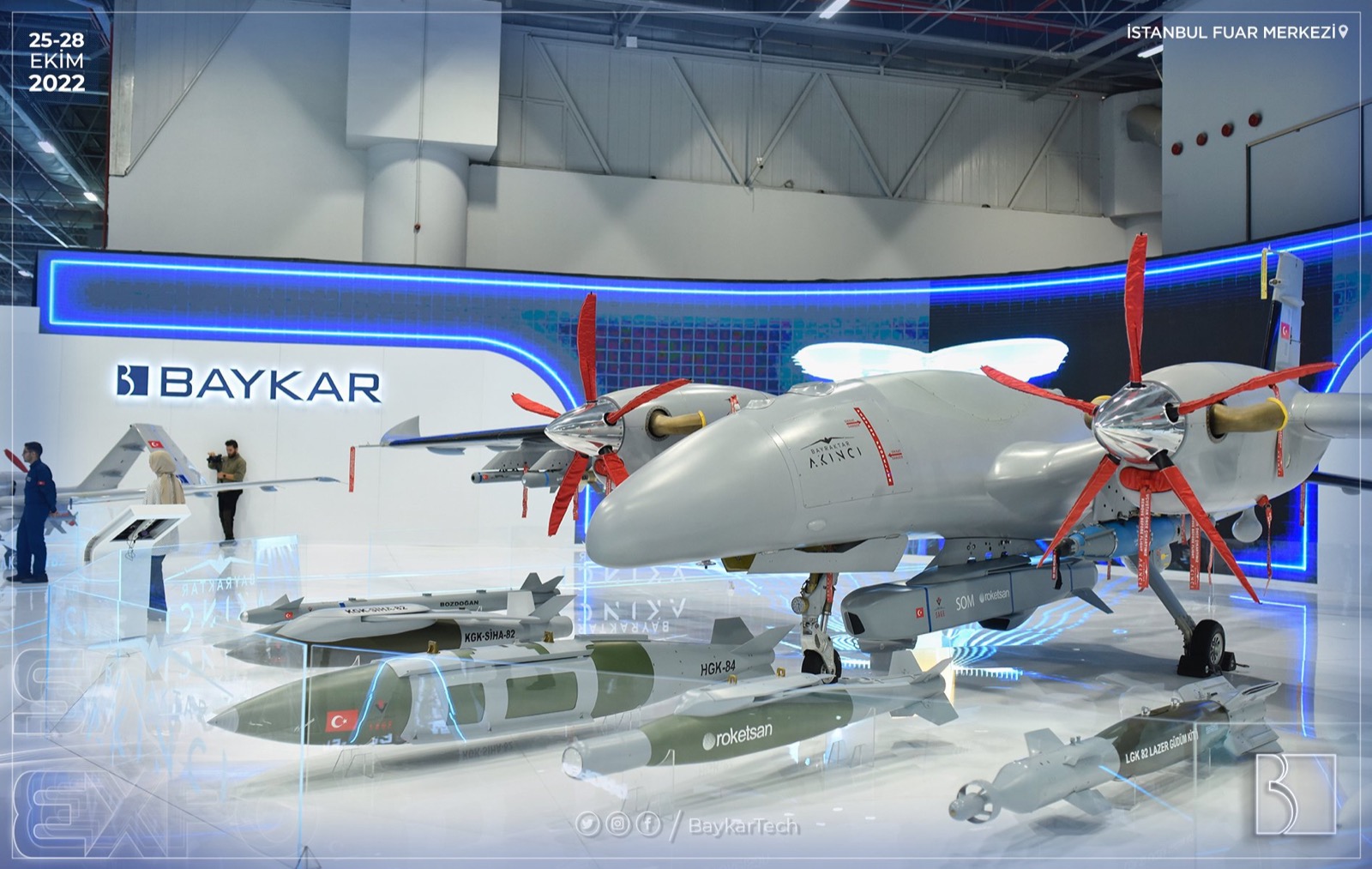
Table of Contents
- What Exactly Is a Kamikaze Drone?
- How Loitering Munitions Work
- Types of Loitering Munitions
- Major Systems Compared
- Reported Use in Africa and the Middle East
- Defending Against Loitering Munitions
- Turkey’s Loitering Munition Industry
- FAQ
- Sources
What Exactly Is a Kamikaze Drone?
“Kamikaze drone” is the popular media term; the formal defence-industry term is loitering munition (also called a “suicide drone” or “loiter munition”). It sits between two older weapon categories:
- Compared to a reconnaissance/strike UAV (such as a Bayraktar TB2 or MQ-9): a loitering munition is the weapon. It does not carry a separate missile to release and return home — the airframe itself is expended in the attack.
- Compared to a cruise missile: most cruise missiles fly a pre-planned route to a fixed, pre-designated target at launch. A loitering munition can circle over a “kill box” for extended periods, let a human operator visually confirm the target through an onboard camera, and can often be recalled or redirected mid-flight if the target turns out to be a civilian or the mission is aborted.
That loiter-and-confirm capability is the core selling point manufacturers advertise: it is marketed as reducing misidentification risk compared with a fire-and-forget missile, because a human typically stays in the loop until the final seconds of the strike. Independent verification of how consistently that human oversight is exercised in the field is limited, and rules of engagement vary by operator and country.
How Loitering Munitions Work
At a general level, most systems share four stages:
- Launch: from a shoulder-fired tube, a vehicle-mounted canister, a rail, or — for larger systems — a short runway or catapult.
- Transit and loiter: the airframe flies to a search area and circles, streaming video to a ground control station.
- Target acquisition: an operator identifies a target on the video feed, or (in systems marketed as “anti-radiation”) the munition homes on a specific radar/electronic signature. Reputable manufacturers describe a human-in-the-loop confirmation step before the final attack command.
- Terminal dive: the airframe dives into the target and detonates its onboard warhead, which is typically a shaped-charge, fragmentation, or anti-armour payload depending on the model.
This guide covers loitering munitions at the policy, procurement, and general-technology level. It does not describe targeting procedures, guidance countermeasure defeats, or any operational employment detail, and none of that is needed to understand what the category is or why militaries are buying it.
Types of Loitering Munitions
| Category | Description | Typical Use Case |
|---|---|---|
| Man-portable / backpack | Carried and launched by a single soldier from a tube; short range, small warhead | Squad-level precision strike, e.g. against a vehicle or fighting position |
| Vehicle/canister-launched, medium | Multiple rounds ready on a truck or armoured vehicle; longer range and endurance | Brigade/division-level fire support |
| Anti-radiation | Designed to home on radar or electronic emissions | Suppression of enemy air defence (SEAD) |
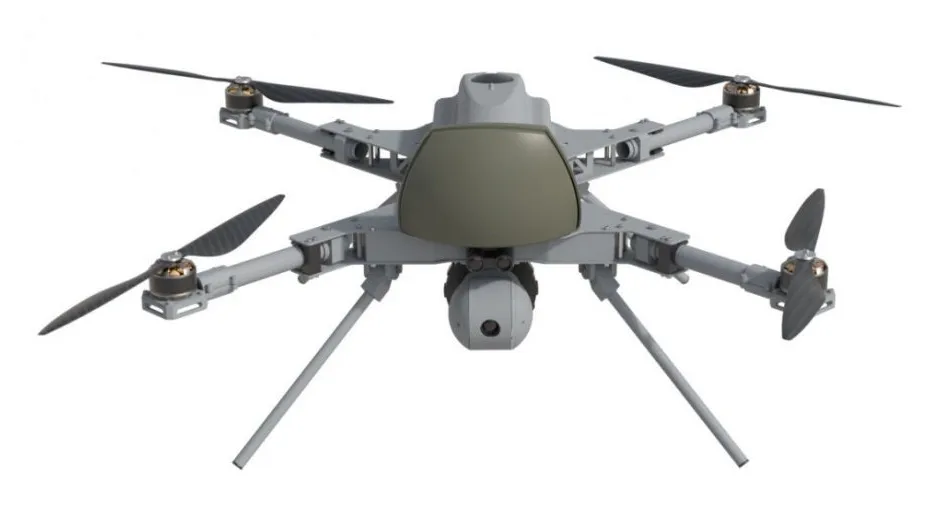
| Rotary-wing / swarm-capable | Quad or multi-rotor design, can operate in coordinated groups | Urban or close-quarters strike, reconnaissance-to-strike |
| Runway/catapult-launched, large | Larger airframe, hours of endurance, often naval or strategic use | Standoff strikes against high-value or mobile targets |
Major Systems Compared
Global Firepower-style rankings do not track loitering munitions, so the table below is compiled from manufacturer disclosures, government contract notices, and reporting by SIPRI and specialist defence outlets. Prices and user lists are frequently not publicly disclosed by manufacturers or operating governments; where a figure or user is not officially confirmed, it is marked accordingly.
| System | Origin | Class | Endurance | Confirmed / Reported Operators | Export Status | Unit Price |
|---|---|---|---|---|---|---|
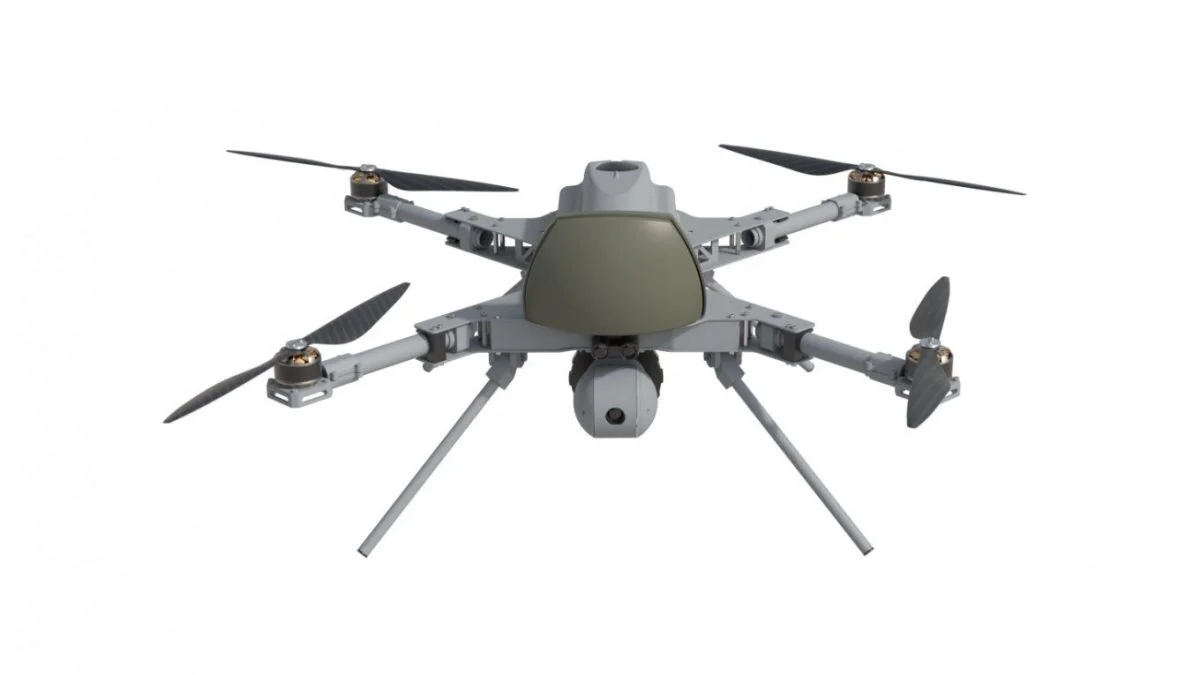
| STM KARGU / KARGU-2 | Türkiye | Rotary-wing, portable | ~30 minutes | Turkish Armed Forces (confirmed); reportedly used in Libya per a 2021 UN Panel of Experts report | Exported to multiple countries; full list not publicly disclosed by STM | Not publicly disclosed |
| STM ALPAGU | Türkiye | Fixed-wing, portable | ~30 minutes | Turkish Armed Forces (confirmed) | Marketed for export; buyer list not publicly disclosed | Not publicly disclosed |
| ROKETSAN ALPAGUT | Türkiye | Canister-launched, medium | 60+ minutes (manufacturer claim) | Turkish Armed Forces (confirmed) | Marketed for export | Not publicly disclosed |
| AeroVironment Switchblade 300 / 600 | United States | Portable / vehicle-launched | 15–40 minutes (model-dependent) | US Army (confirmed); transferred to Ukraine under US security assistance | US government-approved export only | Publicly reported at several hundred thousand USD per Switchblade 600 round (varies by contract) |
| Russia Lancet-3 | Russia | Fixed-wing, medium | ~40 minutes | Russian Armed Forces (confirmed, per open-source reporting from the war in Ukraine) | Export status not publicly confirmed | Not publicly disclosed |
| IAI Harop / SkyStriker | Israel | Anti-radiation (Harop) / tactical (SkyStriker) | Several hours (Harop) | Multiple confirmed export customers per IAI and SIPRI arms-transfer data | Actively exported | Not publicly disclosed |
Note: figures drawn from Global Firepower-style aggregator sites are not official military data. Where possible this table relies on SIPRI, IISS, manufacturer statements, or documented UN/government reporting; unverified claims are labelled as such rather than presented as confirmed.
Reported Use in Africa and the Middle East
Loitering munitions have become part of the public record in several African and MENA conflicts. It is important to separate confirmed, documented use from unverified claims circulating on social media:
- Libya (2020): A March 2021 report by the UN Panel of Experts on Libya stated that STM KARGU-2 loitering munitions were used during the 2020 conflict, one of the earliest documented instances of an autonomous-capable loitering munition being deployed operationally anywhere in the world. STM has stated its systems operate with a human-in-the-loop targeting process.
- Sudan’s civil war (2023–present): multiple open-source intelligence outlets and news agencies have reported the appearance of loitering munitions and armed drones on both sides of the conflict; attribution and exact model identification vary by source and should be treated as developing reporting rather than settled fact.
- Sahel region (Mali, Burkina Faso, Niger): regional armed forces have publicly announced the acquisition of Turkish-made drones for counter-insurgency operations; official government statements typically describe strike-capable UAVs (such as the Bayraktar TB2) rather than dedicated loitering munitions specifically, and procurement of the latter category is less publicly documented in the region so far.
- Red Sea / Houthi activity: loitering munitions and one-way attack drones have been reported by multiple navies operating in the Red Sea corridor since 2023; different parties dispute responsibility for specific incidents, and this article does not adjudicate contested attribution claims.
For African militaries evaluating this category, the appeal is largely cost: loitering munitions are generally far cheaper per unit than a guided missile or a strike aircraft sortie, while offering more precision than unguided artillery — a relevant trade-off for forces balancing counter-insurgency needs against limited defence budgets.

Defending Against Loitering Munitions
The rapid spread of loitering munitions has driven parallel growth in counter-UAS (C-UAS) systems. At a general level, defensive layers include:
- Detection: radar, acoustic sensors, and electro-optical/infrared cameras tuned to small, slow-moving targets that traditional air-defence radar can miss.
- Electronic warfare: jamming the control and navigation links between the munition and its operator, where the system depends on such links.
- Kinetic interception: short-range air-defence guns, dedicated anti-drone missiles, or — increasingly — cheaper interceptor drones designed specifically to bring down small UAVs.
- Passive protection: camouflage, dispersal of forces and equipment, and hardened shelters to reduce the value and identifiability of targets.
This article covers C-UAS only at the conceptual, publicly available level. It does not provide frequency data, jammer configuration, or other operational countermeasure detail.
Turkey’s Loitering Munition Industry
Türkiye is one of a small number of countries producing multiple loitering munition families in active service and export:
- STM (Savunma Teknolojileri Mühendislik ve Ticaret A.Ş.): developer of KARGU and ALPAGU, state-affiliated defence technology company under the Presidency of Defence Industries (SSB) umbrella. STM also builds swarm-coordination software that allows multiple KARGU units to operate as a networked group.
- ROKETSAN: Turkey’s principal missile and munitions manufacturer, producer of the ALPAGUT canister-launched loitering munition, alongside its wider missile and guided-munition portfolio.
Both companies present their systems within Turkey’s broader export push into Africa and the Middle East, where Turkish armoured vehicles, the Bayraktar TB2 and AKINCI drone families, and ASELSAN’s electronics have already established a customer base — see the related coverage linked below for the wider Turkish defence-export picture in the region.
FAQ
Is a kamikaze drone the same as a suicide drone?
Yes — “kamikaze drone,” “suicide drone,” and “loitering munition” describe the same weapon category. “Loitering munition” is the formal industry and academic term; the others are informal media shorthand.
How is a loitering munition different from a regular armed drone like the Bayraktar TB2?
An armed drone such as the TB2 carries separate guided missiles or bombs, releases them, and returns to base to be reused. A loitering munition is itself the expendable weapon — the airframe is destroyed in every strike.
Are loitering munitions autonomous weapons?
Most systems marketed today by major manufacturers, including STM’s KARGU line, are described by their manufacturers as requiring human confirmation before a strike (human-in-the-loop). Independent, systematic verification of how this is applied across every operator and every mission is limited, and the degree of autonomy varies by system and by the rules of engagement set by the operating military.
Which African countries have confirmed loitering munitions in service?
Public, official confirmation of loitering-munition-specific (as opposed to armed-drone) inventories is limited across African militaries. The clearest documented case remains the 2021 UN Panel of Experts report on the use of STM KARGU-2 systems in Libya in 2020.
How much does a loitering munition cost?
Unit prices are rarely disclosed publicly by manufacturers or governments. Publicly reported US contract figures for larger systems such as the Switchblade 600 have cited costs in the low hundreds of thousands of US dollars per round, but this varies significantly by contract, quantity, and configuration, and should not be generalised to every system in this category.
Sources
- UN Security Council, Panel of Experts on Libya established pursuant to Resolution 1973 (2011) — Final Report, S/2021/229 (March 2021)
- Stockholm International Peace Research Institute (SIPRI) — Arms Transfers Database and Trend-Indicator Value methodology notes
- STM (Savunma Teknolojileri Mühendislik) — official product pages, KARGU and ALPAGU
- ROKETSAN — official product pages, ALPAGUT
- AeroVironment — official Switchblade product documentation
- Israel Aerospace Industries (IAI) — official Harop / SkyStriker product documentation
- International Institute for Strategic Studies (IISS) — The Military Balance
Last updated: September 9, 2026.
