





US Army Awards $215M Contract for Lightweight Javelin Launchers: Anti-Tank Modernization Continues

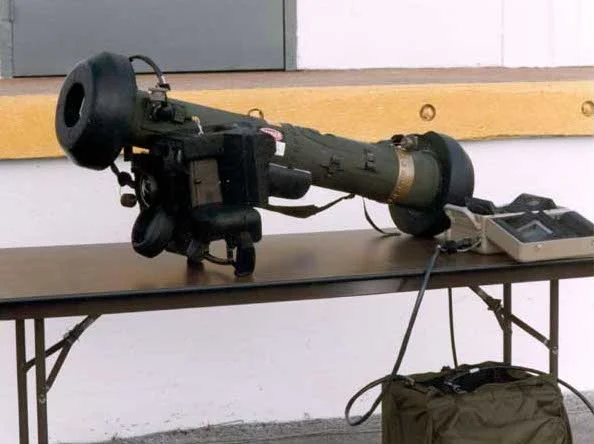
The US Army has awarded a $215 million contract covering lightweight launch units for the FGM-148 Javelin anti-tank missile system, according to a report published by The Defense Post on October 22, 2026. The award centers on the Lightweight Command Launch Unit, the reusable targeting component soldiers use to acquire and lock onto a target before firing.
The Command Launch Unit, commonly known as the CLU, is the part of the Javelin system that survives beyond a single engagement. While the missile and its launch tube are expended with each shot, the CLU’s thermal imaging sight is reused across multiple firings, making its weight and power draw a recurring concern for infantry units that carry it over long distances.
Javelin itself is produced through a joint venture between Lockheed Martin and RTX, formerly known as Raytheon. It is a shoulder-fired, man-portable anti-tank guided weapon built around fire-and-forget guidance: once the gunner locks onto a target and fires, the missile tracks it independently, letting the operator relocate immediately rather than remaining exposed to maintain a line of sight.
The $215 million award fits into a broader pattern of incremental upgrades the Army has pursued for the Javelin launcher line since the system entered service in the late 1990s. Public reporting on this particular contract does not specify delivery schedules, unit quantities, or which Army formations will receive the lightweight launchers first; those operational details have not been confirmed through official channels.
Reducing the weight and power consumption of the CLU has direct implications for dismounted infantry. A lighter launch unit lowers the overall load a soldier carries on foot, while lower power draw extends battery life in the field and eases the logistics burden associated with resupplying batteries during extended operations.
Javelin has become one of the most widely fielded shoulder-fired anti-tank systems among NATO members and allied militaries since its introduction. Multiple countries beyond the United States operate variants of the system, and the manufacturing consortium has periodically updated both the missile and the launcher hardware over the system’s service life. Development of the lightweight CLU represents a continuation of that modernization track rather than a wholly new program.
Contract announcements of this size are often read as indicators of procurement priorities within a service’s broader equipment-modernization budget. They also offer a signal, however partial, of how suppliers allocate production capacity for legacy weapon platforms that remain in active service decades after their initial fielding.
The division of labor between the launch unit and the missile also shapes where modernization investment tends to go. Missile-side work typically focuses on guidance algorithms and seeker hardware, while launcher-side work prioritizes weight, power consumption, and interface ergonomics. The lightweight CLU effort falls squarely into that second category.
At this stage, the confirmed facts are limited to the contract’s value, the parties involved, and the general product category it covers. No further detail on timelines, quantities, or specific units has been published through official channels.
Sources
The Defense Post, “US Army Awards $215M Contract for Lightweight Javelin Launchers,” October 22, 2026, https://thedefensepost.com/2026/10/22/us-army-lightweight-javelin/ — Primary factual basis for the contract value, parties, and product scope reported in this article.