Lockheed Martin Flight-Tests RIG-360: PAC-3 Interceptors Gain Multi-Sensor Targeting Data

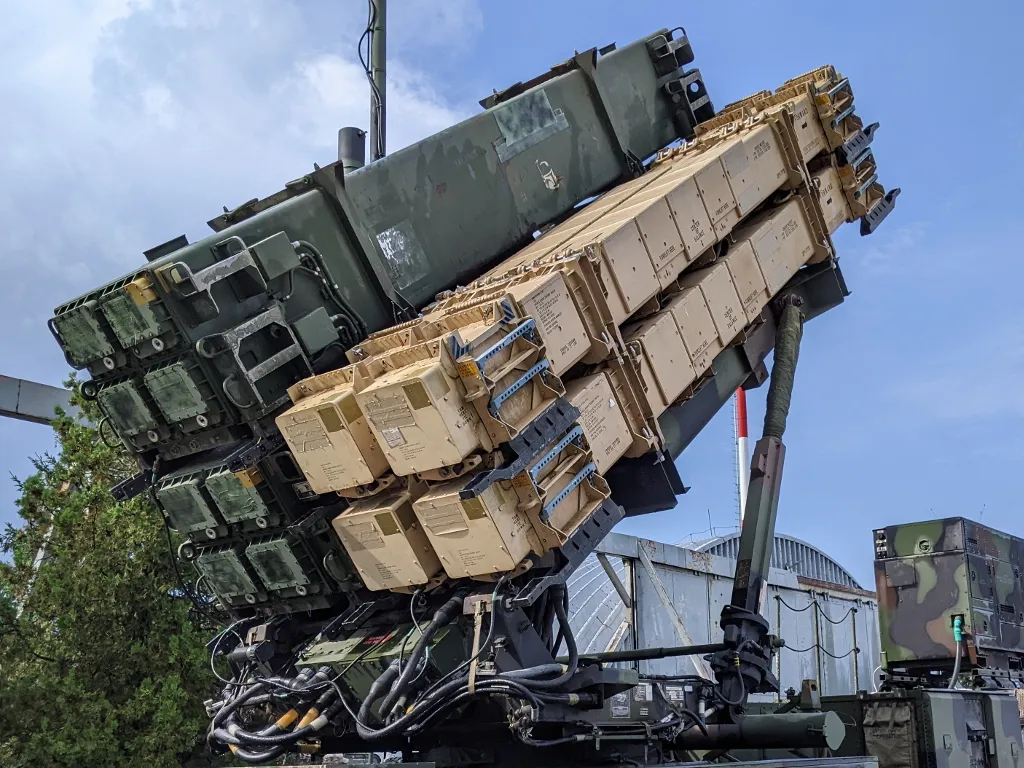
Lockheed Martin has completed the first development flight test of RIG-360, a new communications device built for the Patriot air defense system’s PAC-3 interceptors. The test, reported by The Defense Post on October 22, 2026, verified how the device transmits data between a ground antenna and the missile under actual flight conditions.
RIG-360 is a software-defined X-band communications system. It allows PAC-3 interceptors to receive targeting data from multiple sensors while in flight, relaying guidance information from a ground-based antenna to an antenna mounted on the missile itself. The goal is to keep the interceptor supplied with the latest tracking data as it closes on its target.
The device’s main value lies in how it connects to the Integrated Battle Command System (IBCS). Through RIG-360, IBCS can send in-flight updates directly to PAC-3 interceptors, which reduces the system’s reliance on the Patriot radar as the sole source of guidance data. That lets the Army match an interceptor with whichever radar offers the best picture at a given moment, rather than depending on one fixed sensor.
Lockheed Martin describes this as closing coverage gaps that a single radar’s field of view or range can create. By drawing on several sensors, the architecture is meant to keep the missile supplied with usable tracking data even when one radar’s line of sight is blocked or limited.
Before the flight test, RIG-360 went through a captive-carry test phase on three separate carrier platforms over the preceding weeks. Those tests checked the device’s electronics and software performance while it remained attached to the carrier, ahead of the step to an actual flight. Completing that phase was a key factor in clearing the program for the flight test itself.
The program has also passed several major milestones, including a critical design review. Such reviews confirm a device’s design maturity before it moves toward fielding. Lockheed Martin says the program remains on its planned schedule.
The device’s scope extends beyond PAC-3. RIG-360 has also been tested with GMLRS rockets against moving targets, which suggests Lockheed Martin intends it as a shared communications layer across different munition types rather than a component built solely for PAC-3.
Jason Reynolds, vice president of Integrated Air and Missile Defense at Lockheed Martin, underscored the program’s role: “Our RIG-360 program is critical for PAC-3 operation and in-flight success.” The statement frames the device as a core piece of the interceptor’s operational performance rather than a secondary upgrade.
The Patriot/PAC-3 system is fielded widely among NATO members and other countries in the surrounding region, which gives changes to its communications architecture relevance beyond the U.S. Army alone. Any Patriot operator relying on the system’s radar network has a direct interest in how data moves between sensors and interceptors.
Lockheed Martin says further flight tests will follow as the program continues validating RIG-360 ahead of eventual fielding. The company frames the device’s ultimate purpose as making it operationally routine for PAC-3 interceptors to draw targeting data from whichever radar or sensor source is best positioned at the time.
Sources:
- The Defense Post, “Lockheed Flight-Tests New PAC-3 Missile Communications Device”, Inder Singh Bisht, October 22, 2026. https://thedefensepost.com/2026/10/22/lockheed-pac-3-missile/ — Primary source for facts and quotation.