Raytheon Wins $24.4B Contract for SM-6 Missile Production

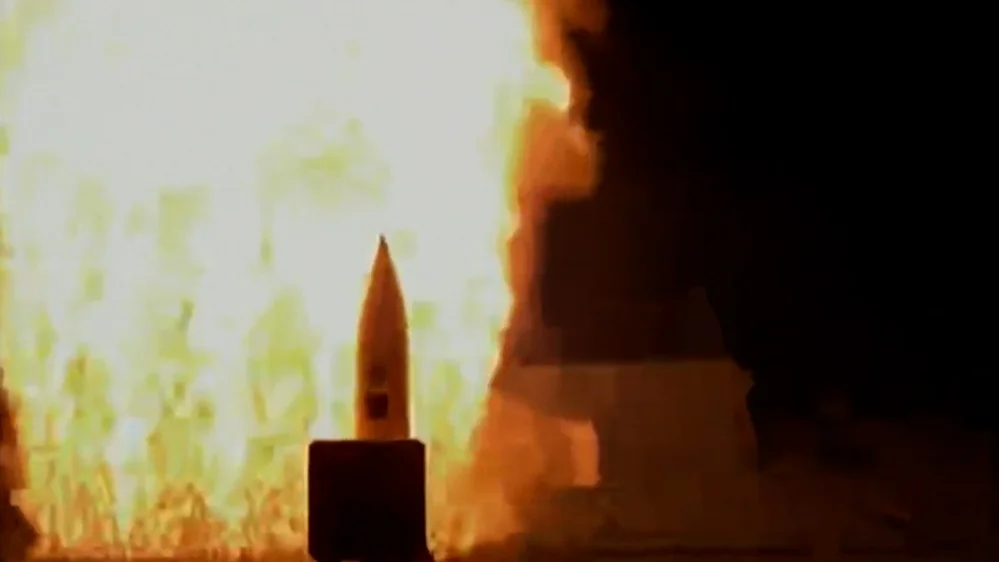
The US Navy has awarded Raytheon, an RTX business, a multi-year contract worth up to $24.4 billion to mass-produce the multi-mission SM-6 (Standard Missile-6) interceptor. The deal, announced on October 2, 2026, covers a five-year base period with two additional option years.
The award formalizes production targets the Pentagon first outlined in February 2026, when it committed to lifting annual SM-6 output above 500 rounds as part of a broader munitions build-up. The same framework calls for more than 1,000 Tomahawk cruise missiles and at least 1,900 AMRAAM air-to-air missiles a year, alongside increased output of SM-3 IIA and SM-3 IB interceptors.
SM-6 is one of the few missiles in US service that combines anti-air warfare, anti-surface strike and sea-based terminal ballistic missile defense in a single round. Capable of Mach 3.5 and a range of roughly 230 miles, it fires from Aegis-equipped destroyers and cruisers, the Army’s ground-launched Typhon system, and F/A-18E/F Super Hornets — a cross-domain reach that makes it a load-bearing element of US layered air and missile defense.
“We continue to invest in our operations and facilities, removing constraints and adding capacity to deliver this critical capability our sailors depend on,” Raytheon President Phil Jasper said of the award.
The scale of the contract underlines how tight the missile supply chain had become. Earlier Navy SM-6 awards ran in the $333 million to $908 million range; a ceiling of $24.4 billion signals that Washington is no longer buying in increments but locking in a predictable, multi-year production line that suppliers can actually plan capital investment around.
That shift traces back to depleted stockpiles. Nearly four years of sustained Ukrainian resupply, layered with more recent Middle East operations, have drawn down precision-guided munitions across US and allied inventories faster than production lines built for peacetime tempos could replace them. Expanding capacity for an expensive, multi-role system like SM-6 is now viewed in Washington as central to both deterrence and the ability to sustain a prolonged conflict without running out of interceptors.
For NATO, the SM-6 buildup matters beyond the US order book. The missile operates through the Aegis Combat System, which anchors the alliance’s integrated air and missile defense picture — from shipborne Aegis destroyers to the land-based Aegis Ashore sites in Romania and Poland. Allied navies that plug into that architecture, including Turkey through its own early-warning and NATO air-defense commitments, feel the knock-on effects of a deeper US missile pipeline even without buying the round themselves.
The clearest risk to execution sits in Congress. Industry officials have cautioned that lawmakers have not yet appropriated funding to cover the full multi-year commitment, meaning Raytheon may be unable to invest at full scale in components and facilities until that funding is secured — a gap that could stretch the contract’s real-world impact well into 2027.
What to watch next is how fast annual output actually climbs past the 500-round mark, and how the ramp lands across Raytheon’s production footprint in Tucson, Arizona; Huntsville, Alabama; Andover, Massachusetts; and Dine, New Mexico.
Set against ground-based interceptors like Lockheed Martin’s PAC-3 and THAAD, SM-6’s ship- and air-launched flexibility lets the Navy answer different threat profiles — Pacific and Euro-Atlantic alike — from a single missile family, which is precisely the kind of cost logic budget-constrained allied navies are watching closely.
Sources:
- The Defense Post, “Raytheon Wins $24.4B Contract to Supply SM-6 Interceptors to US Navy,” October 2, 2026, thedefensepost.com — used for contract value, duration, scope and the Raytheon executive quote.
- Infodefensa, “Raytheon recibe un contrato de 24.400 millones de dólares para fabricar 500 misiles SM-6 al año para EEUU,” October 2, 2026, infodefensa.com — used as independent confirmation of the award and the annual production target.