US Approves $621.9 Million F-16 Sustainment Package for Ukraine, Paid for by Four European Allies

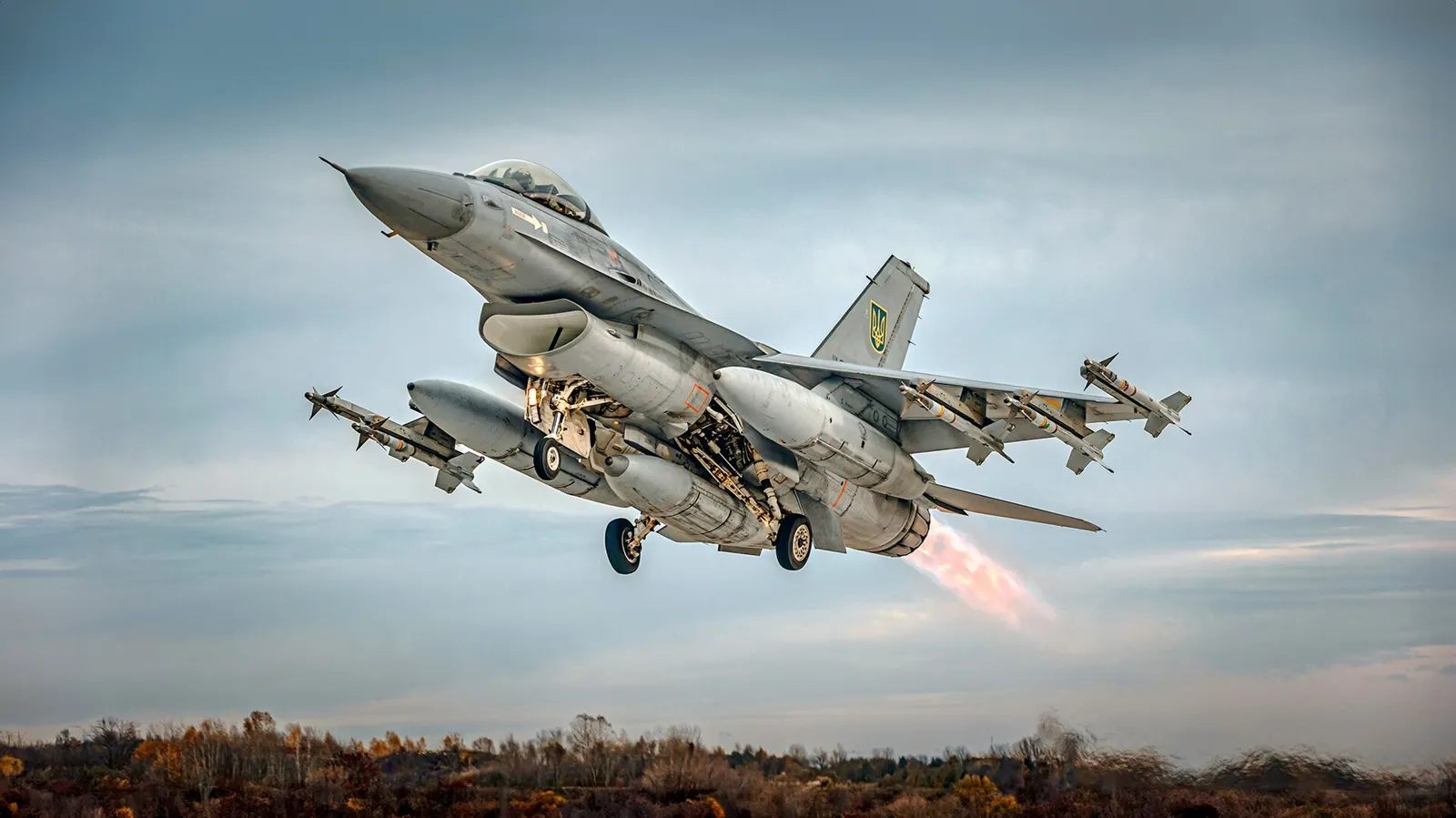
The US State Department has approved a possible Foreign Military Sale to Ukraine of F-16 sustainment equipment and services worth an estimated $621.9 million, with the bill paid by four European allies rather than US taxpayers. The notification to Congress on November 25 is the largest US support package so far for Ukraine’s F-16 fleet and roughly twice the value of either of the two previous sustainment approvals.
What is in the package
According to reporting by Ukrainska Pravda, Defence Blog and AeroTime, the sale covers cartridge-actuated and propellant-actuated devices, laboratory equipment, transportation and related support. Cartridge- and propellant-actuated devices include items such as ejection seat and canopy charges and stores-release cartridges, which have fixed service lives and must be replaced regularly to keep aircraft flying safely. Reports said the package is being added to a previously implemented case whose value was below the congressional notification threshold.
Belgium, Denmark, the Netherlands and Norway are funding the purchase through the JUMPSTART mechanism, which lets partner countries pay for US equipment destined for Ukraine. All four have donated F-16s to Kyiv. As with other approvals, the notification is not a contract; the final value may change during negotiations.
Earlier F-16 support approvals
| Date | Estimated value | Focus |
|---|---|---|
| December 2024 | $266.4 million | Sustainment services, mission planning, spare parts |
| May 2025 | $310.5 million | Training and sustainment |
| November 2026 | $621.9 million | Sustainment equipment, funded by four European allies |
Keeping an ageing fleet flying
Ukraine’s F-16s are mostly older F-16AM/BM aircraft retired from European air forces and upgraded under the Mid-Life Update programme. They fly intensively, intercepting cruise missiles and drones and launching guided weapons against Russian targets, under conditions that wear airframes and consume consumables far faster than peacetime training. The Washington Examiner noted that heavy use has made spare parts a pressing issue. Norway and Denmark also supplied airframes specifically for spare parts.
Belgium has delayed deliveries of some operational F-16s because of the slower arrival of its own F-35s, which makes sustaining the jets already in Ukraine all the more important.
Why sustainment decides air power
Fighter fleets rarely fail for lack of aircraft. They fail when consumables, test equipment and trained technicians run short. An F-16 that cannot replace time-expired ejection seat cartridges or calibrate its avionics is grounded, however intact its airframe. That is why the content of this package, which looks mundane next to missiles or radars, matters to the Ukrainian Air Force. Laboratory and test equipment lets Ukrainian crews diagnose and repair components closer to the front instead of shipping them abroad, which shortens turnaround times and reduces exposure to Russian strikes on airfields.
The war has also shown how quickly Russia targets aircraft on the ground. Dispersing F-16s across several bases, and supporting them with mobile maintenance kits, depends on having enough spare parts and support equipment to duplicate at each site.
Analysis: Europe pays, America supplies
The financing model reflects how support for Ukraine has evolved. With the current US administration reluctant to fund new aid packages directly, European governments are buying American equipment for Ukraine and covering the costs themselves. For the US defence industry, the effect is continued orders from Lockheed Martin, Pratt & Whitney and their supply chains. For European capitals, it is a way to keep Ukrainian air power viable while their own industries ramp up. The package also ties Ukraine’s air force more firmly to Western logistics and standards, a shift that will outlast the war regardless of how many F-16s remain in service.
FAQ
Who pays for the $621.9 million package?
Belgium, Denmark, the Netherlands and Norway, under the JUMPSTART funding arrangement.
Is this a signed contract?
No. It is a notification to Congress of a possible sale; contracts follow later.