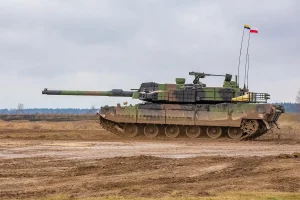
Sweden Takes Its First Four Archer 8×8 Howitzers

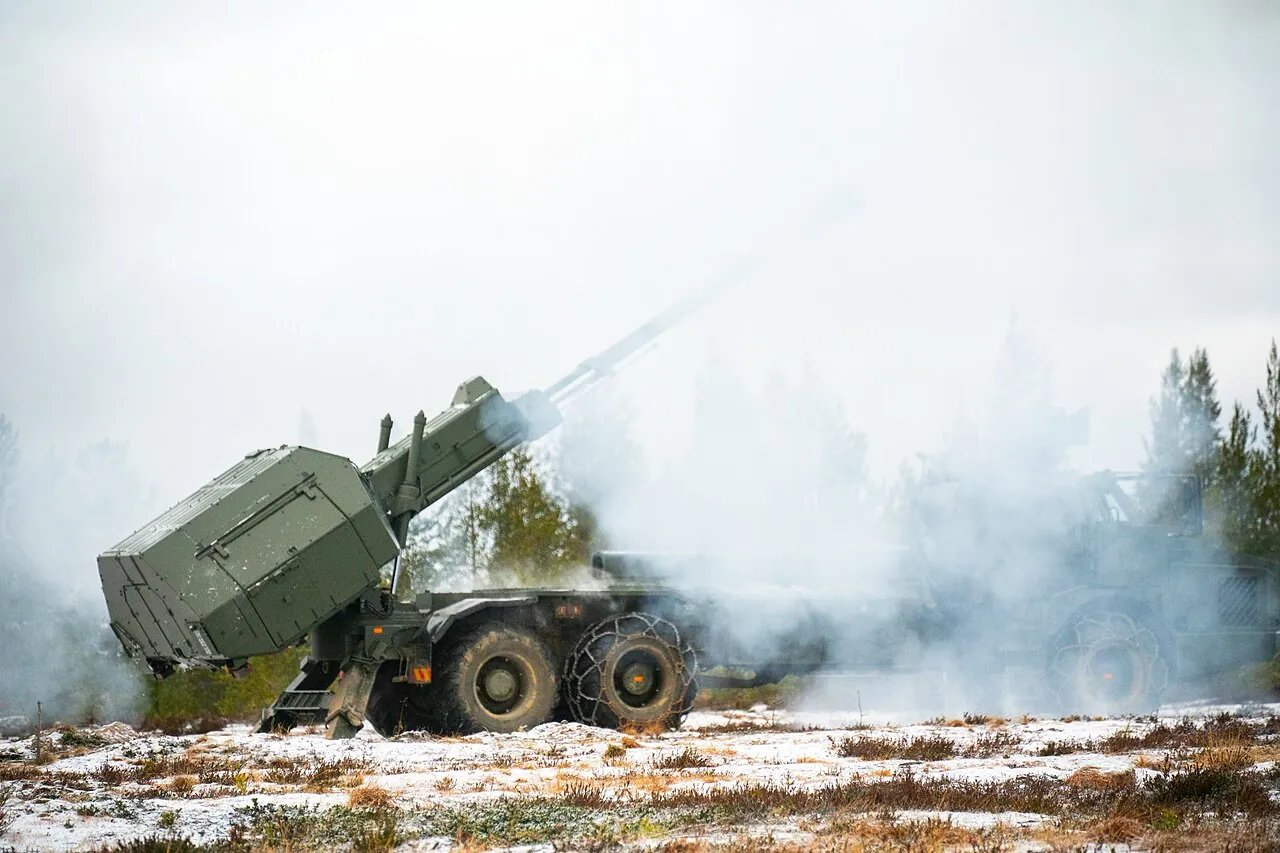
Sweden’s defence materiel administration FMV has handed over the first four Archer 8×8 self-propelled howitzers to the Swedish Armed Forces. The transfer took place at the Villingsberg firing range.
Forty-eight systems, and then some
Sweden ordered 48 Archer 8×8 systems from BAE Systems in September 2023 under a contract worth roughly $500 million, followed by an additional order for 18 howitzers in 2025. Deliveries are expected to run through 2030.
The first four will be used to train conscripts, with two more scheduled for the autumn. Archer 8×8 enters service with the Bergslagen Artillery Regiment A 9, also in the autumn.
Lena Gillstrom, chief executive of BAE Systems Bofors, described the handover as evidence of a shared commitment to strengthening Sweden’s long-range artillery capabilities.
Why the chassis changed
The original Archer rode on a Volvo A30D articulated hauler — a 6×6 platform with genuinely impressive cross-country performance and one significant drawback: it sat outside the military logistics ecosystem entirely.
The new version uses a Rheinmetall MAN HX-series 8×8 tactical truck chassis. Eight wheels bring higher road speed and longer range, but the real argument is the supply chain. HX vehicles serve in armies from Britain to Australia, which means spares, maintenance training and driver conversion all draw on an existing pool. For a system meant to operate alongside NATO forces, that commonality is worth more than marginal off-road capability.
Shoot and scoot, automated
Archer is a 155mm 52-calibre gun with fully automated loading. Its defining feature is that a fire mission can be executed without the crew leaving the cab. Three or four soldiers stay inside armoured protection while laying, loading and firing happen automatically.
This architecture serves the cycle that decides survival in contemporary artillery duels. Counter-battery radar can locate a firing position within seconds of the first round leaving the tube, which makes the interval between ceasefire and displacement the number that matters. Archer is built to shorten it.
The system fires standard 155mm ammunition as well as precision-guided Excalibur rounds, exceeding 50 kilometres with guided munitions depending on the charge.
A new artillery layer on the Baltic flank
With Sweden inside NATO, Swedish artillery has become part of alliance planning for the Baltic. Range and mobility are not preferences there but requirements: forces operating along a narrow coastal strip must support a wide frontage with relatively few systems.
Some earlier-generation Archers were transferred to Ukraine and used in combat. That experience surfaced maintenance demands under sustained high rates of fire that had not been fully anticipated, and those findings fed back into the new variant.
Europe reprioritises the gun
European armies spent the post-Cold War decades shrinking their artillery. With doctrine built around air power and precision munitions, tube artillery became a secondary arm. Ukraine reversed that judgement: sustained fire support along a static front showed that barrel count and magazine depth were decisive in a way nobody had budgeted for.
EU and NATO states have since launched programmes to expand munitions production, and howitzer orders accelerated in parallel. Sweden’s 48 systems are a mid-sized buy in absolute terms — but measured against the country’s population and force size, they represent a substantial jump in artillery capability.
Turkiye’s wheeled howitzer line
Turkiye’s equivalent is the MKE-developed Yavuz 155mm wheeled howitzer, a 52-calibre gun on an 8×8 tactical truck chassis that sits in the same category as Archer, alongside the 105mm Boran.
Turkish artillery also fields T-155 Firtina tracked howitzers and the Firtina-II. Wheeled systems deploy faster and cost less to sustain; tracked systems offer cross-country mobility and armour protection. Most modern armies keep both, and the balance between them is a planning choice rather than a technical verdict.
MKE’s wheeled line is among the more visible items in Turkiye’s artillery export portfolio, in a market where France’s Caesar, the Czech Dita, Germany’s RCH 155 and Israel’s ATMOS compete for the same orders.
Sources
- Swedish Defence Materiel Administration (FMV) announcement, 26 August 2026
- BAE Systems Bofors corporate statement, 2026