Israel Signs $1B Deal for 12 AH-64E Apaches: Deliveries Slip to the 2030s

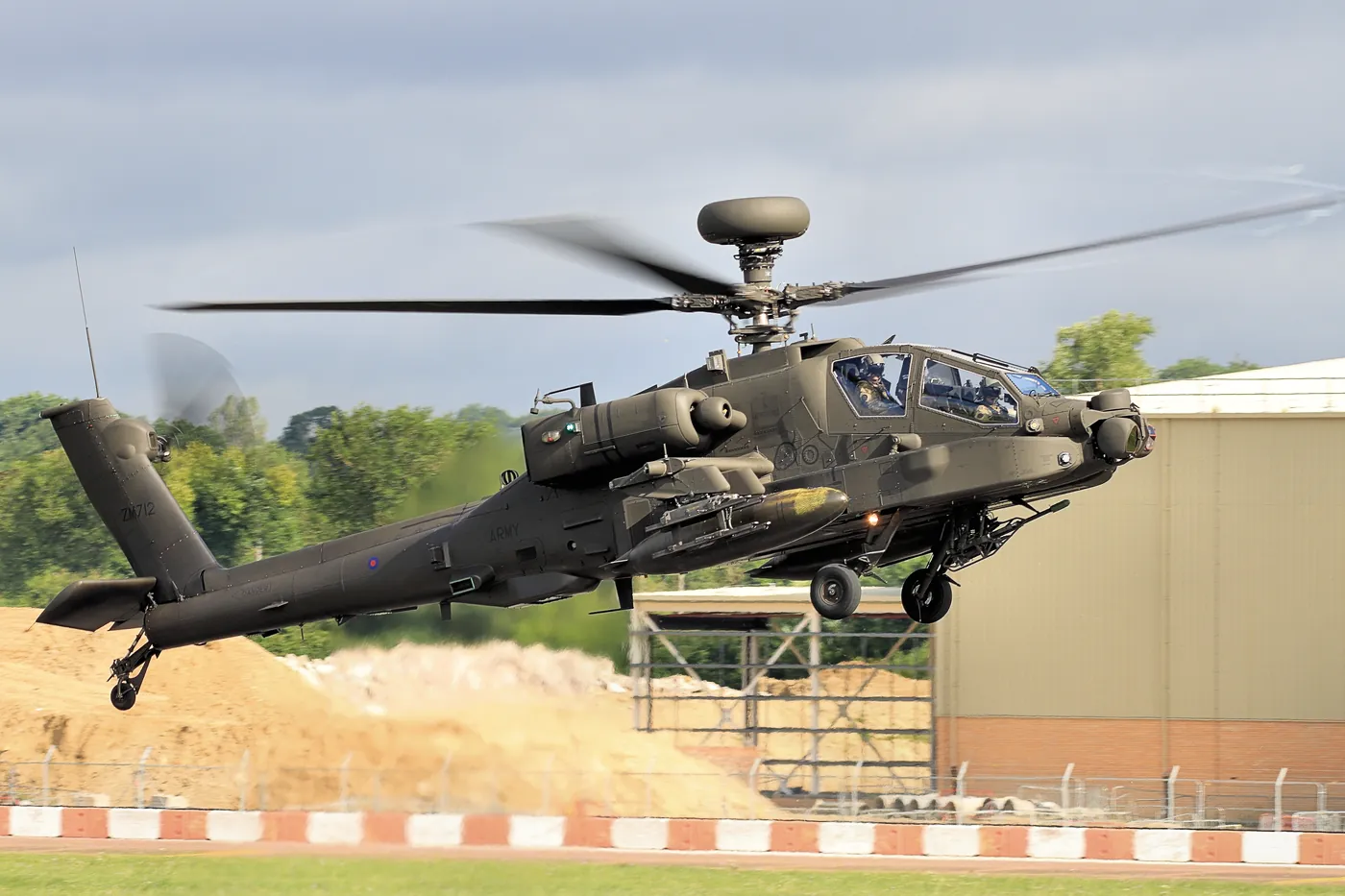
Israel’s Ministry of Defense signed a roughly $1 billion contract on 14 October for 12 AH-64E Apache Guardian attack helicopters from the United States. The deal closed six days after Israel missed its final ordering deadline amid a budget dispute, once extra funding was found. It covers only 40 percent of the 30 helicopters authorized under a potential $3.8 billion sale approved earlier this year, with deliveries spread across 2030-2033.
A $288 million gap held up the order
A months-long dispute between Israel’s Finance and Defense ministries left roughly $288 million of the purchase unfunded. Washington granted three deadline extensions, but Israel still missed the final one. The government closed the gap by moving about NIS 1 billion (roughly $290 million) from a community-development program and adding NIS 68 million from the 2026 state budget. Defense Ministry Director General Maj. Gen. (Res.) Amir Baram ordered the deal finalized on 14 October.
Forty percent of a 30-helicopter authorization
The signed contract draws on the $3.8 billion Foreign Military Sale authorization the US State Department approved earlier this year for up to 30 Apaches; the other 18 aircraft fall outside this deal. At roughly $83.3 million per helicopter, the per-unit cost isn’t directly comparable to the $126.7 million implied by the broader authorization, since the two figures bundle different support packages.
Deliveries slip to the early 2030s as the fleet ages
Deliveries are expected between 2030 and 2033, with squadron assignments still undecided. That timeline sharpens a fleet-age problem: Israel currently flies 23 AH-64A Peten and 20 AH-64D Saraf helicopters, many in service for more than two decades, and the oldest Petens will reach 42 years of service by 2032. Even a one-for-one swap with the new order would leave 31 older-generation Apaches in the fleet, keeping maintenance load and airframe fatigue as open concerns.
New capabilities: maritime targeting and drone teaming
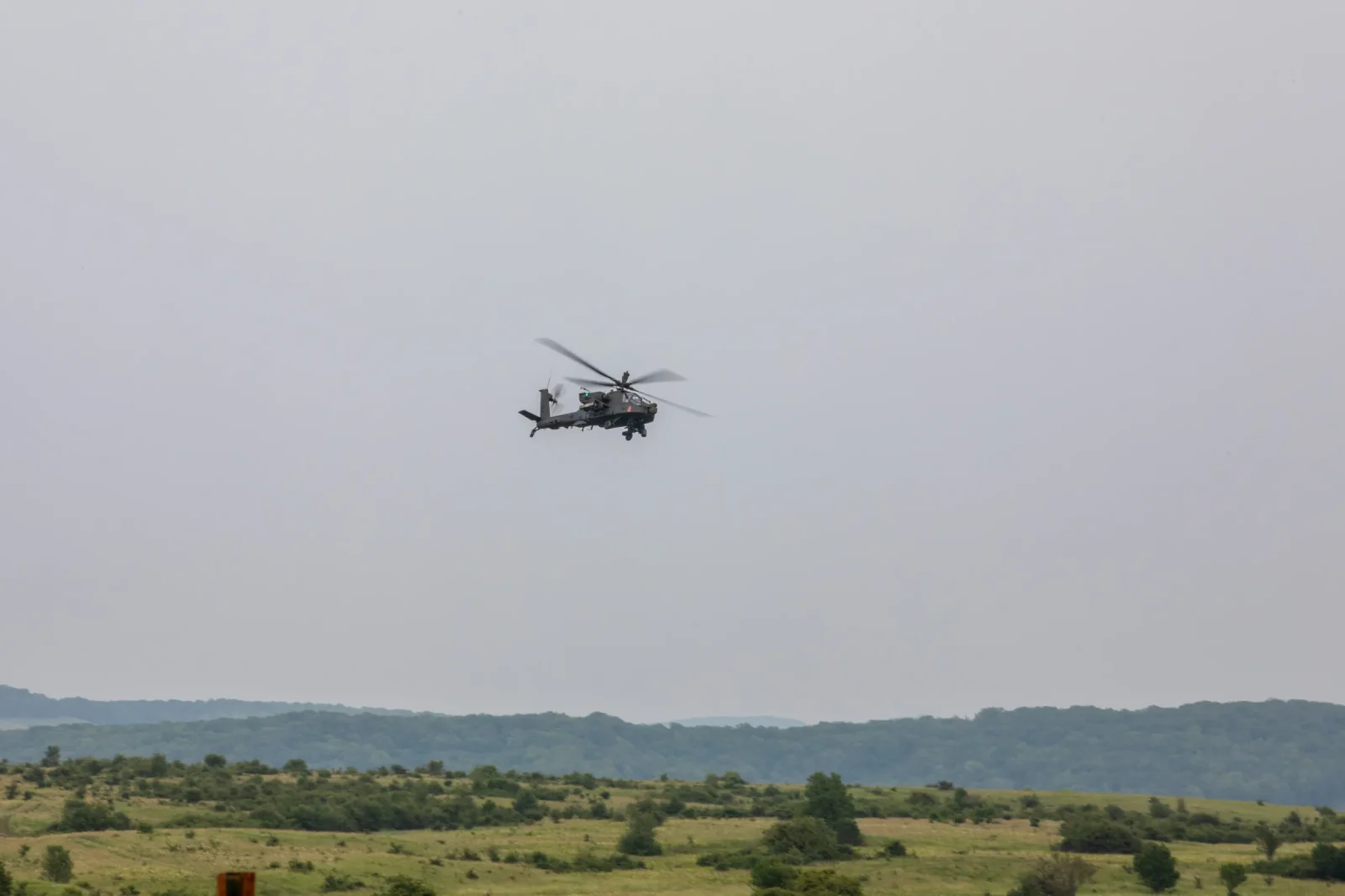
The Version 6 configuration Israel ordered brings a meaningful capability jump. The Longbow fire-control radar’s detection range doubles, from 8 to 16 km, and the aircraft gains maritime targeting to detect and engage surface vessels, including small craft close to shore. Manned-unmanned teaming lets crews receive drone sensor feeds and, depending on the interoperability level, control drone sensors or flight. Two T700-GE-701D engines producing roughly 3,988 shp combined, plus upgraded rotor blades and drivetrain, back up an arsenal that includes the M230E1 30mm chain gun, Hellfire and Hydra rockets, and Spike NLOS missiles reported to exceed 25 km in range — though Israel hasn’t disclosed how many it plans to carry.
Operational context
Israeli Apaches have flown anti-armor missions since 1990, operated in Lebanon, carried out targeted strikes against Hamas leaders in 2004, supported Gaza operations including Cast Lead in 2008-2009, and intercepted an Iranian drone in 2018. Since 7 October 2023, they have flown near-continuous rapid-response, surveillance and fire-support missions in and around Gaza — underscoring why fleet renewal is considered urgent, even as this contract’s scope and schedule show the gap between operational demand and procurement speed hasn’t closed.
A defense official said the same budget dispute is jeopardizing other urgent purchases, including an order for two additional KC-46 refueling aircraft — suggesting the Apache delay may be the first visible sign of a broader funding constraint on US arms purchases rather than an isolated hiccup.
Sources
- Army Recognition — “Israel signs $1 billion deal for 12 new US AH-64E Apache attack helicopters with maritime strike capabilities” (14-15 October 2026) — used for contract details, configuration and fleet data.
- Calcalist (ctechnews) — used for the budget dispute and reasons for delay.
- Ynet News — “Budget dispute derails Israel’s $1 billion Apache helicopter purchase from US” — used for the missed deadline and funding-source details.
- AviationA2Z (10 October 2026) — used for the impact on other procurement programs.