Defence Supply Chain Expansion: SPEE3D Plans 50 Asia-Pacific Factories as Czech PBS Doubles US Engine Output

Two announcements in late November show how the drone and missile boom is reshaping defence supply chains. Australian additive manufacturing firm SPEE3D has launched the first of a planned network of 50 deployable metal-printing factories across the Asia-Pacific, while Czech engine maker PBS Aerospace says it intends to at least double production at its plant in the United States to meet demand for small jet engines used in drones and cruise missiles.
SPEE3D’s NodeZERO
SPEE3D opened Phase One of NodeZERO in Darwin on November 9, the first site of a network it calls CriticalSPEE3D. Chief executive Bryan O’Connor has named Okinawa in Japan, the Philippines, Guam, Hawaii and South Korea as identified locations for future nodes. One report says the company aims to build the 50 sites over roughly 50 months, though that timeline comes from a single source.
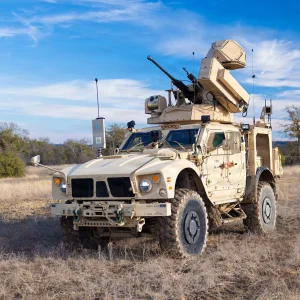
SPEE3D’s technology uses cold spray: metal powder is fired at supersonic speed onto a substrate, bonding without melting. The process is faster than laser-based metal printing and can produce large parts such as brackets, housings and spare components in hours. The company’s printers have been tested by the Australian, US and Japanese militaries, and the pitch is “contested logistics”: making parts near the fight instead of shipping them across the Pacific.
PBS Aerospace in Georgia
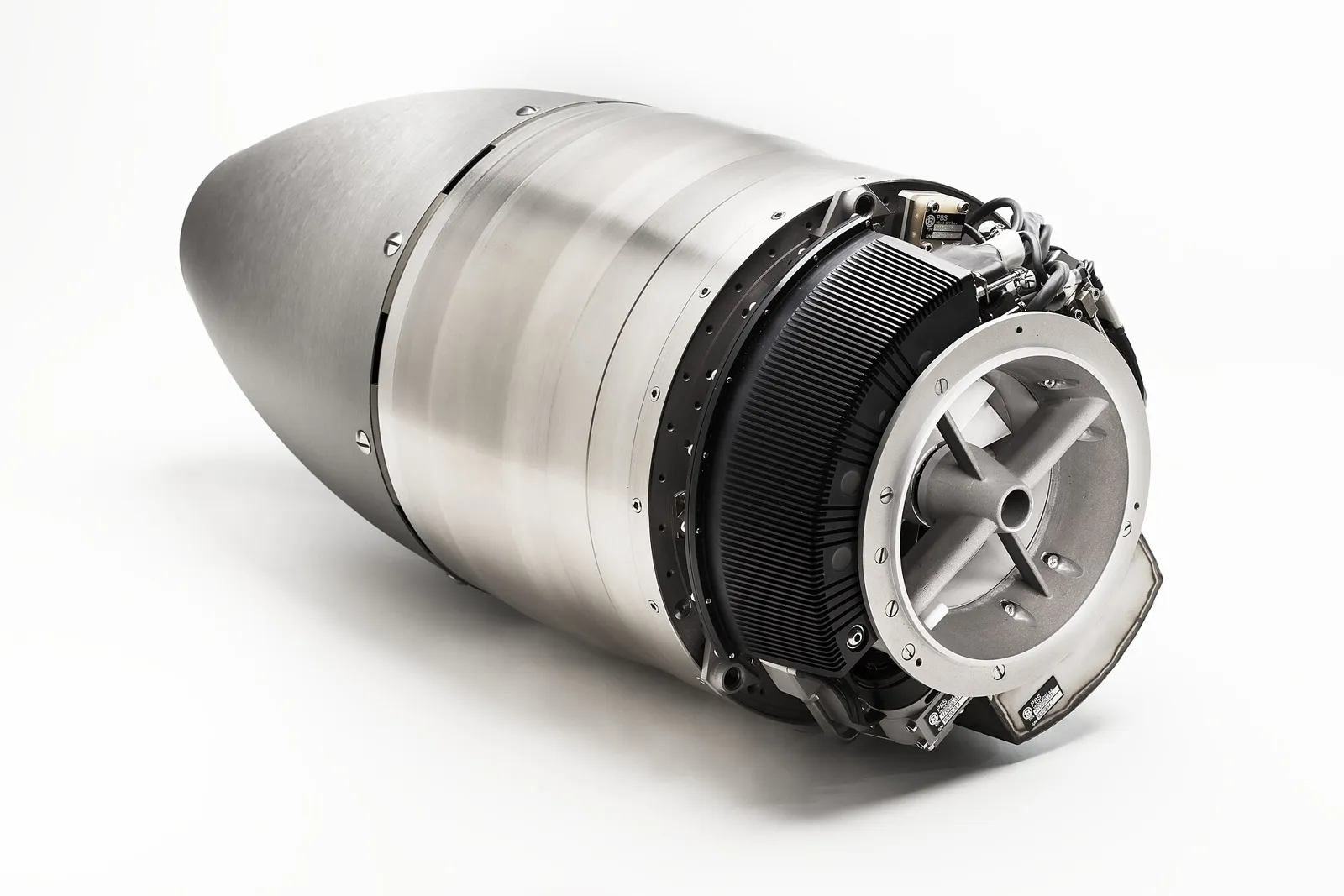
PBS Aerospace, part of the PBS Group based in Velká Bíteš, told Defense News it is planning to spend around $100 million to expand its facility in Roswell, Georgia, which began with a $20 million investment. The company aims for at least a twofold increase in capacity, with production rising to between 10,000 and 20,000 engines over the next three years and up to 5,000 engines built in the United States in 2027. Czech defence outlet Armádní noviny, cited by Militarnyi, gave a target of up to 10,000 engines in 2028, so the exact timeline differs between reports.
Work is already under way. Floor space has been expanded by 930 square metres, two new test chambers have doubled engine testing capacity and a second production shift is being prepared. PBS lists Lockheed Martin and Pratt & Whitney among its US partners. Its TJ100 and TJ150 turbojets power target drones, loitering munitions and small cruise missiles.
| Company | Plan | Key figures |
|---|---|---|
| SPEE3D (Australia) | 50 deployable metal-printing nodes | First node opened in Darwin, 9 Nov 2026 |
| PBS Aerospace (Czech Republic) | Expand Roswell, Georgia plant | About $100m; 10,000-20,000 engines over three years |
Why engines are the bottleneck
Small turbojets have become one of the tightest bottlenecks in Western munitions production. Cheap cruise missiles, long-range one-way attack drones and decoys all need them, and only a handful of suppliers can build them at scale. China’s new licensing requirements on turbojets with at least 400 newtons of thrust, effective November 18, make Western-sourced engines even more valuable. Turkey has invested heavily in its own family of small engines, such as the TEI TJ300 that powers the Çakır cruise missile, for similar reasons of sovereignty.
Analysis: production close to the customer
Both moves follow the same logic: build where the demand is and where governments want sovereign supply. The Pentagon wants engines produced on US soil for programmes such as low-cost cruise missiles. Indo-Pacific militaries want spare parts made within their region rather than shipped from distant depots that could be cut off in a conflict. For European firms such as PBS, a US factory is also a hedge, giving access to American contracts while keeping engineering roots at home.
FAQ
Where is SPEE3D’s first node?
In Darwin, in Australia’s Northern Territory.
Where is PBS Aerospace’s US plant?
In Roswell, Georgia.