South Korea Protests After Russian Tu-160 Bombers Fly Within About 1 km of Its Airspace Near Ulleungdo

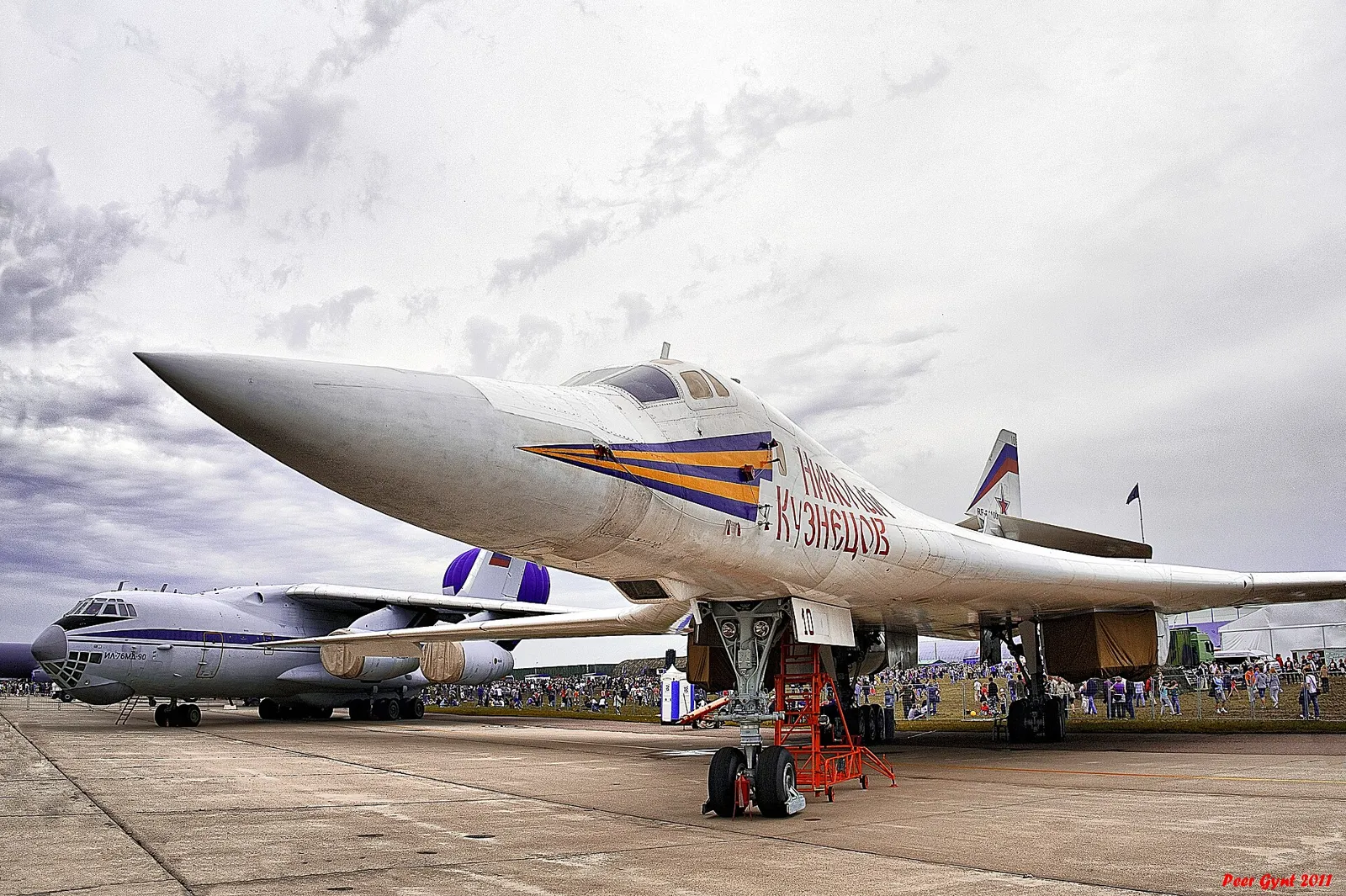
South Korea scrambled F-15K fighters and issued its first-ever preemptive alert for a potential foreign military airspace violation on November 24, after two Russian Tu-160 strategic bombers entered the Korea Air Defense Identification Zone (KADIZ) over the East Sea and approached Ulleungdo island. South Korean officials said the bombers came within about one kilometre of the country’s sovereign airspace. The Joint Chiefs of Staff later concluded that no violation had occurred.
The flight
Russian state news agency TASS said the two Tu-160s flew for about ten hours over neutral waters, escorted by Su-35S and Su-30SM fighters. South Korean reporting on the closest approach varies: officials cited roughly one kilometre from the airspace boundary, while broadcaster SBS reported about 500 metres, a figure not independently confirmed. The War Zone described the bombers as coming within seconds of crossing into South Korean airspace at their cruising speed.
Seoul requested that Ulleung County issue a preemptive alert to residents, the first such request in response to a possible foreign military aircraft violation. The Defence Ministry summoned the Russian air attaché to protest both the unannounced KADIZ entry and the close approach.
Moscow’s position
Russia said the flight was planned and that all Aerospace Forces flights are carried out in strict accordance with international rules on the use of airspace. The Russian Embassy in Seoul argued that the KADIZ is a zone unilaterally established by South Korea and carries no obligation for foreign aircraft. Unlike territorial airspace, which extends 12 nautical miles from the coast, an air defence identification zone has no basis in international treaty law, though most countries notify before entering one.
A pattern of long-range patrols
Russian bombers have repeatedly flown through the KADIZ, often alongside Chinese H-6 bombers on joint patrols. In December 2025, seven Russian and two Chinese military aircraft entered the zone during one such patrol. Those flights typically involved Tu-95 turboprop bombers. The use of the supersonic Tu-160, Russia’s most capable strategic bomber, and the proximity to Ulleungdo mark an escalation in both signalling and risk.
| Item | Reported detail |
|---|---|
| Date | 24 November 2026 |
| Aircraft | Two Tu-160 bombers, Su-35S and Su-30SM escorts |
| Closest approach | About 1 km from airspace (officials); about 500 m (SBS, unverified) |
| Outcome | No violation, per Joint Chiefs of Staff |
What the Tu-160 brings
The Tu-160, known to NATO as Blackjack, is the largest and fastest bomber in service anywhere. It carries Kh-101 and Kh-102 cruise missiles, the latter nuclear-armed, internally, and has been used extensively to launch Kh-101s at Ukrainian cities. Russia has restarted production of a modernised Tu-160M variant at Kazan. Deploying it on a long patrol in the Far East, rather than the older Tu-95, signals that Moscow wants its Pacific neighbours to see its most capable strategic platform close up.
Analysis: testing Seoul’s reflexes
Flying a nuclear-capable bomber to the edge of South Korean airspace tests response times, rules of engagement and political nerve. It also comes as Moscow deepens military cooperation with North Korea, including Pyongyang’s supply of munitions and troops for the war against Ukraine. For Seoul and its US ally, the incident raises the question of how to react if a Russian aircraft actually crosses into sovereign airspace, as a Russian A-50 did near Dokdo in 2019, when South Korean jets fired warning shots. Japan, which also scrambles regularly against Russian aircraft over the Sea of Japan, faces the same dilemma.
FAQ
Did the Russian bombers violate South Korean airspace?
No. The Joint Chiefs of Staff concluded after analysis that they did not cross into sovereign airspace.
What is the KADIZ?
An air defence identification zone declared by South Korea, wider than its territorial airspace, in which foreign aircraft are expected to identify themselves.