Germany and Norway Move to Test Ukraine’s Delta Battle System as Poland Plans an Eastern No-Fly Zone

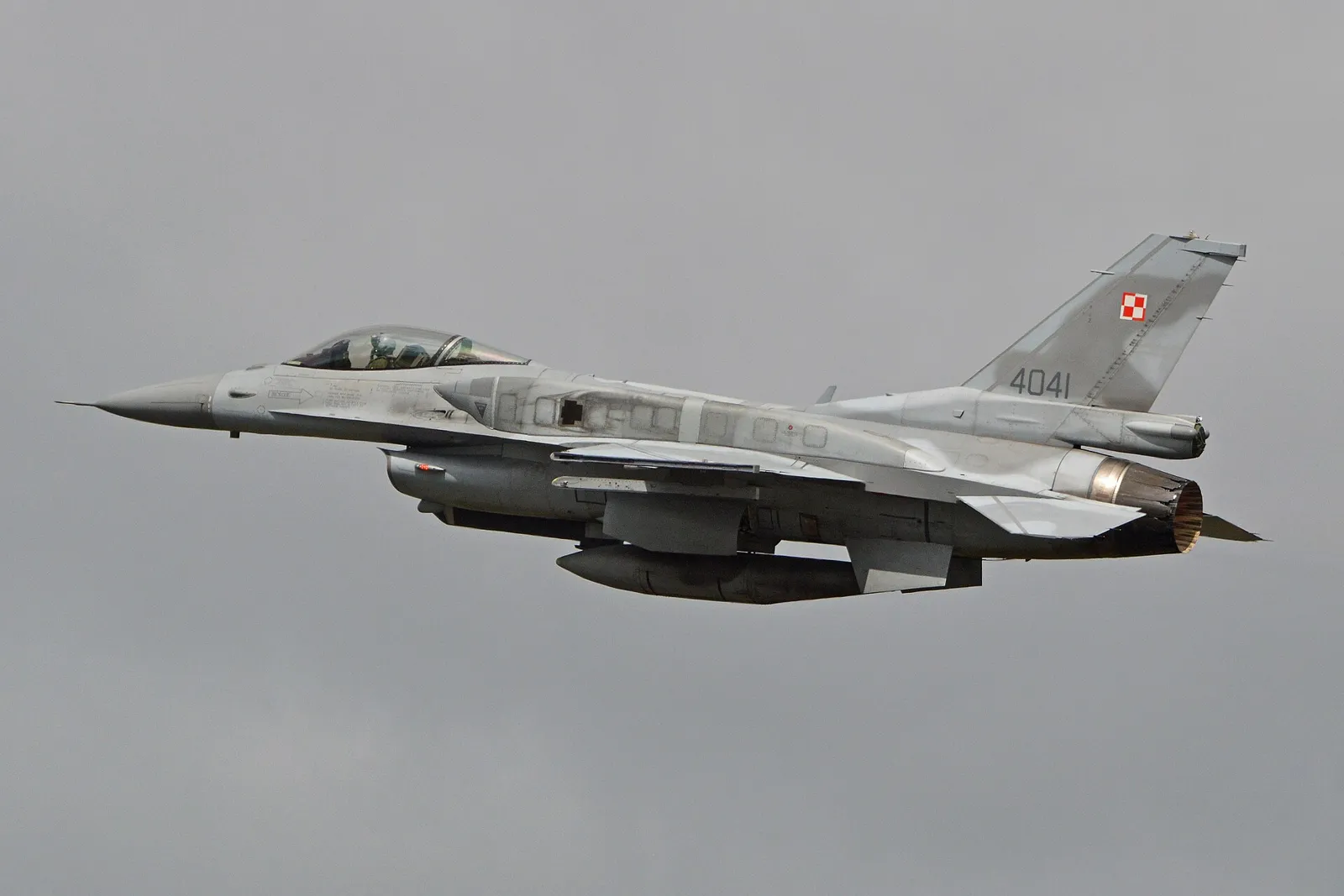
Germany and Norway have signed separate letters of intent to test Delta, the battlefield management system built by Ukraine’s armed forces, in the clearest sign yet that NATO members want to learn from Ukrainian military software developed under fire. Germany’s agreement was signed in Berlin on November 24, with Norway following in Oslo the same day. A day later, Poland’s Deputy Defence Minister Cezary Tomczyk said Warsaw intends to establish a no-fly zone along the country’s eastern border.
What Germany and Norway signed
Under the German document, Germany becomes the first foreign country to gain access to Delta for testing. Ukraine’s Defence Ministry stressed that the practical, technical and legal terms will be set out in a separate agreement and that Kyiv will not share combat or other operational data of its forces. Norway’s memorandum similarly allows it to test the platform without any exchange of operational data.
The step builds on earlier cooperation. In April 2026, Berlin and Kyiv signed a defence data-sharing memorandum as part of a €4 billion package, and the German Army had already tested Delta during exercises in October 2025. Defence Minister Boris Pistorius said this year that Germany would study the system intensively and might adopt parts of it.
What Delta does
Delta is a cloud-based situational awareness and command system developed by Ukraine’s Defence Ministry and its Centre for Innovation and Development of Defence Technologies. It pulls in feeds from drones, satellites, sensors and units in the field, places them on a shared digital map and allows commanders to assign targets and coordinate fires. It has been demonstrated in NATO interoperability exercises and is used across Ukraine’s forces. Its strength is speed of iteration: features are added and changed in weeks in response to battlefield needs, a pace that traditional Western defence software programmes rarely match.
Poland’s no-fly zone plan
Tomczyk said on November 25 that Poland intends to introduce the restricted zone from late December or early January. Reports say the plan still requires a government decree, and details such as its depth have not been confirmed. The move follows repeated airspace incidents involving Russian drones and missiles during attacks on western Ukraine. NATO has redeployed an AWACS surveillance aircraft from Germany to cover Poland. At a meeting of NATO ambassadors, allies discussed the option of intercepting Russian missiles crossing Ukrainian airspace near their borders, but no agreement was reached.
| Country | Step | Date |
|---|---|---|
| Germany | Letter of intent to test Delta | 24 November |
| Norway | Memorandum to test Delta | 24 November |
| Poland | Planned eastern-border no-fly zone | Announced 25 November |
Analysis: learning from the front line
NATO armies have spent years developing digital command systems that struggle to connect across national boundaries. Ukraine has fielded one that works under constant electronic attack, and European allies want to understand why. For Germany, which is rebuilding its army toward a combat-ready division for NATO’s eastern flank, Delta offers a template for rapid software development. For Norway, a neighbour of Russia’s Northern Fleet, it is a chance to test integration of drone and sensor feeds in harsh conditions.
Poland’s plan shows the other side of the same reality: Russia’s long-range strikes on Ukraine already affect NATO airspace. A formal no-fly zone would give Polish air defences clearer rules for engaging objects near the border. Whether NATO goes further and intercepts missiles over Ukraine remains a political decision the alliance has so far avoided.
FAQ
Will Germany receive Ukrainian combat data?
No. Ukraine’s Defence Ministry says no combat or operational data will be shared under the testing agreements.
Is Poland’s no-fly zone in force?
Not yet. Warsaw has said it intends to introduce it from late December or early January.