ORKA Torpedo: AKINCI Drone’s New Anti-Submarine Strike, Explained

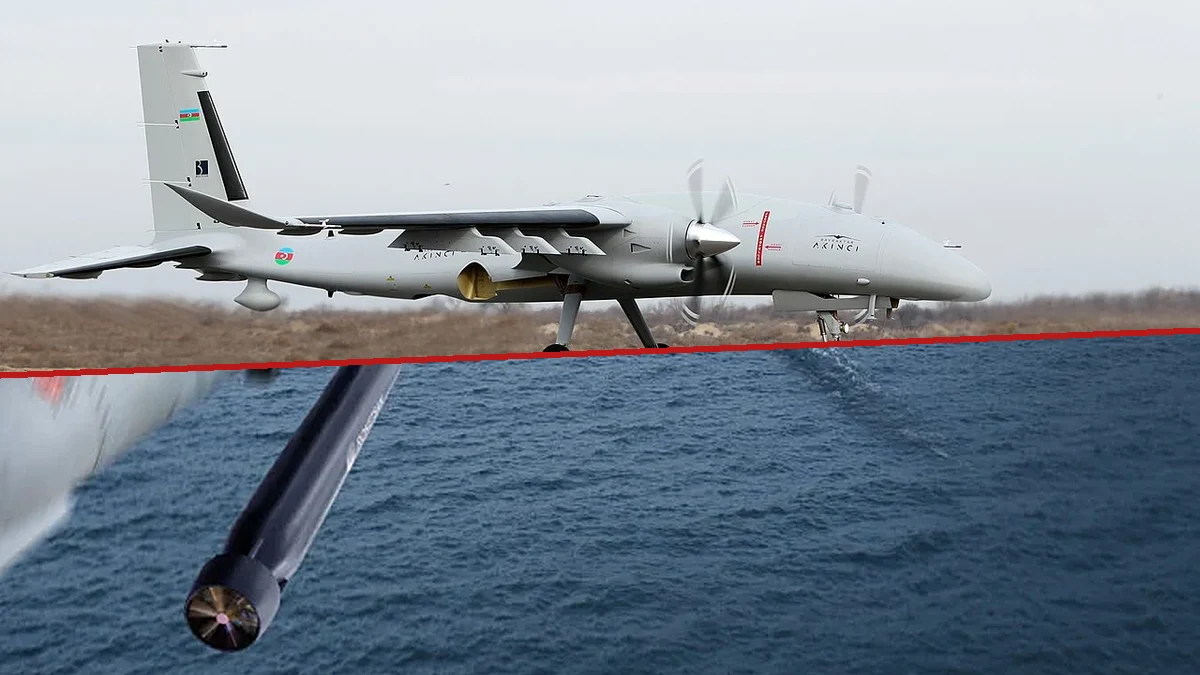
A torpedo drops from under a wing, hits the water and runs straight for its target — except the aircraft that released it has no pilot, and no wings in the usual sense. Turkey’s Bayraktar AKINCI, Baykar’s heavy combat drone, has just carried out a live firing test of Roketsan’s ORKA lightweight torpedo, scoring a direct hit.
The test was announced by Selçuk Bayraktar, chairman of the T3 Foundation and of Baykar’s board, who posted footage on social media tagging both Baykar and Roketsan: “AKINCI – ORKA Next-Gen Lightweight Torpedo Firing Test.” The clip shows the torpedo released from the fixed-wing drone, entering the water and striking its target. It appears to be among the first publicly released footage of a torpedo launch from a fixed-wing unmanned aircraft — not a claim either company has made outright, but no earlier public example has surfaced.
What ORKA is
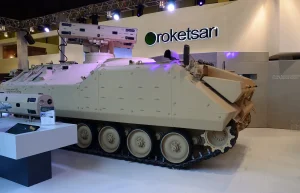
ORKA is Roketsan’s lightweight anti-submarine torpedo, a fully domestic program launched at the end of 2020 and first shown publicly at the IDEF defense expo in 2017 (as a design study before the formal program began). It is built to be carried by more than one kind of platform — ship decks as well as aircraft and helicopters — so the same weapon can reach a submarine whether it’s fired from a frigate or dropped from the air.
Under the hood: a 324 mm (12.8 in) body driven by a brushless electric motor turning a pump-jet, powered by lithium batteries — roughly the Western NATO standard diameter for lightweight torpedoes, the same class as the US Mark 54. It tops out above 45 knots (83 km/h) and reaches more than 15 km, hunting its target with an onboard active/passive sonar head that listens and searches on its own once in the water, with some resistance to acoustic decoys built in.
A new role for AKINCI
Until now, AKINCI’s weapons record has mostly been about strikes in the air or against targets on land and at the surface. Adding ORKA to that mix pushes the drone into territory normally covered by maritime patrol aircraft or anti-submarine helicopters — platforms whose main job is hunting what’s underwater, not what’s on the surface or in the sky.
It fits a broader pattern: armed drones moving beyond reconnaissance and strikes on land into naval warfare. If ORKA ends up flying on AKINCI and similar platforms alongside its existing ship- and helicopter-launched role, Turkey gains a cheaper, more flexible way to hold submarines at risk — without needing a dedicated manned aircraft in the air at all times.
Sources: Selçuk Bayraktar’s social media post (November 22, 2026); Roketsan ORKA program information.