





What is SimRealize? SimBT’s national image generator

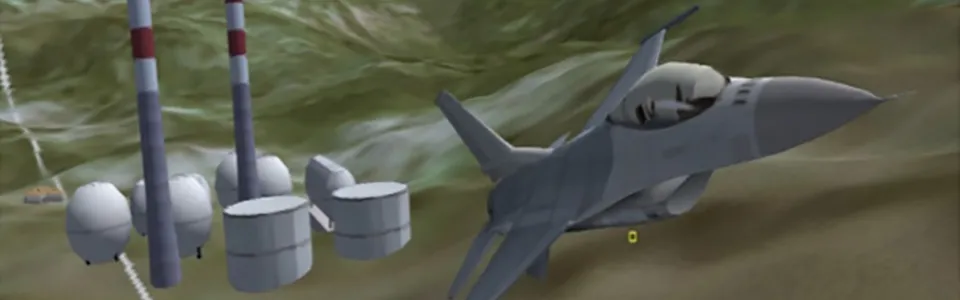
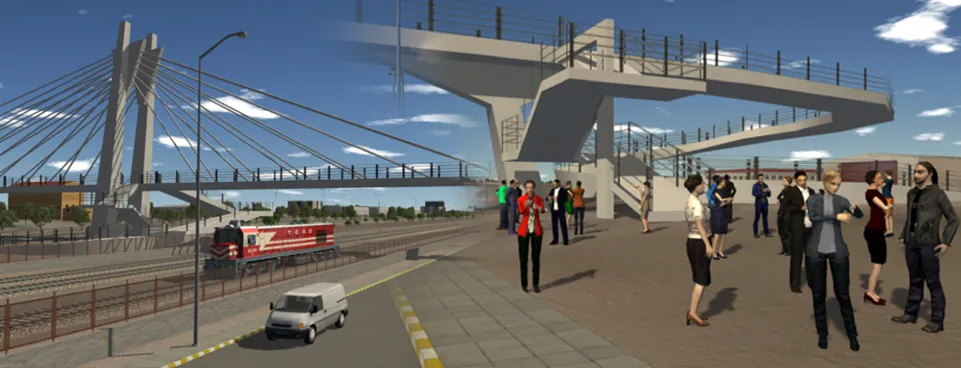
Quick answer: SimRealize is a 3D image generator developed by SimBT. Compliant with the CIGI 3.3 interface standard, the software reaches an average of 60 frames per second on ordinary personal computers according to the company. SimRealize forms the visual layer of SimBT’s own simulators, including its bridge simulators, and is sold within an image generator product family alongside tools such as SimEdit, SimTerrain and GenMap.
What is an image generator and why does it matter?
An image generator is the software layer that draws a simulator’s outside world view in real time. In flight, driving or bridge simulators the virtual environment the trainee sees is produced in that layer. Because the global market in this field is occupied by established foreign products, the existence of a national image generator is treated as a factor that reduces external dependency in simulator projects. SimBT describes SimRealize as an “original and national” product.
Stated features of SimRealize
The information on the official product page can be summarised as follows:
| Feature | Manufacturer statement |
|---|---|
| Interface standard | CIGI 3.3 (Common Image Generator Interface) compliance |
| Performance | Average 60 frames per second on a PC; low CPU and memory use |
| Hardware requirement | Low cost personal computers and graphics cards |
| Audio | Audio infrastructure alongside 3D graphics |
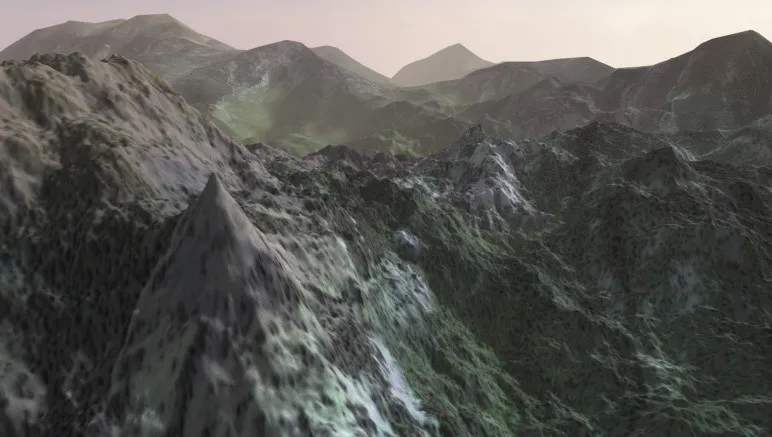
| Environment coverage | Digital terrain including land, sea surface and underwater |
| Model library | More than 2,250 land, air, surface and underwater models via SimModel |
Independent benchmark data is not publicly available; the performance figures are manufacturer statements.
Place in the family: relation to SimEdit and SimWorld
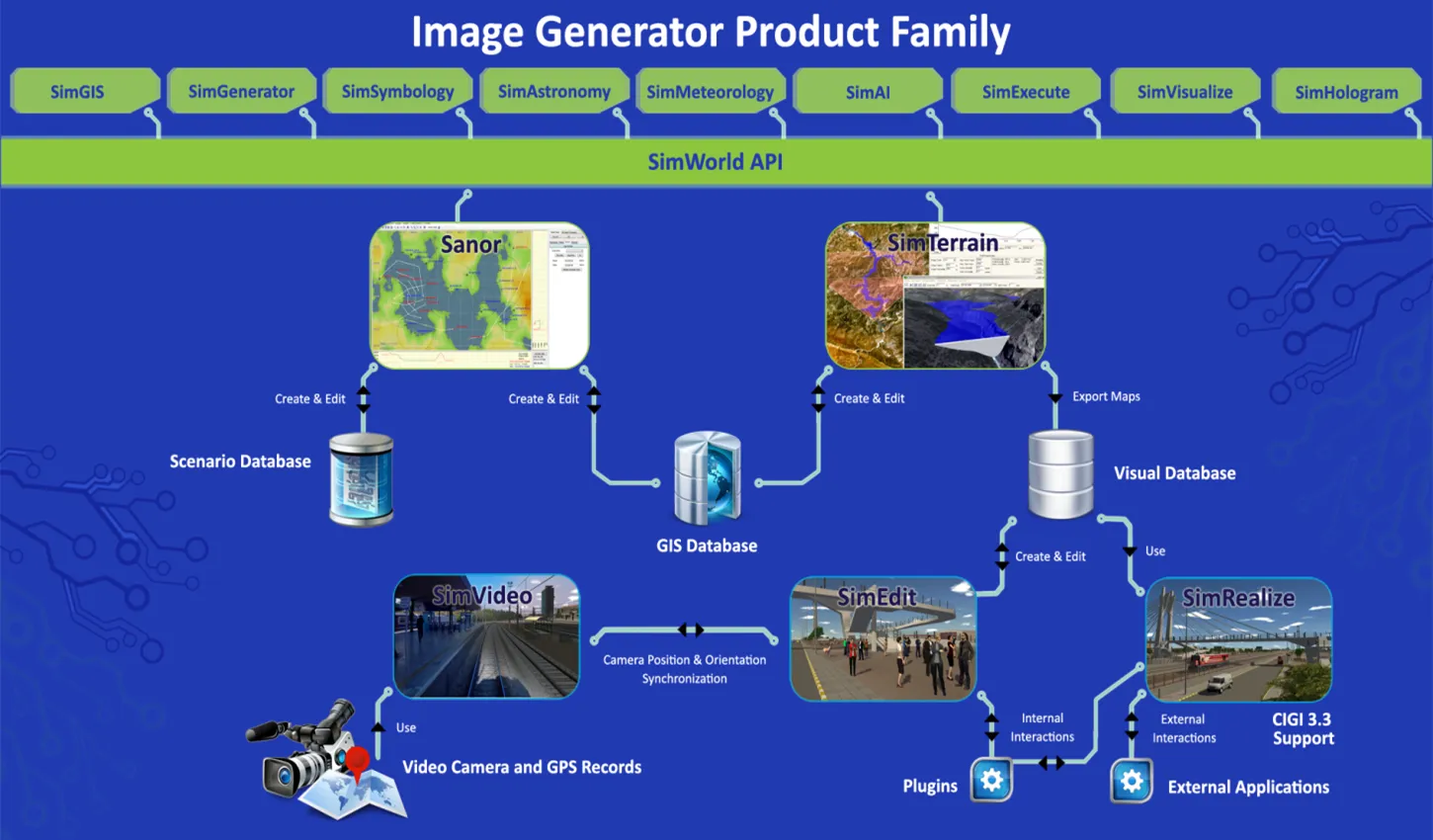
SimRealize does not work on its own but within a tool chain. 3D visual databases are prepared with SimEdit, terrain data is integrated with SimTerrain, and generic maps with no real world counterpart are produced with GenMap. The SimWorld API supplies the geographic information system, tactical symbology and artificial intelligence layers. This chain is the common infrastructure of all SimBT products, from the MarSim bridge simulators to the land vehicle simulators.
Where is it used?
The company states explicitly that a “nationally developed image generator” is used in its bridge simulator, which means SimRealize is also the visual layer in the SGD virtual bridge simulator delivered to the Turkish Naval Forces Command. Project-based use beyond that, meaning which prime contractor programmes it features in, is not officially disclosed. In the SSB 2026 catalogue the product is listed under the name “SimBT-SimRealize image generator”.
Development process and certification
The corporate framework in which SimRealize was developed is asked about as often as the product’s technical features. SimBT reports that it is certified at CMMI DEV/3 level for process maturity and that it applies the MIL-STD 498 and MIL-STD 973 military standards in software development. The company also holds ISO 9001:2015 quality management and ISO 27001:2013 information security certificates, along with a Facility Security Clearance at NATO Secret and National Secret level. These certificates sit at company level; a product certification specific to SimRealize is not officially disclosed.
The development background behind the product is assessed within the same frame. Founded at the ODTÜ Technopolis in 2009, the company states that it has carried out more than 55 research and development projects to date; the image generator family consists of eight items that came out of that work. SimBT’s customer list includes the Presidency of Defence Industries, the Turkish Armed Forces, the Turkish Naval Forces Command, the Turkish Coast Guard Command, the Gendarmerie and the General Directorate of Security, together with prime contractors such as Aselsan, Havelsan, Roketsan, TUSAŞ and STM. That list, however, does not indicate which image generator was used in which project; the company does not publish a product-by-project mapping.
Employee numbers in public sources range between 48 and 53. The size of the image generator development team is not officially disclosed. The product’s version history, roadmap and support period do not appear in public sources either; those headings are among the items that need to be put to the manufacturer directly during procurement.
Open headings on the procurement side
What can be established about SimRealize from public sources is limited to the product’s interface standard, the performance figures stated by the manufacturer and the tool chain it belongs to. Several headings that are decisive in a simulator purchase are not officially disclosed.
The first is the licensing model. Whether the product is supplied per project, per user or under a perpetual institutional licence does not appear in public sources, and pricing is not published either. The second heading is version management. The current version number, the backward compatibility policy and the support period have not been disclosed. The company reports CIGI 3.3 compliance; whether there is a plan to move to later versions of the standard is not stated.
The third heading is measurement conditions. The average figure of 60 frames per second is given as a manufacturer statement, but the scene complexity, graphics card and number of visual channels used in that measurement are not shared. The fourth heading is integration. SimRealize is known to work within the same tool chain as SimEdit, SimTerrain, GenMap and SimWorld; which conversion steps are required when it is paired with third party simulation hosts or with terrain databases from other manufacturers is not officially disclosed.
These items should be read not as shortcomings of the product but as questions that cannot be answered from public sources. Institutions drafting technical specifications for simulator procurement need to put these headings to the manufacturer directly.
Frequently asked questions
Which standard does SimRealize support?
The company reports CIGI 3.3 compliance. CIGI is the open interface standard between the image generator and the simulation host computer.
What hardware does SimRealize run on?
The manufacturer reports an average of 60 frames per second with low cost personal computers and commercial graphics cards.
What sets SimRealize apart from its competitors?
National development and integration with the SimEdit-SimTerrain-GenMap tool chain. No independent comparative test has been published.
Is SimRealize used in military projects?
In the virtual bridge simulator at the Turkish Naval Forces Command the visual layer is the national generator. Other military projects are not officially disclosed.
Can SimRealize be bought separately?
The product is offered with its own brochure on the official website; the licensing model and pricing are not officially disclosed. A list of all products is available in the SimBT product guide.
Sources and verification note
Technical values are manufacturer statements. Undisclosed data has been marked “Not officially disclosed.” Accessed: August 12, 2026.
- https://www.simbt.com.tr/urunler/
- https://www.simbt.com.tr/urunler/denizcilik-simulasyon-ve-simulator-urun-ailesi/
- https://www.sahaistanbul.org.tr/firma/simbt-simulasyon-bilim-ve-teknolojileri