KAAN Technical Specifications: Engine, Radar, Dimensions

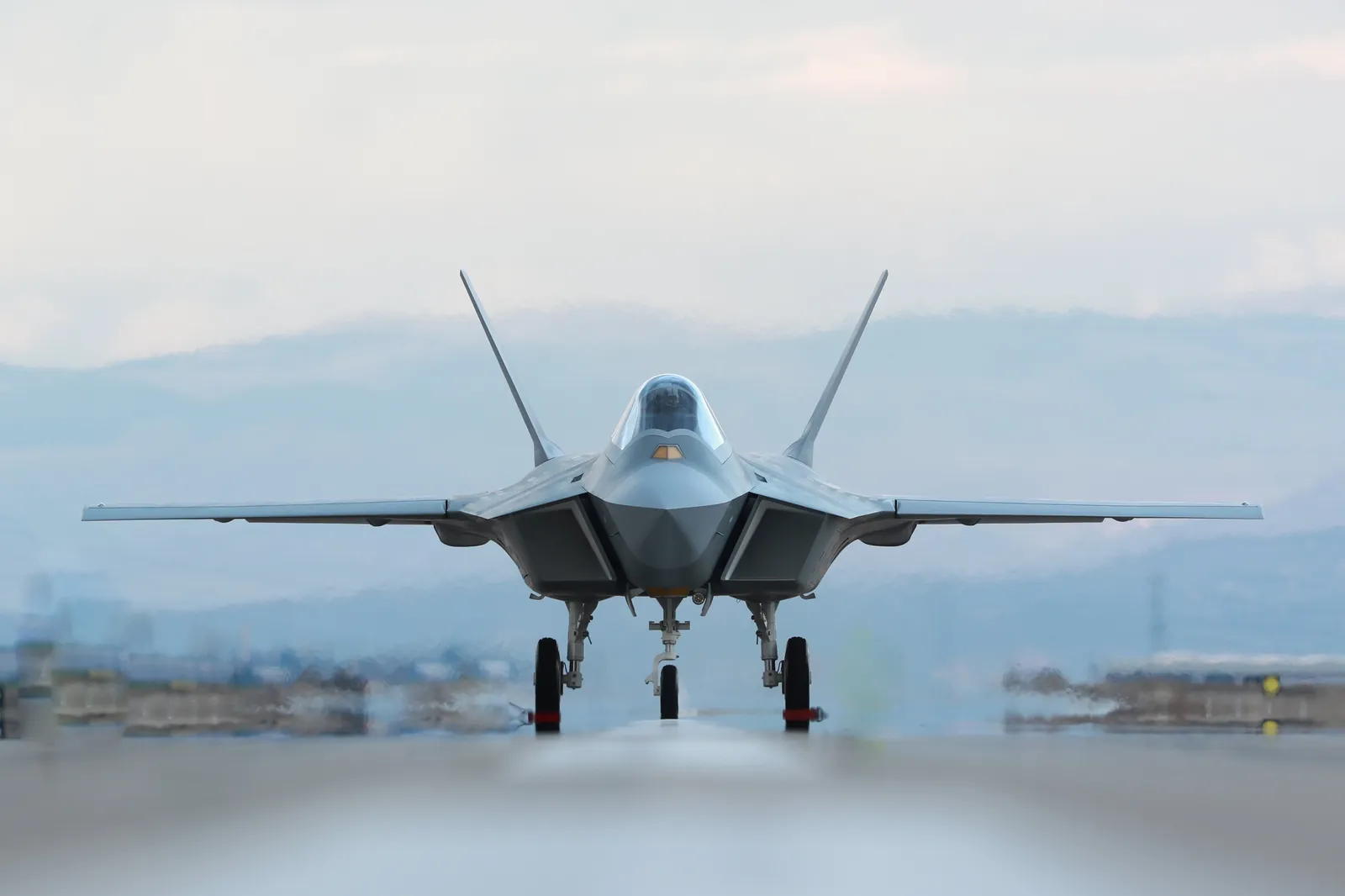
Most of KAAN’s technical specifications have not been officially disclosed. The verified data is limited: the aircraft, for which Turkish Aerospace (TAI) is prime contractor, is a fifth-generation, twin-engine, low-observable (stealth) fighter that made its first flight on 21 February 2024. The prototype flew on two General Electric F110 engines; the indigenous TEI TF-35000 is the target powerplant for serial production and is not yet ready. Range, speed and weapons capacity remain unconfirmed.
| KAAN — Technical Data Sheet (Verified / Undisclosed) | |
|---|---|
| Class | Fifth-generation fighter — MMU (National Combat Aircraft) |
| Prime contractor | Turkish Aerospace (TAI) |
| Configuration | Twin-engine, single-seat, low-observable (stealth) |
| First flight | 21 February 2024 (prototype) |
| Engine (prototype) | 2× General Electric F110 (afterburning turbofan) |
| Engine (target) | TEI TF-35000 — not yet ready |
| Radar | ASELSAN AESA (target; final figures not disclosed) |
| Weapons | Internal weapons bay planned; capacity not disclosed |
| Size / range / speed | Not officially disclosed |
What is actually known about KAAN’s technical specifications?
KAAN’s technical specifications are the most searched aspect of the programme, but caution is essential here. Values such as the aircraft’s range, top speed, ceiling, empty weight and weapons capacity have largely not been officially disclosed by Turkish Aerospace or the Presidency of Defence Industries (SSB). Many figures circulating publicly are open-source estimates rather than verified official data. This article keeps confirmed information separate from figures that remain unconfirmed.
The verifiable framework is this: KAAN is a fifth-generation fighter for which Turkish Aerospace (TAI) is prime contractor; it is designed to be twin-engine, single-seat and low-observable (stealth). The programme’s most concrete milestone is the prototype’s first flight on 21 February 2024. A significant share of the images seen in public are based on full-scale mockups displayed at exhibitions and events, and these should not be confused with the flying prototype.
KAAN’s engine, radar and weapon systems
KAAN’s subsystems can be summarised by their target and verified aspects as follows:
- Engine (prototype): The prototype flew on two General Electric F110 afterburning turbofans, a mature design also used on the F-16.
- Engine (target): An indigenous TEI TF-35000 turbofan is being developed for serial production; it is not yet ready and its final thrust figures are unconfirmed.
- Radar: An indigenous AESA (active electronically scanned array) radar is targeted, developed largely by ASELSAN. Final detection range and tracking capabilities have not been disclosed.
- Avionics and electronic warfare: Avionics, mission computer and electronic warfare systems are sourced mainly from ASELSAN.
- Weapons carriage: An internal weapons bay is planned to preserve the low radar signature; air-to-air (Gökdoğan / Bozdoğan) and air-to-ground munitions are planned via ROKETSAN and TÜBİTAK SAGE. Carriage capacity has not been officially disclosed.
- Stealth: A low radar signature is targeted through airframe shaping, the internal bay and material choices; no measured radar cross-section (RCS) value has been disclosed.
Several of these systems are still at the target stage; a targeted capability should not be confused with a verified one.
The table below separates KAAN’s technical specifications into verified values and those not officially disclosed. Dimension and performance figures found in open sources are estimates; unless confirmed by Turkish Aerospace they are not official data. Prototype data should not be taken as a serial-production value.
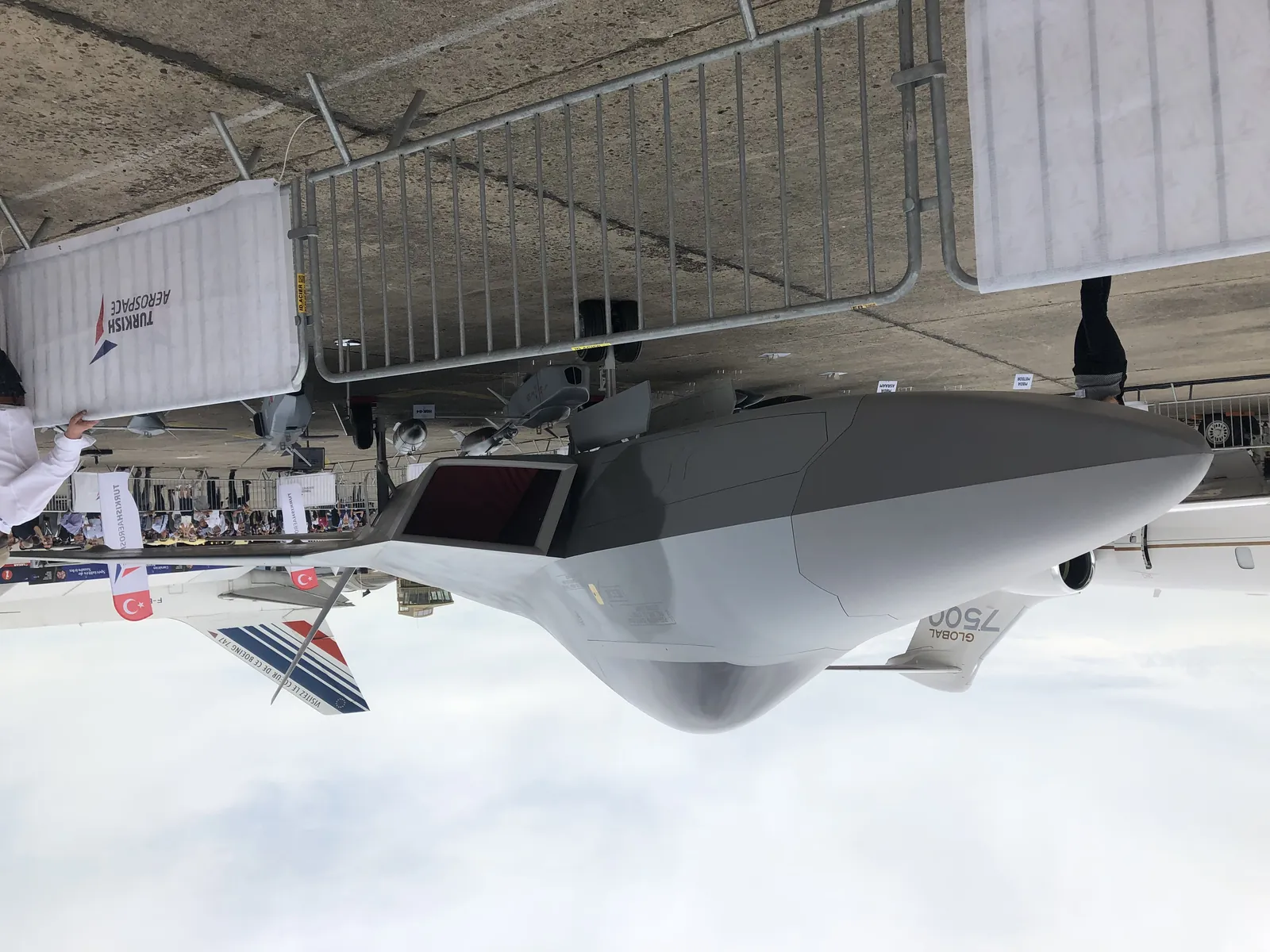
KAAN’s technical development is best read alongside the corporate scale of Turkish Aerospace. The indicators below are verified corporate figures surrounding the programme; the aircraft’s unit price and programme budget have not been officially disclosed.
Why is prototype data not a serial-production value?
When reading KAAN’s technical specifications, the most critical distinction is between the prototype and serial production. The prototype is the first article built for flight and system trials; the serial-production configuration may differ. The clearest example is the engine: the prototype flew on foreign General Electric F110 engines, while serial production targets the indigenous TEI TF-35000. Because the two engines can differ in thrust, fuel consumption and dimensions, the range or climb performance measured on the prototype cannot be treated as a definitive value for the production aircraft. The same uncertainty applies to radar, avionics and weapons integration. For this reason most of KAAN’s performance values have not been officially disclosed, and unconfirmed figures should not be presented as verified.
Role breakdown in KAAN’s specifications: which system comes from whom?
KAAN is the joint product of the Turkish defence ecosystem, not of a single company, and not all subsystems are Turkish Aerospace products. As prime contractor, Turkish Aerospace (TAI) is responsible for the aircraft’s design and for integrating the systems. Radar, avionics and electronic warfare are developed largely by ASELSAN, including the indigenous AESA radar. On the engine side TEI aims to develop the indigenous TF-35000, while the prototype used the GE F110. For munitions ROKETSAN and TÜBİTAK SAGE are involved; the Gökdoğan and Bozdoğan air-to-air missiles fall within this scope. HAVELSAN contributes on the software and simulation side. This breakdown matters when assessing KAAN’s technical capabilities: the platform and integration are indigenous, but some critical subsystems (notably the prototype engine) are foreign-sourced, and indigenisation remains a target.
Most of KAAN’s technical values — range, speed, ceiling, dimensions and weapons capacity — have not been officially disclosed. Figures found in open sources are estimates. The prototype flew on 21 February 2024, but prototype data is not a serial-production value. The indigenous engine (TEI TF-35000) is a target and is not yet ready. A share of the public images are full-scale mockups. Unconfirmed information should not be presented as verified.
Frequently Asked Questions
What are KAAN’s technical specifications?
KAAN is a fifth-generation, twin-engine, single-seat, low-observable (stealth) fighter; the prototype made its first flight on 21 February 2024. However, most values such as range, top speed, ceiling, dimensions and weapons capacity have not been officially disclosed. Figures found in open sources are estimates and are not official data confirmed by Turkish Aerospace.
How powerful is KAAN’s engine?
The KAAN prototype flew on two General Electric F110 afterburning turbofans, an engine also used on the F-16. The indigenous TEI TF-35000 is targeted for serial production, but that engine is not yet ready and its final thrust figures are unconfirmed. Precise thrust numbers specific to KAAN have not been officially disclosed.
What are KAAN’s dimensions (length, wingspan)?
KAAN’s length and wingspan have not been officially disclosed by Turkish Aerospace. Various size estimates appear in open sources, but these are not verified official values. The aircraft is designed as a large, heavy fighter consistent with the twin-engine fifth-generation class, though the exact figures remain unconfirmed.
What is the range of KAAN’s radar?
An indigenous AESA (active electronically scanned array) radar is targeted for KAAN, developed largely by ASELSAN. Values such as detection range and the number of simultaneous targets tracked have not been officially disclosed. A targeted capability should not be confused with a verified one at this stage of the programme.
Which missiles and munitions will KAAN carry?
KAAN is planned with an internal weapons bay to preserve its low radar signature. On the air-to-air side, TÜBİTAK SAGE’s Gökdoğan and Bozdoğan missiles are planned, and on the air-to-ground side ROKETSAN and SAGE munitions. However, the total weapons carriage capacity and integration timeline have not been officially disclosed; these are planned capabilities.
Is KAAN really stealth?
KAAN is designed to have a low radar signature (stealth) through airframe shaping, an internal weapons bay and material choices. However, the aircraft’s measured radar cross-section (RCS) value has not been officially disclosed. The term ‘stealth’ is relative rather than absolute; the design target is a low radar signature, and no verified RCS data has been shared publicly.
Why aren’t KAAN’s technical specifications fully disclosed?
KAAN is a programme still in development, and fighter technical values are generally shared only in limited form due to military secrecy. In addition, because prototype data can differ from serial-production values, disclosing unconfirmed figures early would be misleading. For this reason many values are given with the note ‘not officially disclosed’.
Sources
- Turkish Aerospace official corporate site — tusas.com (KAAN / MMU programme information)
- Presidency of Defence Industries (SSB) — MMU / KAAN statements
- Anadolu Agency / Daily Sabah — KAAN first-flight coverage (21 February 2024)
- TEI — TF-35000 engine statements
- ASELSAN / ROKETSAN / TÜBİTAK SAGE — subsystem statements
- Wikipedia — TAI TF Kaan entry (open source, with estimated values flagged separately)