Turkish Aerospace Jobs: Application and Interview Process

Applications for Turkish Aerospace (TUSAŞ) jobs are made through the official careers portal at kariyer.tusas.com. A typical process runs from online application and screening through technical and English interviews, an HR stage, a security check, and finally an offer. Steps and their order vary by position and hiring period, so treat the sequence below as a general guide rather than a fixed procedure.
| Turkish Aerospace application at a glance | |
|---|---|
| Company | Turkish Aerospace Inc. (TUSAŞ / TAI) |
| Where to apply | kariyer.tusas.com (official careers portal) |
| Main roles | Engineers, technicians, support and management |
| Typical stages | Application → screening → technical → English → HR → security → offer |
| English | Assessed for many roles |
| Security check | Standard for a defence employer |
| Main site | Kahramankazan, Ankara, Türkiye |
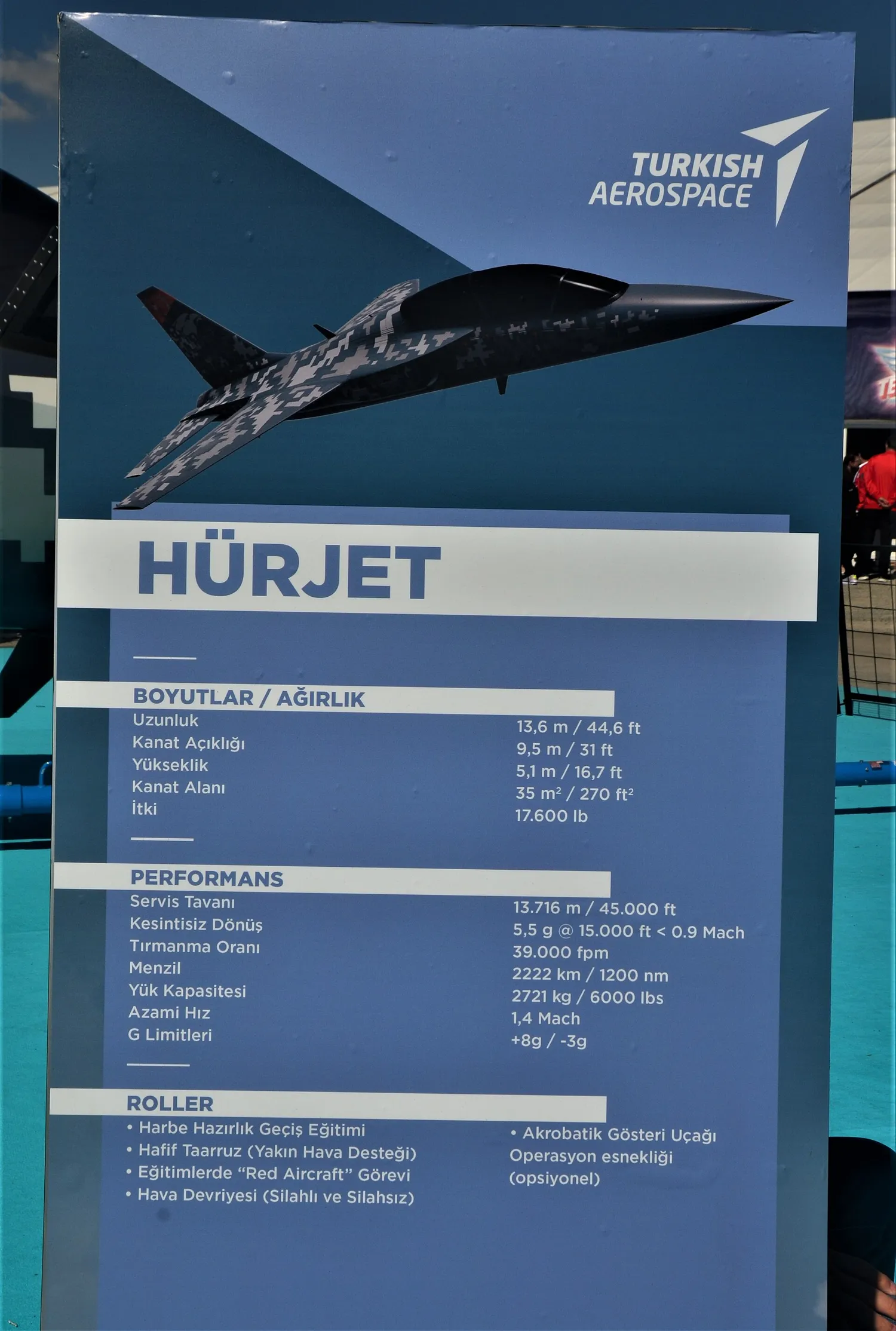
| Programmes | KAAN, HÜRJET, ANKA, GÖKBEY, satellites |
| Process note | Varies by position and period |
How do you apply for a job at Turkish Aerospace?
The single official channel is the company’s careers portal, kariyer.tusas.com. Candidates create a profile, upload a CV and apply to specific open positions; general applications can also be registered so that recruiters can match candidates to future openings. Turkish Aerospace also maintains a presence on professional networks and appears at career fairs and events such as Teknofest and IDEF, but the formal application still runs through the portal. Because the company recruits at scale for a workforce of roughly 17,000, postings cover a wide range: engineers across aerospace, mechanical, electrical-electronics, software, computer, industrial and materials disciplines; technicians for production, assembly, machining and quality; and support and management roles in areas such as procurement, planning, finance and human resources.
A strong application targets a specific posting, matches the CV to the stated requirements, and highlights relevant projects, internships and technical skills. For engineering roles, academic background, relevant coursework or thesis work, and any hands-on project or internship experience carry weight. English ability is worth flagging clearly, since it is assessed for many positions.
The interview and selection stages
While the exact flow depends on the role, a common sequence is:
- Application: apply to a posting via kariyer.tusas.com.
- Screening (pre-selection): recruiters review CVs against the requirements; some roles include tests or assessments.
- Technical interview: a discipline-specific interview assessing engineering or technical knowledge and problem-solving.
- English assessment: spoken and/or written English, given the international nature of aerospace work.
- HR interview: competencies, motivation, expectations and fit.
- Security check (güvenlik soruşturması): a background check appropriate to a defence employer.
- Offer: a written offer setting out salary, benefits and terms.
Not every role includes every stage, and the order can differ. The security check in particular is a defining feature of defence-sector recruitment and can add time to the overall timeline.
The table below outlines the typical application and interview stages with a short description of each. The sequence and inclusion of stages vary by position and hiring period.
Recruitment tracks the company’s growth. Turkish Aerospace ranked 47th in the Defense News Top 100 (2025 list) with about $2.2 billion in defence revenue and roughly 43 percent growth, sustaining steady hiring across engineering and technical roles.
Which departments recruit, and who they look for
Turkish Aerospace hires broadly because its programme portfolio spans fighters, trainers, helicopters, UAVs and satellites. Design and engineering units recruit aerospace, mechanical, electrical-electronics, software, computer, industrial and materials engineers. Production and manufacturing units hire technicians and technical staff for machining, composite work, assembly and quality control. Support functions — procurement, planning, finance, human resources, security and IT — recruit relevant specialists. New-graduate and internship pipelines feed engineering in particular, supported by cooperation with Turkish technical universities. Exact annual intake numbers by department are not officially disclosed, so candidates should watch the live postings on the portal rather than rely on fixed quotas.
Tips and what to expect on timing
Practical guidance for applicants: apply to specific, well-matched postings rather than sending a generic CV; prepare for a technical interview in your discipline and revisit fundamentals and any project work; and be ready to demonstrate English. Expect the security check to extend the timeline, since it is a mandatory step for a defence employer and is outside the recruiter’s direct control. Because processes differ by role and period, the number of stages and the total duration can vary considerably; the offer letter is where the concrete terms — salary, benefits, start date and work location — are finally set out. Turkish Aerospace does not publish standard processing times, so any timeline should be treated as approximate.
Apply for Turkish Aerospace jobs only through the official portal, kariyer.tusas.com. Expect a sequence of application, screening, technical and English interviews, an HR stage, a security check and finally a written offer. Stages and timing vary by role and period, and the security check in particular can extend the process.
Frequently asked questions
Where do I apply for Turkish Aerospace jobs?
Applications go through the official careers portal at kariyer.tusas.com, where you create a profile, upload a CV and apply to specific postings. The company also appears at career fairs and on professional networks, but the formal application runs through the portal. Beware of unofficial channels claiming to offer jobs.
What are the interview stages?
A typical sequence is application, screening, a discipline-specific technical interview, an English assessment, an HR interview, a security check and finally a written offer. Not every role includes every stage and the order can vary, so treat this as a general guide rather than a fixed procedure.
Is English required at Turkish Aerospace?
English is assessed for many roles because aerospace work is international, involving foreign suppliers, standards and documentation. The exact level required depends on the position. Demonstrating solid English — both technical reading and communication — strengthens an application, particularly for engineering roles.
What is the security check?
The security check (güvenlik soruşturması) is a background check appropriate to a defence employer and is a standard part of recruitment. It can add time to the overall process and is largely outside the recruiter’s control. It reflects the confidentiality requirements of working on national defence programmes.
Which roles does Turkish Aerospace recruit for?
The company recruits engineers across aerospace, mechanical, electrical-electronics, software, computer, industrial and materials disciplines; technicians for production, assembly, machining and quality; and support and management roles in procurement, planning, finance, HR and IT. It also runs internship and new-graduate programmes.
How long does the process take?
There is no published standard duration, and it varies by role and hiring period. The security check in particular can extend the timeline. Watch the portal for updates on your application status, and treat any timeline you hear as approximate rather than guaranteed.
Sources
- Turkish Aerospace careers portal — kariyer.tusas.com (official application channel)
- Turkish Aerospace official website — tusas.com (recruitment and programme information)
- Employee-shared accounts on career platforms (interview experience; estimates only)
- Defense News Top 100 (2025 list) — hiring context, ~$2.2B defence revenue
- Anadolu Agency / Daily Sabah — workforce and recruitment coverage, 2024-2025
- Wikipedia — Turkish Aerospace Industries (TAI) entry