How Many Employees Does Turkish Aerospace Have? (2024-2026)

Turkish Aerospace (TUSAŞ/TAI) employs roughly 17,000 people according to company communications from 2024-2025, of whom about 7,000 are engineers and about 6,000 are technicians. Some 2026 sources cite a figure of around 16,180. The workforce grew by roughly 10,000 people between 2015 and 2025, driven by the KAAN, HÜRJET, ANKA-3 and GÖKBEY programmes.
| Turkish Aerospace workforce at a glance | |
|---|---|
| Company | Turkish Aerospace Inc. (TUSAŞ / TAI) |
| Total employees | ≈17,000 (2024-2025 sources); ~16,180 in some 2026 sources |
| Engineers | ≈7,000 (2024-2025) |
| Technicians | ≈6,000 (2024-2025) |
| Growth 2015-2025 | From ~7,000 to ~17,000 (about +10,000) |
| Headquarters | Kahramankazan, Ankara, Türkiye |
| Founded | 28 June 1973 |
| CEO | Dr. Mehmet Demiroğlu (since 2023) |
| Careers portal | kariyer.tusas.com |
How many people work at Turkish Aerospace?
Company statements and press coverage from January 2024 through 2025 consistently put the Turkish Aerospace workforce at approximately 17,000 employees. Within that total, the company has cited roughly 7,000 engineers and 6,000 technicians, with the remainder made up of production, administrative, procurement and support staff. Some sources published in 2026 give a slightly lower figure of around 16,180, which is why any headcount for Turkish Aerospace should always be quoted with its reference period.
Whichever figure is used, the direction of travel over the past decade is clear. The company employed roughly 7,000 people in 2015; by 2024-2025 that number had climbed to about 17,000 — an increase of around 10,000 employees in ten years. That expansion tracks the ramp-up of Türkiye’s flagship aircraft programmes and makes Turkish Aerospace one of the largest defence and aerospace employers in the country. Most of the workforce is concentrated at the company’s main campus in Kahramankazan, Ankara, which houses design offices, production halls, composite facilities and flight-test infrastructure.
Workforce composition: engineers and technicians
Turkish Aerospace has an unusually engineer-heavy profile for a manufacturing company: engineers alone account for roughly 40 percent of the payroll based on the 2024-2025 figures. The broad composition breaks down as follows:
- Engineers (≈7,000): aerospace, mechanical, electrical-electronics, computer, software, industrial and materials engineers working on design, structural analysis, systems integration, avionics interfacing and flight testing.
- Technicians (≈6,000): skilled technical staff in machining, composite lay-up, assembly, quality control, tooling and maintenance across the production lines.
- Other personnel (≈4,000): programme management, procurement, planning, finance, human resources, security and support functions.
Figures such as the share of female employees or the average age of the workforce are not officially disclosed in a regularly published, audited format, so this article does not estimate them. What is well documented is the company’s steady recruitment of new engineering graduates each year, sustained by cooperation with Turkish technical universities and by the scale of ongoing aircraft, helicopter, UAV and space programmes.
The table below shows how the Turkish Aerospace headcount has evolved over the past decade, using only figures attributable to specific reference periods. Intermediate years are omitted where no verified figure is available.
Workforce growth has moved in step with revenue growth. Turkish Aerospace ranked 47th in the Defense News Top 100 (2025 list) with about $2.2 billion in defence revenue — roughly 43 percent annual growth — placing it among five Turkish companies on the list alongside ASELSAN, Baykar and ROKETSAN.
Why is hiring growing?
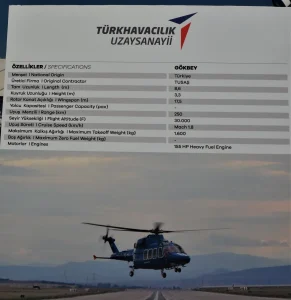
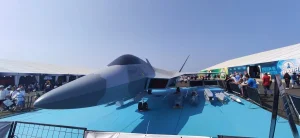
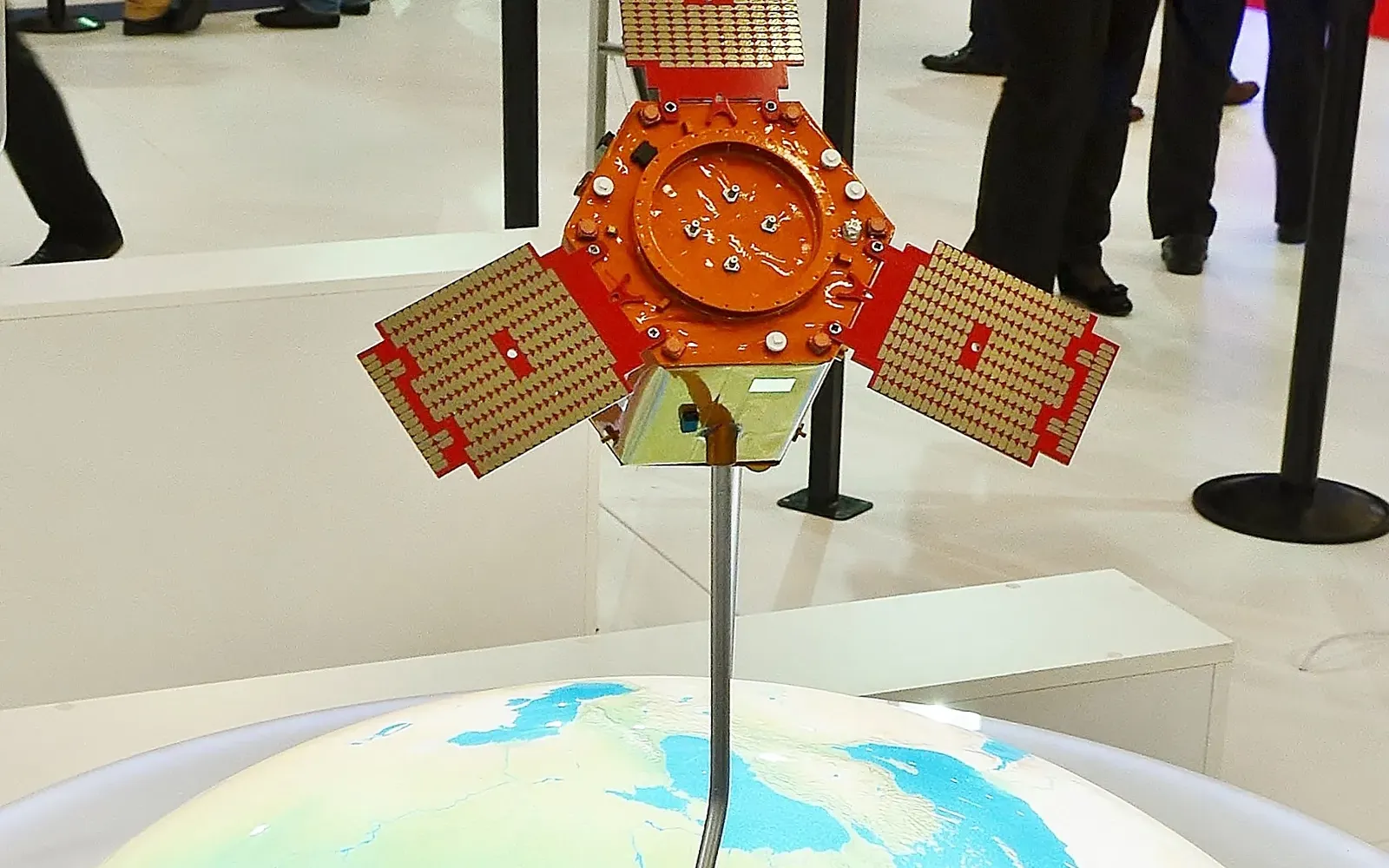
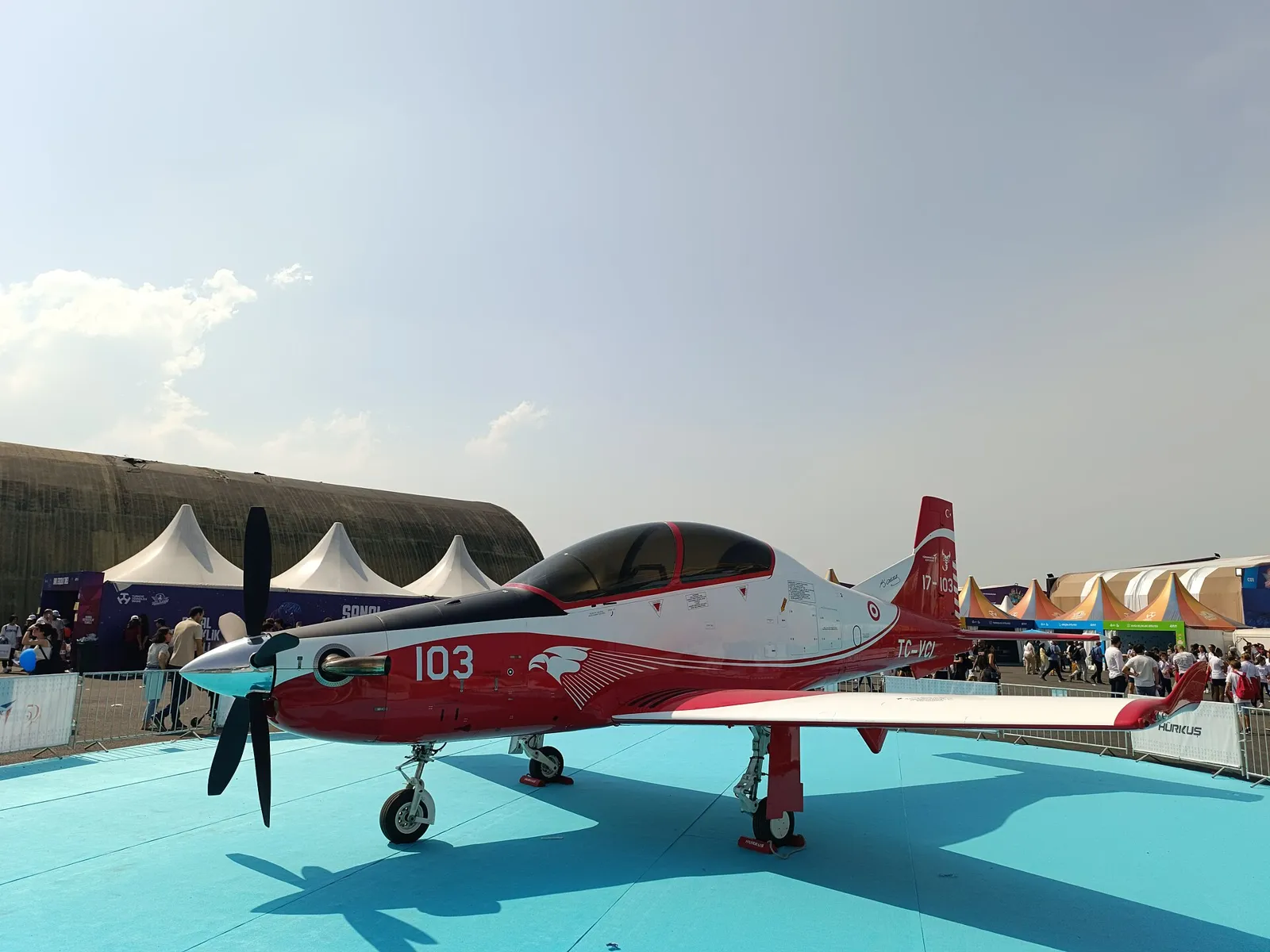
The single biggest driver of Turkish Aerospace recruitment is its programme portfolio. The KAAN fifth-generation fighter, Türkiye’s national combat aircraft, requires large teams across aerodynamics, structures, avionics integration and flight test. The HÜRJET jet trainer and light attack aircraft and the HÜRKUŞ turboprop trainer sustain parallel design and production lines. On the unmanned side, the ANKA family, the twin-engine AKSUNGUR and the flying-wing jet UAV ANKA-3 all demand engineering depth, while the T625 GÖKBEY utility helicopter, T129 ATAK and the T929 ATAK-2 heavy attack helicopter anchor the rotary-wing workforce. Space work — the GÖKTÜRK reconnaissance satellites, contributions to İMECE and TÜRKSAT 6A, and the company’s satellite integration and test centre — adds a further specialised layer. Structural work packages for Airbus and Boeing also keep composite and aerostructures teams busy. Moving several of these programmes from prototype toward serial production is labour-intensive, which explains the roughly 10,000-person expansion between 2015 and 2025.
How it compares with other Turkish defence companies
Turkish Aerospace is one of the largest employers in the Turkish defence and aerospace sector. Türkiye’s defence industry ecosystem includes several other major employers — ASELSAN in electronics, radar and avionics, ROKETSAN in missiles and munitions, and Baykar in unmanned aircraft — but published, directly comparable headcount figures for the same reference periods are not consistently available, so this article does not rank them by employee numbers. What can be said with confidence is that Turkish Aerospace’s roughly 17,000-strong workforce (2024-2025) places it firmly among the sector’s biggest employers, and that these companies are collaborators as much as peers: ASELSAN supplies much of the avionics and radar on TUSAŞ platforms, TEI and foreign suppliers provide engines, HAVELSAN contributes software and simulation, and ROKETSAN and TÜBİTAK SAGE supply munitions. Turkish Aerospace acts as the platform prime contractor within that ecosystem.
Turkish Aerospace employs about 17,000 people per 2024-2025 sources — roughly 7,000 engineers and 6,000 technicians — after adding around 10,000 employees between 2015 and 2025. Always check the reference date when quoting a headcount: some 2026 sources cite ~16,180.
Frequently asked questions
How many employees does Turkish Aerospace have?
According to company communications from January 2024 and 2025, Turkish Aerospace employs approximately 17,000 people. Some sources published in 2026 cite a figure of around 16,180. Because the number changes with hiring cycles and reporting dates, any headcount should be quoted together with its reference period.
How many engineers work at Turkish Aerospace?
Roughly 7,000 of the company’s approximately 17,000 employees are engineers, based on 2024-2025 figures. They span aerospace, mechanical, electrical-electronics, software, computer, industrial and materials engineering, working on programmes such as KAAN, HÜRJET, ANKA-3 and the T625 GÖKBEY helicopter.
How many technicians does the company employ?
About 6,000 technicians work at Turkish Aerospace per 2024-2025 sources. They handle machining, composite manufacturing, aircraft assembly, tooling, maintenance and quality control across the company’s production lines at the Kahramankazan campus near Ankara.
Is Turkish Aerospace still hiring and growing?
The long-term trend has been strong growth: the workforce expanded from about 7,000 in 2015 to roughly 17,000 by 2024-2025, an increase of around 10,000 people. Ongoing programmes such as KAAN, HÜRJET, ANKA-3 and GÖKBEY continue to drive demand for engineers and technicians, though year-to-year headcount can fluctuate.
Which degrees does Turkish Aerospace recruit for?
The company primarily recruits graduates in aerospace, mechanical, electrical-electronics, computer, software, industrial and materials engineering, alongside vocational and technical school graduates for technician roles. Support functions hire in fields such as business administration, finance and supply-chain management. Specific annual intake numbers are not officially disclosed.
Where is Turkish Aerospace headquartered?
Turkish Aerospace is headquartered in Kahramankazan, a district of Ankara, Türkiye. The main campus concentrates the bulk of the workforce and includes design offices, production and assembly halls, composite manufacturing facilities, a satellite integration and test centre, and flight-test infrastructure.
How can I apply for a job at Turkish Aerospace?
Applications are made through the company’s official careers portal at kariyer.tusas.com, which lists open positions for engineers, technicians and support staff, as well as internship and new-graduate programmes. Candidates create a profile and apply to specific postings; recruitment steps typically include assessments and interviews.
Sources
- Turkish Aerospace official website — tusas.com (corporate and programme information)
- Turkish Aerospace careers portal — kariyer.tusas.com
- Defense News Top 100 (2025 list) — Turkish Aerospace ranked 47th, ~$2.2B defence revenue
- Anadolu Agency / Daily Sabah — workforce and growth coverage, 2024-2025
- Wikipedia — Turkish Aerospace Industries (TAI) entry