France’s Military Strength: Carrier, Rafale and Nuclear Power (2026)

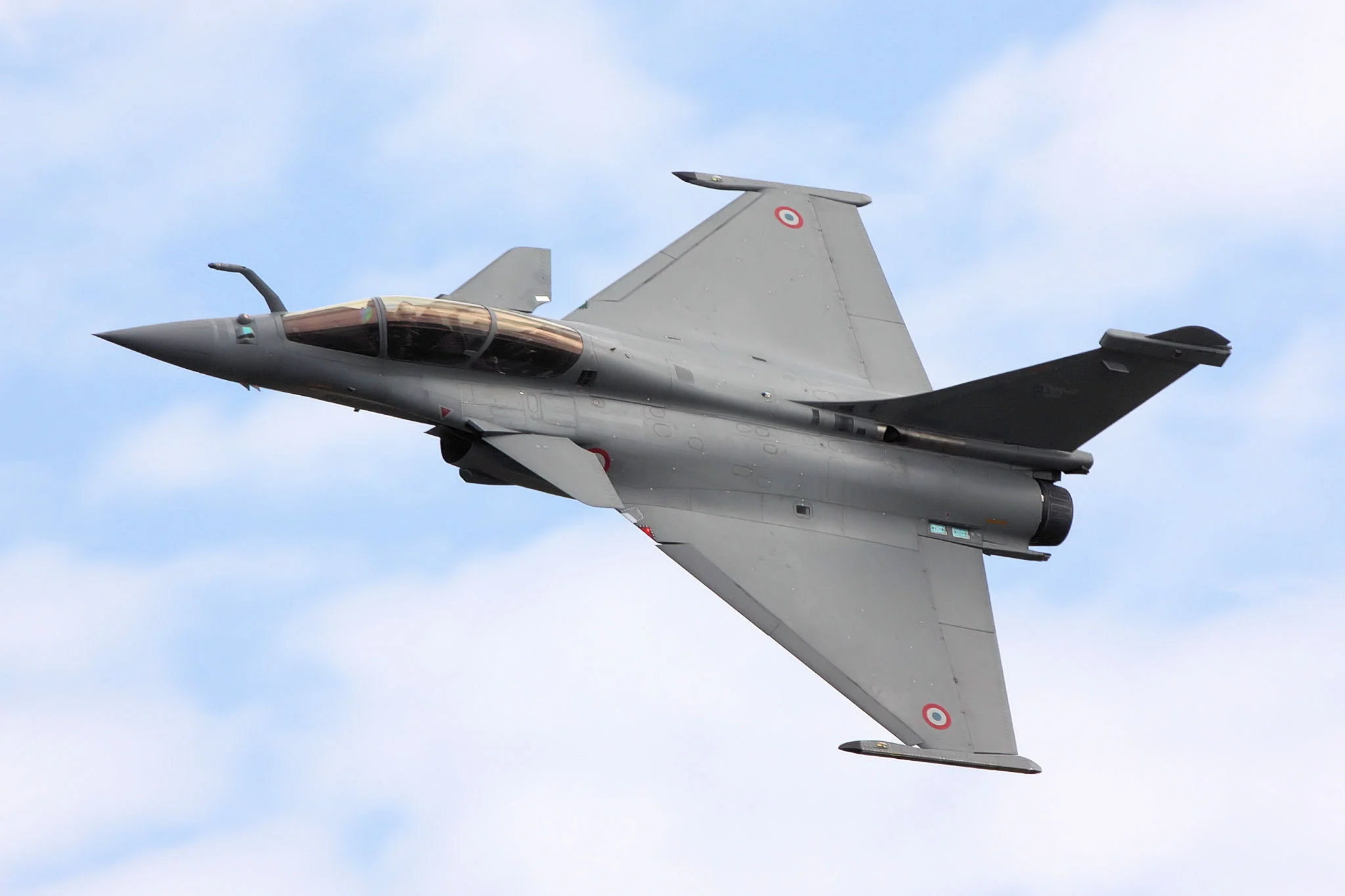
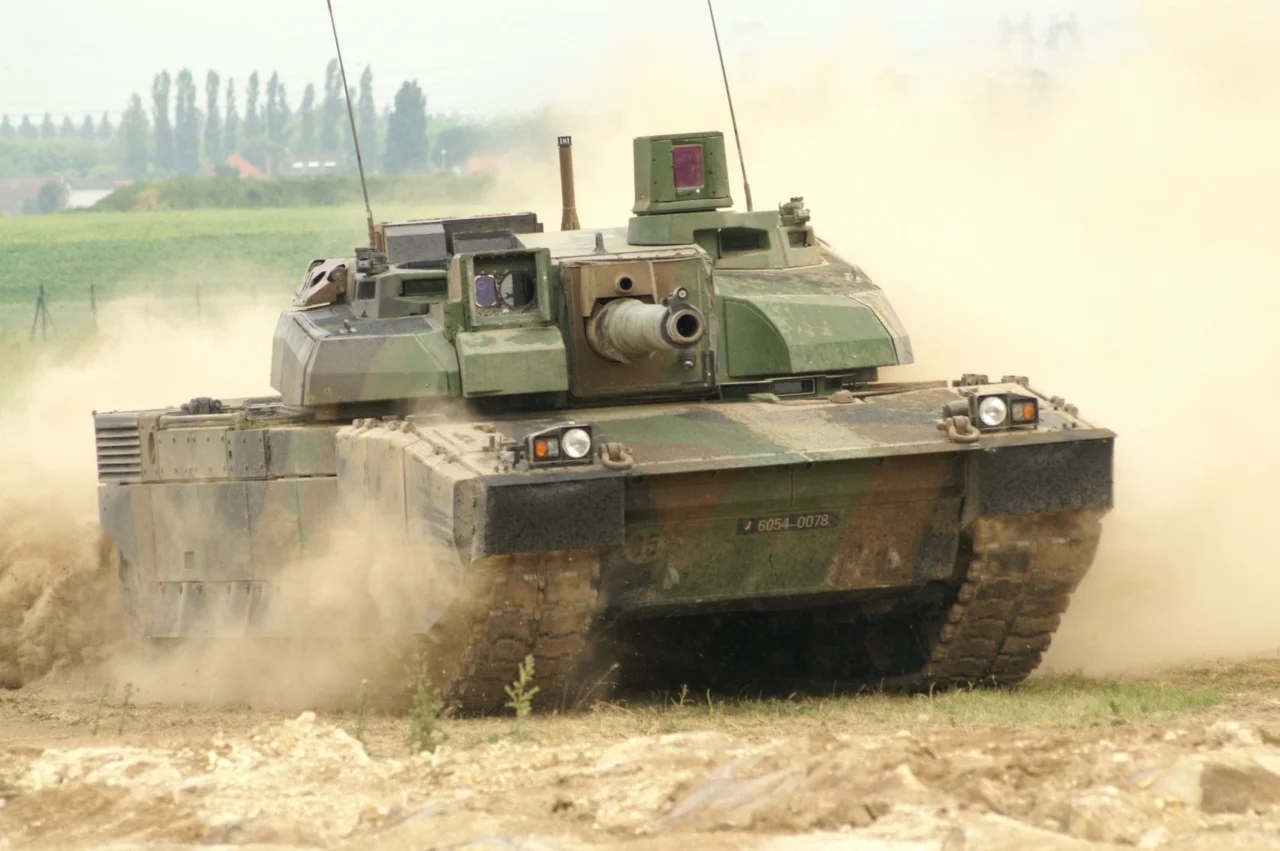
France’s military inventory rests on an independent nuclear deterrent and a strong indigenous industry. The Charles de Gaulle, Europe’s only nuclear-powered carrier, Rafale fighters, Leclerc tanks and the M51 submarine-launched ballistic missile make it an actor that guards its strategic autonomy.
At a Glance
- Active personnel: ≈ 205.000
- Main battle tanks (Leclerc): ≈ 220
- Military aircraft (total): ≈ 1.000
- Aircraft carrier (nuclear): 1 (Charles de Gaulle)
- Nuclear deterrent: Independent (M51 SLBM)
- Key fighter: Rafale
Note: The inventory figures below are approximate values drawn from open sources such as Global Firepower, the IISS Military Balance and SIPRI.
About the France Armed Forces
Although a NATO member, the French Armed Forces place great weight on strategic autonomy thanks to an independent nuclear deterrent (force de frappe). Army, Air and Space, and Navy form a balanced structure.
Almost the entire inventory is the product of the indigenous industry (Dassault, Naval Group, Nexter/KNDS, Thales, MBDA), giving France full independence in procurement.
Land Forces Inventory
| System type | Est. quantity |
|---|---|
| Main battle tanks (Leclerc) | ≈ 220 |
| Armoured fighting vehicles (VBCI, Griffon, Jaguar) | ≈ 3.000 |
| Howitzers (Caesar 155 mm) | ≈ 100 |
| MLRS (LRU) | ≈ 13 |
Air Force Inventory
| Platform | Est. quantity |
|---|---|
| Total military aircraft | ≈ 1.000 |
| Fighters (Rafale, Mirage 2000) | ≈ 250 |
| Transport / tanker (A400M, A330 MRTT) | ≈ 130 |
| Helicopters (Tiger, NH90, Caracal) | ≈ 460 |
Missile and Air-Defence Systems
| System | Type / Note |
|---|---|
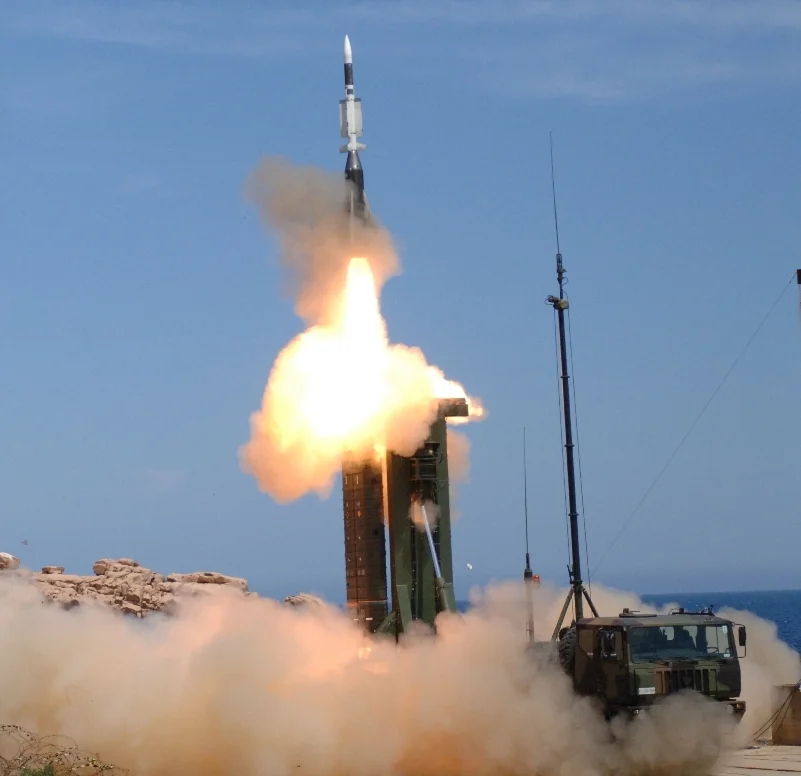
| SAMP/T (Aster 30) | Long-range air defence |
| M51 | SLBM |
| ASMP-A | Nuclear-tipped cruise missile |
| SCALP / Exocet | Cruise / anti-ship missile |
Naval Power
| Class / Type | Est. quantity |
|---|---|
| Total naval platforms | ≈ 130 |
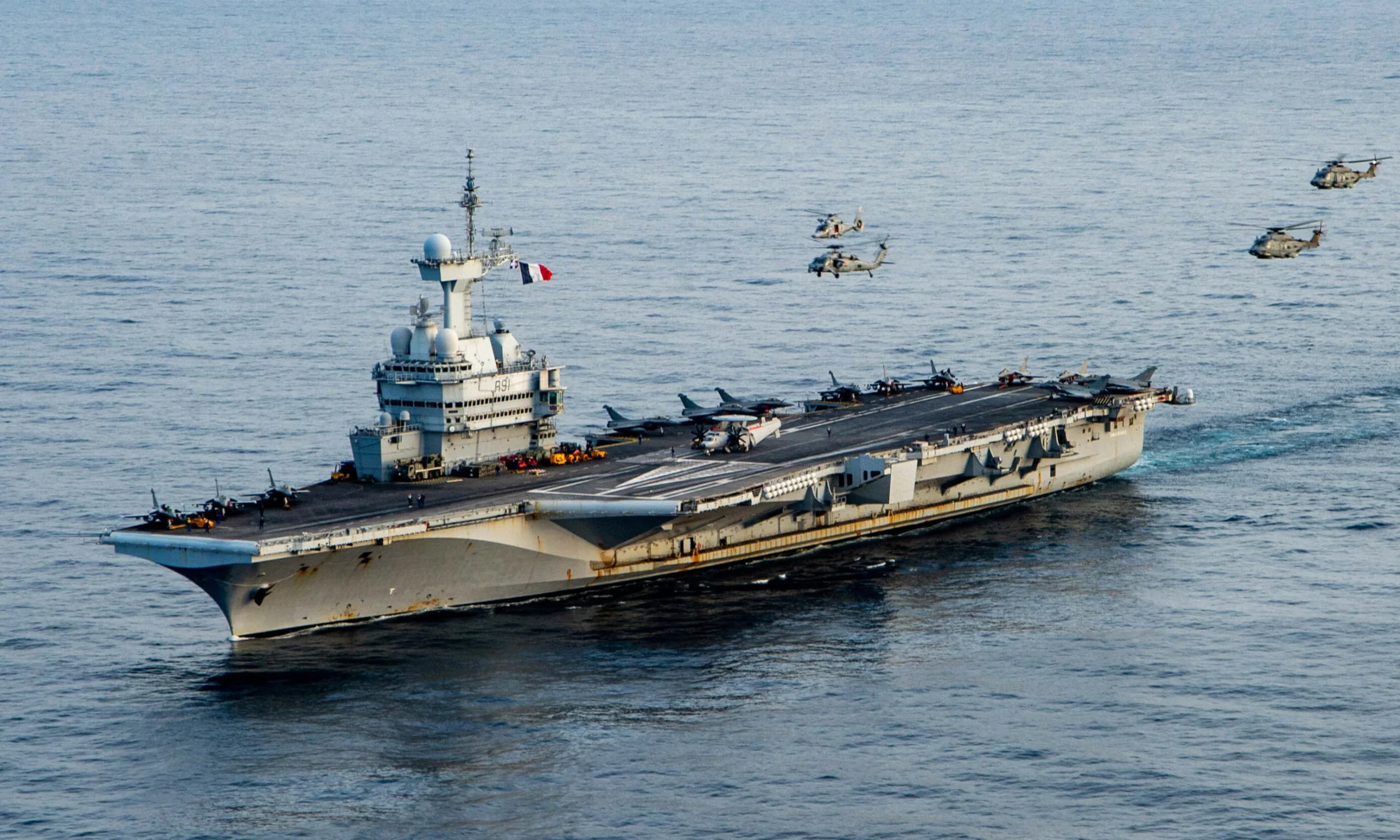
| Aircraft carrier (Charles de Gaulle) | 1 |
| Submarines (Triomphant SSBN, Suffren SSN) | ≈ 10 |
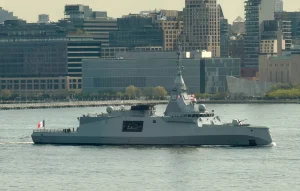
| Frigates (FREMM, Horizon) | ≈ 19 |
The Turkey Angle: Turkish Defence Industry
Despite being a NATO ally, France has in recent years pursued an at-times tense rivalry with Turkey over the Eastern Mediterranean, Libya and the South Caucasus. The two countries’ comparable products often meet in the same export markets.
In air defence, the Franco-Italian SAMP/T plays a role similar to Turkey’s indigenous SİPER. Turkey’s indigenous development of long-range air defence is partly a product of the same search for strategic autonomy in critical systems — much like the path France has followed for decades.
Frequently Asked Questions
How many carriers does France have? One nuclear-powered carrier (Charles de Gaulle), with work under way on a next-generation ship.
Is France’s nuclear force independent? Yes; France has a fully national deterrent (M51 SLBM, ASMP-A) independent of NATO’s nuclear-sharing arrangements.
Why does the Rafale stand out? It combines a broad mission set — from air defence to nuclear strike — in a single, export-successful multirole fighter.
Bottom Line
With an independent nuclear deterrent, a carrier and a fully indigenous industry, France represents strategic autonomy within NATO. For Turkey it is both a competing ally and a notable benchmark on indigenous production and strategic autonomy.