Northrop Grumman Wins $79.6 Million F-16 Radar Deal as US Air Force Pushes 450 Jets to AESA

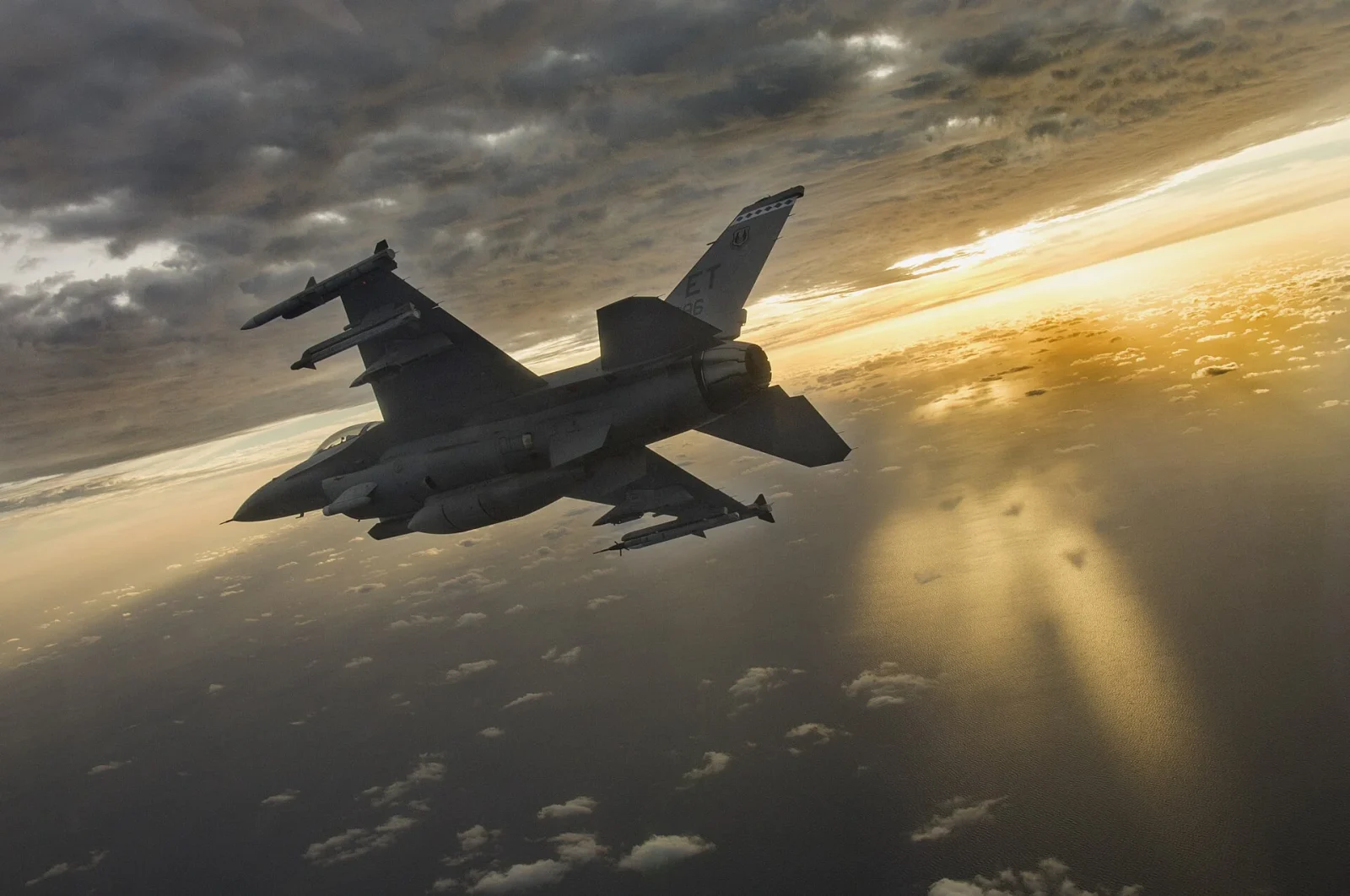
The U.S. Air Force has given Northrop Grumman a $79,608,480 contract modification to continue fitting F-16C/D fighters with AESA radar. Managed by the Air Force Life Cycle Management Center at Wright-Patterson Air Force Base, the award was signed on October 22 and made public on November 13.
The work covers installation of the AN/APG-83 Scalable Agile Beam Radar (SABR), an Active Electronically Scanned Array system, replacing the older mechanically scanned AN/APG-68. Work will take place at Northrop Grumman’s facility in Linthicum Heights, Maryland, and run through December 31, 2027.
The modification lifts the contract’s cumulative value from roughly $1.98 billion to about $2.06 billion. Of the new funding, $65.4 million is procurement money and $14.2 million is for research, development, test and evaluation; all of it was obligated at the time of award and spans fiscal years 2025 through 2027.
The award does not add new radar units to the program. Instead, it funds the continuation of Phase 3 of the modernization effort, which is upgrading radars on 450 active-duty and Air National Guard F-16s. The Air Force has framed the effort as a way to keep the F-16 fleet viable well into the 2030s.
The APG-83 fits into the same physical space inside the F-16’s nose as the older mechanical radar, which means the upgrade avoids a major structural overhaul of the airframe. The system gives pilots the ability to track multiple targets simultaneously, reduces the aircraft’s detectability in contested electronic environments, and shares some sub-components with the AN/APG-81 radar flown on the F-35.
Northrop Grumman has delivered hundreds of APG-83 units to date. A previous modification in mid-2025 covered 31 additional radars for about $88.24 million, while a separate award signed in December, covering up to 372 radars, exceeded $1 billion. Together, the figures point to a program that has grown steadily and incrementally over several budget cycles rather than in one large burst.
The shift to AESA radar on the F-16 is not only a U.S. Air Force story. More than 25 countries operate F-16s, and many are weighing or already executing similar radar upgrades on their own fleets. NATO members with large F-16 inventories, Türkiye among them, track the pace of the U.S. program as a reference point for their own modernization timelines, since SABR’s maturity indirectly affects export licensing and unit costs for allied customers buying new-build F-16V jets.
The program’s financial scale reflects the simple fact that the F-16 remains the Air Force’s largest fighter fleet by aircraft count. Even as F-35 deliveries continue, the service is running radar, avionics and structural life-extension investments on 450 F-16s in parallel, aiming to carry those jets well past the next decade.
The APG-83 SABR itself traces back to a Northrop Grumman-funded development effort launched in 2007 for the Air National Guard, with the radar first fielded on Guard F-16 Block 30/32 aircraft in the 2010s before spreading to active-duty units and the export-oriented F-16V, now ordered by Taiwan, Bahrain, Slovakia and Bulgaria among others.
The Air Force Life Cycle Management Center, which administers the contract, has indicated that similar radar modernization awards will continue in coming fiscal years, with priority going to completing the current 450-aircraft scope rather than expanding the quantity further.
Sources
- U.S. Department of Defense daily contract announcement (award signed October 22, 2026; announced November 13, 2026) — primary source for the contract value, funding breakdown and completion date. https://www.defense.gov/News/Contracts/
- Army Recognition, “US Air Force Awards Northrop Grumman $79.6 Million for F-16 AN/APG-83 AESA Radar Modernization” (November 14, 2026, by Jérôme Brahy) — used for programmatic context and SABR technical detail. https://www.armyrecognition.com/
- Air & Space Forces Magazine / Military Aerospace, archived coverage of earlier SABR contract phases — used to compare the program’s historical scale. https://www.airandspaceforces.com/