Ukraine’s Biggest Overnight Raid: 47 Targets, Two Fuel Tankers and Two S-400s Hit

- What: A simultaneous deep-strike drone raid on 47 military targets
- When: Night of July 6, 2026
- Who: Ukraine’s Unmanned Systems Forces — commander Maj. Robert ‘Madyar’ Brovdi
- Top targets: 2× Project 15781 fuel tankers (~7,000 tons each, Taganrog→Crimea)
- Fuel infrastructure: A storage facility in Kerch
- Air defense: 2× S-400 Triumf (Crimea/Hlazivka and Bryansk/Kosenki) + 1× Nebo-U long-range radar
- The logic: Fuel is the lifeline of air, ground and naval operations on the peninsula
Ukraine keeps shifting the war’s center of gravity toward unmanned systems, and on the night of July 6 it staged one of the most striking examples yet. In a single coordinated operation, the country’s Unmanned Systems Forces hit 47 military targets deep behind Russian lines. Commander Maj. Robert “Madyar” Brovdi described it as “a coordinated effort against critical military infrastructure supporting Russia’s war effort.”
47 Targets in One Night
The most notable targets were two Project 15781 fuel tankers moving through the Sea of Azov, each carrying about 7,000 tons of fuel along the resupply line from Taganrog to Crimea. Ukraine said it also hit a fuel storage facility in Kerch the same night. The choice is no accident: fuel depots form the logistical artery sustaining aviation, ground forces and naval operations across the peninsula, and cutting that artery directly throttles Russian mobility at the front.
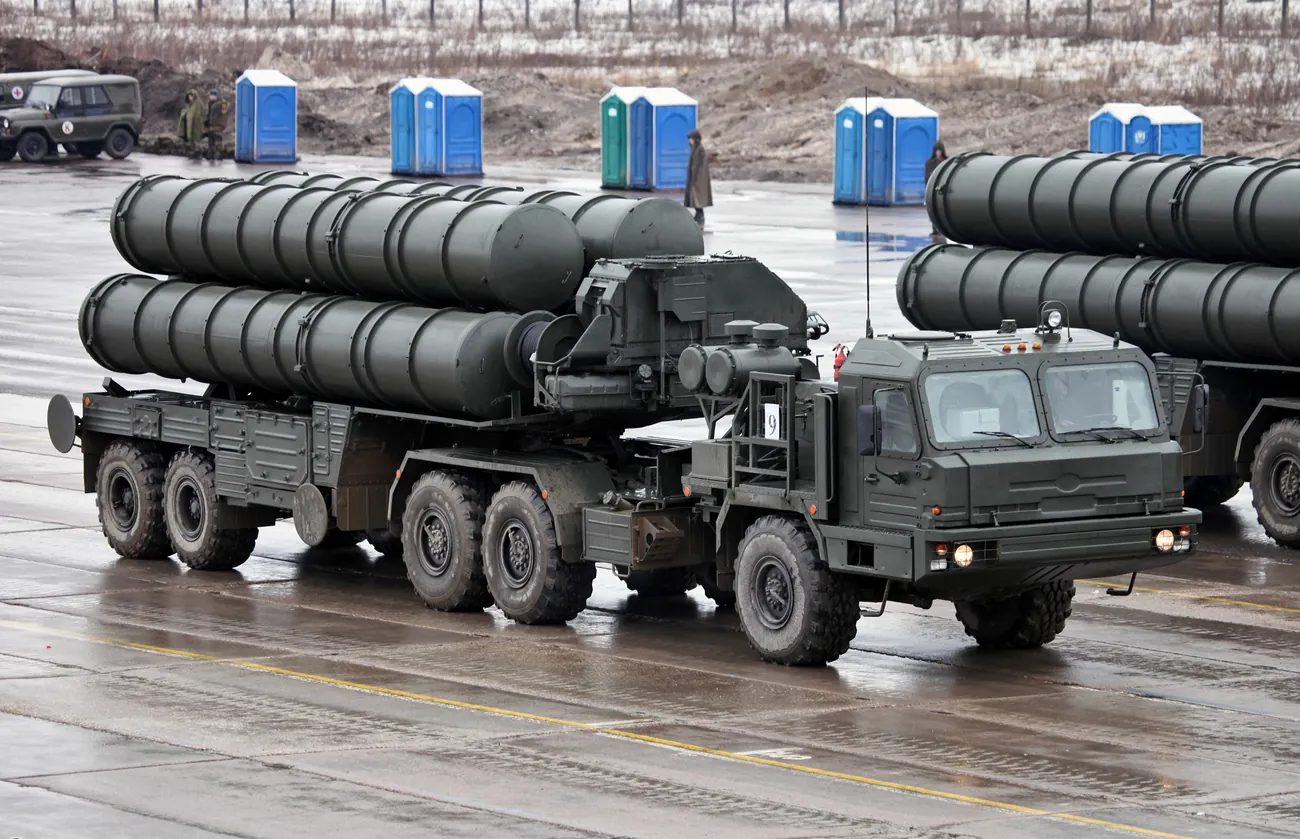
The raid reached beyond logistics to the shield protecting it. Two S-400 Triumf air-defense systems — near Hlazivka in Crimea and Kosenki in Russia’s Bryansk region — along with a Nebo-U long-range radar near Kerch, part of the integrated air-defense network, were reported destroyed. Ukraine claimed those S-400 batteries had previously been used to launch missiles at its cities, giving the targeting both a military and a symbolic edge.
Choking Crimea’s Fuel Line
The operation fits a broader doctrine Ukraine has embraced in recent months: instead of expensive missiles, use mass-produced, relatively cheap drones to systematically erode high-value but fragile targets deep in enemy territory — refineries, fuel depots, radars and air-defense batteries. Kyiv did not disclose how many drones were used, but the nature of the targets shows an operation architected to strangle the supply chain rather than a random salvo.
| Target Reported Destroyed | Location | Note |
|---|---|---|
| 2× Project 15781 fuel tankers | Sea of Azov | ~7,000 tons each |
| Fuel storage facility | Kerch | Crimea resupply line |
| 2× S-400 Triumf systems | Hlazivka / Kosenki | Long-range air defense |
| Nebo-U radar | Near Kerch | Integrated air-defense net |