KAAN Rivals: F-35 vs KF-21 vs Su-57 Fighters Compared (2026)

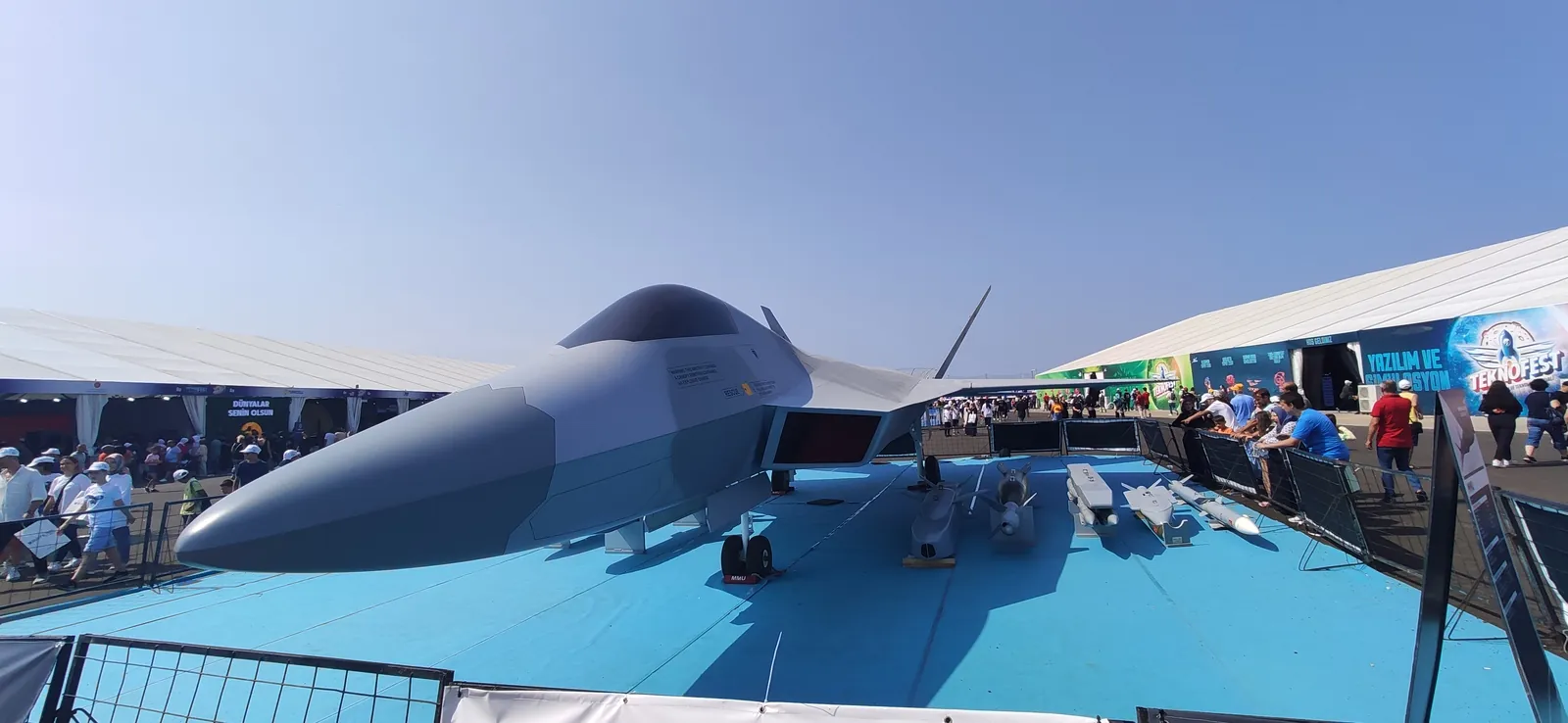
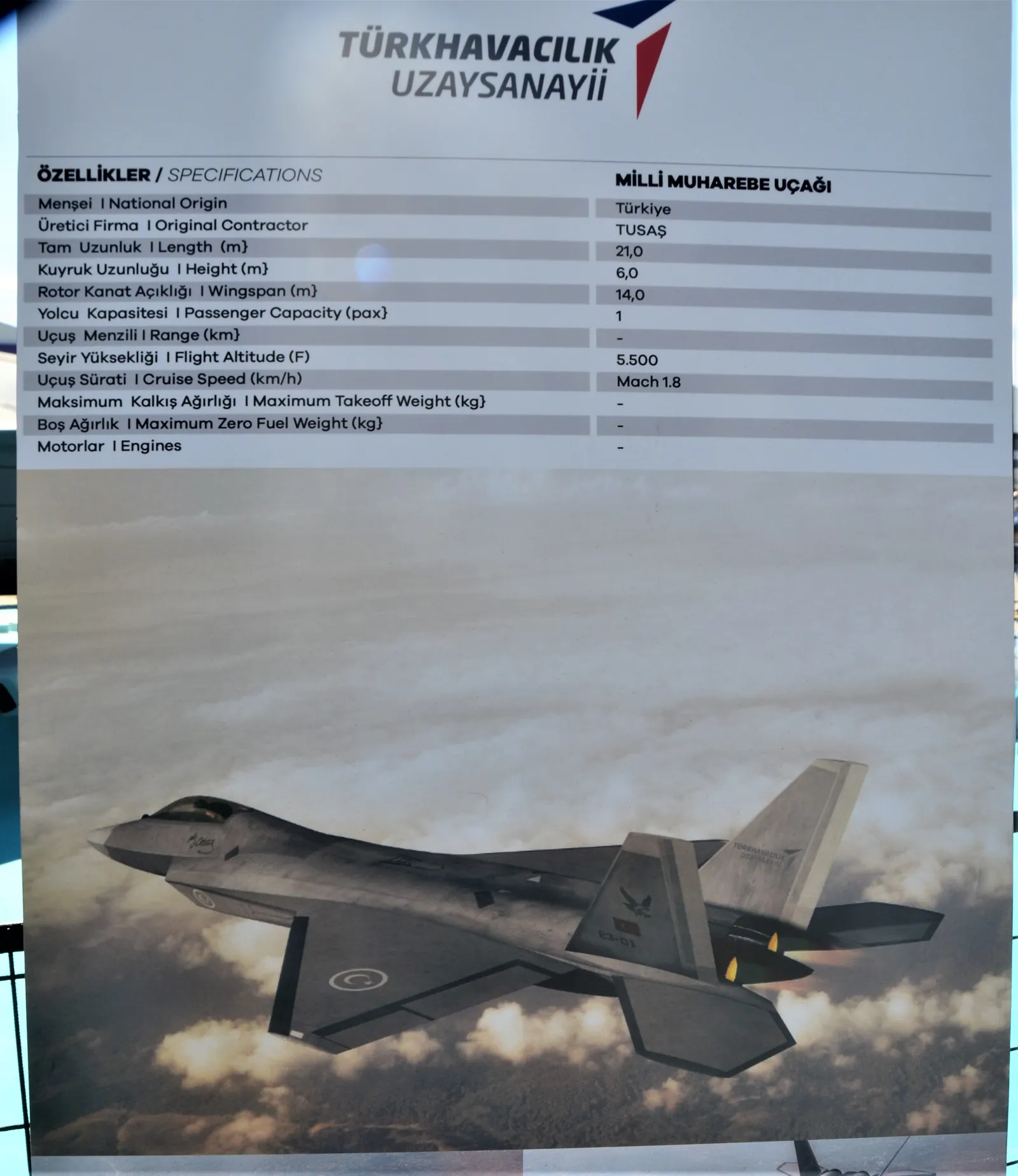
KAAN’s rivals are the leading programs in the 5th-generation fighter class: the U.S. F-35 Lightning II, South Korea’s KF-21 Boramae and Russia’s Su-57 Felon. Of these, only the F-35 and Su-57 are in operational service; KAAN made its first flight on 21 February 2024 and is a prototype still in development. KAAN is a twin-engine, low-observable (stealth) aircraft for which Turkish Aerospace is the prime contractor. Any rival comparison must keep KAAN’s verified program status separate from performance figures that have not yet been officially disclosed.
| KAAN and Its Rivals — Comparative Snapshot | |
|---|---|
| KAAN (Turkey) | Turkish Aerospace — 5th-gen, twin-engine, in development |
| F-35 Lightning II (USA) | Lockheed Martin — 5th-gen, single-engine, operational since 2015 |
| KF-21 Boramae (S. Korea) | KAI — 4.5-gen, twin-engine, testing / early production |
| Su-57 Felon (Russia) | Sukhoi — 5th-gen, twin-engine, limited operational service |
| KAAN engine (prototype) | 2× General Electric F110; indigenous TEI TF-35000 is the target |
| KAAN radar | ASELSAN indigenous AESA radar (in development) |
| KAAN weapons carriage | Largely internal weapons bay (stealth target) |
| KAAN exact performance | Range / speed / payload not officially disclosed |
Who are KAAN’s rivals?
KAAN is a program developed in the 5th-generation fighter class, so its rivals are aircraft of the same class. On the international stage, KAAN is most often measured against three programs: the U.S. F-35 Lightning II, South Korea’s KF-21 Boramae and Russia’s Su-57 Felon. China’s J-20 and future 6th-generation programs such as GCAP and NGAD occasionally enter the comparison. But the aircraft KAAN is compared with most frequently are the F-35, KF-21 and Su-57, developed in a similar timeframe or aimed at overlapping export markets.
The critical distinction in any such comparison is program maturity. The F-35 has been operational since 2015 and, with more than 1,000 built, is the most widely fielded 5th-generation fighter; the Su-57 serves in limited numbers; the KF-21 is in testing and early production; and KAAN is a prototype that first flew in 2024 and has not yet entered serial production. For that reason, when KAAN is set against its rivals, its targeted capabilities must be read separately from the rivals’ proven operational capabilities.
How does KAAN stand apart from its rivals?
A handful of core design choices both distinguish KAAN from its rivals and align it with them:
- Twin engines: Unlike the single-engine F-35, KAAN has two engines, which puts it closer to the Su-57 and KF-21. A twin-engine layout offers higher thrust and redundancy.
- Prototype engines: KAAN prototypes fly on 2× General Electric F110 turbofans, the same engine family used on the F-16; the indigenous TEI TF-35000 is targeted for serial production but is not yet ready. The F-35 uses a single F135, while the KF-21 uses 2× F414.
- Internal weapons bay: To reduce its radar signature, KAAN aims to carry weapons largely in an internal bay, the same stealth logic as the F-35 and Su-57. Early KF-21 blocks carry weapons externally, with an internal bay planned for later blocks.
- Indigenous avionics: KAAN’s radar and avionics are developed largely by ASELSAN, a choice that stands out for export potential and national independence.
KAAN’s exact stealth cross-section, range, speed and payload have not been officially disclosed by Turkish Aerospace or the Presidency of Defence Industries (SSB); figures circulating in the public domain are estimates and do not count as official data for a one-to-one comparison with rivals.
The table below compares KAAN with its leading rivals on verified design and program information. Some values in the KAAN column are targets; figures such as range, speed, payload and radar cross-section have not been officially disclosed. A prototype’s first flight should not be treated as a serial-production standard.
The KAAN program should be read alongside the institutional capacity of its manufacturer, Turkish Aerospace. The indicators below are verified corporate figures surrounding the program; KAAN’s unit cost and program budget have not been officially disclosed.
KAAN vs F-35: the most common comparison
The aircraft KAAN is compared with most often is the world’s most widely fielded 5th-generation fighter, the F-35 Lightning II. Built by Lockheed Martin, the F-35 has been operational since 2015 and has been produced in more than 1,000 units and exported to dozens of countries. It is single-engine (P&W F135), single-seat, and pairs mature sensor fusion with network-centric warfare capability. Turkey was originally a partner in the F-35 program but was removed in 2019 over its purchase of the S-400 air defense system. That removal is widely seen as one of the developments that raised the strategic importance of the KAAN program. KAAN differs from the F-35 in its twin-engine design; yet while the F-35 is a proven, serially produced aircraft used on combat missions, KAAN is still in development. To compare the two head-to-head, KAAN’s exact data would be needed, and it has not been officially disclosed, so any comparison must account for the gap in maturity.
KAAN vs KF-21 and Su-57: timing and class
The KF-21 Boramae, developed by South Korea’s KAI, is the program that most closely tracks KAAN on timing, having made its first flight in 2022. The KF-21 is generally classified as “4.5-generation”: its early blocks carry weapons on external stations, with a full internal weapons bay planned for later blocks, so it follows a phased path rather than full stealth from the outset. Indonesia is a partner in the program. The Su-57 Felon, built by Russia’s Sukhoi, is a 5th-generation aircraft in limited operational service; it is noted for supermaneuverability, though its stealth level is debated in international sources. KAAN shares the same design philosophy as these two aircraft with its twin-engine, internal-weapons-bay layout, but while KAAN is still at the prototype stage, the KF-21 is in testing / early production and the Su-57 is operational. In any comparison, KAAN’s targeted capabilities should be weighed separately from the proven status of its rivals.
KAAN sits in the same 5th-generation fighter class as the F-35, KF-21 and Su-57, but the F-35 and Su-57 are operational, the KF-21 is in testing, and KAAN is still a prototype in development. KAAN’s exact range, speed, payload and radar cross-section have not been officially disclosed. Comparison figures found in open sources are estimates. KAAN’s targeted capabilities must not be confused with the proven operational capabilities of its rivals; a prototype’s first flight cannot be treated as equivalent to a mature combat aircraft.
Frequently Asked Questions
Which aircraft are KAAN’s rivals?
KAAN’s main rivals are aircraft in the same 5th-generation class: the U.S. F-35 Lightning II, South Korea’s KF-21 Boramae and Russia’s Su-57 Felon. China’s J-20 and future 6th-generation programs are sometimes added to the comparison. Of these, the F-35 and Su-57 are operational, the KF-21 is in testing, and KAAN is still in development.
Is KAAN better than the F-35?
KAAN and the F-35 cannot be compared on exact performance, because KAAN’s range, speed and payload have not been officially disclosed and the aircraft is still in development. The F-35 is a proven, serially produced and widely used fighter. KAAN stands apart with its twin-engine design, but calling it “better” without accounting for the gap in maturity would be inaccurate.
What generation is KAAN?
KAAN is being developed as a 5th-generation fighter, targeting low observability (stealth), an internal weapons bay, an advanced AESA radar and sensor fusion. That places it in the same class as the F-35 and Su-57. These capabilities are targets, however; reaching full maturity depends on completing the development process.
What is the difference between KAAN and the KF-21?
KAAN and the KF-21 are twin-engine aircraft developed in a similar timeframe. The KF-21 is generally classed as 4.5-generation; its early blocks carry weapons externally, with a full internal bay planned for later blocks. KAAN targets a full internal-bay 5th-generation design from the start. The KF-21 first flew in 2022, KAAN in 2024.
Is the Su-57 comparable to KAAN?
Yes; like KAAN, the Su-57 is a twin-engine 5th-generation aircraft and belongs in the comparison. The Su-57 is in limited operational service and is noted for supermaneuverability, though its stealth level is debated in international sources. KAAN is still at the prototype stage, so the two aircraft are at different levels of maturity.
Why was KAAN developed instead of buying the F-35?
Turkey was originally a partner in the F-35 program but was removed in 2019 over its purchase of the S-400 air defense system. KAAN aims to meet Turkey’s need for a 5th-generation fighter with an indigenous, national platform. That makes it a program that stands out for both strategic independence and export potential.
Is KAAN’s engine different from its rivals’?
KAAN prototypes fly on 2× General Electric F110 turbofans, the same engine used on the F-16; the indigenous TEI TF-35000 is targeted for serial production but is not yet ready. The F-35 uses a single P&W F135, while the KF-21 uses 2× GE F414. The Su-57 uses AL-41F and the newer Izdeliye 30 engines. KAAN’s indigenous engine is still in development.
Sources
- Turkish Aerospace official corporate site — tusas.com (KAAN program information)
- Presidency of Defence Industries (SSB) — KAAN program statements
- Anadolu Agency / Daily Sabah — KAAN first flight and program coverage
- Lockheed Martin / KAI / Sukhoi — F-35, KF-21 and Su-57 manufacturer information
- Defense News Top 100 (2025) — Turkish Aerospace corporate ranking data
- Wikipedia — TAI TF Kaan, F-35 Lightning II, KAI KF-21 Boramae, Sukhoi Su-57 articles (open source; estimated values flagged separately)