How Is a Modern Missile Developed and Fielded?

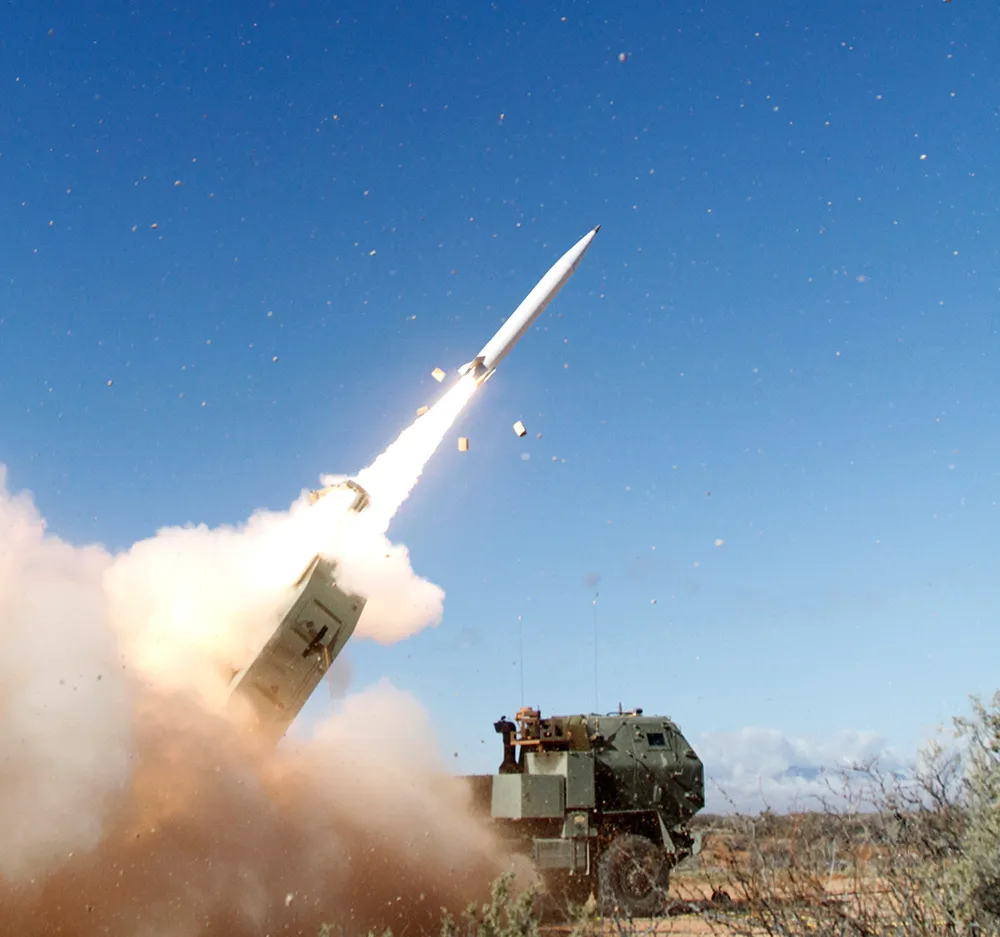
Short answer: the time from concept to inventory for a modern missile typically runs 4 to 10+ years, moving through conceptual design → preliminary/detailed design → ground/flight testing → limited user testing → full-rate production approval → fielding. The US Army’s Precision Strike Missile (PrSM) went from its first flight test in 2019 to first delivery in 2023 — about four years. Turkey’s Gökdoğan/Bozdoğan air-to-air missiles took roughly 12 years, from the program’s 2012 start to fielding approval in 2024. Much of that gap traces to how mature the underlying subsystem technology already was.
Stage 1: Concept and requirement definition
Every missile program starts by identifying an operational gap — for the US Army, a system to exceed the range/speed limits of the MGM-140 ATACMS; for Turkey, the need for F-16s to carry a modern air-to-air missile without depending on foreign suppliers. This stage sets requirements — range, speed, accuracy, platform compatibility — and runs initial feasibility studies. It typically takes 1-3 years.
Stage 2: Preliminary and detailed design
Once requirements are set, engineering teams design subsystems — guidance, propulsion, airframe, seeker — and build integration plans. Precision manufacturing detail (material formulations, circuit-board design) is not disclosed publicly at this stage; it stays classified for national-security reasons. For Gökdoğan and Bozdoğan, this stage began in 2012 under TÜBİTAK SAGE’s GÖKTUĞ project.
Stage 3: Ground and flight testing
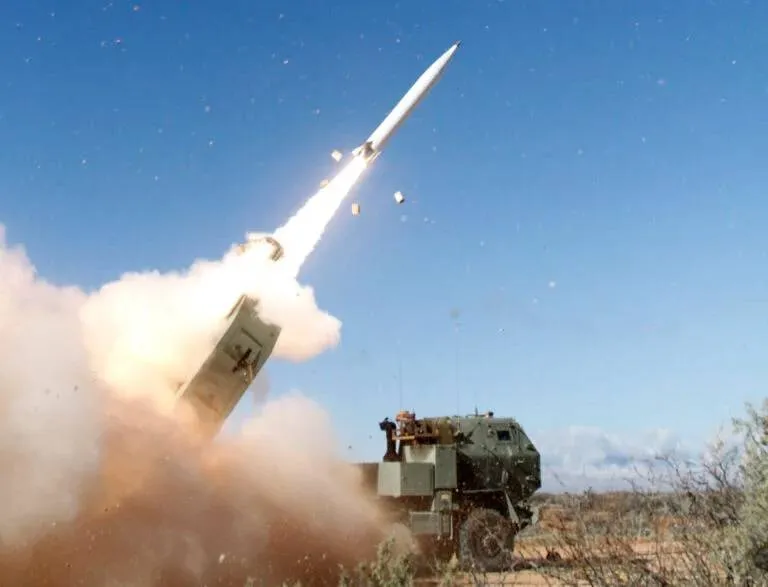
Once the design is finished, the system moves through simulation and ground testing, then live-fire/flight tests. PrSM’s first prototype flight test took place on December 10, 2019, at White Sands Missile Range. Bozdoğan’s first live-fire test came in April 2021, launched from an F-16 against a Şimşek target drone; Gökdoğan’s testing began in 2018 and continued with further trials through 2025. This stage typically spans multiple years and many shots as the design is validated under real conditions.
Stage 4: Limited user testing and production qualification
Once the system meets core performance criteria, a limited number of tests run with actual operational units (PrSM’s Soldier-Led Limited User Test in December 2024), followed by production qualification testing using production-line parts (PrSM in April 2025). This stage confirms the design can move safely from lab conditions to full-rate manufacturing.
Stage 5: Full-rate production approval and fielding
In the final stage, the program receives formal full-rate production approval (Milestone C in the US system) and deliveries to units begin. PrSM’s first delivery came December 8, 2023, and in July 2025 the program formally entered the Production and Deployment phase. Bozdoğan and Gökdoğan formally entered Turkish Air Force inventory in 2024 and again demonstrated operational maturity with live-fire tests from F-16s in October 2025.
At a glance: milestones of two programs
| Stage | PrSM (US) | Gökdoğan/Bozdoğan (Turkey) |
|---|---|---|
| Program start | ~2016-2017 (under LRPF) | 2012 (GÖKTUĞ project) |
| First flight/live-fire test | Dec 10, 2019 | Gökdoğan 2018 / Bozdoğan Apr 2021 |
| Limited user test | Dec 2024 | No clear public date (ESTIMATE: 2022-2023) |
| First delivery / fielding | Dec 8, 2023 | 2024 |
| Total time (start → fielding) | ~6-7 years | ~12 years |
PrSM’s relatively fast progress rests largely on mature subsystem technology inherited from ATACMS and earlier US tactical missile programs; Gökdoğan/Bozdoğan took longer because Turkey built national guidance, seeker and rocket-motor technology from scratch.
Frequently Asked Questions
Why does missile development take years?
Each subsystem — guidance, propulsion, seeker — must be individually tested and integrated, and safety/reliability requirements demand a large number of successful test firings.
What’s the difference between building on existing tech and developing from scratch?
Programs built on proven existing subsystems (like PrSM) move faster, while programs developing national guidance/seeker technology from zero (like Gökdoğan/Bozdoğan) can take far longer.
Does fielding mean a missile is fully mature?
No — fielded systems typically keep proving operational maturity with further tests in subsequent years, as seen with Gökdoğan/Bozdoğan’s October 2025 tests.
Sources
Related Reading
Updated August 28, 2026. Precision manufacturing and engineering detail is excluded here for security reasons; dates rely on official disclosures and verified sources, with estimated figures marked “ESTIMATE.”