German A400M Sets Record: Non-Stop Flight to Hawaii With Refueling
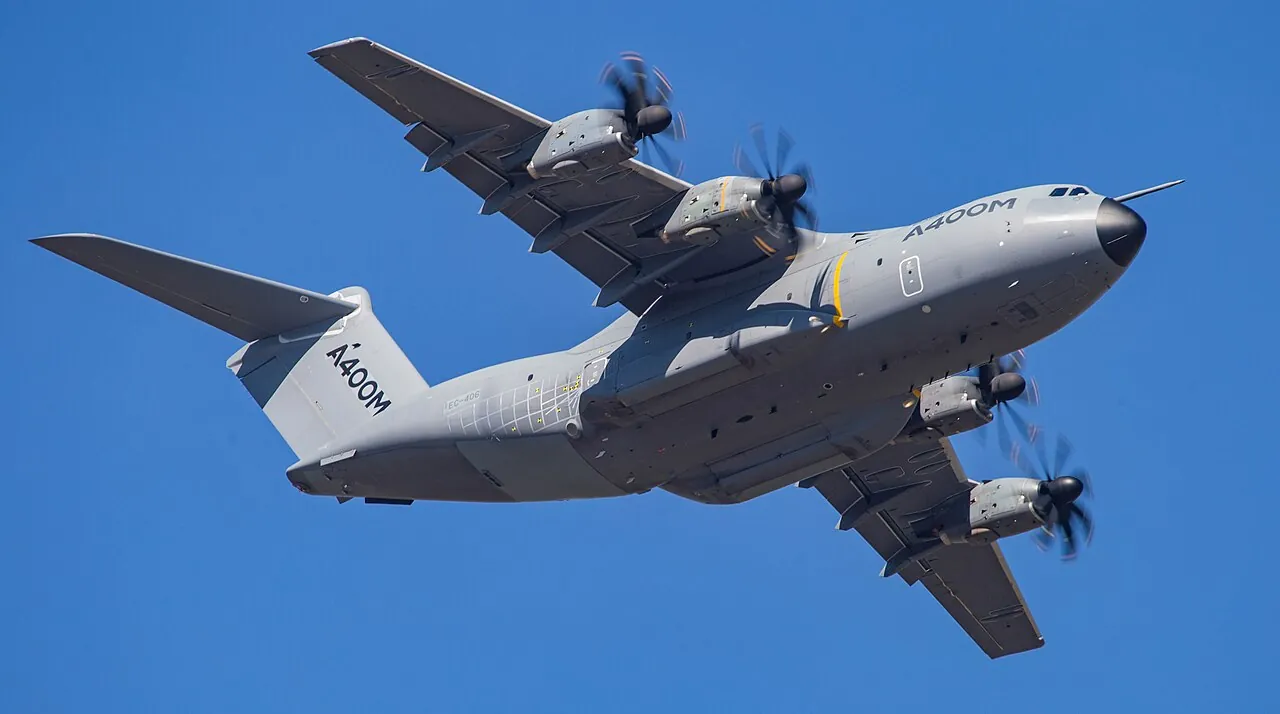
Germany has run a notable range trial in strategic airlift. According to the Luftwaffe, an A400M Atlas took off from Wunstorf and covered about 12,500 kilometers to Hawaii without landing, in 16 hours and 39 minutes. It is the longest flight in the history of the country’s A400M fleet.
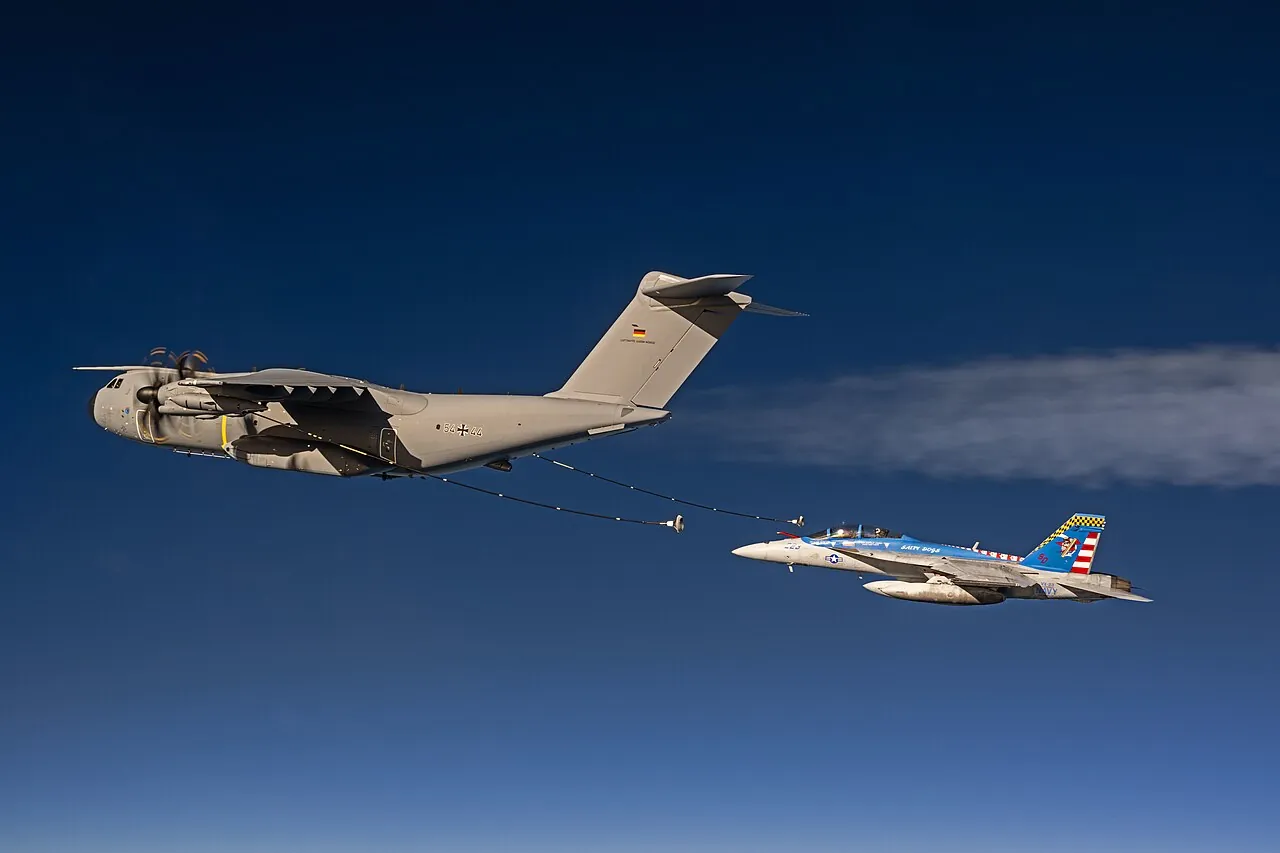
The mission’s success was enabled by two A400M tanker aircraft. Around 35 tonnes of fuel were transferred during two air-to-air refuelings, one between Norway and Iceland and another over Alaska. The aircraft reached Hawaii via Norway, the North Atlantic near Iceland, within about 100 km of the North Pole, then Alaska and the North Pacific.
What Is the A400M, and Why Does This Flight Matter?
The A400M Atlas is a four-engine strategic/tactical transport built by Airbus. Developed as a joint program by Türkiye, Germany, France, Spain, the UK, Belgium and Luxembourg, it is one of the backbone transport platforms of NATO armed forces. It can carry long-range cargo and also perform aerial refueling.
The distinguishing feature of this mission is that a transport aircraft, taking fuel in the air from other transports, reached one continent from another without landing. According to the Luftwaffe, the aim was to validate the ability to reach distant regions without an intermediate landing, a capability that is critical in crises when airport infrastructure is destroyed, unavailable, or when third countries deny transit.
The Mission’s Purpose and Meaning
The Luftwaffe said the core aim of the flight was to test the ability to conduct long-distance transport operations without depending on foreign airfields. In scenarios such as citizen evacuation, humanitarian missions or rapid troop deployment to distant regions, reaching a destination without an intermediate landing can be decisive.
This approach gains weight especially in geopolitically sensitive crises. A country may not want to depend on other states’ airspace or bases for evacuation or aid. The A400M reaching intercontinental range with tanker support provides autonomy of action in such scenarios.
| Item | Detail |
|---|---|
| Aircraft | Airbus A400M Atlas |
| Operator | German Air Force (Luftwaffe) |
| Departure | Wunstorf air base, Germany |
| Arrival | Hawaii |
| Distance | ~12,500 km (non-stop) |
| Duration | 16 hours 39 minutes |
| Refueling | 2 A400M tankers, ~35 tonnes |
| Path | Norway-Iceland, Pole, Alaska, N. Pacific |
Why Is Strategic Airlift Critical?
Strategic airlift is one of the basic conditions for an armed force to project power far beyond its borders. Military build-up, humanitarian aid, evacuation and disaster response all depend on aircraft that can move heavy loads quickly over long distances. The A400M is one of the limited number of platforms that meet this need.
Aerial refueling capability widens that equation. A transport aircraft that can take fuel from other aircraft makes range theoretically limited only by crew and airframe endurance. That reduces the need for intermediate bases and grants operational independence.
What It Means for Türkiye
The A400M is a platform closely tied to Türkiye in both industry and operations. Türkiye is one of the aircraft’s seven co-manufacturing nations; Turkish Aerospace (TUSAŞ) takes part in producing the A400M’s structural fuselage components and contributes to the industrial side of the program. In other words, this aircraft carries the work of Turkish defense industry too.
On the operational side, Türkiye uses its A400M Atlas fleet as the backbone of strategic airlift. These aircraft have carried heavy loads and personnel to distant regions in overseas evacuations, humanitarian aid and disaster response. Germany’s record flight highlights the range and refueling capability of the same platform Türkiye also operates.
Long-range transport that needs no intermediate landing is a strategic capability for Türkiye, which claims the role of a regional power. The country’s ability to run evacuation, aid and deployment missions across a broad geography depends largely on the range of platforms like the A400M. The technical lesson of the German flight is therefore meaningful for Turkish airlift doctrine as well.
Frequently Asked Questions
How far did the A400M fly?
How did the aircraft reach so far?
What was the purpose of the flight?
What is Türkiye’s link to the A400M?
Conclusion
The German A400M’s non-stop flight to Hawaii shows that range in strategic airlift is defined not only by the aircraft but by aerial refueling and doctrine. Türkiye, as both a co-manufacturer and an operator, is directly inside this capability; for a country running evacuation and aid missions across a broad geography, transport that needs no intermediate landing carries strategic value.