
Greece’s Military Strength: Which Jets and Missiles? (2026)

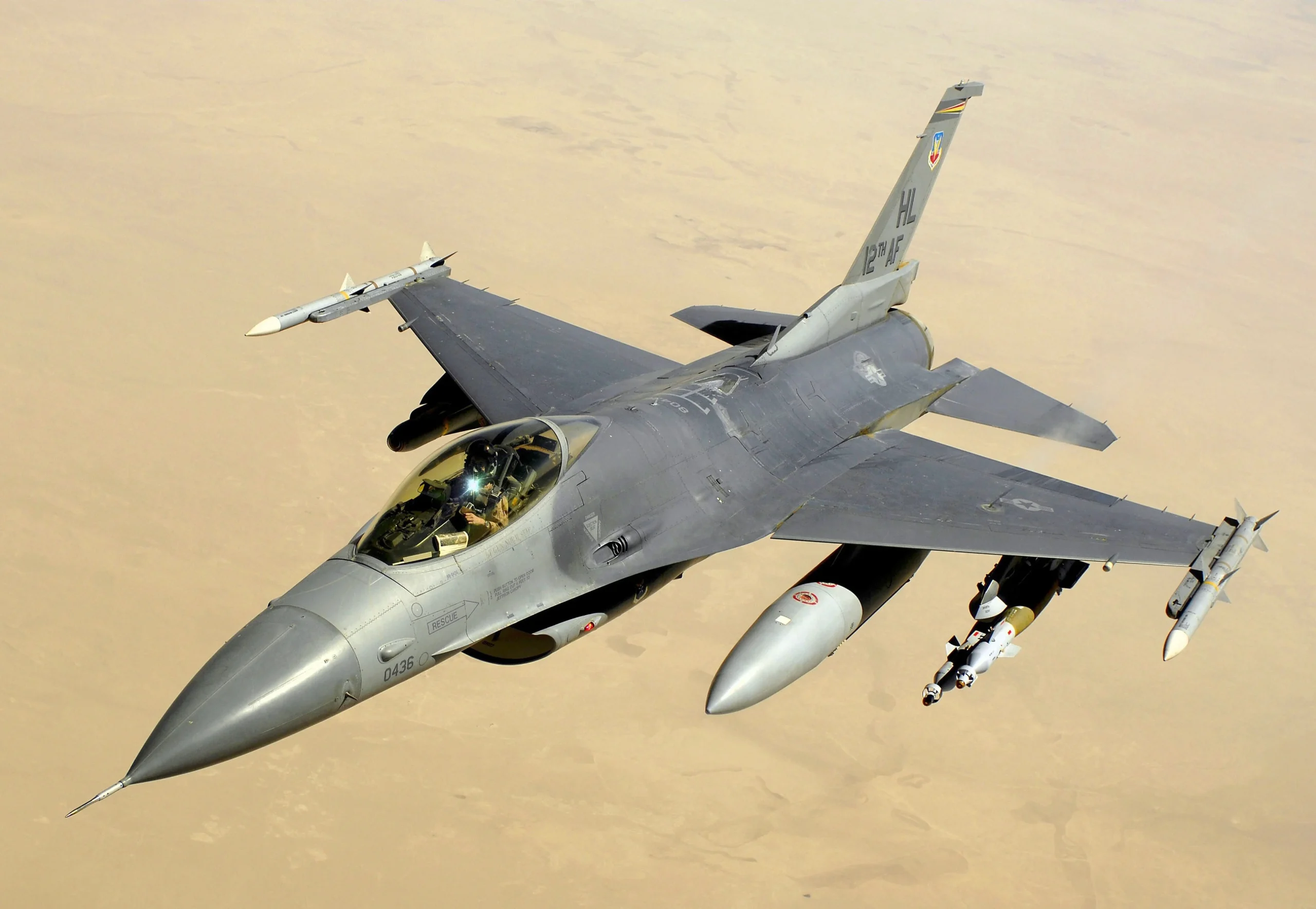
Greece’s military inventory is shaped by defence spending that is high relative to GDP. F-16 Viper and French Rafale fighters, Leopard 2 tanks, the S-300 air defence stationed on Crete and ordered Belharra frigates are the headline items of this modernisation.
At a Glance
- Active personnel: ≈ 140.000
- Main battle tanks: ≈ 1.300
- Military aircraft (total): ≈ 600
- Key fighters: F-16 Viper, Rafale; F-35 (sipariş)
- Air defence: S-300 (Girit), Patriot
- Within NATO: High defence spending
Note: The inventory figures below are approximate values drawn from open sources such as Global Firepower, the IISS Military Balance and SIPRI.
About the Greece Armed Forces
The Hellenic Armed Forces are among NATO’s highest defence spenders as a share of GDP. The force structure is largely shaped by the regional balance in the Aegean and Eastern Mediterranean.
The inventory is mainly import-based: U.S., French and German platforms (F-16, Rafale, Leopard 2, Belharra) dominate. The country has also deployed the Russian S-300 system on Crete.
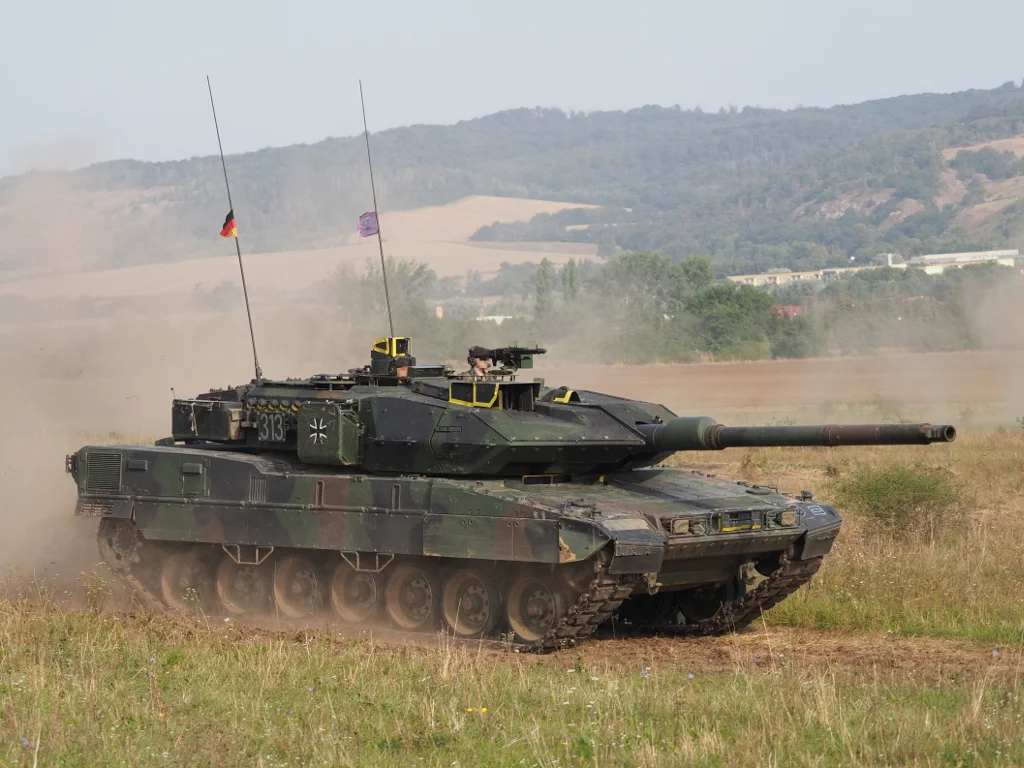
Land Forces Inventory
| System type | Est. quantity |
|---|---|
| Main battle tanks (Leopard 2, Leopard 1, M1) | ≈ 1.300 |
| Armoured fighting vehicles | ≈ 4.000 |
| Howitzers (PzH 2000, M109) | ≈ 600 |
| MLRS (RM-70, MLRS) | ≈ 150 |
Air Force Inventory
| Platform | Est. quantity |
|---|---|
| Total military aircraft | ≈ 600 |
| Fighters (F-16 Viper, Rafale, Mirage 2000) | ≈ 230 |
| Trainers / transport | ≈ 120 |
| Helicopters (Apache, NH90, Chinook) | ≈ 250 |
Missile and Air-Defence Systems
| System | Type / Note |
|---|---|
| S-300PMU-1 (Crete) | Long-range air defence |
| Patriot PAC-3 | Medium/long-range air defence |
| Tor-M1 / Crotale | Short-range air defence |
| Exocet / Harpoon | Anti-ship missile |

Naval Power
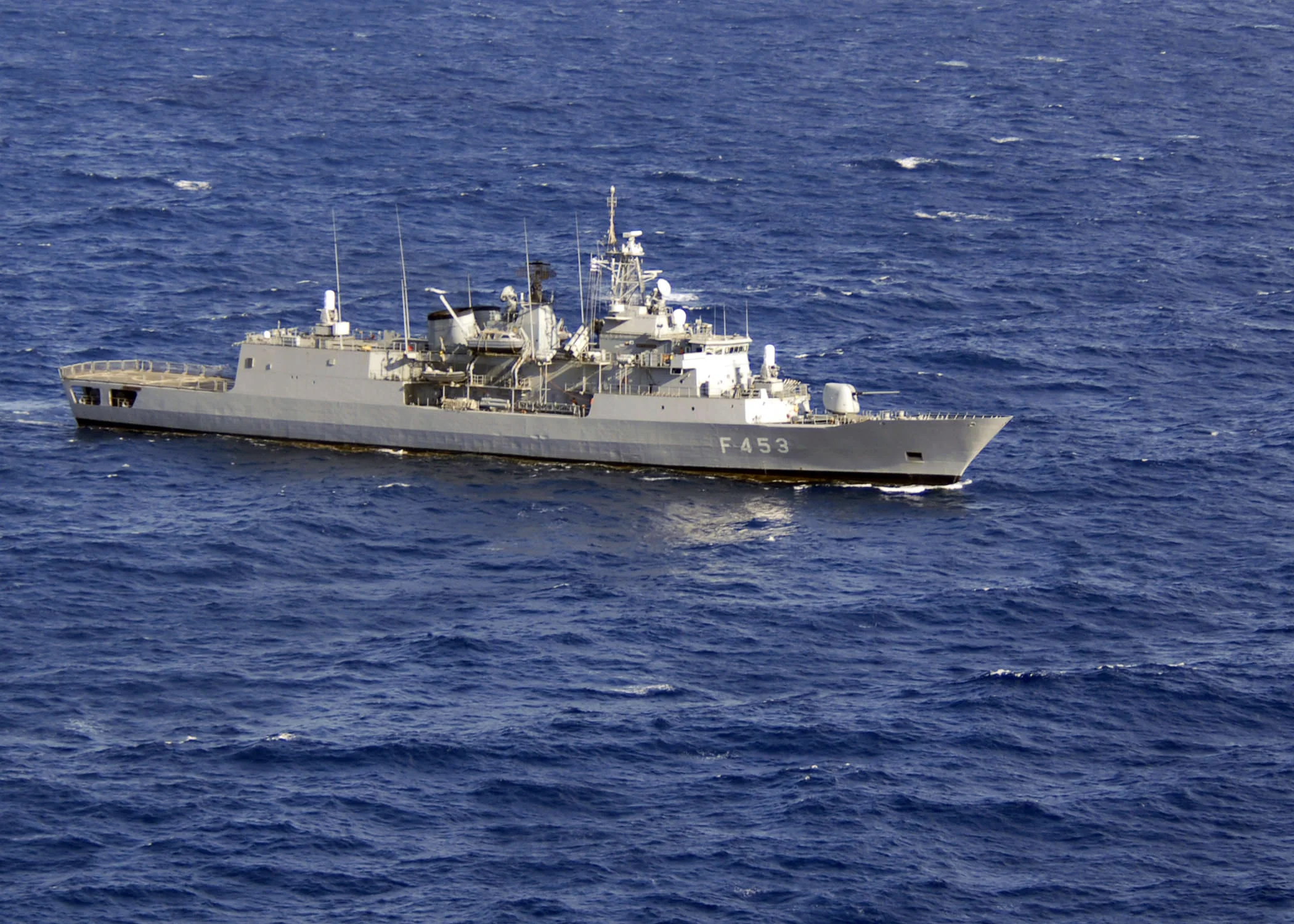
| Class / Type | Est. quantity |
|---|---|
| Total naval platforms | ≈ 115 |
| Frigates (MEKO 200HN, Belharra/FDI) | ≈ 13 |
| Submarines (Type 214, Type 209) | ≈ 10 |
| Fast-attack & gunboats | ≈ 30 |
The Turkey Angle: Turkish Defence Industry
The military balance between Greece and Turkey is shaped by historic disputes in the Aegean and Eastern Mediterranean. Greece’s rapid recent modernisation — Rafale and Belharra frigates, an F-35 order — is largely import-based and oriented to the regional balance.
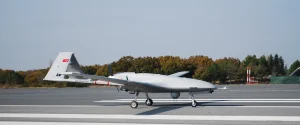
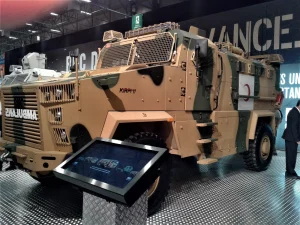
Turkey, in the same period, aims to deepen its qualitative edge through indigenous programmes such as the KAAN national fighter, the Altay tank and a large drone fleet. This rivalry between two NATO members is one of the alliance’s most sensitive issues; yet Turkey’s indigenous-production drive offers a more sustainable long-term strategic base than a fully import-dependent modernisation.
Frequently Asked Questions
Which fighters does Greece fly? Upgraded F-16 Vipers, French Rafales and Mirage 2000s are the main platforms; Greece has also contracted for the F-35.
Where are Greece’s S-300s? The Russian-origin S-300PMU-1 systems are stationed on the island of Crete.
How strong is Greece’s navy? With MEKO 200HN frigates, Type 214/209 submarines and ordered Belharra (FDI) frigates, it is a regional naval power.
Bottom Line
With a high budget and rapid import-based modernisation, Greece is a notable actor in the Aegean balance. For Turkey it is a benchmark illustrating the long-term strategic advantage of indigenous production over an import-dependent procurement model.