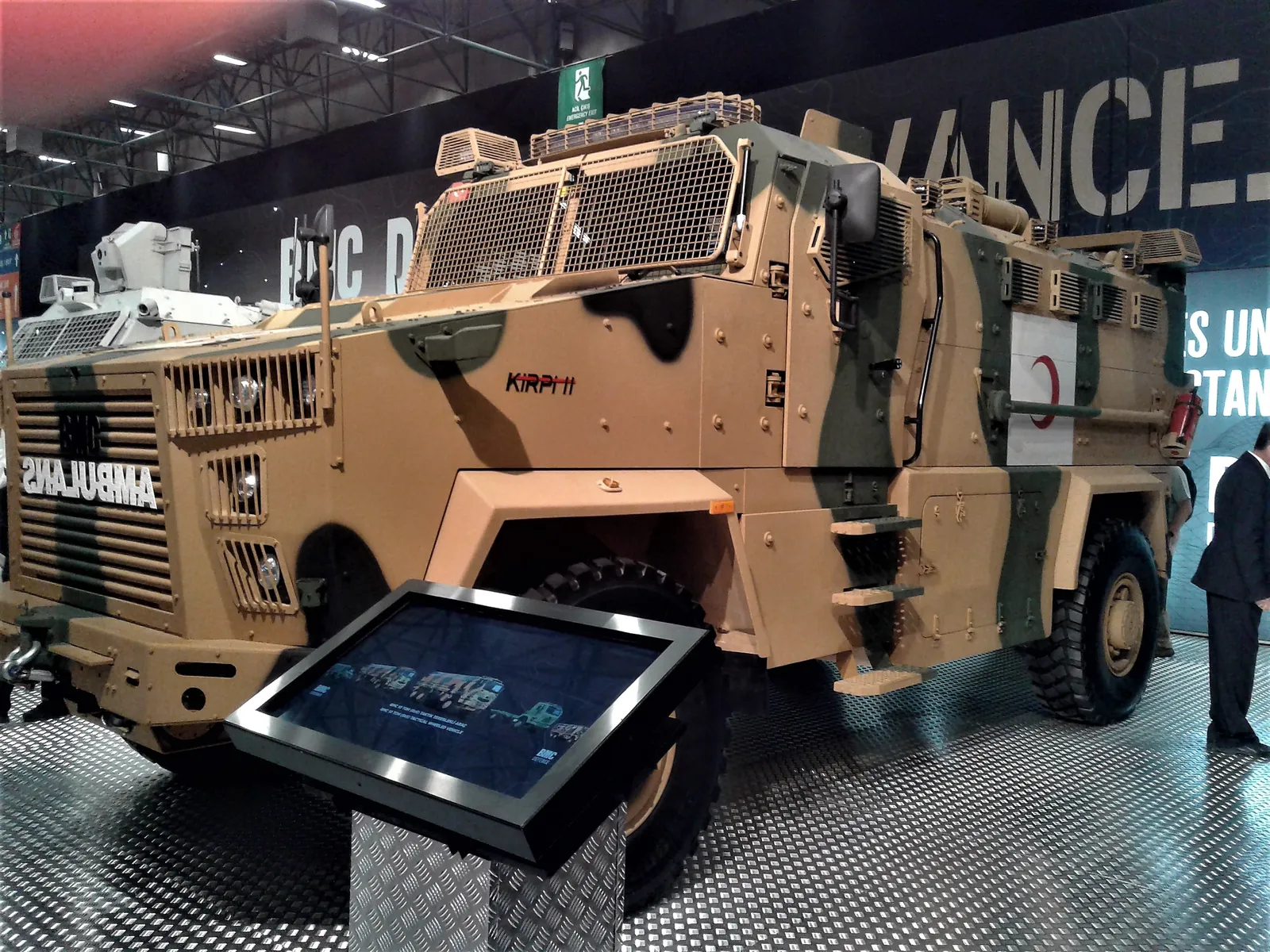
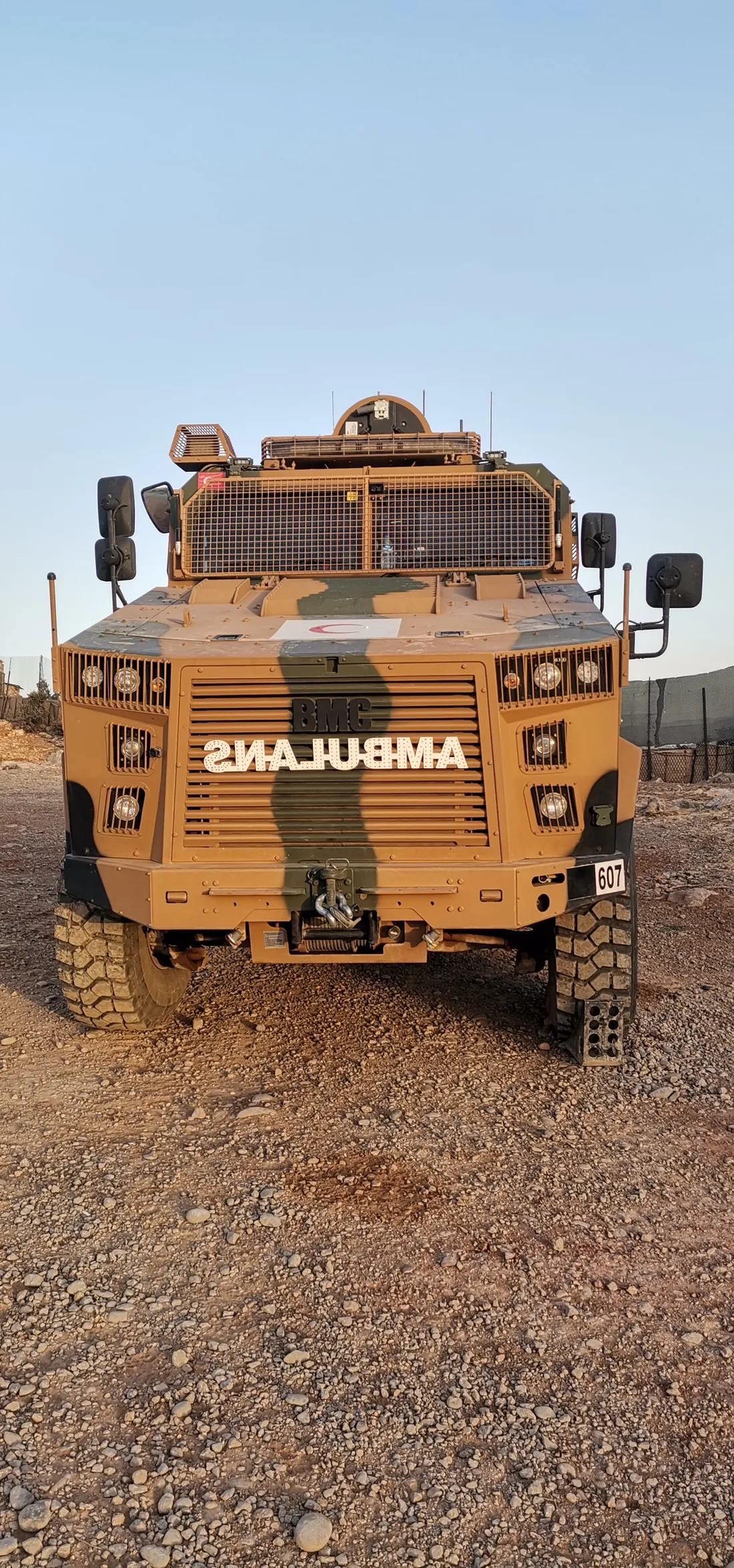
KİRPİ is a 4×4 mine-resistant, ambush-protected (MRAP) armored vehicle built by Turkey’s BMC. Serial deliveries began in 2013–2014; today over 2,000 Kirpi/Kirpi II are in Turkish service and the vehicle has been exported to more than ten countries. This dossier compiles its delivery timeline, operators, exports and technical data from open sources and is updated regularly.
Contents: Tap each heading to expand — what the Kirpi is, operators, first delivery, how many, exports, timeline, specifications, variants, manufacturer and FAQ.
What is the Kirpi?
The Kirpi is an MRAP whose V-shaped hull protects its crew against mine and IED threats. It is used for troop transport, convoy protection, reconnaissance and as an ambulance. The Kirpi II offers a more powerful engine, improved protection and modern electronics.
Which institutions and countries operate it?
The Kirpi became the common vehicle of all Türkiye’s security institutions and reached a wide export network.
Country / Institution
Units
Note
Turkey (Army / AF / Gendarmerie / Police)
2,000+
Largest operator
Tunisia
233
First export customer (2014)
Ukraine
~700 (claimed)
Heavy combat use
Turkmenistan
10 (+90 Vuran)
Open source
Libya
40+
Open source
Somalia
12
Donated
Qatar
50
Order (Kirpi II)
Kosovo
14
Order
UAE / Djibouti / Bosnia
—
Open source (qty unclear)
Figures are from open sources and may vary.
When was the first delivery? When did production start?
The design contract was signed in 2009. After testing and qualification, serial deliveries began in 2013–2014, and the Kirpi quickly became one of the most widespread armored vehicles of the Turkish Armed Forces.
How many have been produced and delivered?
Per open sources, BMC has produced over 1,500 Kirpi; more than 2,000 are in Turkish service and over 200 exported. Production continues with the Kirpi and Kirpi II.
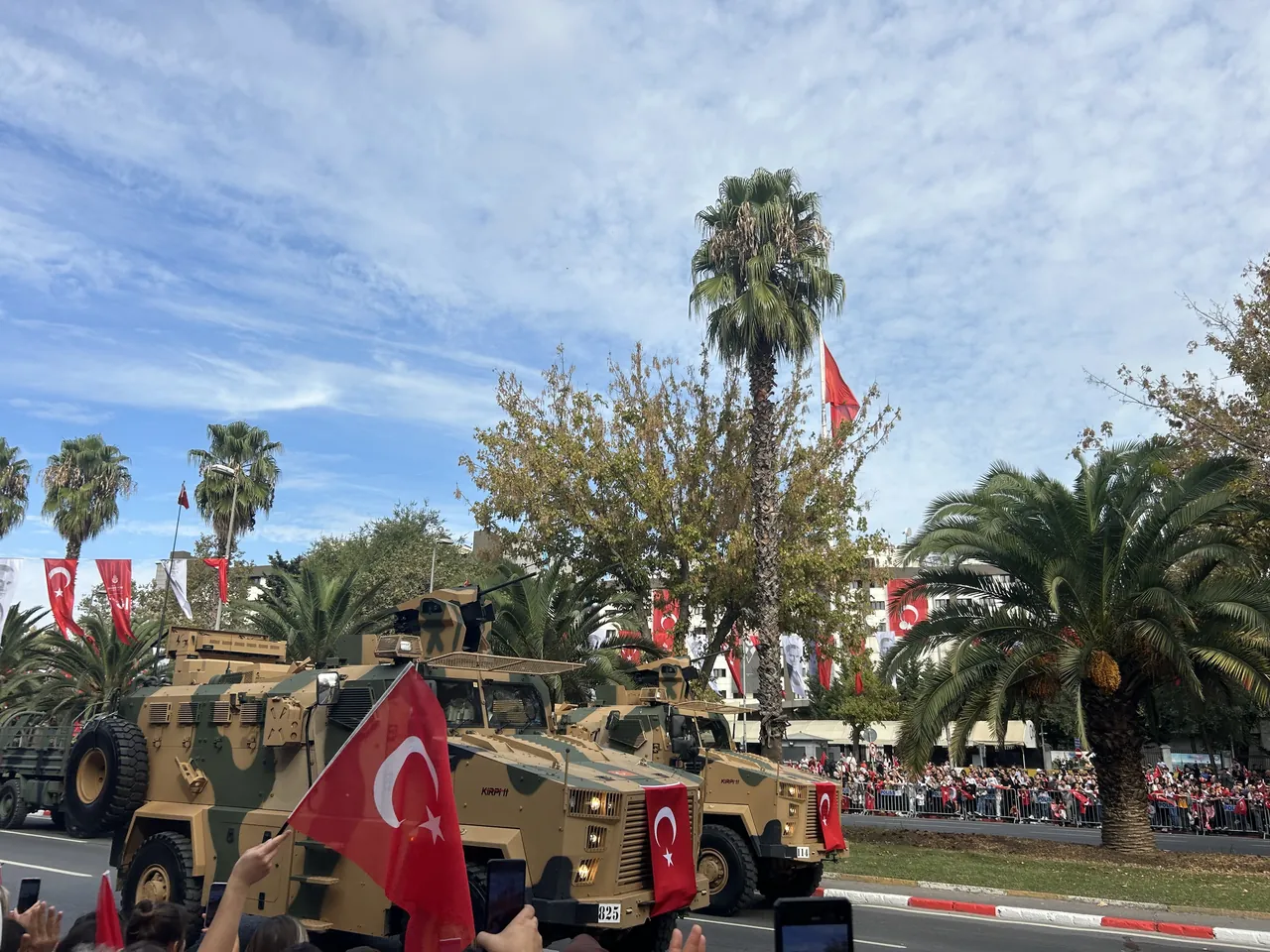
Kirpi II vehicles in a parade. Source: Wikimedia Commons (CC BY-SA 4.0).
Exports: Tunisia, Ukraine, Qatar and others
The Kirpi is one of Türkiye’s most-exported land vehicles. Tunisia was the first customer in 2014 (reaching 233). Hundreds went to Ukraine; Qatar ordered 50 Kirpi II, with Turkmenistan, Libya, Somalia (donated) and Kosovo also operators.
Field record: In Ukraine the Kirpi was repeatedly reported to have protected its crew during mine blasts, strengthening its export reputation.
Field performance and operational use
The Kirpi served extensively in Türkiye’s cross-border operations — Euphrates Shield, Olive Branch and Peace Spring — and in internal security duties. Its V-shaped hull channels the energy of mine and IED blasts outward, markedly improving crew survivability.
The vehicle became the standard platform for convoy protection, troop transport, reconnaissance and medical evacuation. This operational maturity positioned the Kirpi not merely as a procurement line item but as a combat-proven capability — one of the strongest references in export negotiations.
Delivery and export timeline
Date
Event
Party
Source
2009
Design contract
BMC / SSB
Wikipedia
2013–2014
First serial deliveries
Turkish Armed Forces
Open source
2014
First export order (40)
Tunisia
TURDEF
2016
Production/cooperation deal
Pakistan
Open source
2022+
Wartime deliveries
Ukraine
official source
2023–2024
Kirpi II export (50) + Tunisia +46
Qatar / Tunisia
Army Recognition / TURDEF
2025
Total 2,000+ vehicles delivered
TSK + export
BMC
Technical specifications
Feature
Value
Class
4×4 MRAP (mine-resistant, ambush-protected)
Gross weight
~20,000 kg
Engine
Cummins ~375 hp (indigenous BMC TUNA 400 hp planned)
Top speed
100 km/h
Range
~1,000 km
Capacity
13 personnel
Protection
STANAG 4569 Level 3 (vs 7.62×51 mm)
Armament
7.62 / 12.7 mm machine gun (remote weapon station)
The Kirpi sits in the same class as the US Oshkosh M-ATV and International MaxxPro and the South African-origin Casspir. Against these peers it offers a balanced profile: STANAG 4569 Level 3 protection, a high 13-person capacity and roughly 1,000 km of range.
Its clearest differentiators are cost-effectiveness and delivery speed: with a production scale exceeding 2,000, BMC has lowered unit cost while fielding a NATO-standard vehicle on short lead times. Where many Western MRAPs have not been tested at this scale in a current conflict, the Kirpi’s heavy use in Ukraine shows it proven under real combat. With the move to the indigenous BMC TUNA engine, the Kirpi is becoming one of the few MRAPs approaching full supply-chain independence.
Variants
4×4 troop carrier
6×6 troop carrier
Combat tactical vehicle
Utility / logistics
Ambulance
Mine detection and disposal
Manufacturer: BMC
The Kirpi is built by BMC, which the family turned into one of Türkiye’s largest armored-vehicle exporters. The indigenous BMC TUNA engine aims to cut dependence on imported powerpacks.
Why it matters for Türkiye
By reducing casualties in counter-terrorism and cross-border operations, the Kirpi marked an operational turning point. Its broad export network adds both economic and strategic value.
Frequently Asked Questions
How many Kirpi have been produced and delivered?
Per open sources, BMC has produced over 1,500 vehicles; more than 2,000 Kirpi/Kirpi II are in Turkish service and over 200 have been exported.
Which institutions operate the Kirpi?
In Türkiye the Army, Air Force, Gendarmerie and National Police. Export operators include Tunisia, Ukraine, Turkmenistan, Qatar, Libya, Somalia and Kosovo.
When was the Kirpi first delivered?
The design contract was signed in 2009; serial deliveries began in 2013–2014, with the first export order from Tunisia in 2014.
Which countries imported the Kirpi?
Tunisia (233), Ukraine (~700 claimed), Turkmenistan, Qatar (50), Libya (40+), Somalia (12, donated), Kosovo (14) and others.
Was the Kirpi used in Ukraine?
Yes. Hundreds were delivered to Ukraine and used heavily in combat, with many reports of the vehicle protecting its crew during mine blasts.
How much protection does the Kirpi provide?
Its hull meets STANAG 4569 Level 3, protecting against 7.62×51 mm rounds and mine/IED threats.