Finland to Build Ukrainian-Designed Drones Under Airlogix Deal
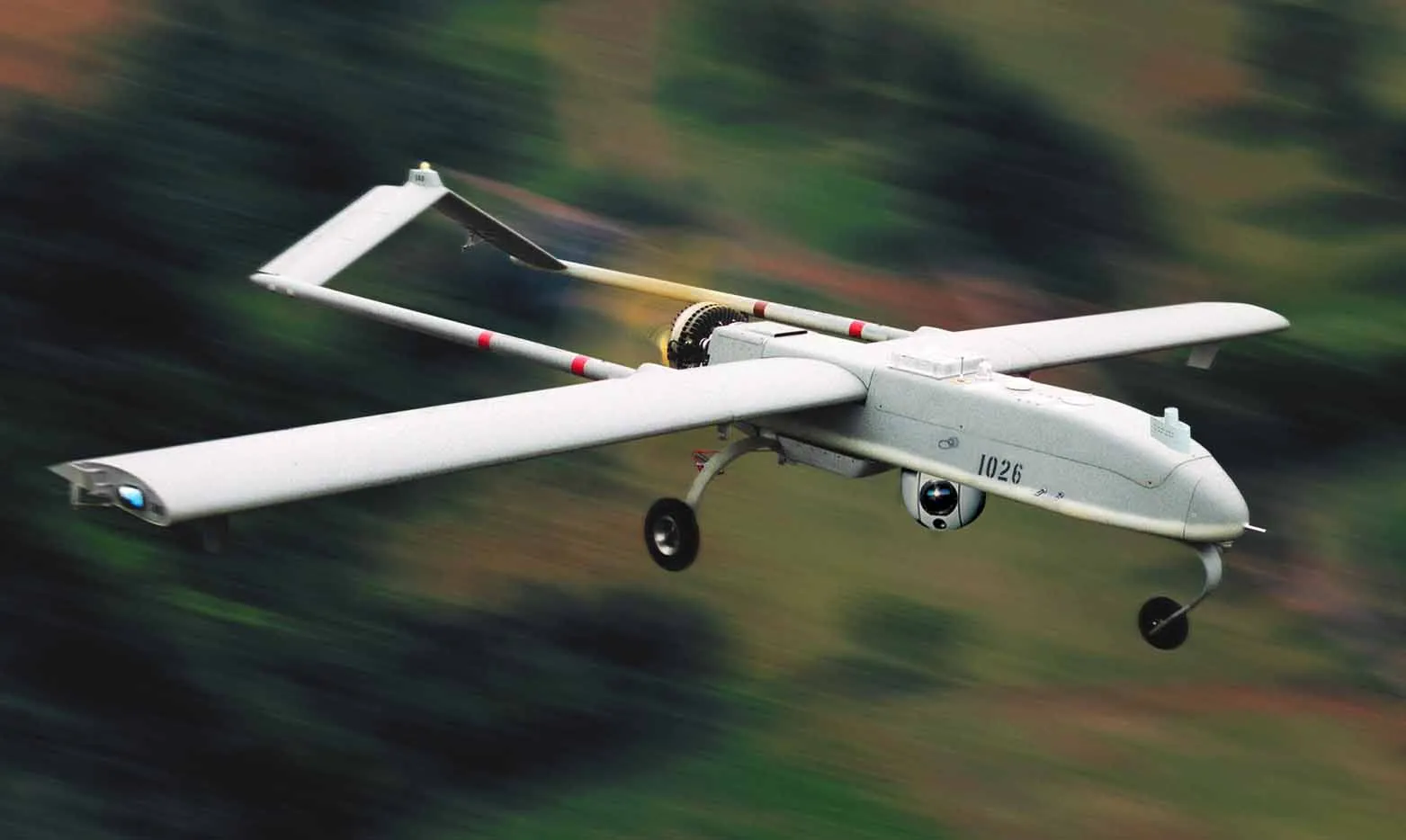
Ukrainian unmanned aircraft developer Airlogix and Finnish firm Innokas have signed a letter of intent to produce Ukrainian-designed drones in Finland.
The division of labour is explicit. All technology and engineering solutions remain Ukrainian; the Finnish side handles manufacturing scale-up and local assembly. It is a model that keeps design intellectual property at source while distributing production capacity across partner states.
The Build with Ukraine framework
The tie-up runs under Ukraine’s Build with Ukraine programme, which places combat-matured Ukrainian defence technology into partner-country production. The logic cuts both ways. Kyiv disperses the risk of concentrating manufacturing inside missile and drone range, while partners get access to a proven design and to an engineering culture iterating faster than most Western procurement cycles allow.
Airlogix already runs a joint venture with Germany’s Auterion. Finland extends that European production network.
Gor and Anubis
Airlogix’s principal product is Gor, a tactical reconnaissance drone built to adjust artillery fire and locate targets at operational depth — not a strike platform but the eyes of one. The company also produces the Anubis strike drone.
Artillery-spotting drones are among the least discussed and most decisive elements of the war. Tube artillery accuracy depends on observing the fall of shot and correcting in real time. A small, comparatively cheap aircraft doing that job multiplies the effectiveness of the battery behind it several times over.
Why Finland
Finland shares a 1,340-kilometre land border with Russia and joined NATO in 2023. Its defence industry is traditionally strong in artillery, armoured vehicles through Patria and munitions through its Nammo stake, but comparatively thin in unmanned aircraft. Licensing a mature Ukrainian design closes that gap far faster than originating one.
The pattern is regional. Denmark, Norway and the Baltic states have all signed co-production or direct procurement deals with Ukrainian unmanned systems makers over the past two years.
What combat-proven actually buys
European interest in Ukrainian designs rests on one thing: they have been tested in a dense electronic warfare environment. GPS jamming and signal spoofing are now so pervasive along the front that commercial systems performing well in trials frequently fail in the field. Platforms developed under those conditions had to put jam-resistant navigation and resilient links at the centre of the design rather than bolting them on.
That experience shows in development tempo. Ukrainian manufacturers meeting a new countermeasure can push a software fix to the field within weeks — a cycle that takes years in conventional procurement, and the single feature European militaries most want to import.
Capacity is the wider driver. The EU has stood up successive funding instruments to expand defence production, and the effort that began with ammunition has extended to unmanned systems. The underlying worry is dependency: most small-drone components still originate in Asia. Co-production adds European lines and transfers a tested design library, but it does not by itself resolve the component question — motors, cameras and batteries remain a separate and unfinished agenda.
Sources
- Airlogix and Innokas — letter of intent announcement, 19 August 2026
- Ukrainian Ministry of Defence — Build with Ukraine programme material